Plizio Visual Lab
Savave

ℹ️Practical info — Savave
▾
🌤 Weather — 5 days
📍 Nearby
Sights nearby
💡 Tips
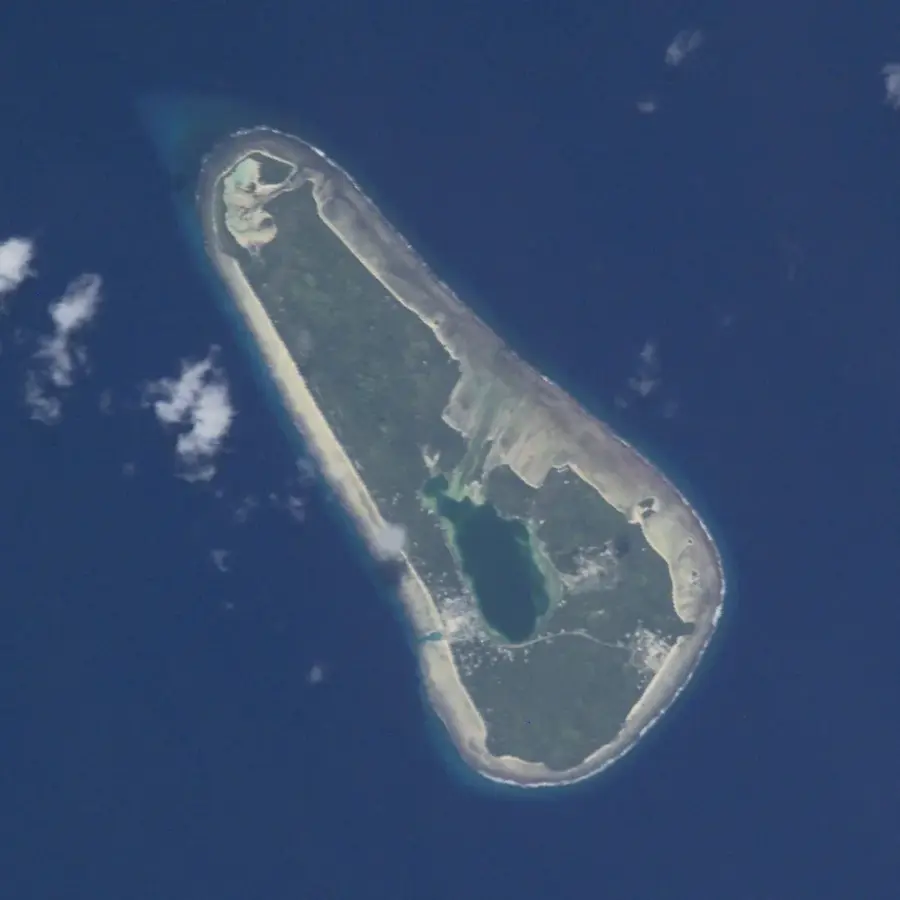
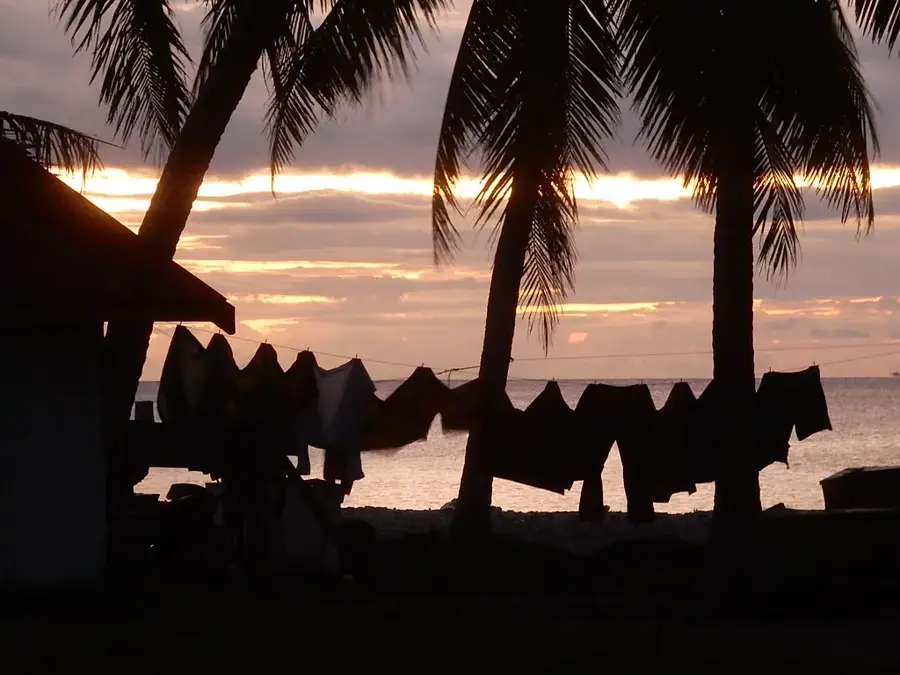
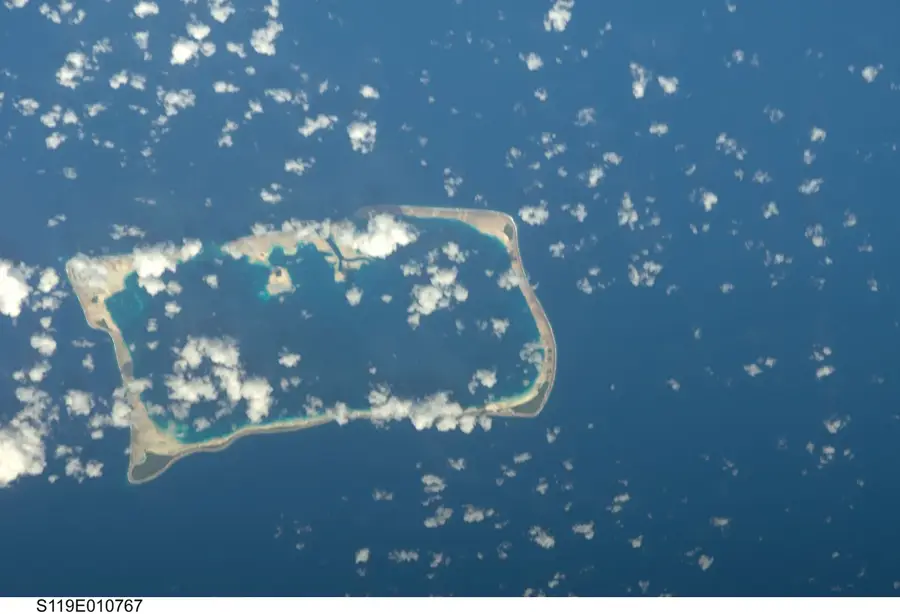
- Nukufetau is an atoll with a large lagoon; Savave is the main village located on a small islet on the edge.
- Try 'Tulolo Pulaka', a local specialty made from mashed taro and rich coconut cream.
- Bring a flashlight as village paths are not lit at night and the ground can be uneven.
- Locals value formal greetings; a friendly 'Talofa' is expected whenever you meet someone.
- Be prepared for limited fresh water supplies; try to conserve water during your stay.
🍽 Food
A hearty mashed taro dish prepared with a particularly creamy consistency on Nukufetau.
Often caught in the lagoon and served grilled over an open fire for a smoky taste.
A flat cake made from pulaka dough, served as a bread substitute with seafood meals.
🛍 Shopping · 🧘 Quiet spots
Locally made wooden boxes that are a masterpiece of functionality and island craftsmanship.
Lightweight and beautifully patterned, these are great functional souvenirs from the atoll.
Arrange a boat to visit the uninhabited small islets in the lagoon for total seclusion and peace.
With zero light pollution, the view of the Milky Way from Savave's shores is world-class.
Water temperature…
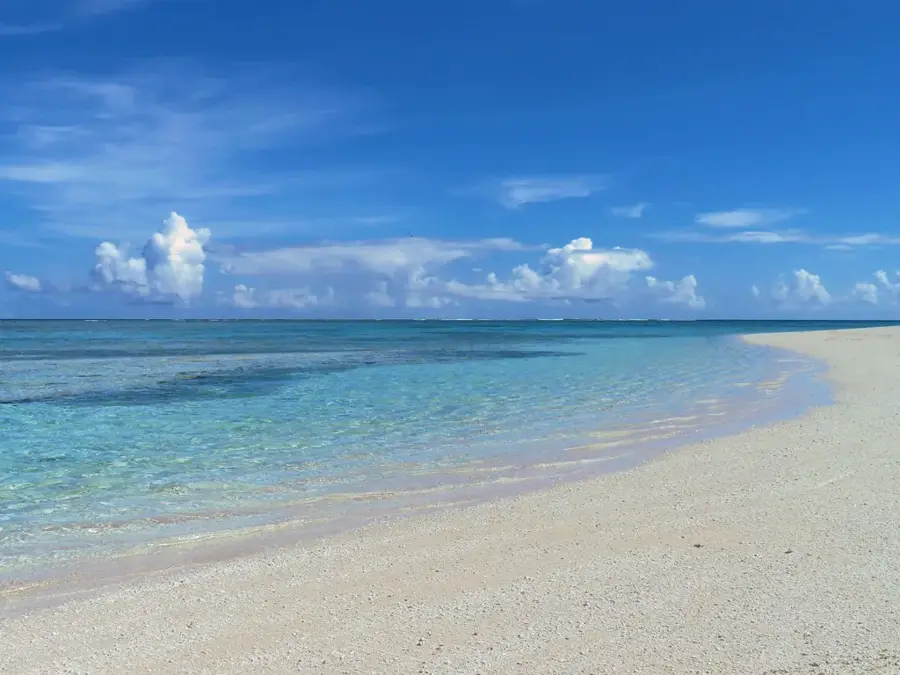
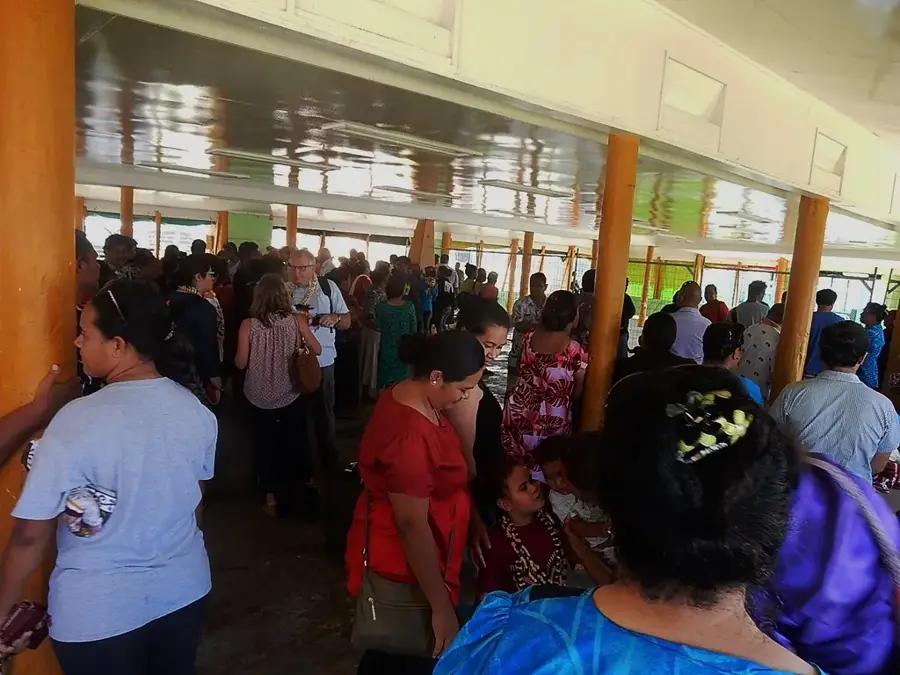
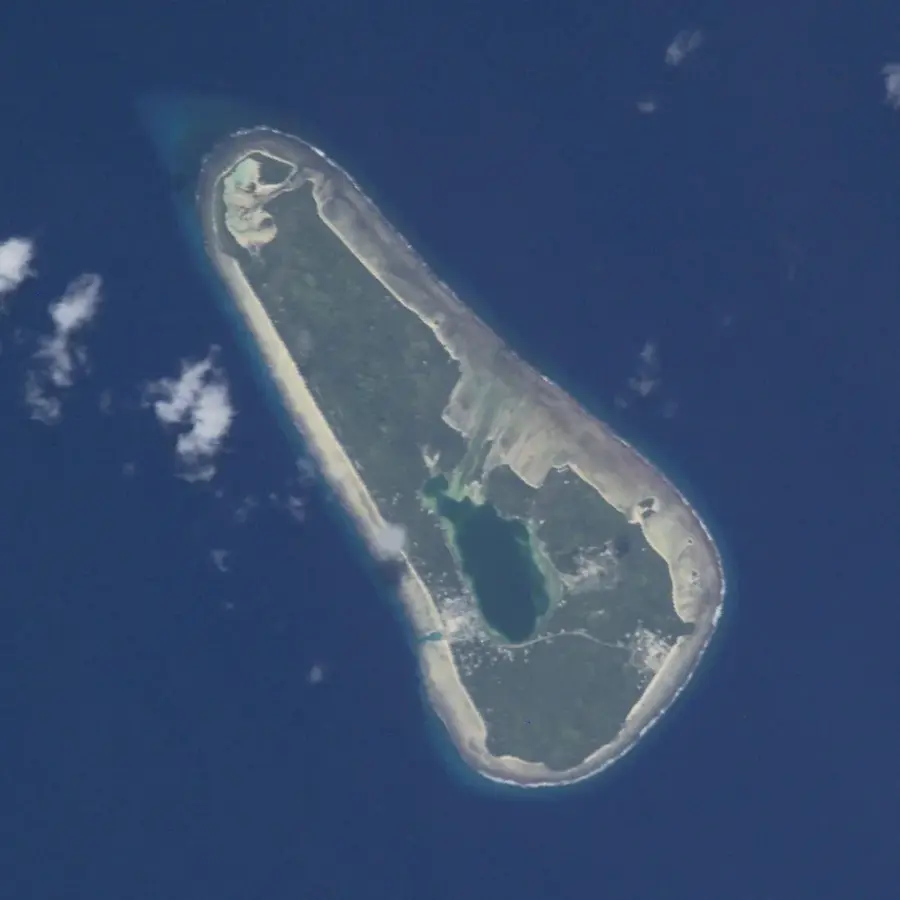
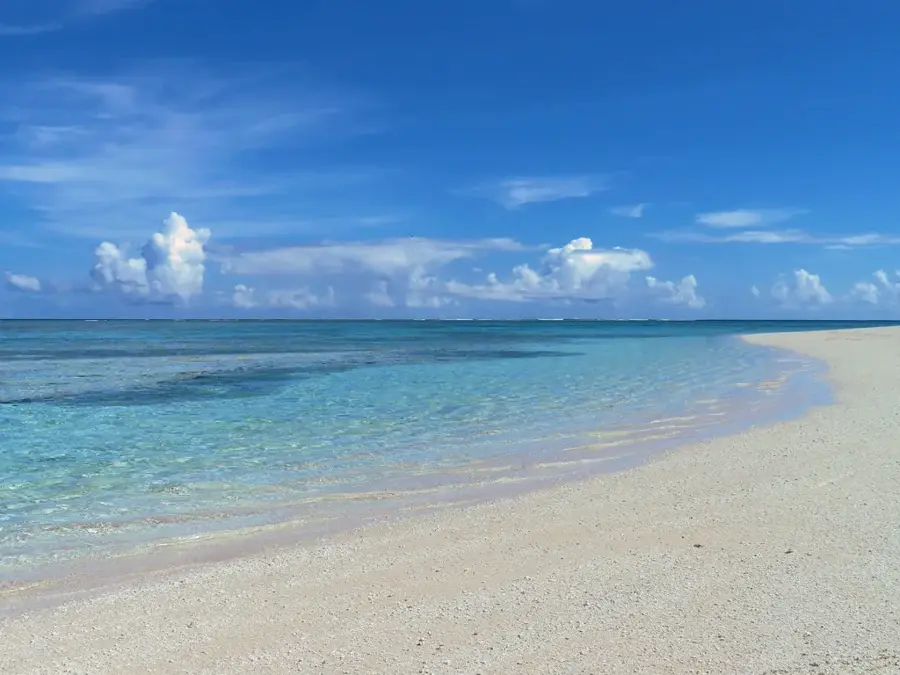
Savave is the only permanently inhabited village on Nukufetau Atoll, located in central Tuvalu. The village is situated on a small islet also named Savave, at the southwestern corner of the atoll. Unlike many other Tuvaluan communities, the entire population of Nukufetau is concentrated on this single islet to preserve the rest of the atoll for agricultural use (copra) and nature conservation. Savave features a scenic lagoon setting and a well-developed social infrastructure, including a church, a medical clinic, and a primary school. The community is tightly knit, living according to traditional Polynesian principles of sharing and mutual support. Economically, lagoon and deep-sea fishing, along with coconut cultivation, are the primary mainstays. Savave also holds historical significance as the atoll served as a strategic U.S. naval base during World War II. Residents take great pride in their seafaring traditions and their craftsmanship in producing woven mats and other local artifacts.
Explore on the map
How well do you know Tuvalu?
Find cities, landscapes and regions in 10 varied challenges on the interactive map.
Your journey, your memory
A postcard from Savave
Turn your own photo into a personal postcard with a local stamp. Free and no sign-up required.
Create a postcard- Location: Tuvalu
- Nearby: Nukufetau (13 km)
Best time to visit & climate
The most pleasant time to visit is Apr, May, Sep.
| Jan | Feb | Mar | Apr | May | Jun | Jul | Aug | Sep | Oct | Nov | Dec | |
|---|---|---|---|---|---|---|---|---|---|---|---|---|
| Avg °C | 29 | 28 | 28 | 28 | 29 | 29 | 28 | 28 | 28 | 28 | 29 | 29 |
| Rain mm | 320 | 307 | 244 | 159 | 152 | 161 | 171 | 166 | 138 | 179 | 220 | 268 |
Geography
Facts
- Savave is the sole inhabited islet among the 33 that make up Nukufetau Atoll.
- The total land area of Savave village is less than 0.2 square kilometers.
- In 1943, Nukufetau was a strategic U.S. military hub in the Pacific.
- Tutasi Primary School in Savave serves the educational needs of the atoll.
- Copra sales and remittances are the main sources of cash income for Savave.
- The village is known for its high-quality traditional weaving and handicrafts.
Explore nearby
Notable places around
Route planner — Car & Motorhome
Where do you start? We build the route here, with stops and country notes along the way.
© OpenStreetMap contributors · OpenRouteService
Frequently asked questions
What is Savave known for?
Do I need to boil the water?
What is the crime rate?
Are there sights here?
Can one buy fresh fish there?
Savave: where is it located?
Savave: when is the best time to visit?
Savave: why is it worth visiting?
Nearby cities

History & landmarks
Nature
More places