Plizio Visual Lab
Kulia
ℹ️Practical info — Kulia
▾
🌤 Weather — 5 days
📍 Nearby
Sights nearby
💡 Tips
- Niutao has no airstrip; the only access is via the government supply ship from Funafuti.
- Always wear a 'sulu' (sarong) or clothing that covers your knees when walking through Kulia village.
- Join in the evening sports on the village green to quickly connect with the local community.
- Fresh water is scarce; use it sparingly as the island relies entirely on collected rainwater.
- Visit the pulaka pits to see how locals traditionally cultivate crops in the coral soil.
🍽 Food
Freshly caught fish, often grilled over coconut husks for a unique smoky flavor.
Commonly roasted or boiled, serving as the primary starchy side dish for most meals.
A local delicacy usually reserved for large community feasts in the village meeting house.
🛍 Shopping · 🧘 Quiet spots
Niutao weavers are famous for their fine pandanus mats, which are highly durable and intricate.
The only shop in the village where you can find basic supplies and occasionally local handicrafts.
Walk out onto the reef flats during low tide for a peaceful experience observing small marine life.
Away from the main village area, the coconut plantations offer a cool and quiet retreat.
Water temperature…
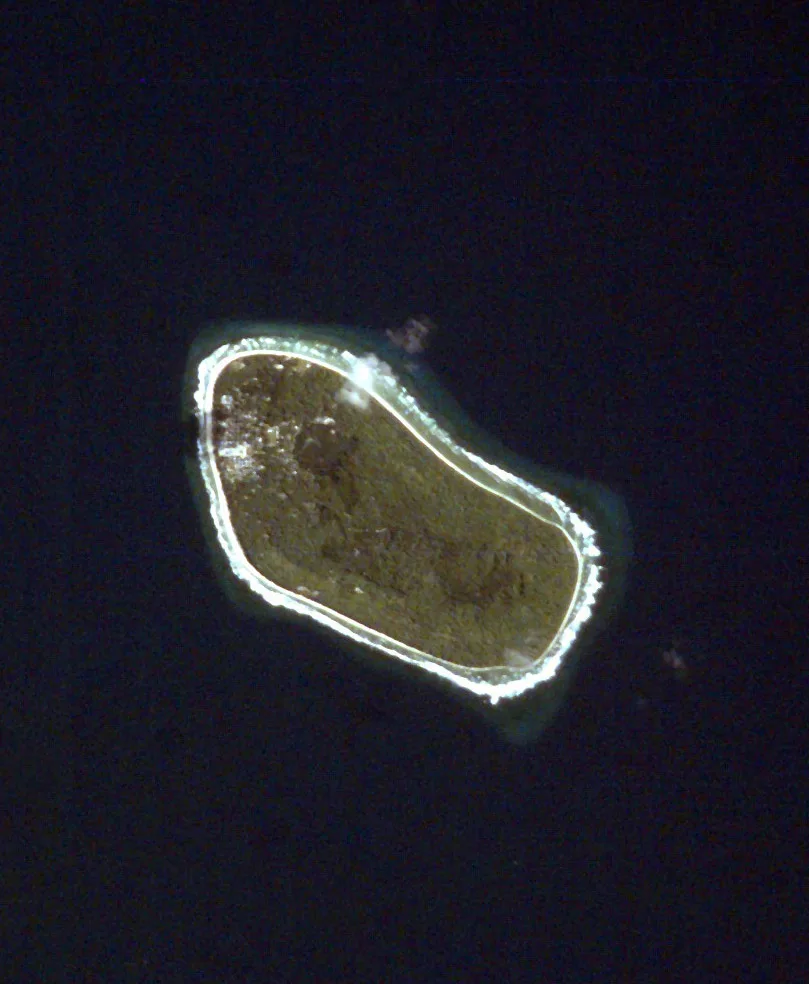
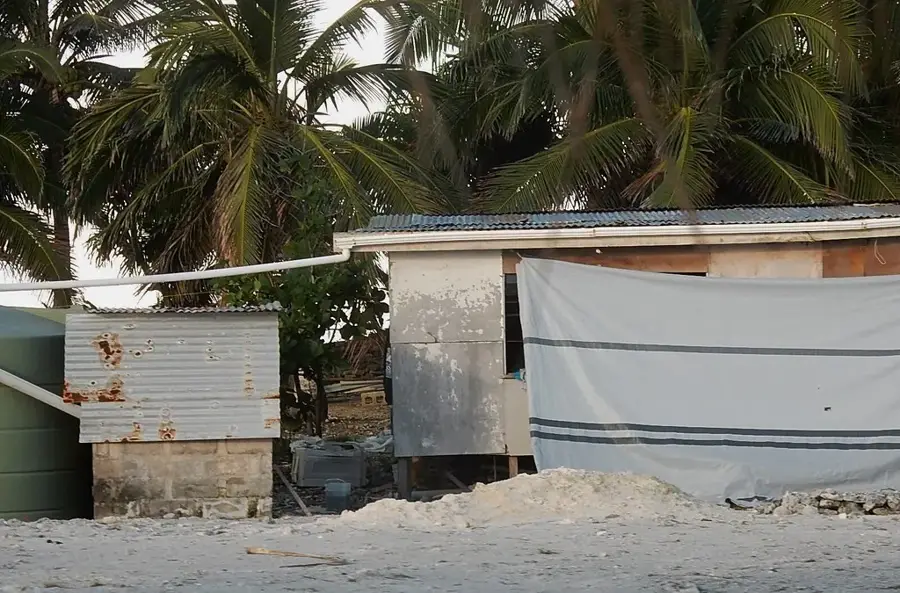
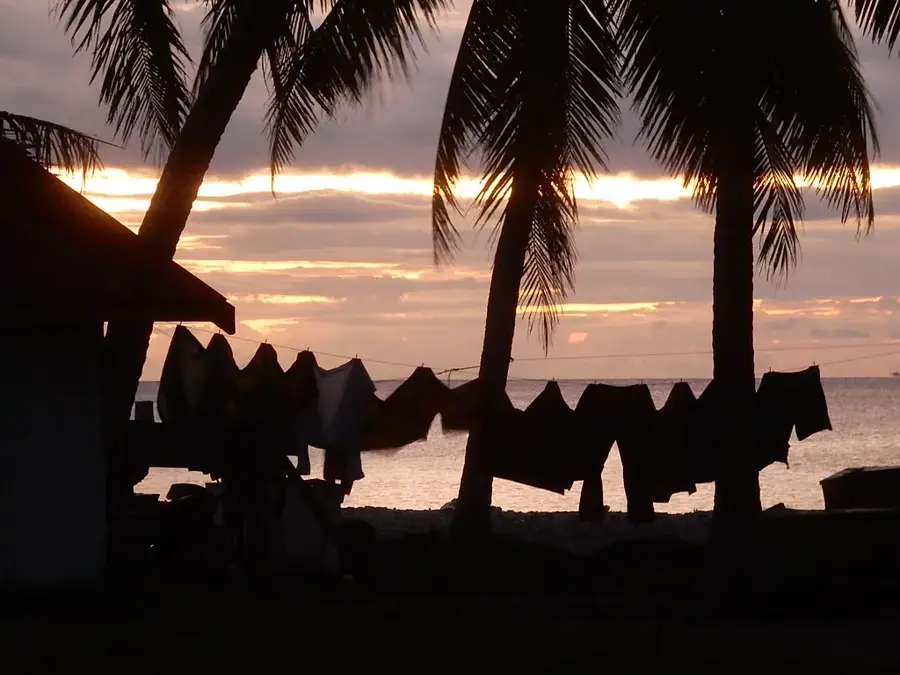
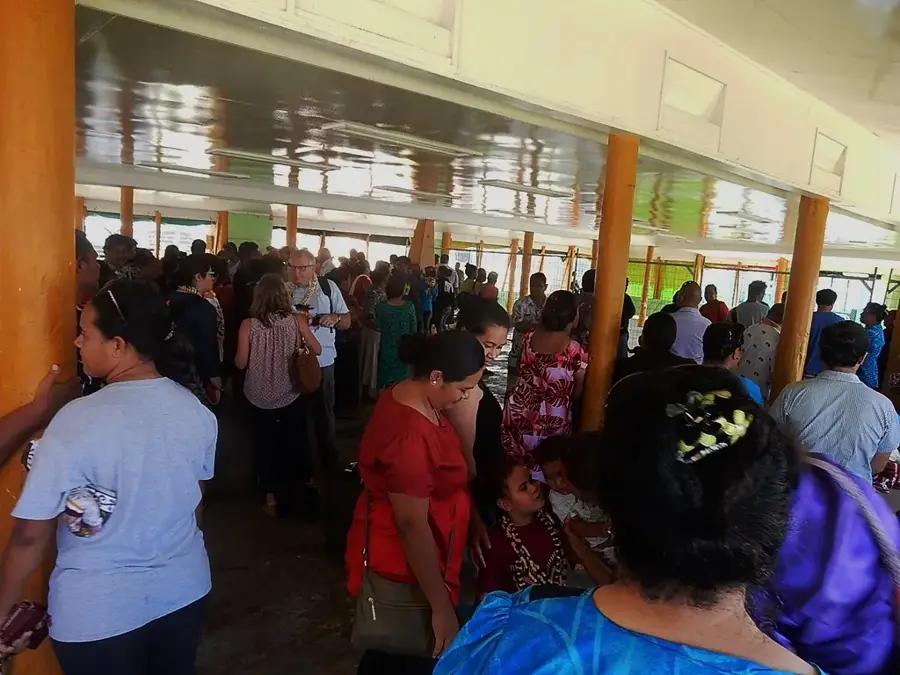
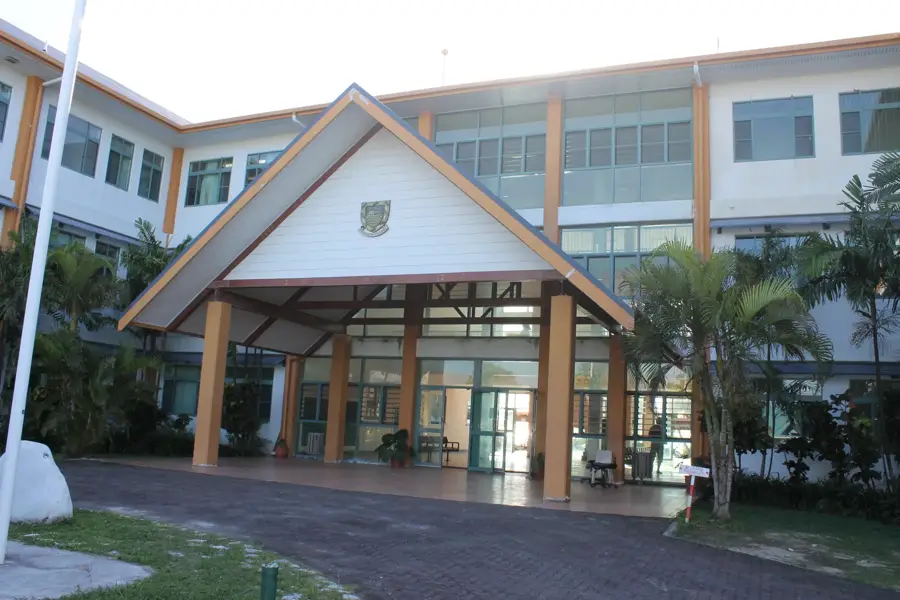
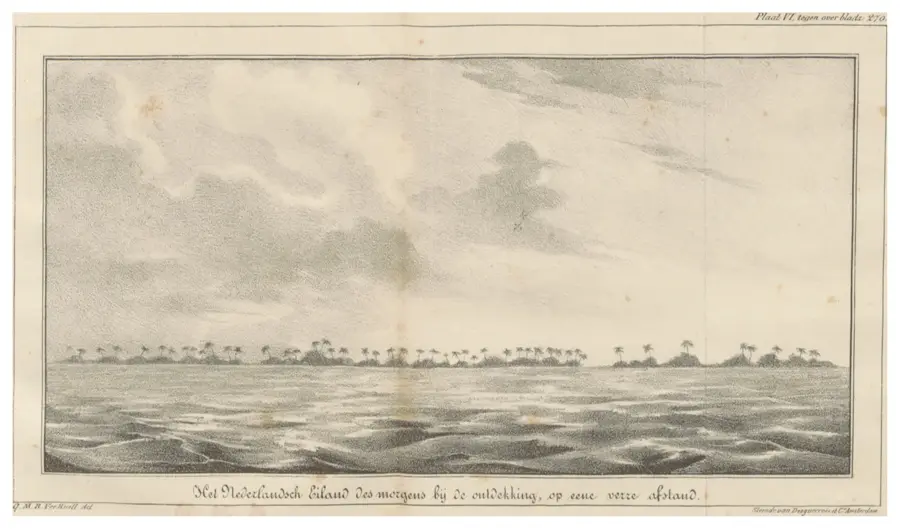
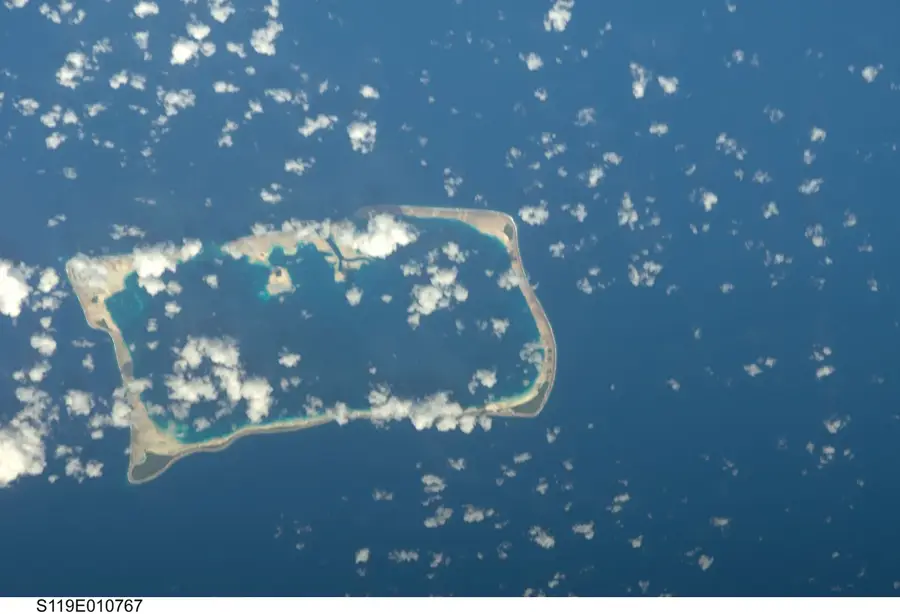
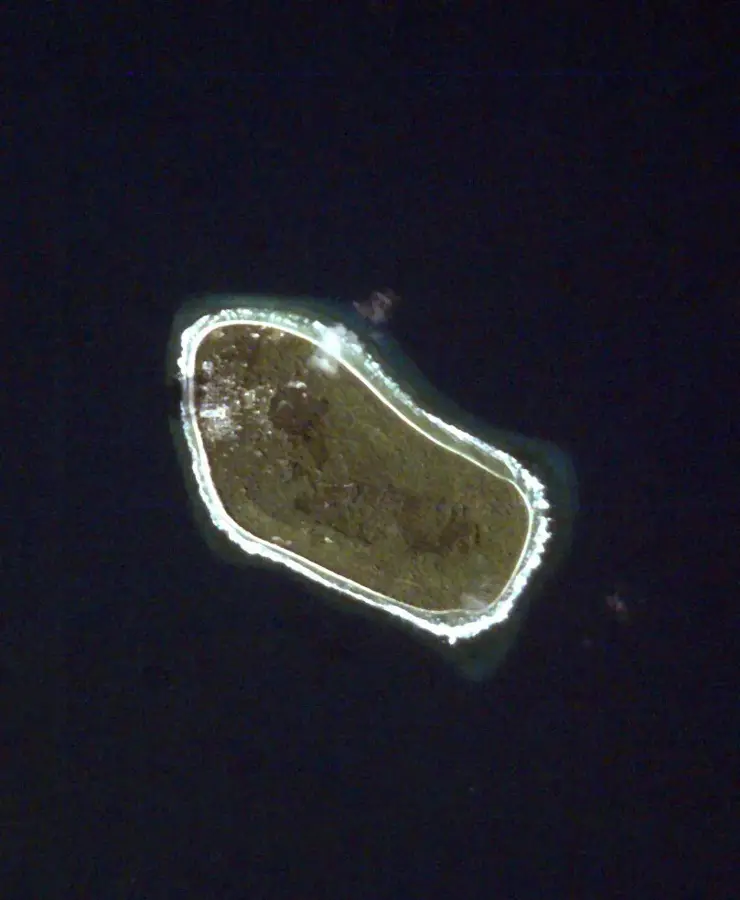
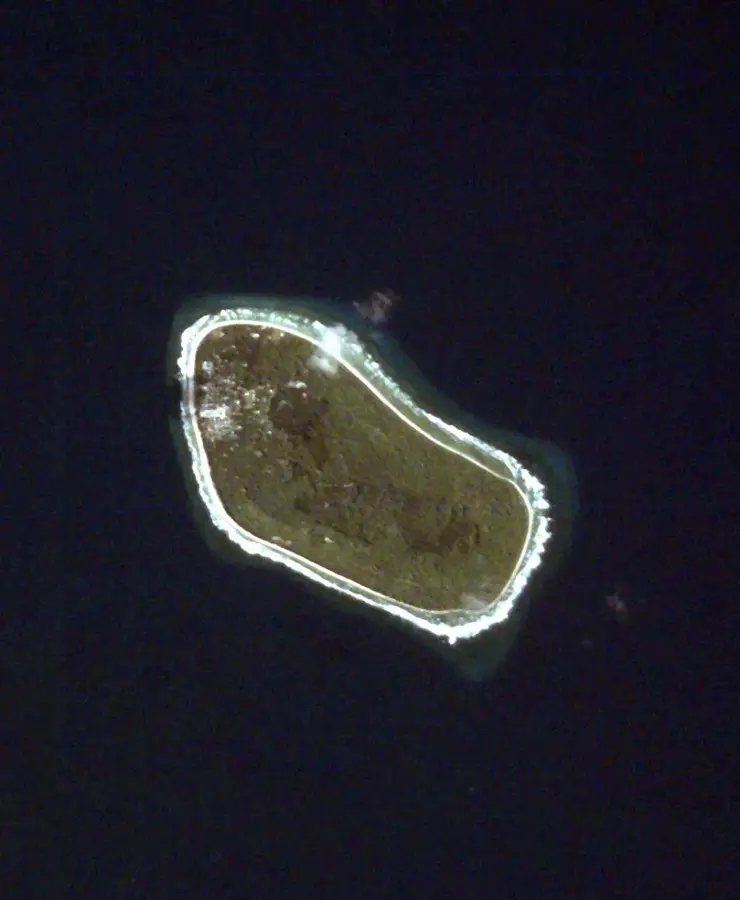
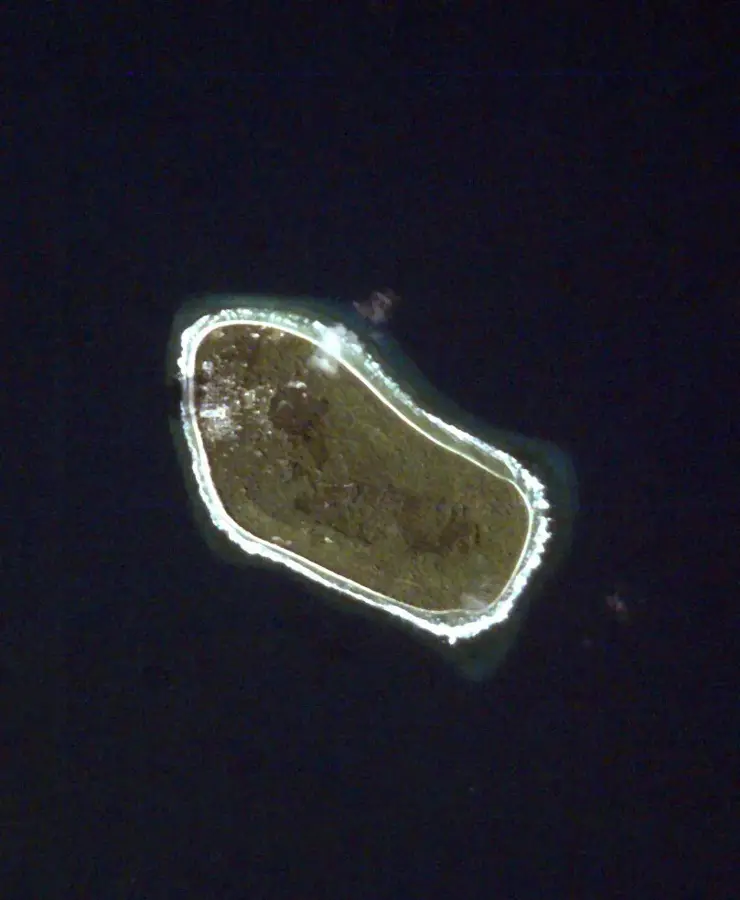
Kulia is the administrative center and one of the two villages on the island of Niutao, a circular reef island in central Tuvalu. Located on the western side of the island, the village is known for its highly organized communal structures and social cohesion. Life in Kulia is profoundly shaped by the island's isolation, leading to the preservation of archaic customs and a strong sense of community spirit. The residents are skilled fishermen who use traditional canoes to hunt in the deep Pacific waters surrounding the reef. In addition to marine resources, the cultivation of pulaka in large pits dug into the coral ground remains a vital source of nutrition. Kulia is centered around its church and the Falekaupule (community hall), where island elders make key decisions. The village's architecture features a mix of traditional thatched-roof 'fale' houses and modern concrete structures. Despite limited land resources, Kulia is an animated cultural center where the Tuvaluan language and Polynesian festivities are central to daily life.
Explore on the map
How well do you know Tuvalu?
Find cities, landscapes and regions in 10 varied challenges on the interactive map.
Your journey, your memory
A postcard from Kulia
Turn your own photo into a personal postcard with a local stamp. Free and no sign-up required.
Create a postcard- Location: Tuvalu
- Population: ~224 (2026)
Best time to visit & climate
The most pleasant time to visit is Aug–Oct.
| Jan | Feb | Mar | Apr | May | Jun | Jul | Aug | Sep | Oct | Nov | Dec | |
|---|---|---|---|---|---|---|---|---|---|---|---|---|
| Avg °C | 29 | 28 | 28 | 28 | 29 | 29 | 29 | 28 | 29 | 28 | 29 | 29 |
| Rain mm | 295 | 264 | 236 | 169 | 139 | 153 | 140 | 140 | 110 | 137 | 151 | 239 |
Geography
Facts
- Kulia is the primary village on Niutao, a reef island without a central lagoon.
- The Falekaupule in Kulia acts as the center for local legislative decisions.
- Niutao residents speak a unique regional variant of the Tuvaluan language.
- The village relies on hand-dug pits for the cultivation of staple pulaka crops.
- Traditional canoe making is still a respected skill among men in Kulia.
- The settlement provides basic healthcare and education for the whole island.
Explore nearby
Notable places around
Route planner — Car & Motorhome
Where do you start? We build the route here, with stops and country notes along the way.
© OpenStreetMap contributors · OpenRouteService
Sights in the town Kulia (1)
Frequently asked questions
What can you do in Kulia?
Is the area suitable for hiking?
Is there a medical center there?
Is English spoken there?
How is the weather usually?
Kulia: where is it located?
Kulia: when is the best time to visit?
Kulia: why is it worth visiting?
Nearby cities

History & landmarks
Nature

More places