Plizio Visual Lab
Alapi
ℹ️Practical info — Alapi
▾
🌤 Weather — 5 days
📍 Nearby
Sights nearby
💡 Tips
- Cash is essential; there are almost no ATMs on the island, so bring Australian dollars.
- Dress modestly outside of the immediate resort areas to respect local customs.
- Rent a scooter or bicycle to easily explore the entire Fongafale islet.
- Water conservation is crucial; be mindful of your usage as the island relies on rainwater.
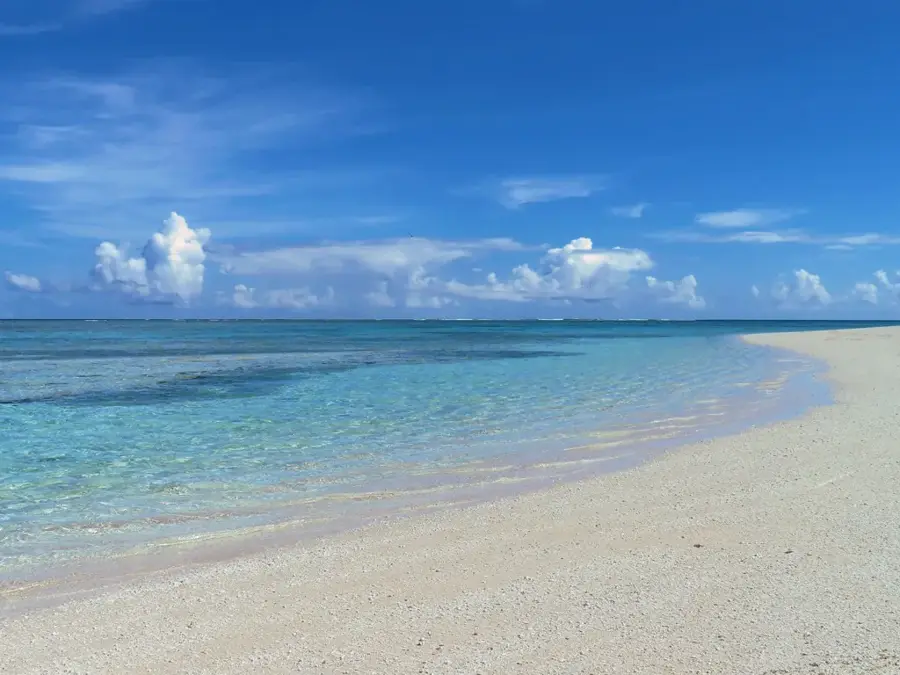
- Choose the lagoon side for swimming, as the ocean side can have strong currents.
🍽 Food
Taro leaves baked in coconut cream; found at local feasts and family-run guesthouses.
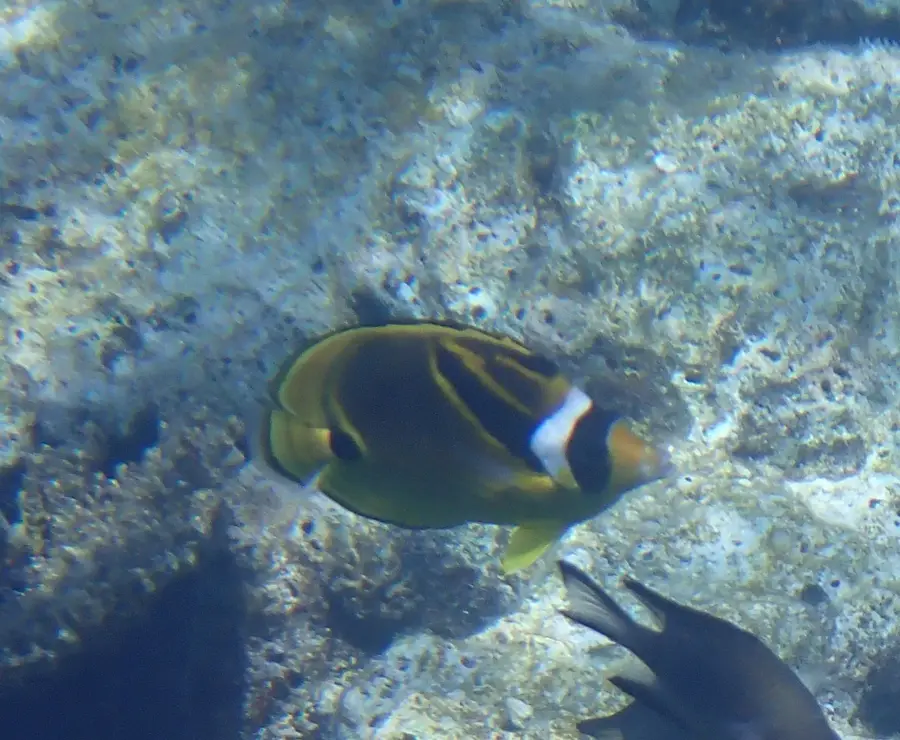
Locally caught; best enjoyed at small eateries near the lagoon.
Sweet sap from coconut blossoms; ask locals if they can share or sell some.
🛍 Shopping · 🧘 Quiet spots
Woven mats and fans; available at the women's handicraft center in nearby Vaiaku.
The Tuvalu Philatelic Bureau is a unique spot for collectors, just a short walk away.
Calm waters great for a quiet afternoon stroll.
Locals gather here for sports and relaxation when there are no flights.
Water temperature…
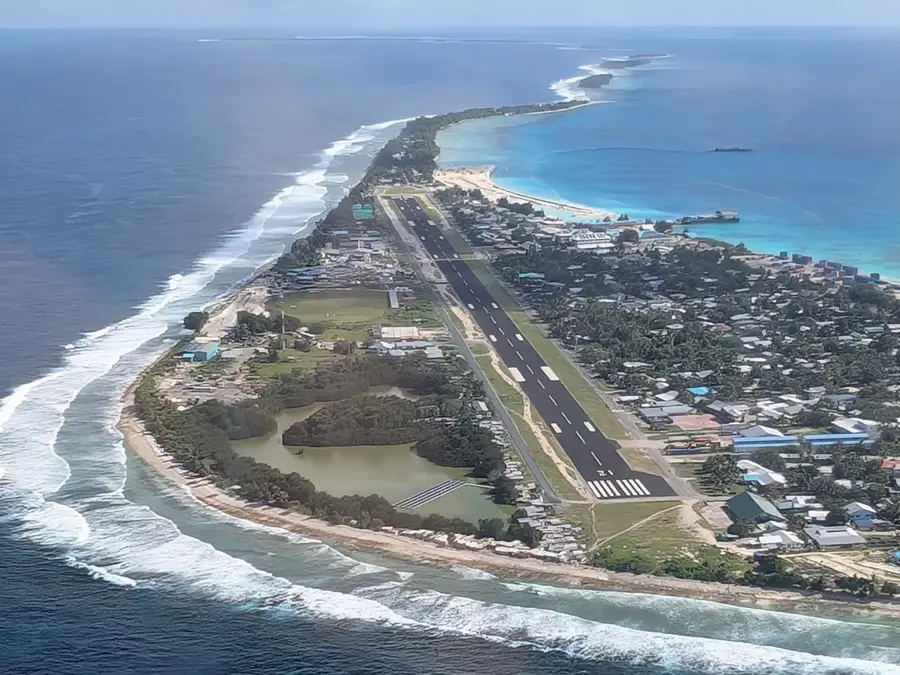
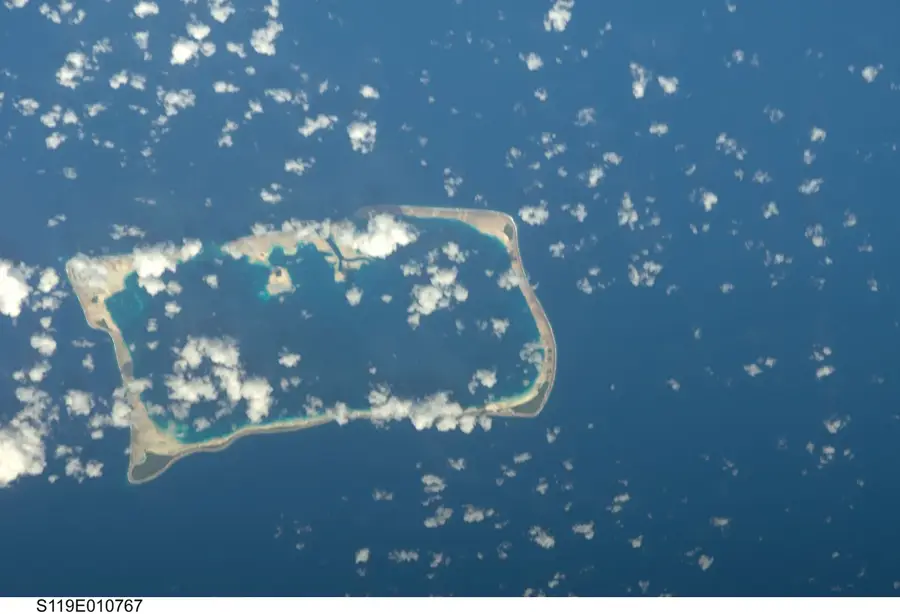
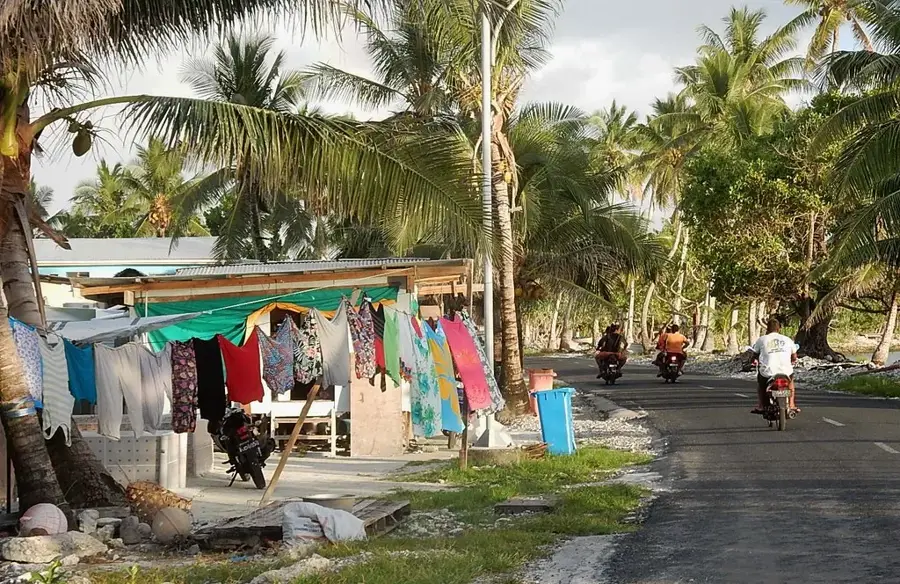
Alapi is a central village on Fongafale islet within Funafuti Atoll, the capital of Tuvalu. It is situated immediately south of the administrative hub of Vaiaku and forms an essential part of the urban core of Funafuti. Alapi is characterized by high population density and a blend of traditional residential homes and modern infrastructure. The village plays an important role in local community organization and is well-known for its bustling cultural life, particularly its participation in inter-atoll Fatele dance competitions. Geographically, Alapi spans the entire width of the narrow islet, stretching from the lagoon side to the open ocean coast. Due to its central location, residents have direct access to the capital's main services but are also significantly impacted by land scarcity and environmental challenges. Alapi is home to several small shops and church facilities that form the backbone of daily life. Its close integration with neighboring villages makes Alapi an integral part of Tuvalu's socio-economic dynamic.
Explore on the map
How well do you know Tuvalu?
Find cities, landscapes and regions in 10 varied challenges on the interactive map.
Your journey, your memory
A postcard from Alapi
Turn your own photo into a personal postcard with a local stamp. Free and no sign-up required.
Create a postcard- Location: Tuvalu
- Highlights: Kingdom Hall of Jehovah's Witnesses Tuvalu · Baha'i Center · Seventh Day Adventist Church
- Nearby: Amatuku (8 km)
- Population: ~516
Best time to visit & climate
The most pleasant time to visit is Apr, May, Sep.
| Jan | Feb | Mar | Apr | May | Jun | Jul | Aug | Sep | Oct | Nov | Dec | |
|---|---|---|---|---|---|---|---|---|---|---|---|---|
| Avg °C | 29 | 28 | 28 | 28 | 29 | 29 | 28 | 28 | 28 | 28 | 29 | 29 |
| Rain mm | 326 | 310 | 238 | 161 | 159 | 165 | 174 | 168 | 142 | 186 | 225 | 277 |
Geography
Facts
- Alapi is among the most densely populated residential areas in Tuvalu.
- The village is located on Fongafale islet in the capital atoll of Funafuti.
- It is situated directly adjacent to the government center in Vaiaku.
- Alapi spans the width of the islet from the lagoon to the ocean side.
- Traditional Fatele dance groups from Alapi are famous nationwide.
- The village is a key participant in Funafuti's local community events.
Explore nearby
Notable places around
Route planner — Car & Motorhome
Where do you start? We build the route here, with stops and country notes along the way.
© OpenStreetMap contributors · OpenRouteService
Sights in the town Alapi (6)
Funafuti Chapel
Christian chapel in Alapi, Tuvalu. Used for services and religious ceremonies.
Teone Church
Church in Vaiaku, Tuvalu. Place of worship for the local Christian community.
Frequently asked questions
Is Alapi touristically developed?
How is the food supply?
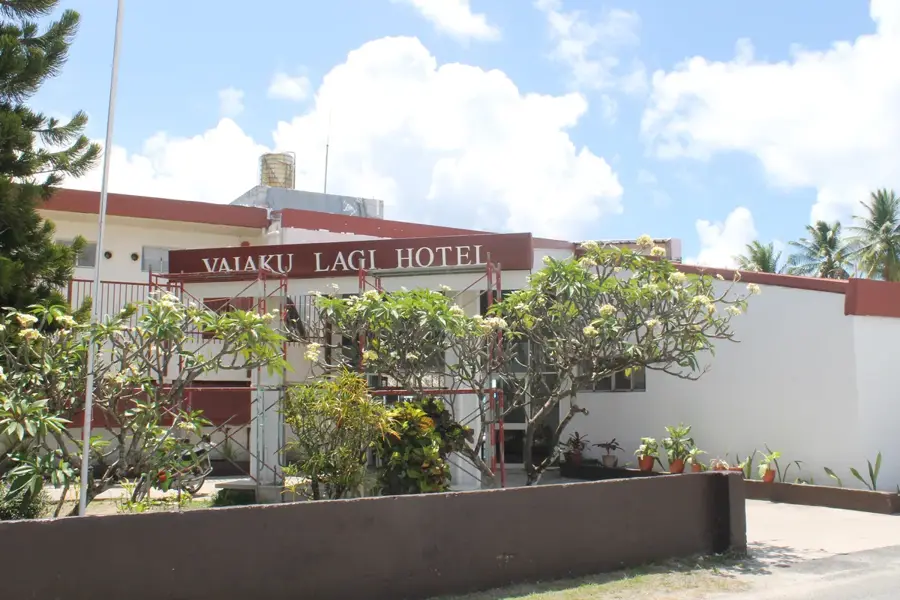
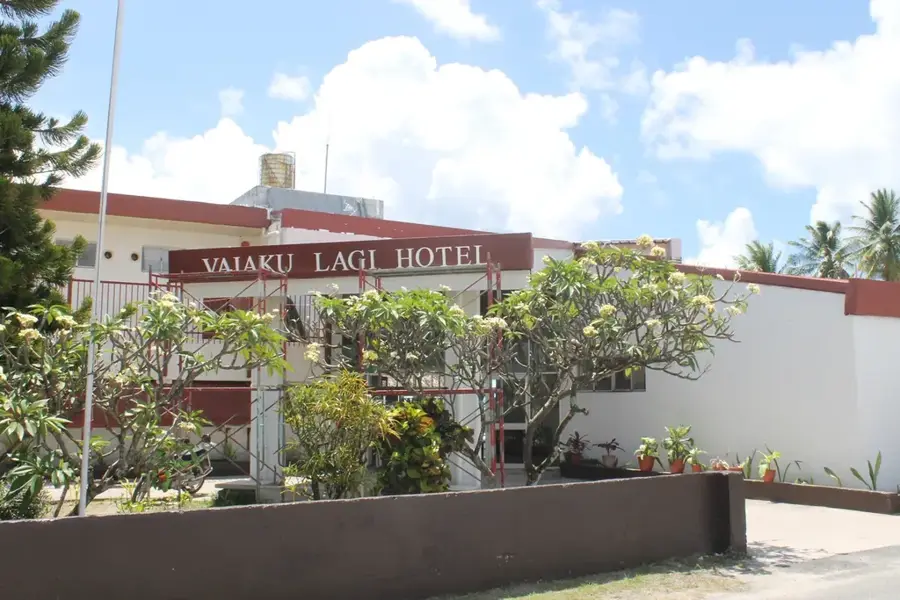
Is there a hotel there?
Is fishing allowed there?
Is it a destination for those seeking peace?
Alapi: where is it located?
Alapi: what is there to see?
Alapi: when is the best time to visit?
Alapi: why is it worth visiting?
Nearby cities

History & landmarks

Nature

More places