Plizio Visual Lab
Zacapa
ℹ️Practical info — Zacapa
▾
🌤 Weather — 5 days
📍 Nearby
Sights nearby
💡 Tips
- Zacapa is known for its intense heat; stay hydrated and seek shade during midday.
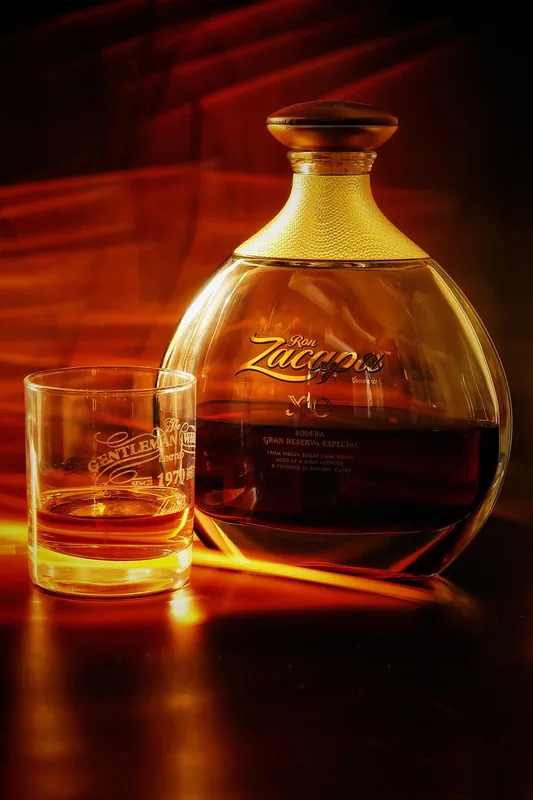
- Although famous for Ron Zacapa, the rum is aged in the highlands, not here, but you can still buy it locally.
- The local culture has a strong cowboy (ganadero) influence.
- Tuk-tuks are the best way to navigate the narrow and busy central streets.
🍽 Food
A unique sweet cheese cake made with rice flour and local cheese, found in traditional bakeries.
Cassava served with fried pork belly, a popular street food and lunch dish.
Due to its cattle-ranching heritage, local steakhouses (churrascarías) offer excellent grilled beef.
🛍 Shopping · 🧘 Quiet spots
Buy locally produced cheeses like queso seco from vendors at the central market.
Handcrafted leather belts and boots are local specialties found in artisan shops.
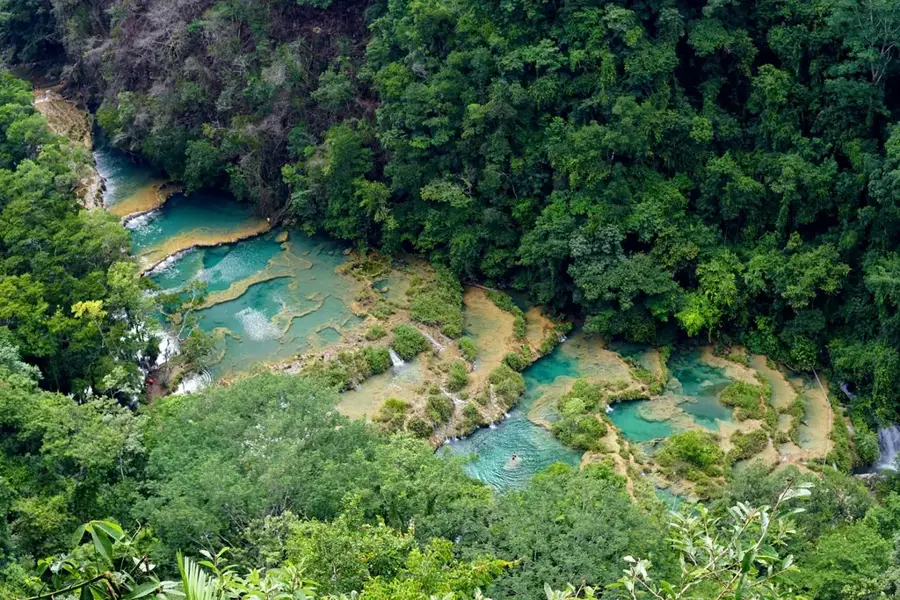
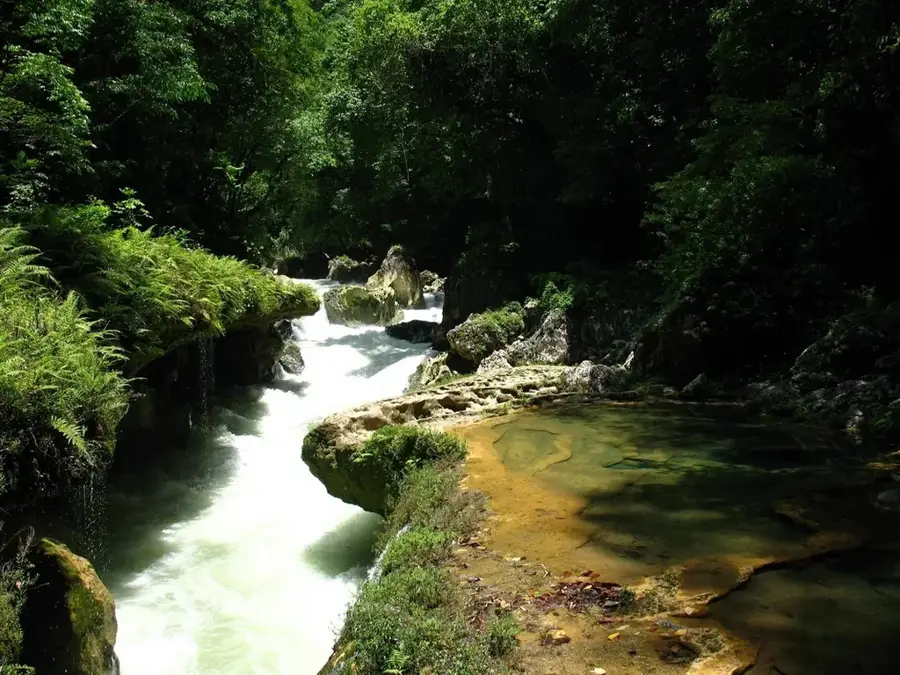
Take a short trip out of town to these natural pools for a refreshing and calm escape.
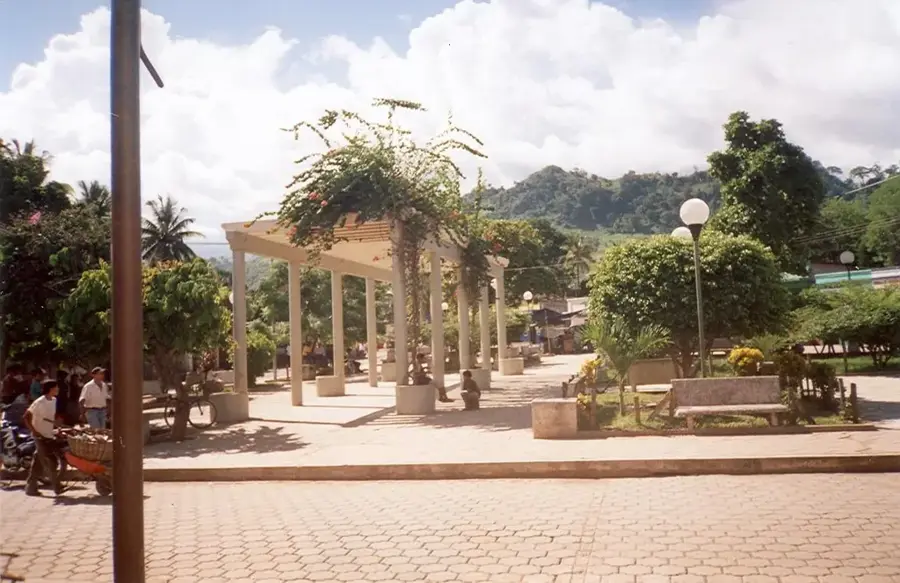
A shaded square where locals gather in the late afternoon as the temperature drops.
Water temperature…
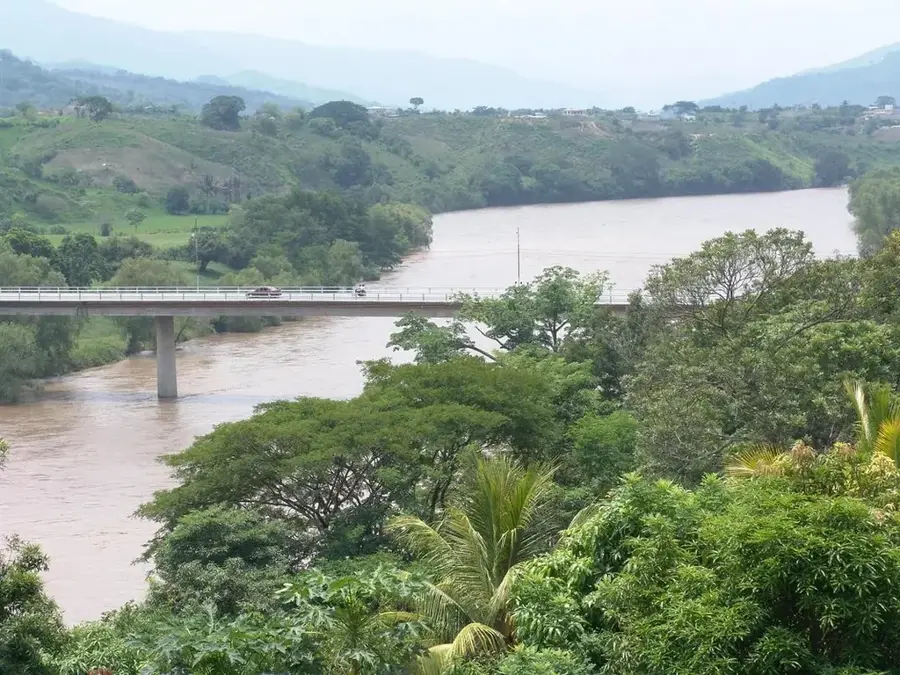
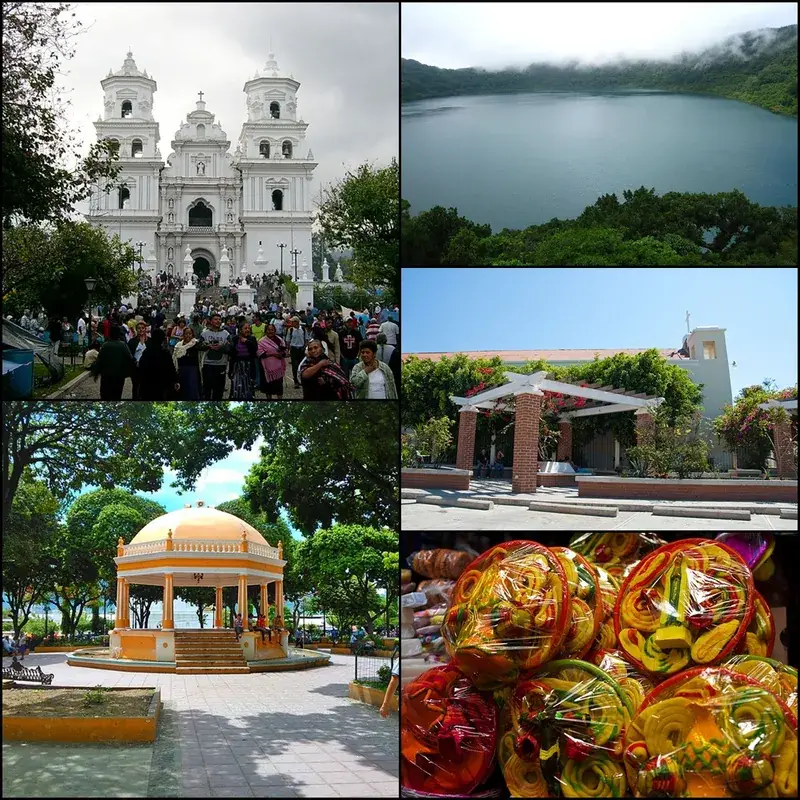
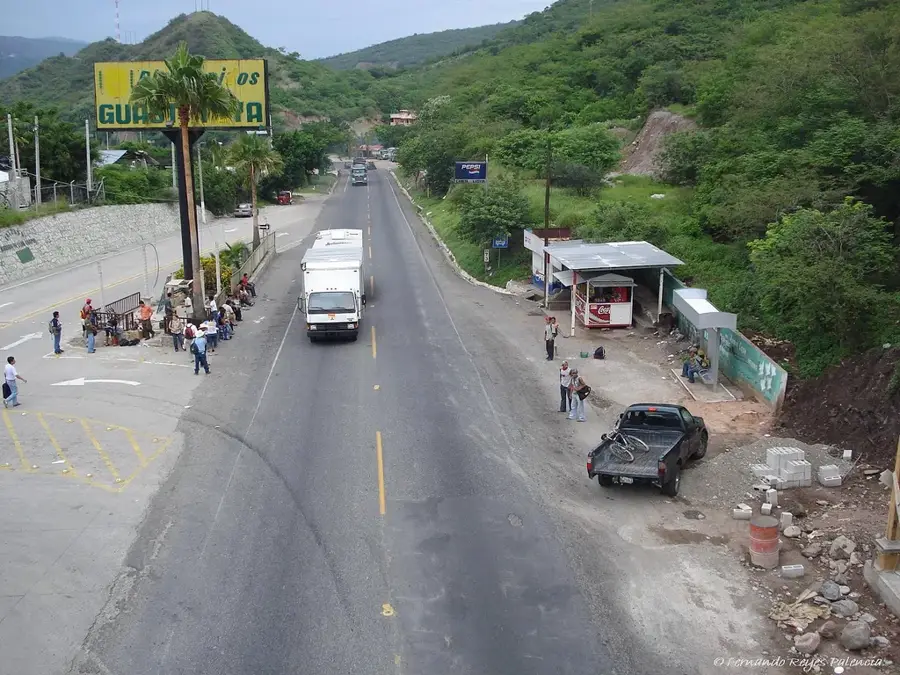
Zacapa is a significant urban center and the capital of the Zacapa Department in eastern Guatemala, strategically positioned along the banks of the Motagua River. Unlike the lush, volcanic highlands that dominate much of the country, Zacapa is situated in a rain shadow, resulting in a semi-arid climate characterized by dry forests and scrubland. This unique environment has shaped the region's agricultural output, making it a powerhouse for tobacco, melon, and tomato production through advanced irrigation techniques. The city's growth was accelerated in the late 19th century by its selection as a primary station for the Interoceanic Railroad, connecting the Caribbean port of Puerto Barrios with Guatemala City. This railway legacy brought waves of immigrants from Europe and the Middle East, contributing to a unique demographic blend that defines the local identity today. Often referred to as the "Cradle of Culture," Zacapa has long been an intellectual hub, producing influential writers and politicians. One of the area's most famous exports is the internationally acclaimed Ron Zacapa, a premium rum that carries the city's name to global markets. For history and science enthusiasts, the nearby Museum of Paleontology in Estanzuela houses one of the most important collections of Ice Age fossils in Central America, discovered in the surrounding valley. The city also acts as a crucial logistical link on the CA-9 highway, the nation's busiest commercial artery. Urban life revolves around its central plazas and the historic railway station, which serves as a reminder of the industrial boom that transformed Zacapa into a modern provincial capital. The local economy is further bolstered by a thriving dairy industry, with its specialized cheeses being a staple of Guatemalan cuisine. Despite the challenging temperatures, the city's animated markets and educational institutions make it a focal point for regional development and social interaction.
Explore on the map
How well do you know Guatemala?
Find cities, landscapes and regions in 10 varied challenges on the interactive map.
Your journey, your memory
A postcard from Zacapa
Turn your own photo into a personal postcard with a local stamp. Free and no sign-up required.
Create a postcard- Location: Guatemala
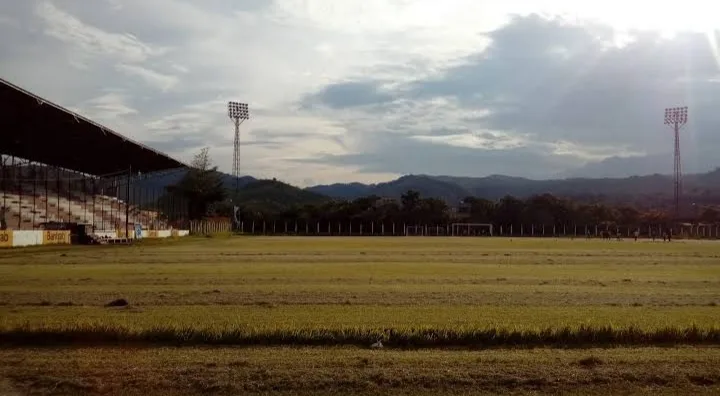
- Highlights: David Ordoñez Bardales Stadium · Zacapa Department
- Nearby: Gualán (26 km)
- Population: ~60.424 (2025)
Best time to visit & climate
The most pleasant time to visit is Feb, Mar, Dec.
| Jan | Feb | Mar | Apr | May | Jun | Jul | Aug | Sep | Oct | Nov | Dec | |
|---|---|---|---|---|---|---|---|---|---|---|---|---|
| Avg °C | 20 | 21 | 23 | 25 | 25 | 24 | 23 | 23 | 23 | 22 | 21 | 20 |
| Rain mm | 58 | 45 | 38 | 43 | 133 | 200 | 171 | 193 | 223 | 169 | 101 | 63 |
Geography
Facts
- Zacapa was officially designated as a department capital on November 10, 1876.
- The city sits at an elevation of 120 meters (394 feet) in the Motagua River valley.
- It experiences some of the highest temperatures in Guatemala, often exceeding 40°C.
- The region is a major producer of 'Queso de Zacapa', a distinct dry, salty cheese.
- The Museum of Paleontology in nearby Estanzuela was founded in 1974.
- Zacapa's railway station was a vital junction for the International Railways of Central America.
- The city is a major transit point for goods traveling between the capital and the Atlantic.
- The surrounding landscape is dominated by columnar cacti and dry-climate vegetation.
Explore nearby
Notable places around
Route planner — Car & Motorhome
Where do you start? We build the route here, with stops and country notes along the way.
© OpenStreetMap contributors · OpenRouteService
Sights in the town Zacapa (2)
Frequently asked questions
What is the most famous product from Zacapa?
Are there museums in Zacapa?
How hot does it get in Zacapa?
What is a 'Quesadilla Zacapaneca'?
What is the landscape like around Zacapa?
Zacapa: where is it located?
Zacapa: what is there to see?
Zacapa: when is the best time to visit?
Zacapa: why is it worth visiting?

Nearby cities
History & landmarks
Nature
More places