Plizio Visual Lab

Motagua Valley
Plizio editorial teamData Sources
Relief
—°
Motagua Valley (Guatemala)

Weather…

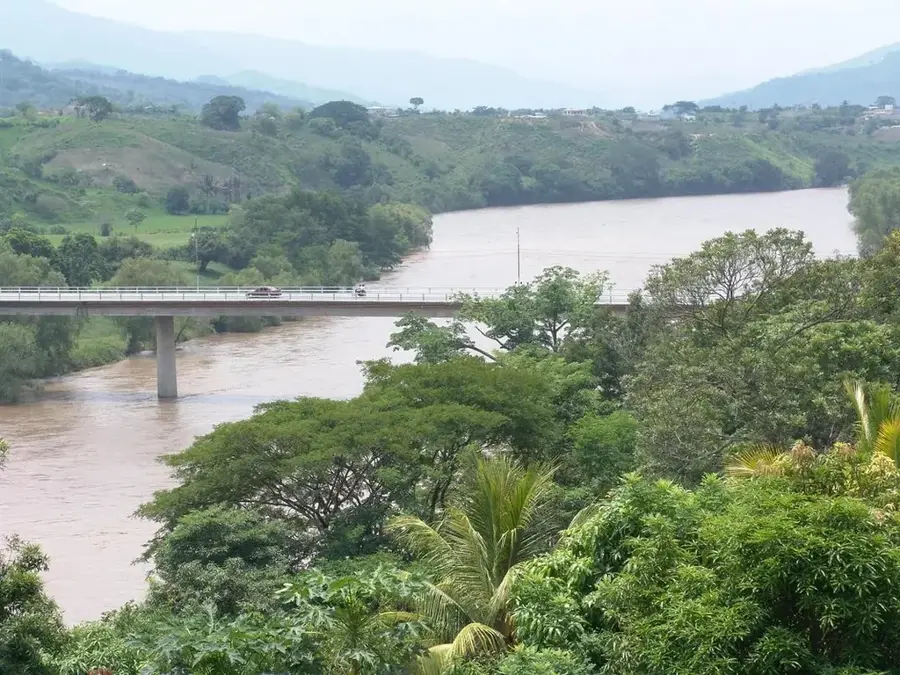
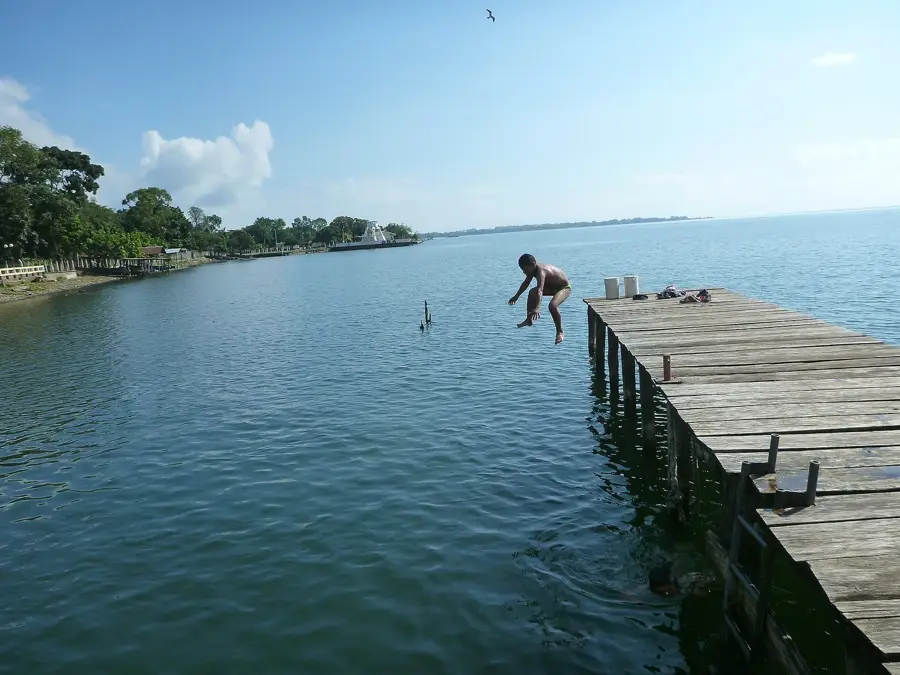
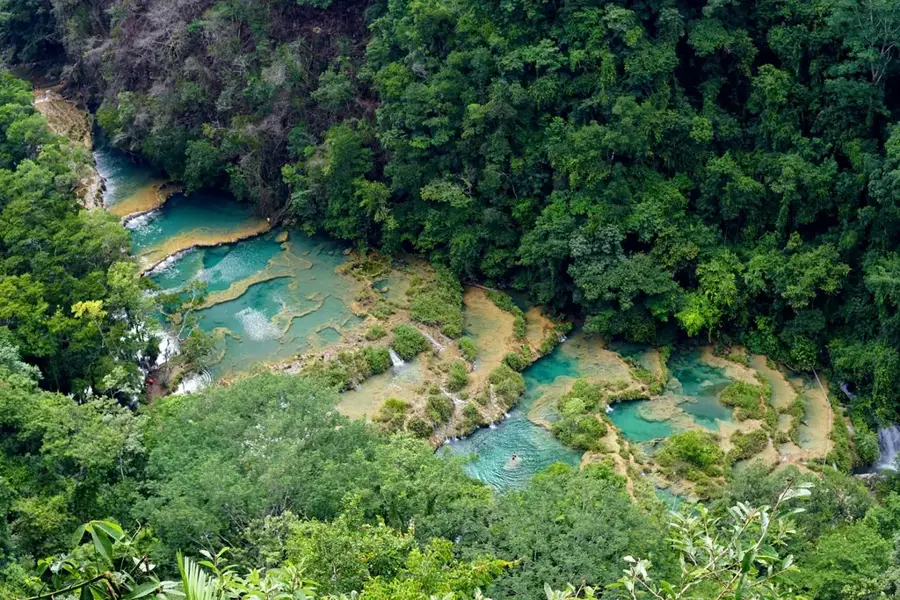
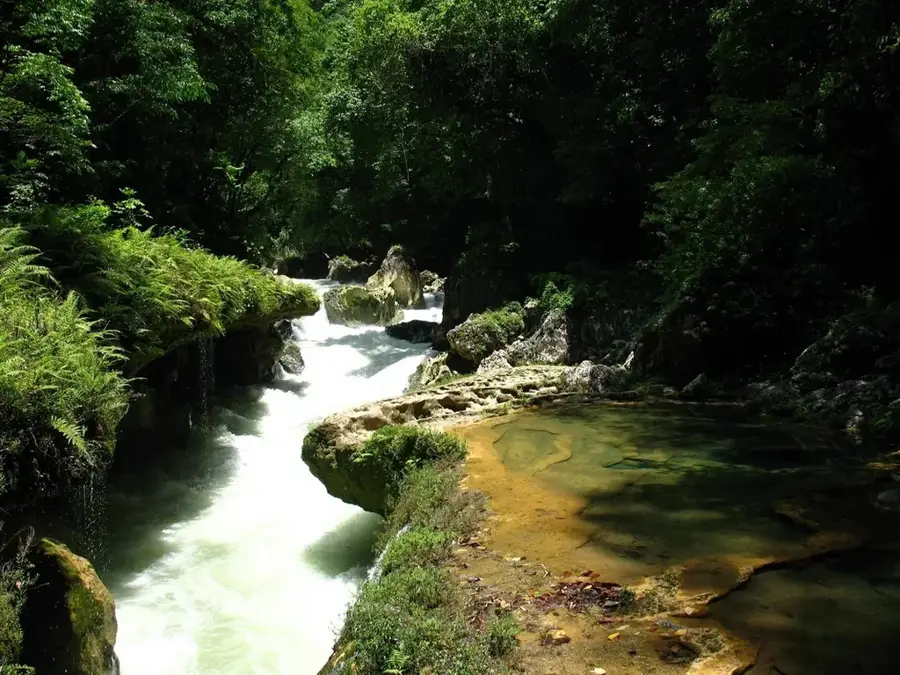
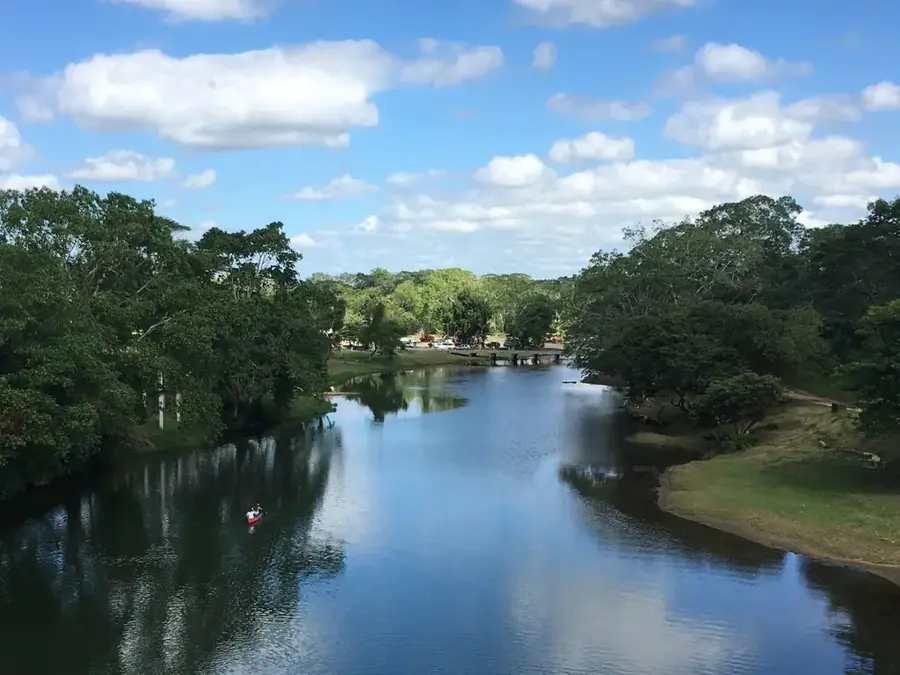
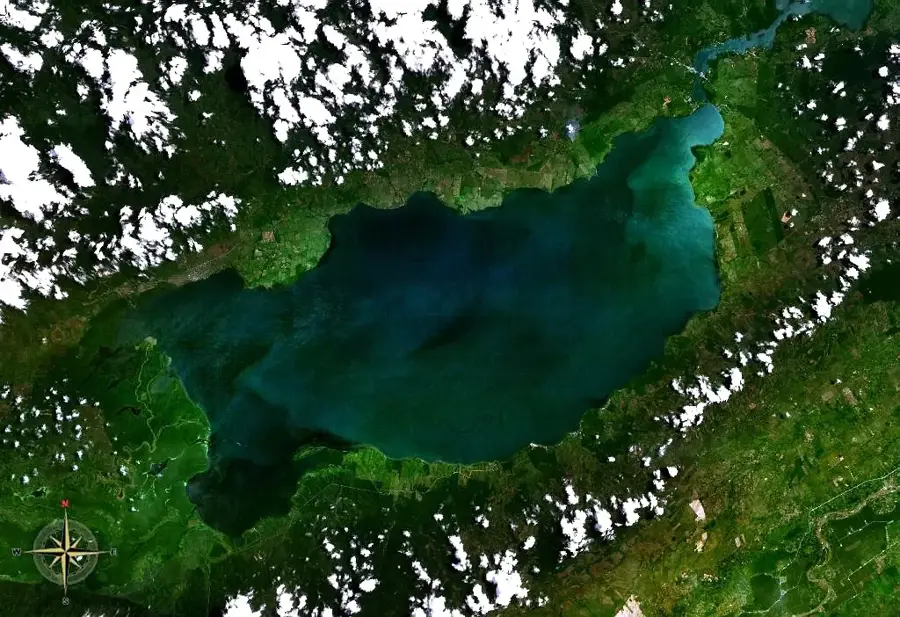
The Motagua Valley is a major geological and geographical depression in eastern Guatemala, formed by the course of the Motagua River. The valley marks the tectonic boundary between the North American and Caribbean plates, known as the Motagua Fault. This geological feature makes the region one of the most seismically active zones in the country. The climate within the valley varies significantly; while the western portion is semi-arid, characterized by cacti and thorn scrub, the eastern part towards the Caribbean is humid and tropical. Historically, the valley was of invaluable importance to the Maya civilization as it was the only significant source of jadeite in Mesoamerica. Today, the Motagua Valley is an important agricultural hub, producing bananas, melons, and tobacco for export. Scientists study the complex movements of the continental plates and the rich mineralogy of the region here.

Best time to visit & climate

The most pleasant time to visit is Feb, Mar, Dec.

JanFebMarAprMayJunJulAugSepOctNovDec
Avg °C202123252524232323222120
Rain mm5845384313320017119322316910163

📋 Practical info

🧭
Getting there
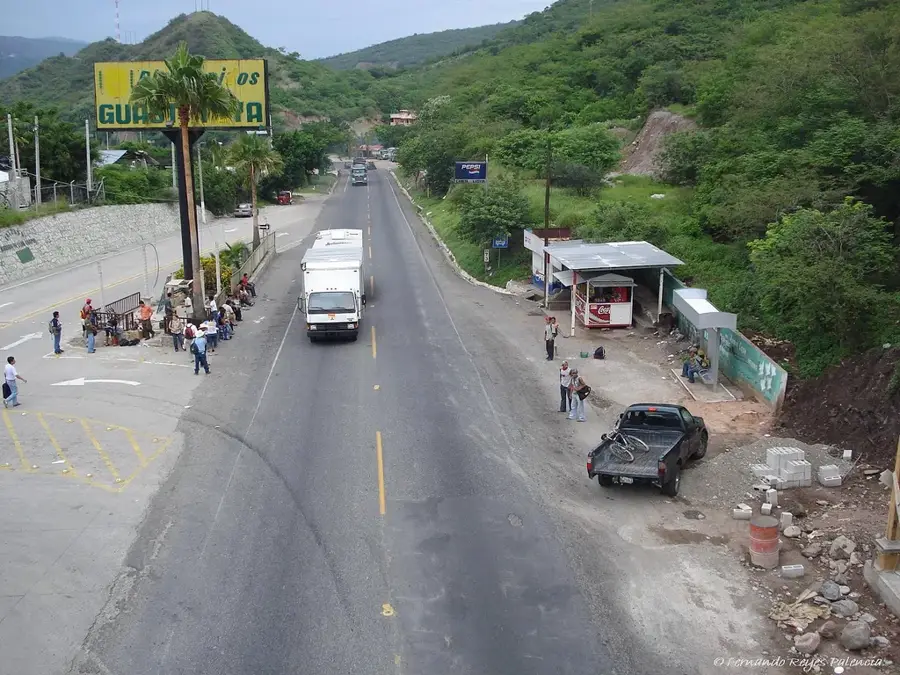
The Motagua Valley runs through eastern Guatemala and is primarily accessed via the CA-9 highway, which connects Guatemala City with the Atlantic coast. Travelers usually reach various points of the valley by car or regional buses, using local hubs like El Progreso or Gualán as starting points for exploring specific sections of this geologically significant region.
📅
Best season
The valley has a varied tropical climate, with the dry season from November to April being the easiest time for exploration and road travel. During the rainy season, some rural tracks can become difficult to navigate, and the humidity levels rise, but the landscape remains lush and green, offering a different but beautiful perspective of the river basin.
⛰️
Terrain & paths
The terrain follows the Motagua River and is characterized by a mix of fertile plains, rugged hills, and significant geological features related to the fault line. Elevation varies as you move along the valley, providing a mix of easy flat areas near the river and more challenging inclines when exploring the surrounding ridges and hillsides.
🎒
What to bring
Lightweight tropical clothing and sun protection are essential for the warm climate of the valley. Sturdy walking shoes are recommended for exploring natural sites, and a camera with a good zoom lens is useful for capturing both the geological features and the diverse flora and fauna that thrive along the banks of the Motagua River.
🅿️
Parking
Parking is generally available in the towns located along the CA-9 highway or at specific visitor centers for archeological or geological sites within the valley. It is advisable to use designated parking areas in urban centers or supervised lots near major attractions to ensure the safety of your vehicle while you are away exploring the more remote sections.
⚠️
Safety
Flash floods can occur near the Motagua River during heavy rains, so visitors should be cautious when exploring low-lying areas during the wet season. High humidity and heat are also significant factors; staying well-hydrated and wearing breathable fabrics will help prevent heat-related issues while traversing the varied terrain of the valley.
⏱️
Time needed
A typical exploration of specific sites within the valley usually takes 3 to 5 hours, providing enough time for geological observation and enjoying the river scenery. For those interested in a more comprehensive tour of the region, including archeological sites like Quiriguá, a full-day trip of 8 to 10 hours is often more appropriate.

Geography

Coordinates
15.00000, -89.50000

Facts

  • The Motagua River is the longest in Guatemala at 486 km.
  • The valley lies directly on the boundary between two tectonic plates.
  • It is the world's most significant source of jadeite jade.
  • Annual rainfall varies from 500 mm to over 2,000 mm within the valley.
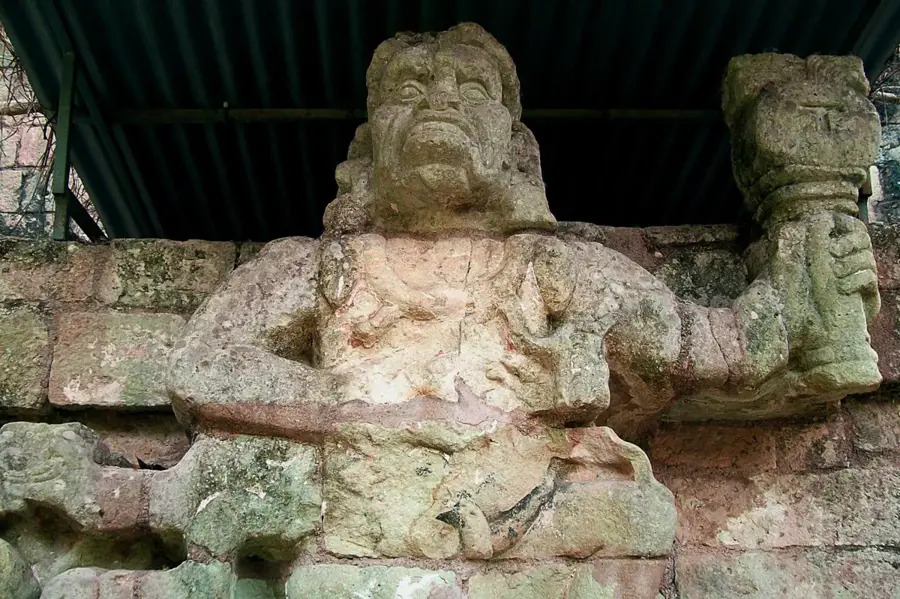
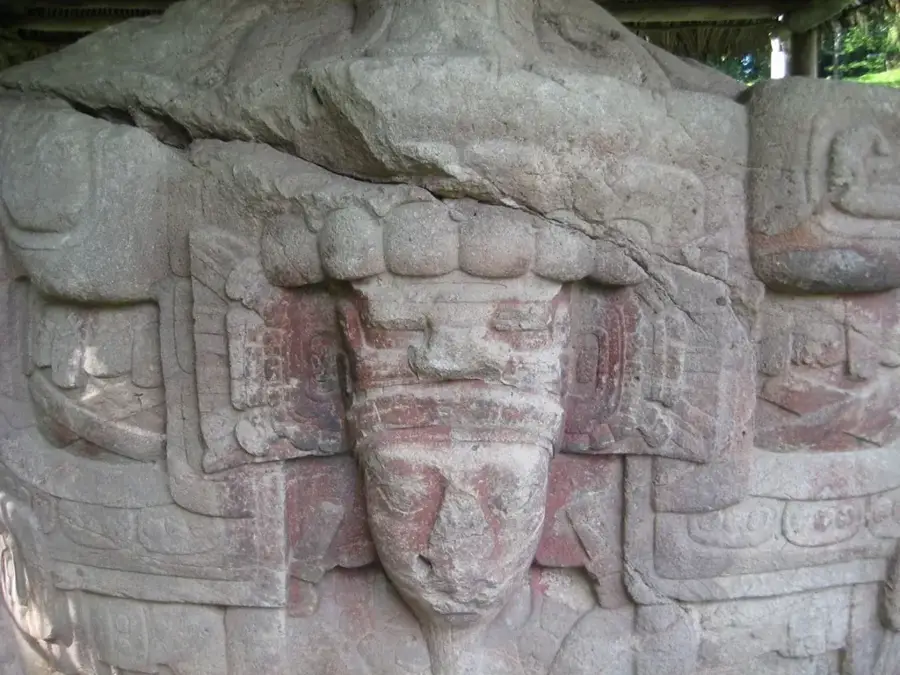
  • Archaeological sites such as Quiriguá are located in this valley.
  • The 1976 earthquake had its epicenter in the Motagua Fault.

Explore nearby

Notable places around
Route planner — Car & Motorhome

Where do you start? We build the route here, with stops and country notes along the way.

Vehicle
Only stops with (optional):

© OpenStreetMap contributors · OpenRouteService

Sights nearby

Frequently asked questions

What is the Motagua Valley?
A long valley formed by the Motagua River, marking a major tectonic fault line.
What is the valley known for?
It is world-renowned for its jade deposits, which were already used by the Maya.
What is the climate in the valley?
It is one of the hottest and driest regions in Guatemala with thorny scrub vegetation.
Are there museums there?
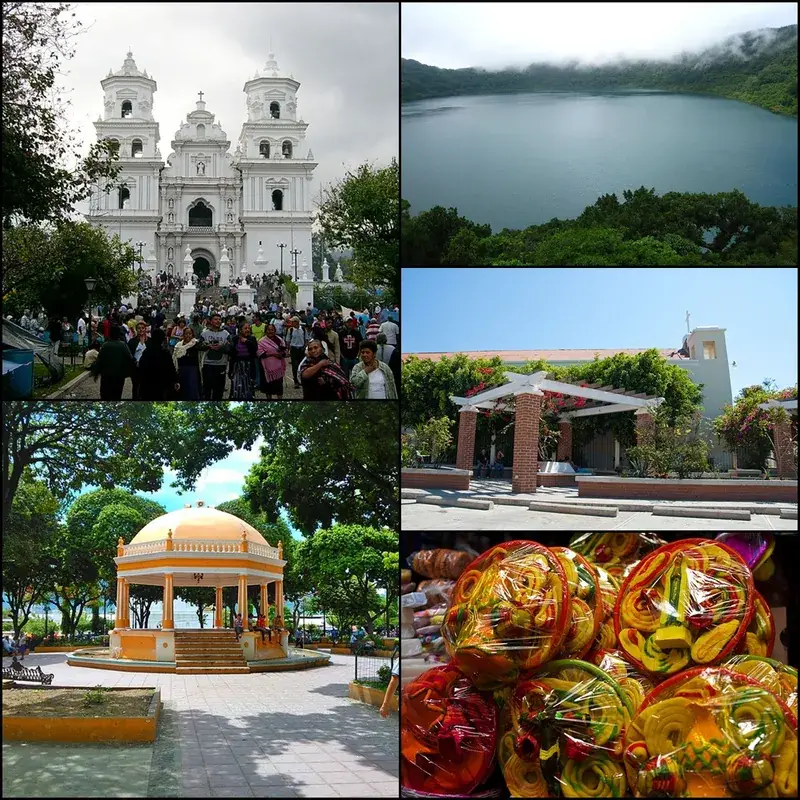
Yes, the Paleontological Museum in Estanzuela displays impressive mastodon fossils from the valley.
What archaeological sites are located here?
Quiriguá, with its giant stelae, is the most significant Maya site in this valley.
Motagua Valley: where is it located?
Motagua Valley is located in Guatemala.
Motagua Valley: when is the best time to visit?
The most pleasant time to visit is Feb, Mar, Dec.
Motagua Valley: why is it worth visiting?

The Motagua Valley is a major geological and geographical depression in eastern Guatemala, formed by the course of the Motagua River.
View on map → The Top 50 Attractions → OpenStreetMap →
North America
Explore with Plizio Discover more places in North America
More places in Guatemala →

Nearby cities

History & landmarks
Nature
More places