Plizio Visual Lab
Maya Genocide
Weather…
Water temperature…
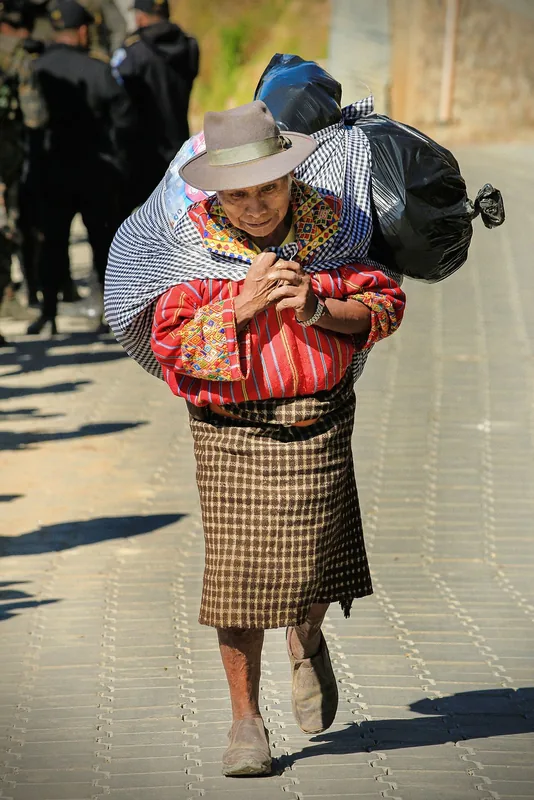
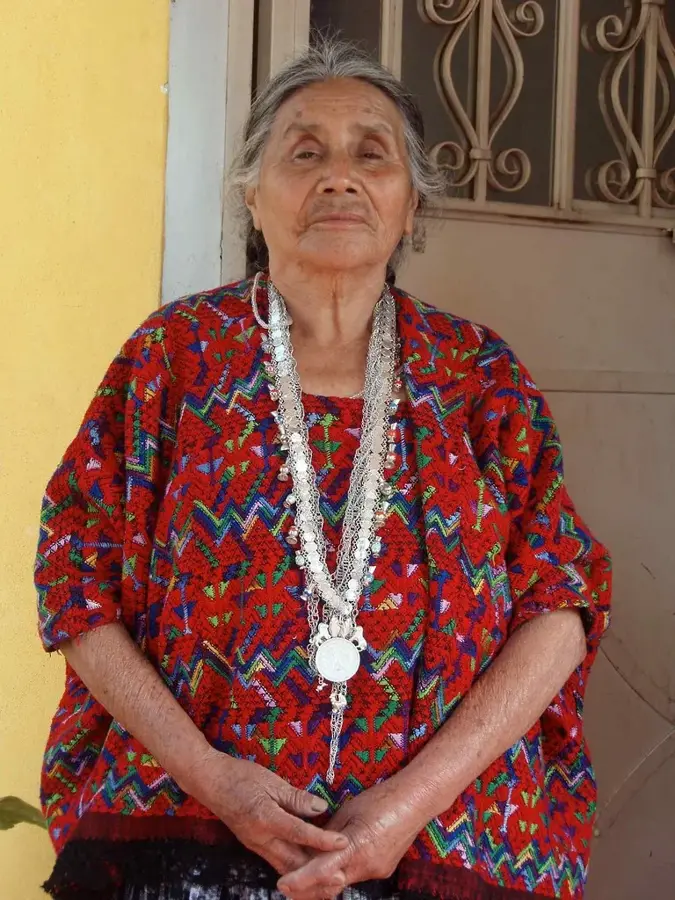
The Maya Genocide refers to the systematic mass killing of indigenous Maya people during the Guatemalan Civil War (1960-1996), peaking under the regime of General Efraín Ríos Montt in the early 1980s. The military employed a 'scorched earth' policy, destroying hundreds of villages and murdering thousands of civilians under the guise of counter-insurgency operations. The Ixil Maya population in the Quiché Department was particularly targeted, suffering horrific atrocities that were later classified as genocidal acts. A UN-backed commission estimated that over 200,000 people were killed or disappeared during the conflict, with 83% of the victims being of indigenous descent. In 2013, Ríos Montt became the first former head of state to be convicted of genocide in his own country, although the verdict was later overturned amid controversy. This dark period remains a profound trauma for Guatemalan society, and the pursuit of legal and historical justice continues to this day.
Explore on the map
How well do you know Guatemala?
Find cities, landscapes and regions in 10 varied challenges on the interactive map.
Your journey, your memory
A postcard from Maya Genocide
Turn your own photo into a personal postcard with a local stamp. Free and no sign-up required.
Create a postcard- Location: Guatemala
- Nearby: San Juan Cotzal (4 km)
Best time to visit & climate
The most pleasant time to visit is Feb–Apr.
| Jan | Feb | Mar | Apr | May | Jun | Jul | Aug | Sep | Oct | Nov | Dec | |
|---|---|---|---|---|---|---|---|---|---|---|---|---|
| Avg °C | 14 | 15 | 17 | 19 | 19 | 18 | 17 | 17 | 17 | 17 | 15 | 14 |
| Rain mm | 12 | 9 | 20 | 46 | 165 | 279 | 189 | 258 | 321 | 232 | 50 | 15 |
📋 Practical info
Geography
Facts
- More than 600 separate massacres were documented during the conflict.
- The year 1982 is regarded as the deadliest period of the genocide.
- A UN-backed commission (CEH) officially labeled the acts as genocide in 1999.
- Thousands of Maya refugees fled across the border to Mexico in the 1980s.
- Rigoberta Menchú won the Nobel Peace Prize in 1992 for her advocacy.
- Approximately 1.5 million people were internally displaced by the violence.
Explore nearby
Notable places around
Route planner — Car & Motorhome
Where do you start? We build the route here, with stops and country notes along the way.
© OpenStreetMap contributors · OpenRouteService
Sights nearby
Frequently asked questions
What is meant by the Maya Genocide?
When was the most violent phase?
Where can victims be commemorated today?
Was anyone convicted for these crimes?
How many people died in total?
Maya Genocide: where is it located?
Maya Genocide: when is the best time to visit?
Maya Genocide: why is it worth visiting?
Nearby cities
History & landmarks
Nature
More places