Plizio Visual Lab
Santa Cruz del Quiché
ℹ️Practical info — Santa Cruz del Quiché
▾
🌤 Weather — 5 days
📍 Nearby
Sights nearby
💡 Tips
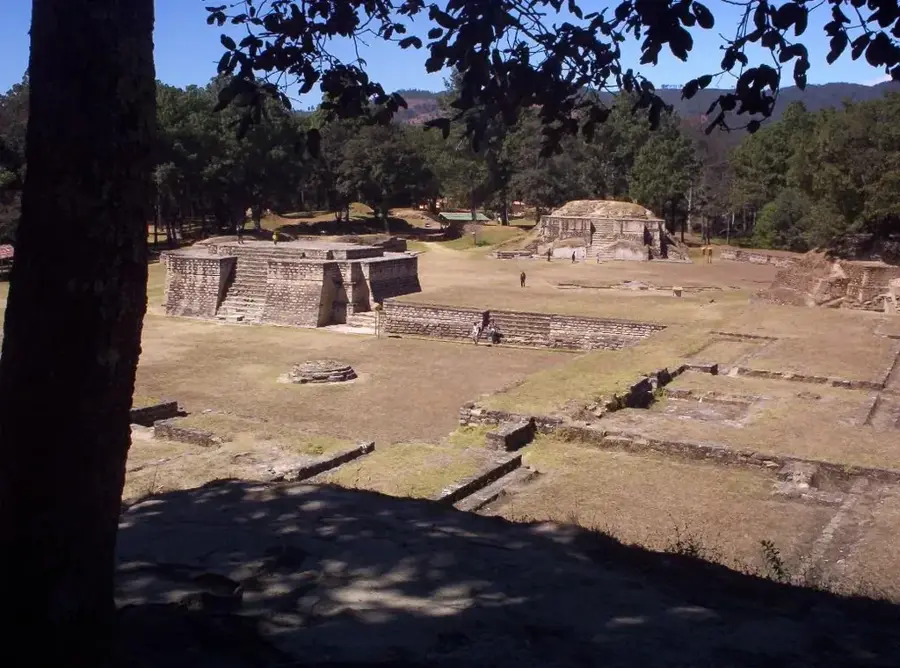
- Visit the ancient ruins of Q'umarkaj (Utatlán) early in the morning for a serene experience and fewer crowds.
- The central market is most active and spirited on Thursdays and Sundays.
- The city sits at a high altitude, so mornings and evenings can be quite chilly; bring layers.
- Always be respectful of local Mayan ceremonies, which are frequently held at the Q'umarkaj ruins.
- Colectivos (minivans) are the cheapest and most frequent transport to nearby villages like Chichicastenango.
🍽 Food
A hearty, traditional hen soup, great for warming up in the cool climate. Best at market food stalls.
A regional Maya delicacy made of cornmeal wrapped in squash leaves, served with a tomato and pepita sauce.
Traditional, thick Mayan-style hot chocolate is widely available and great for breakfast.
🛍 Shopping · 🧘 Quiet spots
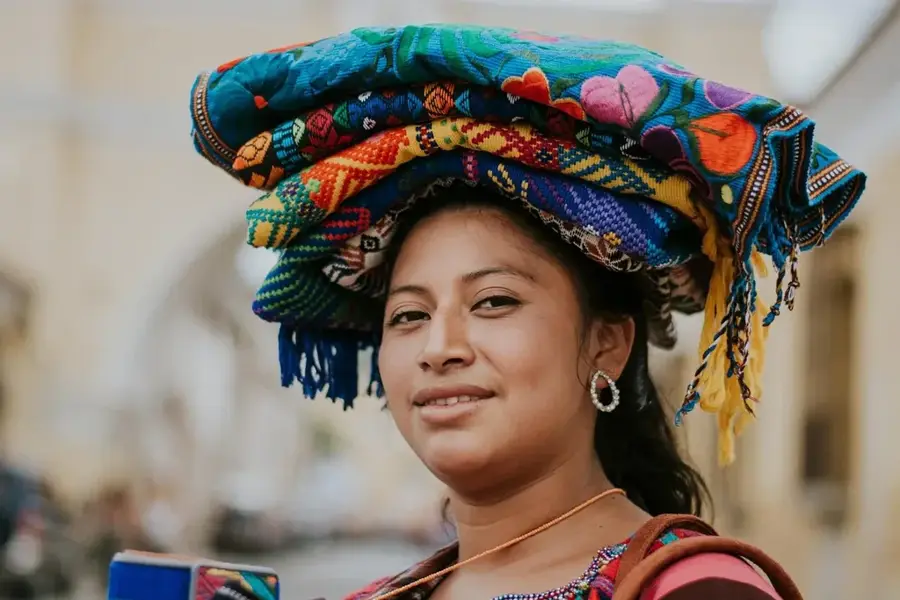
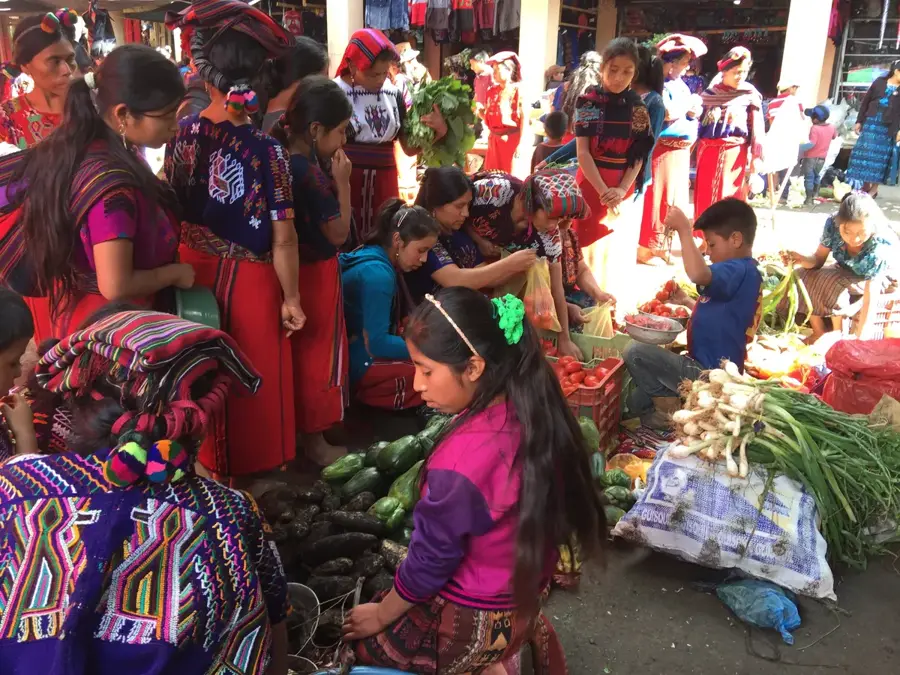
Explore the massive central market for K'iche' textiles, everyday goods, and fresh produce.
Small stalls near the ruins sell traditional copal incense and small artisanal souvenirs.
The area around the ancient ruins is surrounded by a peaceful pine forest, excellent for quiet reflection.
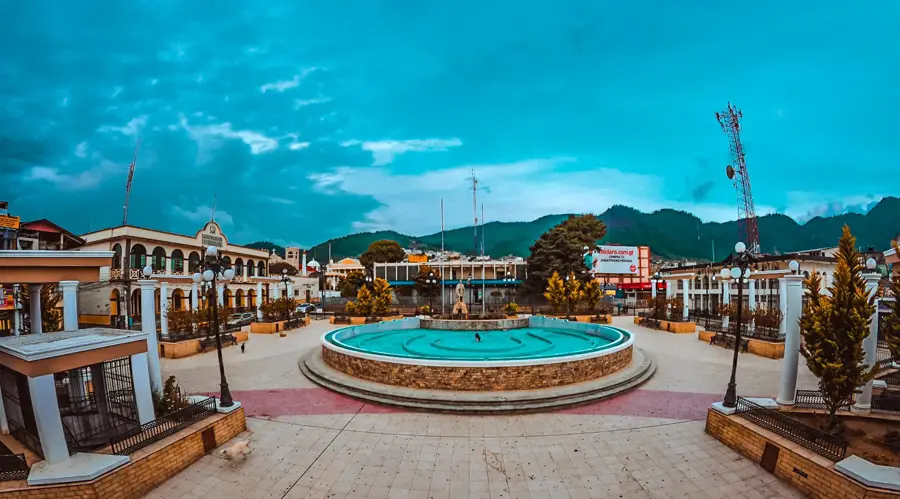
Sit by the clock tower in the main square to enjoy a relatively calm moment in the city center.
Water temperature…
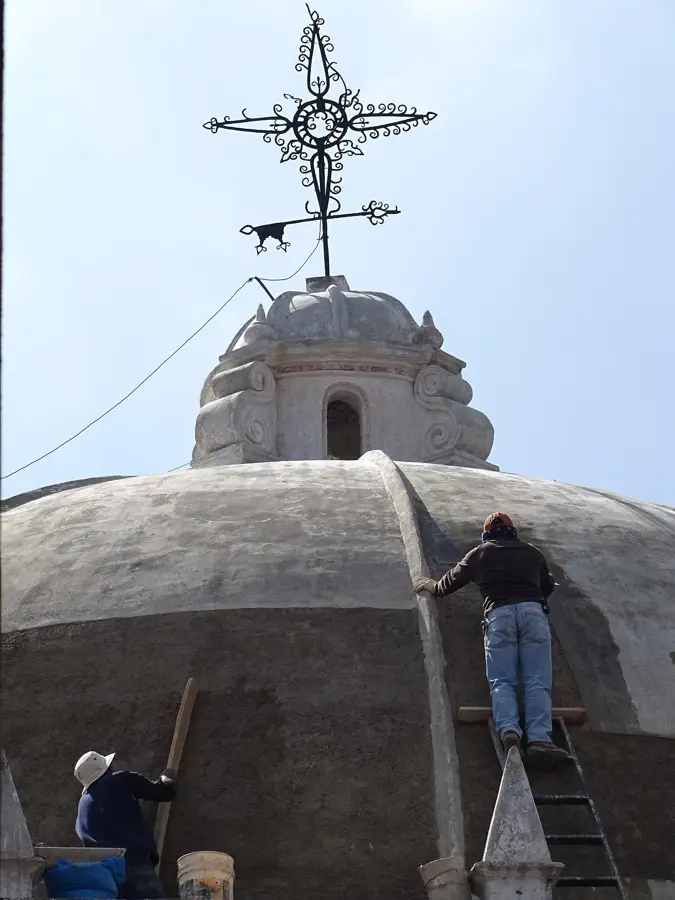
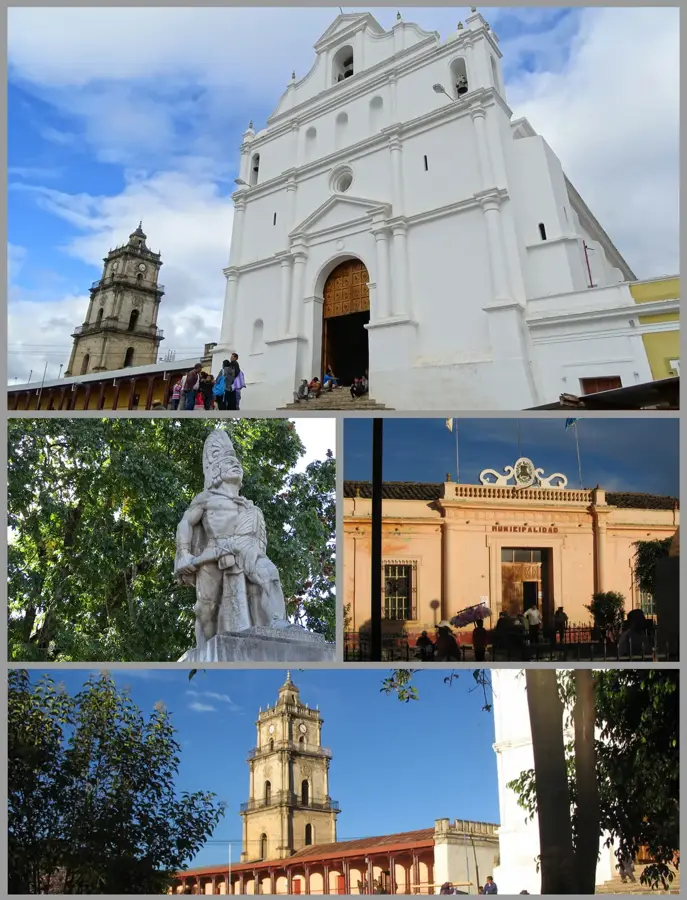
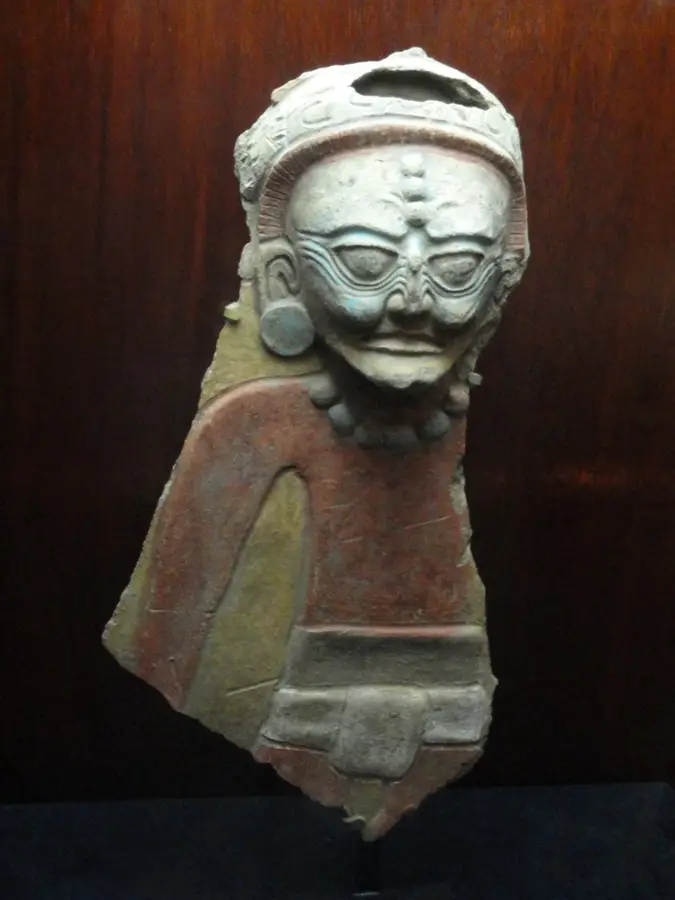
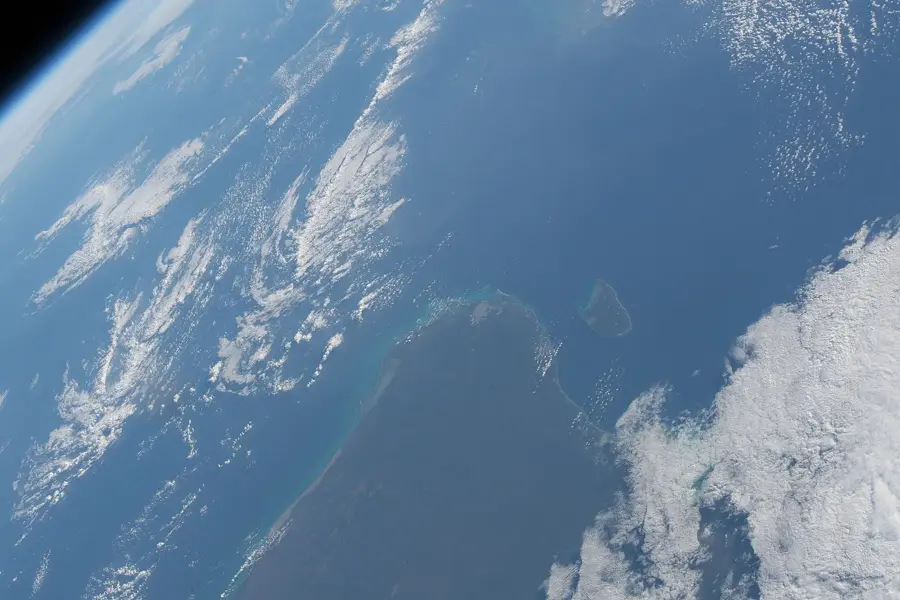
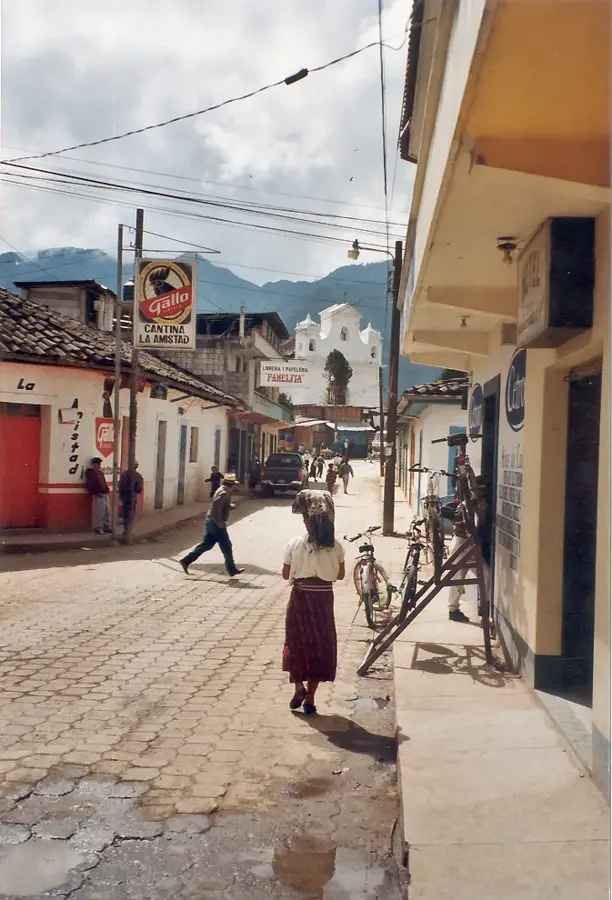
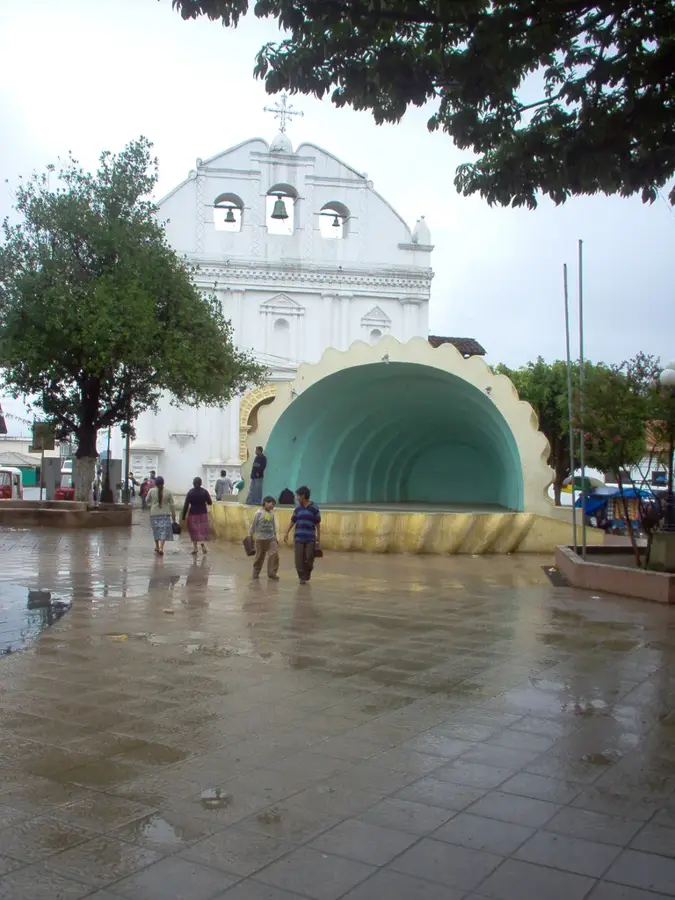
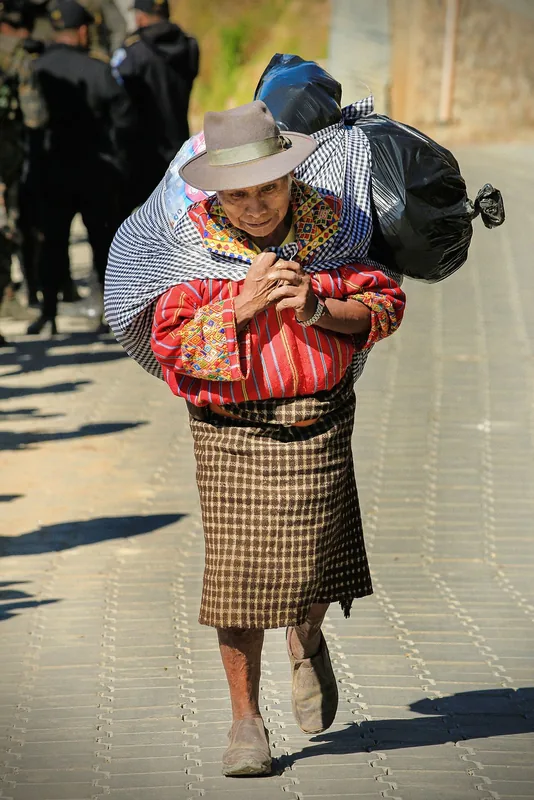
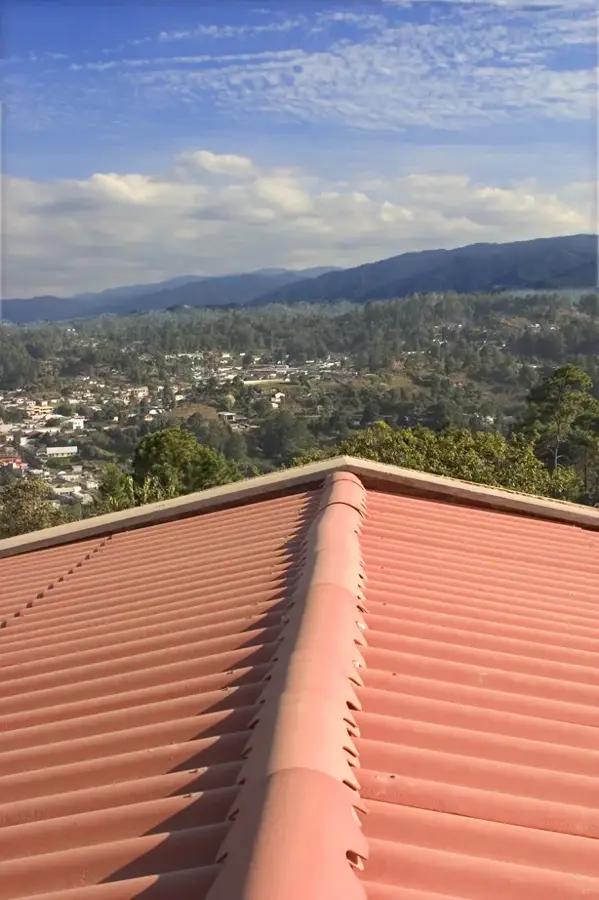
Santa Cruz del Quiché serves as the historic and administrative capital of the El Quiché department in the central highlands of Guatemala. Its identity is inextricably linked to the nearby ruins of Q'umarkaj, the pre-Columbian capital of the K'iche' Maya Kingdom, which fell to Spanish forces led by Pedro de Alvarado in 1524. The modern city was established in 1539, strategically positioned to oversee the local indigenous population and serve as a colonial outpost. Located at an altitude of approximately 2,020 meters, Santa Cruz enjoys a temperate highland climate and has panoramic views of the surrounding mountains. The city's central church is a poignant architectural landmark, constructed using stones scavenged from the ancient pyramids of Q'umarkaj, a physical manifestation of the region's complex colonial legacy. Today, the city is a bustling commercial hub, famous for its animated markets where K'iche' weavers and artisans from across the highlands gather to trade their intricate textiles and pottery. The economy is primarily driven by small-scale commerce, agriculture, and its role as a regional transport junction. Culturally, Santa Cruz del Quiché is one of the most significant bastions of Maya identity in the world, with over 90% of the population being of K'iche' descent. Indigenous governance systems and traditional Maya spiritual practices exist alongside modern administrative structures. The annual fair in August, dedicated to the Exaltation of the Holy Cross, is a massive celebration featuring traditional mask dances and religious processions. For the modern traveler, Santa Cruz del Quiché provides a rare window into the living history of the Maya people, combining the solemnity of its ancient past with the energetic commerce of its present.
Explore on the map
How well do you know Guatemala?
Find cities, landscapes and regions in 10 varied challenges on the interactive map.
Your journey, your memory
A postcard from Santa Cruz del Quiché
Turn your own photo into a personal postcard with a local stamp. Free and no sign-up required.
Create a postcard- Location: Guatemala
- Highlights: Quiché Department · Q'umarkaj · K'iche' kingdom of Q'umarkaj
- Nearby: Nahualá (27 km)
- Population: ~78.279 (2025)
Best time to visit & climate
The most pleasant time to visit is Feb–Apr.
| Jan | Feb | Mar | Apr | May | Jun | Jul | Aug | Sep | Oct | Nov | Dec | |
|---|---|---|---|---|---|---|---|---|---|---|---|---|
| Avg °C | 13 | 14 | 16 | 17 | 17 | 16 | 16 | 16 | 16 | 16 | 14 | 14 |
| Rain mm | 6 | 7 | 22 | 63 | 217 | 315 | 226 | 289 | 353 | 291 | 58 | 10 |
Geography
Facts
- Santa Cruz del Quiché is located at an elevation of 2,020 meters (6,627 feet).
- The city was established by Spanish colonizers in 1539.
- The pre-Columbian ruins of Q'umarkaj are located just 2 km away from the plaza.
- It is the departmental capital of El Quiché.
- The population is overwhelmingly of K'iche' Maya descent.
- The city's main church is known for using recycled stones from ancient Maya structures.
- It serves as a key transport hub for the northern highland region of Guatemala.
- The patron saint festival is celebrated in August with 'Baile de la Conquista'.
Explore nearby
Notable places around
Route planner — Car & Motorhome
Where do you start? We build the route here, with stops and country notes along the way.
© OpenStreetMap contributors · OpenRouteService
Sights in the town Santa Cruz del Quiché (3)
Frequently asked questions
What is the main attraction of Santa Cruz del Quiché?
Are there traditional markets in the city?
What is the climate like in the region?
What food is typical for the Quiché region?
How can you reach the city?
Santa Cruz del Quiché: where is it located?
Santa Cruz del Quiché: what is there to see?
Santa Cruz del Quiché: when is the best time to visit?
Santa Cruz del Quiché: why is it worth visiting?
Nearby cities
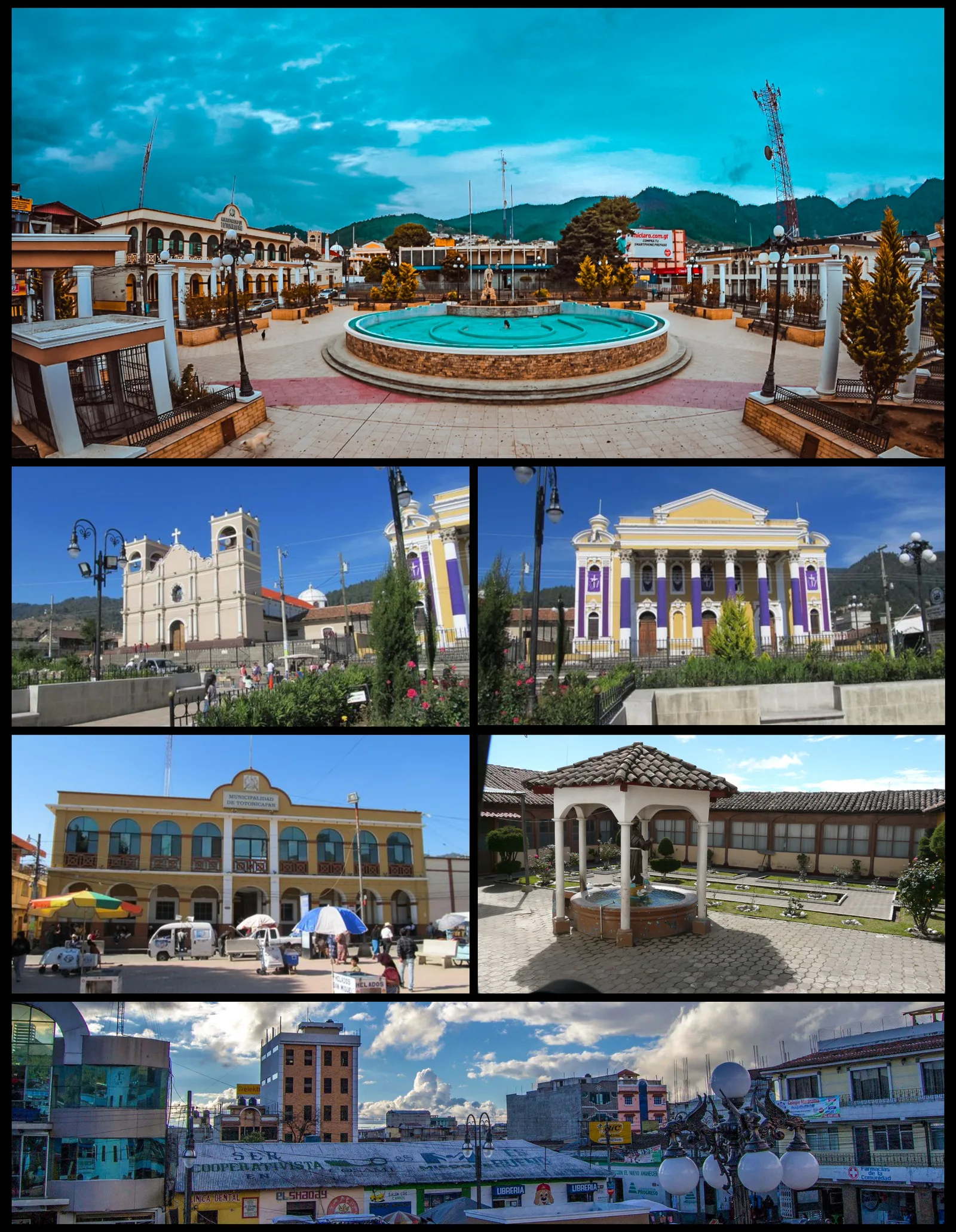
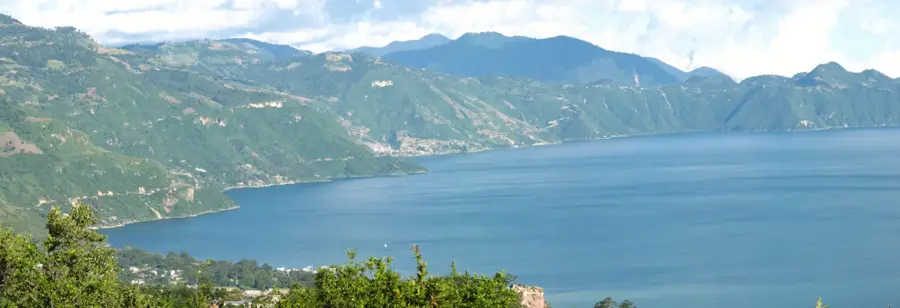
History & landmarks
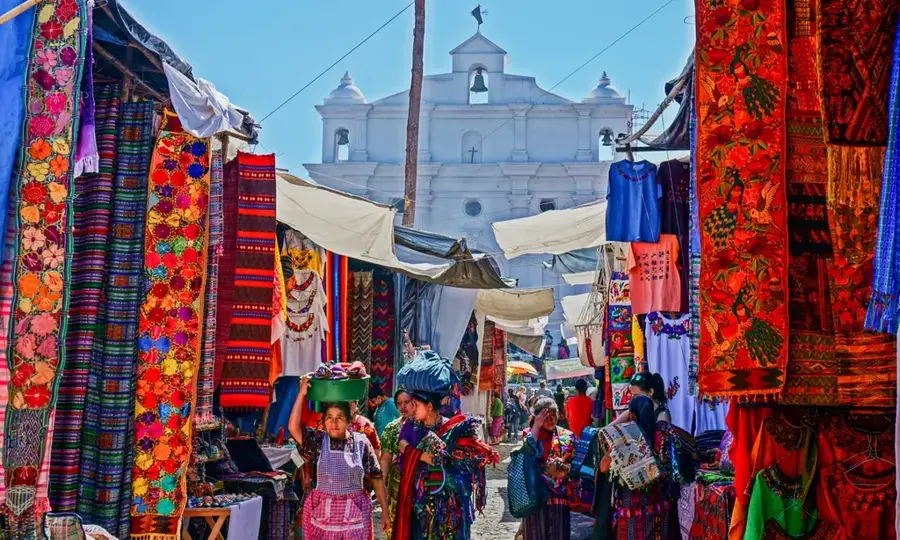
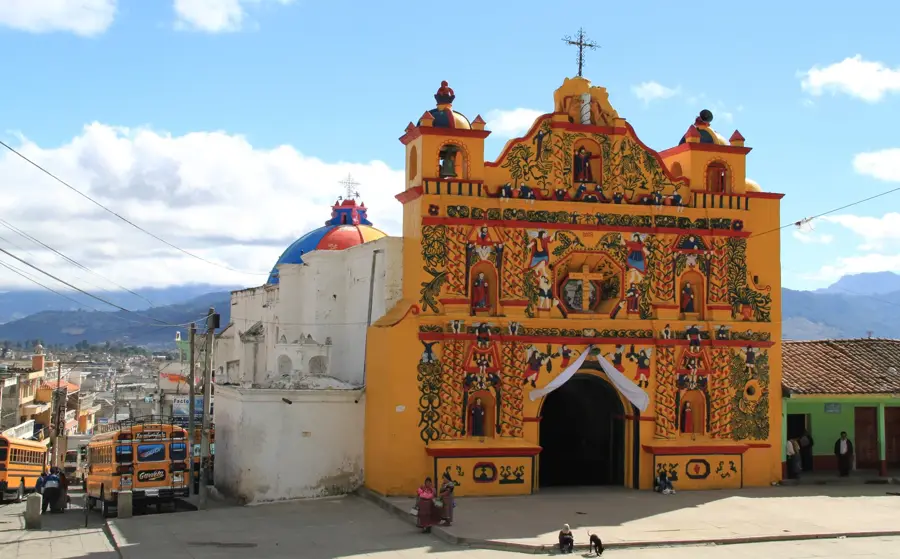
Nature
More places