Plizio Visual Lab
Coban Cardamom Hills
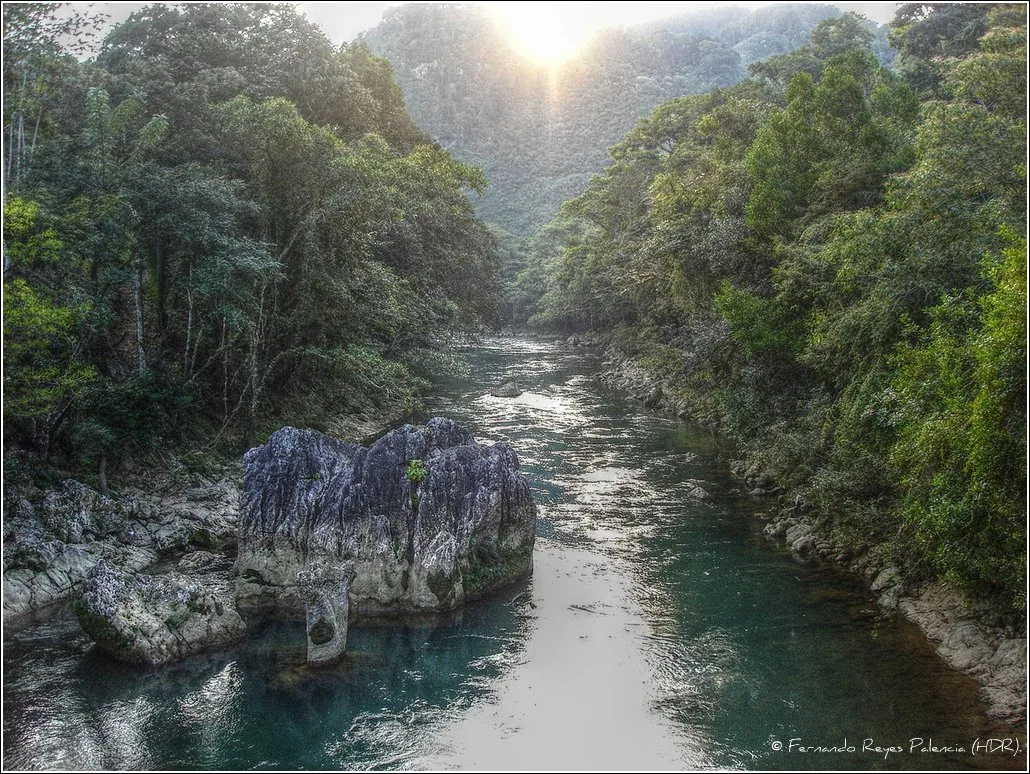
The Cardamom Hills surrounding Cobán in the Alta Verapaz department serve as the heart of Guatemala's spice production. Cardamom was introduced to the region in the early 20th century by Oscar Majus Kloeffer to reduce the national economy's heavy reliance on coffee exports. Due to the good environmental conditions, featuring high humidity and consistent rainfall, Guatemala has ascended to become the world's leading exporter of this spice. The plantations are spread across the rolling hills of the region and are primarily cultivated by small-scale indigenous Q'eqchi' farming communities. Harvesting and processing often involve traditional techniques, where the drying process in specialized facilities known as 'secadoras' is critical for ensuring product quality. This industry is a vital economic engine for the department, providing a livelihood for thousands of rural families. Cobán serves as the primary commercial hub for what is locally known as 'green gold,' reflecting its deep integration into the region's cultural and economic identity.
Explore on the map
How well do you know Guatemala?
Find cities, landscapes and regions in 10 varied challenges on the interactive map.
Your journey, your memory
A postcard from Coban Cardamom Hills
Turn your own photo into a personal postcard with a local stamp. Free and no sign-up required.
Create a postcard- Location: Guatemala
- Highlights: San Pedro Carchá · Alta Verapaz
- Nearby: Tactic (19 km)
Best time to visit & climate
The most pleasant time to visit is Feb–Apr.
| Jan | Feb | Mar | Apr | May | Jun | Jul | Aug | Sep | Oct | Nov | Dec | |
|---|---|---|---|---|---|---|---|---|---|---|---|---|
| Avg °C | 17 | 19 | 21 | 23 | 23 | 21 | 21 | 21 | 21 | 20 | 18 | 17 |
| Rain mm | 32 | 20 | 24 | 41 | 142 | 235 | 166 | 226 | 282 | 197 | 68 | 35 |
📋 Practical info
Geography
Facts
- Guatemala is currently the world's largest exporter of cardamom spices.
- Cardamom was first introduced to the region by Oscar Majus Kloeffer in 1914.
- More than 70% of national production is concentrated in Alta Verapaz.
- The cardamom plant belongs to the ginger family, known as Zingiberaceae.
- The peak harvesting season in the Cobán area runs from October to March.
- Localized processing plants used for drying the pods are called 'secadoras'.
Explore nearby
Notable places around
Route planner — Car & Motorhome
Where do you start? We build the route here, with stops and country notes along the way.
© OpenStreetMap contributors · OpenRouteService
Sights in the town Coban Cardamom Hills (2)
Sights nearby
Frequently asked questions
What is mainly grown here?
What does the landscape look like?
Can you visit the plantations?
When is the harvest time?
What weather should I expect?
Coban Cardamom Hills: where is it located?
Coban Cardamom Hills: what is there to see?
Coban Cardamom Hills: when is the best time to visit?
Coban Cardamom Hills: why is it worth visiting?

Nearby cities
Nature
More places