Plizio Visual Lab
Wiwilí de Nueva Segovia
ℹ️Practical info — Wiwilí de Nueva Segovia
▾
🌤 Weather — 5 days
📍 Nearby
Sights nearby
💡 Tips
- Travel by riverboats (pangas) on the Coco River is common, but negotiate prices beforehand.
- Bring sufficient cash in Córdobas, as ATMs can be unreliable or non-existent in remote areas.
- Pack strong insect repellent and lightweight rain gear for the humid jungle climate.
- Visit early in the morning for cooler temperatures if you're exploring the surrounding nature.
🍽 Food
Try the classic Nicaraguan rice and beans often served with fresh river fish at small local eateries near the riverbanks.
Look for street vendors selling this mix of yuca, pork rinds, and cabbage salad, a great quick meal.
Nueva Segovia is known for great coffee; grab a cup at a local panadería in the town center.
🛍 Shopping · 🧘 Quiet spots
The central municipal market is the best place to buy fresh tropical fruits and basic supplies.
Check out small shops around the main square for simple local handicrafts and everyday items.
Take a quiet stroll along the edges of the river to watch the boats and enjoy the surrounding nature.
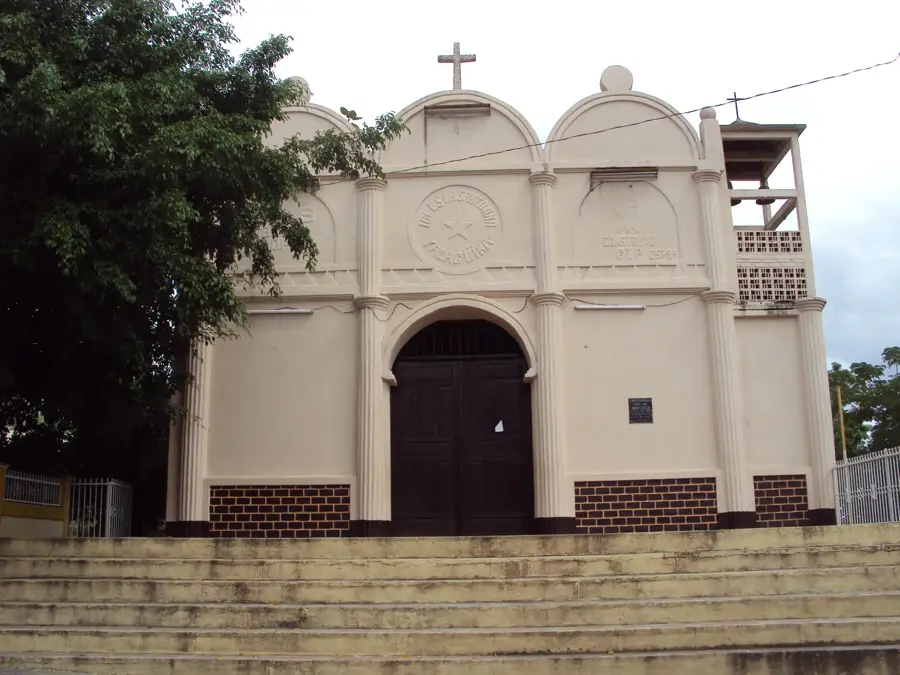
The area around the town's main church has a peaceful spot to sit in the shade.
Water temperature…
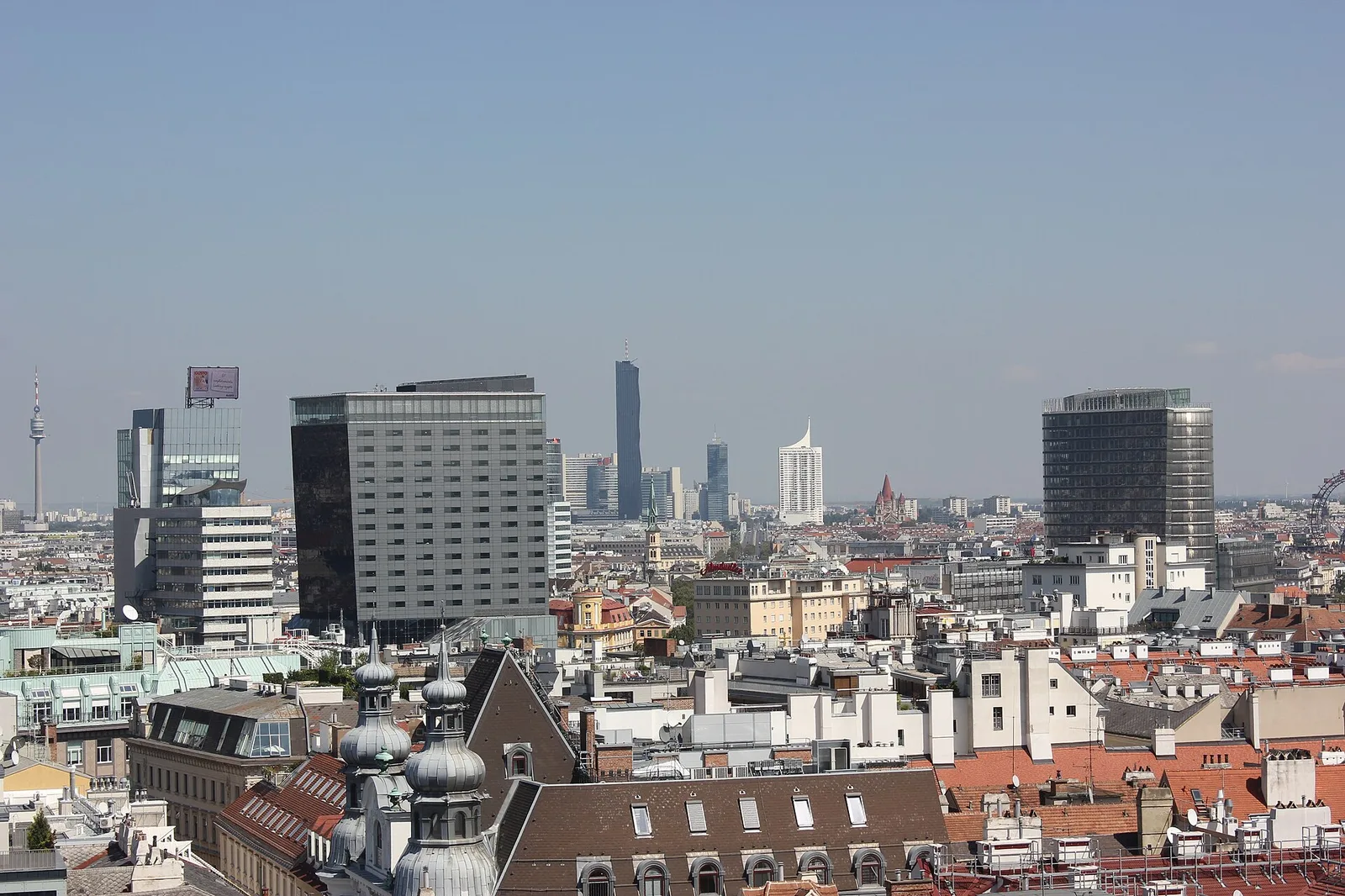
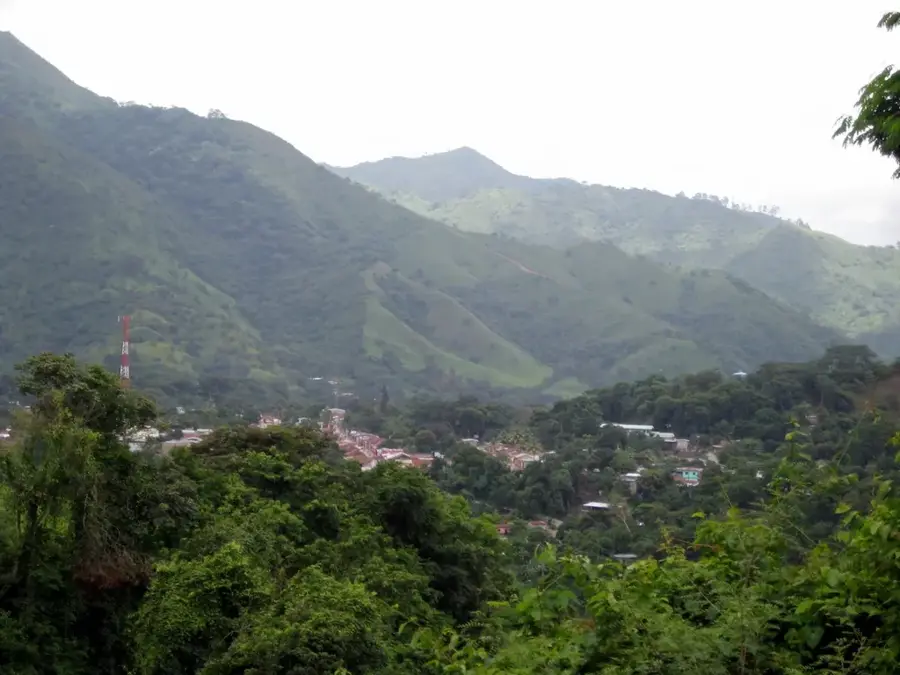
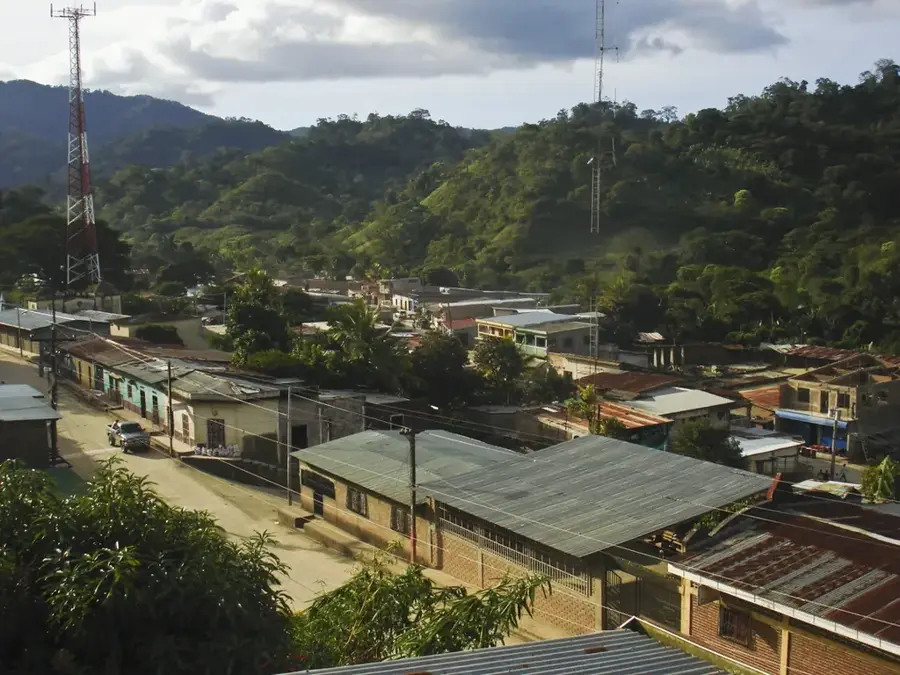
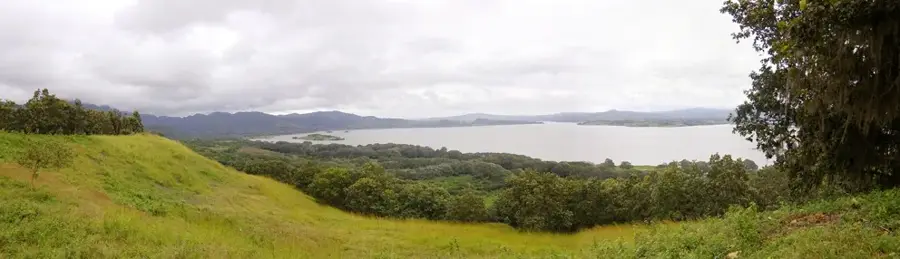
Wiwilí de Nueva Segovia is a strategically important municipality in northern Nicaragua, situated along the banks of the mighty Coco River at the border with the Jinotega department. Geographically, the town is defined by its location in the valley of Central America's longest river, surrounded by rugged mountains and dense highland forests. Historically, the area gained significant notoriety during the 1980s civil war as a focal point for military conflicts and subsequent peace initiatives. Today, Wiwilí has evolved into a thriving agricultural hub, with coffee production and cattle ranching serving as the primary pillars of the local economy. The connection between the two sides of the river, which was previously only possible via boat, has been revolutionized by the construction of a modern bridge, greatly facilitating trade with the rest of the country. Culturally, the town reflects the resilience of Nicaragua's rural population, celebrating traditional festivals with equestrian parades and regional music. The natural surroundings offer immense potential for eco-tourism, particularly for river expeditions along the Rio Coco. Wiwilí remains a symbol of transition from a conflict-ridden past to a productive agricultural future. The region's relative isolation ensures the preservation of an authentic northern Nicaraguan culture.
Explore on the map
How well do you know Nicaragua?
Find cities, landscapes and regions in 10 varied challenges on the interactive map.
Your journey, your memory
A postcard from Wiwilí de Nueva Segovia
Turn your own photo into a personal postcard with a local stamp. Free and no sign-up required.
Create a postcard- Location: Nicaragua
- Nearby: El Jícaro (13 km)
- Population: ~1.179 (2026)
Best time to visit & climate
The most pleasant time to visit is Jan, Feb, Dec.
| Jan | Feb | Mar | Apr | May | Jun | Jul | Aug | Sep | Oct | Nov | Dec | |
|---|---|---|---|---|---|---|---|---|---|---|---|---|
| Avg °C | 22 | 23 | 25 | 26 | 25 | 24 | 23 | 24 | 23 | 23 | 22 | 22 |
| Rain mm | 8 | 8 | 11 | 37 | 167 | 201 | 106 | 132 | 215 | 204 | 43 | 26 |
Geography
Facts
- Wiwilí is located on the Rio Coco, the longest river in Central America at 680 km.
- The municipality was officially established on March 5, 1970.
- A major bridge completed in 2022 connects the Nueva Segovia and Jinotega sectors.
- The region is a major contributor to Nicaragua's national coffee production.
- Wiwilí means 'electric eel river' in the indigenous Miskito language.
- Historically, the town was a significant operational base during the 1980s Contra War.
Explore nearby
Notable places around
Route planner — Car & Motorhome
Where do you start? We build the route here, with stops and country notes along the way.
© OpenStreetMap contributors · OpenRouteService
The morning starts at the Gothic St. Stephen's Cathedral, the heart of Vienna. After a stroll down the elegant Graben and Kohlmarkt streets, you reach the Hofburg Palace, the former power center of the Habsburgs. At noon, you'll relax in the Volksgarten before having lunch at a traditional 'Beisl'. The afternoon is dedicated to art with a visit to the world-renowned Kunsthistorisches Museum. The day concludes with a view of the magnificent Vienna State Opera as the evening sun lights up its facade.
St. Stephen's Cathedral
Graben and the Plague Column
Hofburg Palace
Volksgarten
Lunch at Spittelberg Quarter
Kunsthistorisches Museum
Vienna State Opera
The bike tour starts at the neo-Gothic City Hall and follows the magnificent Ringstrasse to the Parliament and Hofburg Palace. You'll cycle through the imperial center before taking a break in the green Stadtpark. After lunch, the route takes you to the colorful Hundertwasserhaus, a unique architectural gem. The afternoon culminates in the Prater park, where a ride on the historic Giant Ferris Wheel provides an unforgettable end to the day.
City Hall (Rathaus)
Austrian Parliament
Hofburg Palace
City Park & Johann Strauss Monument
Lunch near Wien Mitte
Hundertwasserhaus
Prater Park & Giant Ferris Wheel
The day begins with a drive to the magnificent Schönbrunn Palace, the former summer residence of the Habsburgs. After exploring the palace and gardens, you'll drive to the Belvedere Palace to admire Klimt's 'The Kiss'. The afternoon takes you out of the city to the Vienna Woods hills at Kahlenberg. From here, you'll enjoy a breathtaking panoramic view of the city in the light of the setting sun.
Schönbrunn Palace
Gloriette
Lunch near Schönbrunn
Belvedere Gardens
Kahlenberg Hill
Sights in the town Wiwilí de Nueva Segovia (1)
Frequently asked questions
What characterizes Wiwilí de Nueva Segovia?
How do I get to the town?
Is it suitable for adventurers?
How is the weather?
When is the best time?
Wiwilí de Nueva Segovia: where is it located?
Wiwilí de Nueva Segovia: when is the best time to visit?
Wiwilí de Nueva Segovia: why is it worth visiting?

Nearby cities

History & landmarks

Nature
More places