Plizio Visual Lab
Niutao Wetlands

Weather…
Water temperature…
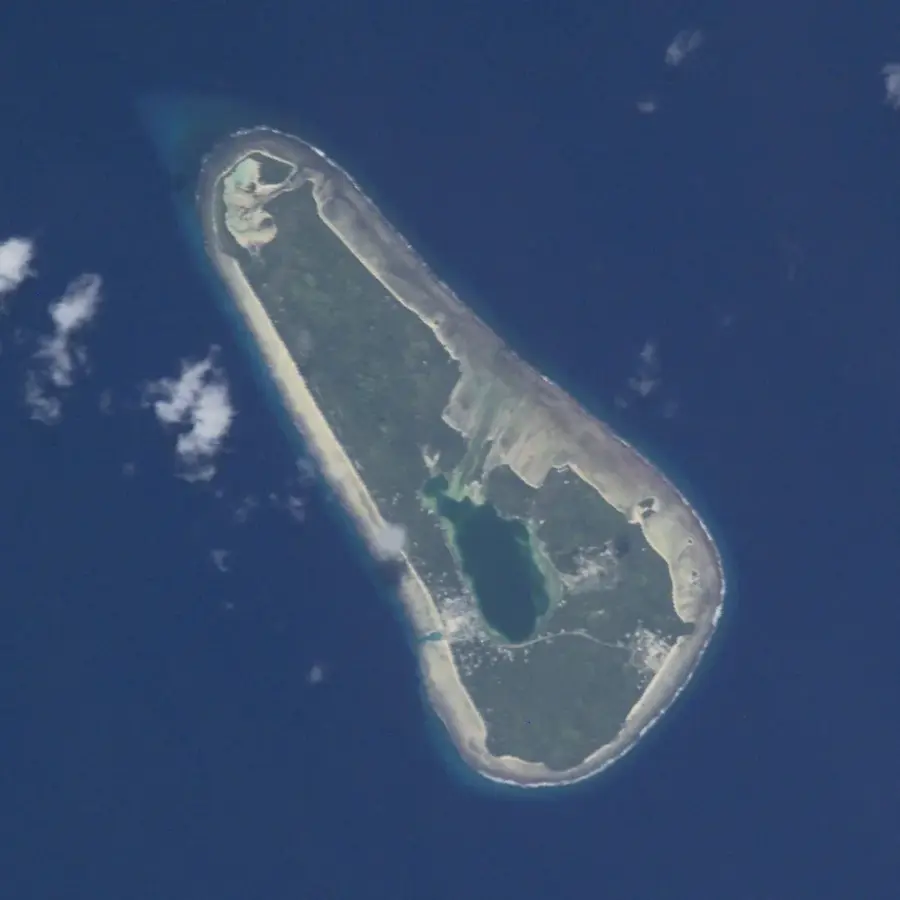
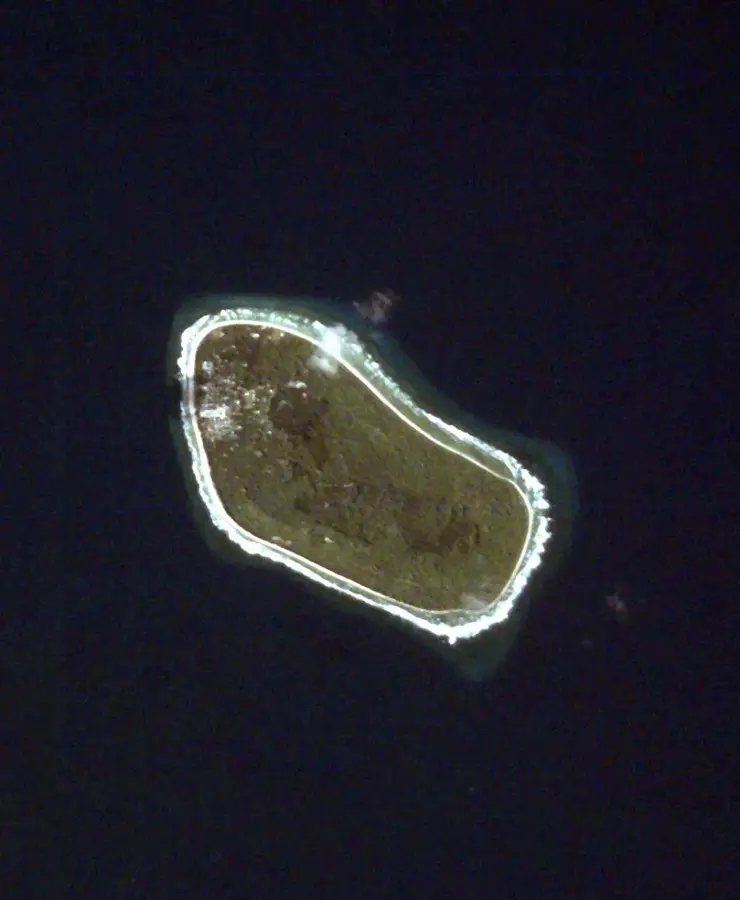
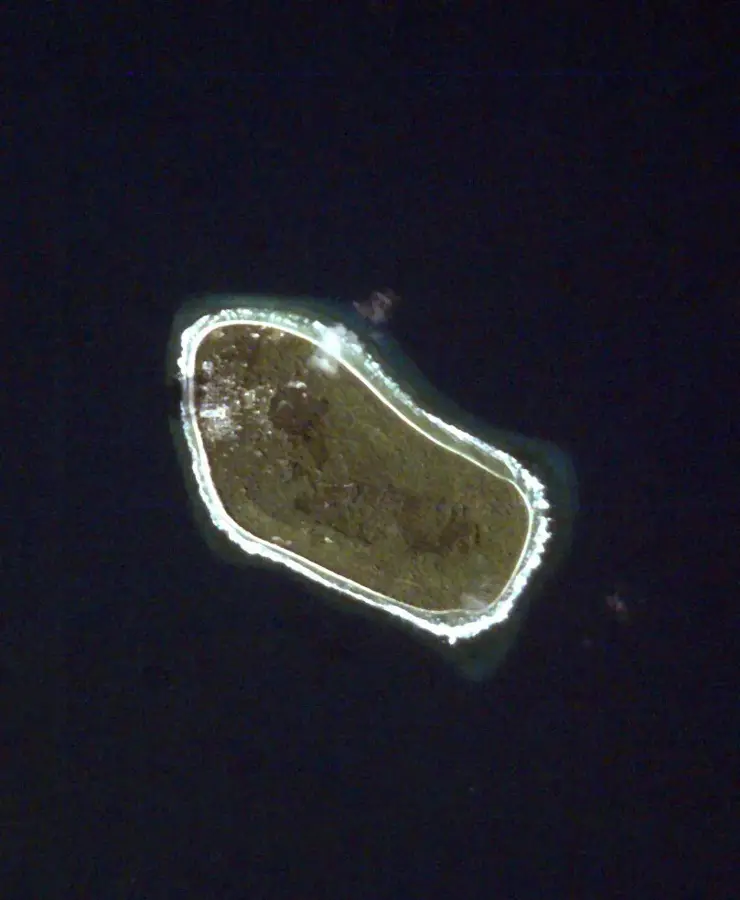
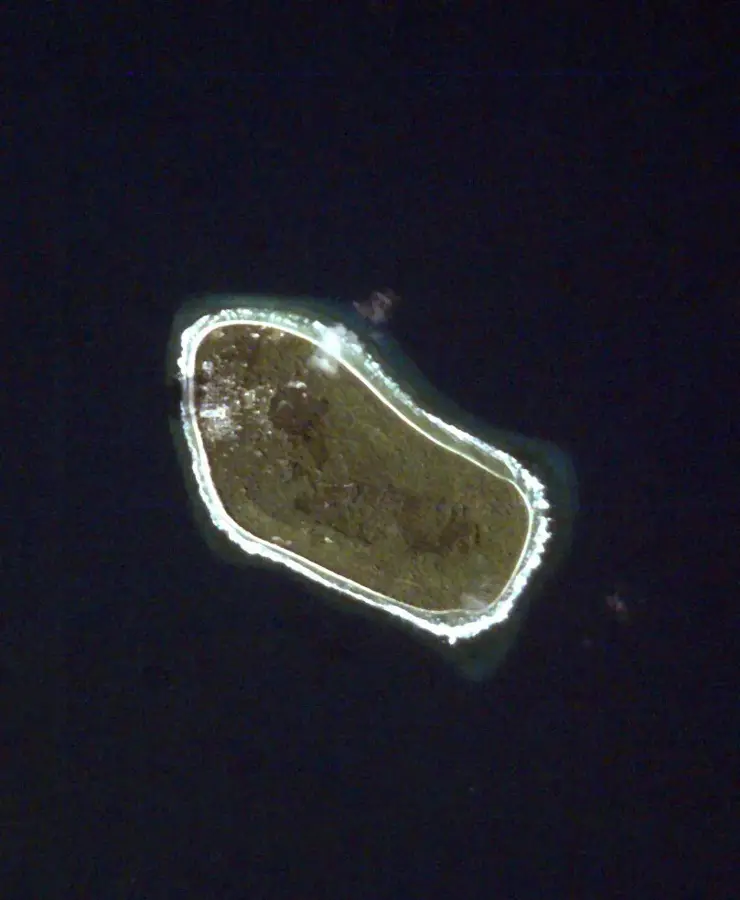
The wetlands of Niutao consist of two distinctive inland lagoons, the larger of which is known as Te Namo. These brackish water bodies are an unusual feature for a coral reef island and form a specialized ecosystem amidst dense tropical vegetation. The lagoons are fringed by mangroves and salt-tolerant plants that act as a natural filtration system for the island's freshwater lens. Niutao is celebrated for its traditional 'pulaka' (swamp taro) cultivation within these moist depressions, where residents meticulously manage salinity levels. The wetland serves as a vital nesting and feeding ground for various waterfowl and hosts several endemic insect species. During the monsoon season, the water levels rise, providing essential irrigation for local subsistence farming. Preserving these wetlands is critical for the island's ecological stability, as they represent the only major inland water catchment. Beyond their ecological value, the wetlands are sites of cultural significance, often used in traditional rituals and community gatherings.
Explore on the map
How well do you know Tuvalu?
Find cities, landscapes and regions in 10 varied challenges on the interactive map.
Your journey, your memory
A postcard from Niutao Wetlands
Turn your own photo into a personal postcard with a local stamp. Free and no sign-up required.
Create a postcardBest time to visit & climate
The most pleasant time to visit is Aug–Oct.
| Jan | Feb | Mar | Apr | May | Jun | Jul | Aug | Sep | Oct | Nov | Dec | |
|---|---|---|---|---|---|---|---|---|---|---|---|---|
| Avg °C | 29 | 28 | 28 | 28 | 29 | 29 | 29 | 28 | 29 | 28 | 29 | 29 |
| Rain mm | 295 | 264 | 236 | 169 | 139 | 153 | 140 | 140 | 110 | 137 | 151 | 239 |
📋 Practical info
Geography
Facts
- Comprises two central brackish lagoons
- The largest lagoon is locally named 'Te Namo'
- Key area for traditional swamp taro farming
- Natural filter for the island's freshwater lens
- Sanctuary for rare insects and waterfowl
- Culturally significant for local community rituals
Explore nearby
Notable places around
Route planner — Car & Motorhome
Where do you start? We build the route here, with stops and country notes along the way.
© OpenStreetMap contributors · OpenRouteService
Sights in the town Niutao Wetlands (1)
Sights nearby
Frequently asked questions
What is in the wetlands?
Can I walk in the wetlands?
What is the best season?
Are there hiking trails?
Do I need binoculars?
Niutao Wetlands: where is it located?
Niutao Wetlands: when is the best time to visit?
Niutao Wetlands: why is it worth visiting?

Nearby cities





History & landmarks
Nature

More places