Plizio Visual Lab
La Paz
ℹ️Practical info — La Paz
▾
🌤 Weather — 5 days
📍 Nearby
Sights nearby
💡 Tips
- Explore the indigenous Lenca culture through the local crafts and pottery.
- The best locally grown high-altitude coffee can be found in the small cafes by the main square.
- Renting a 4x4 vehicle is highly recommended if you want to visit remote coffee fincas.
- On Sundays, the central plaza has the liveliest atmosphere, good for people-watching.
🍽 Food
Freshly roasted and brewed in the specialty cafes around town.
A hearty free-range chicken soup offered in almost all traditional restaurants.
A warm, sweet corn drink, especially good on cool evenings.
🛍 Shopping · 🧘 Quiet spots
Buy authentic ceramics directly from the artisan markets.
Best acquired directly from producers or at local markets.
Well-suited for relaxing afternoons in the shade of large trees.
Many fincas offer guided, nature-focused tours.
Water temperature…
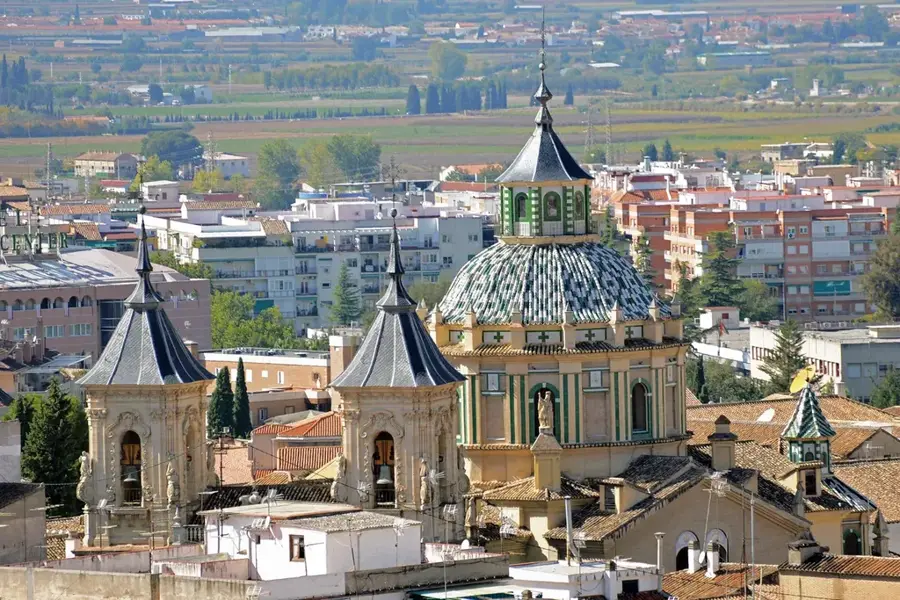
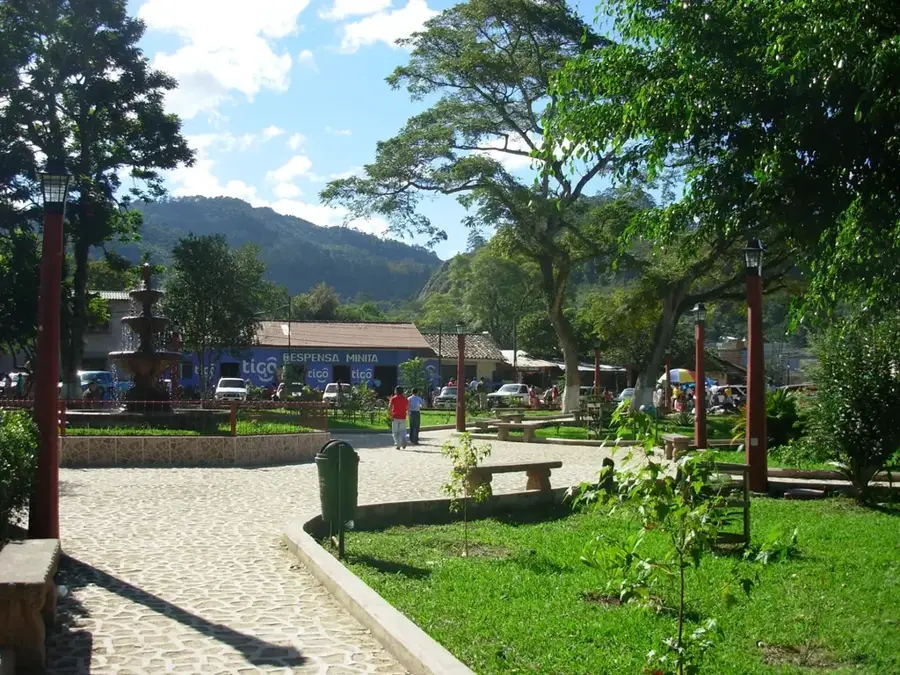
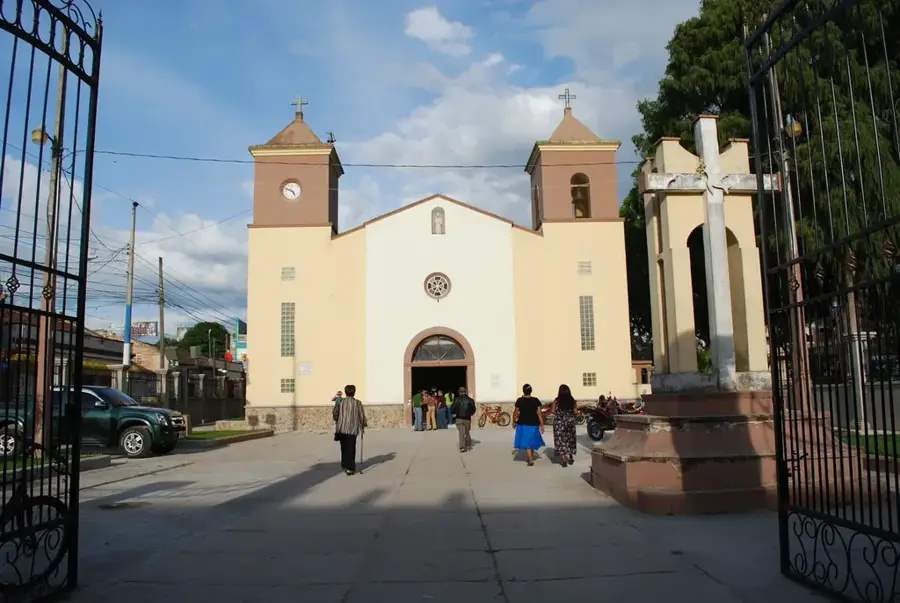
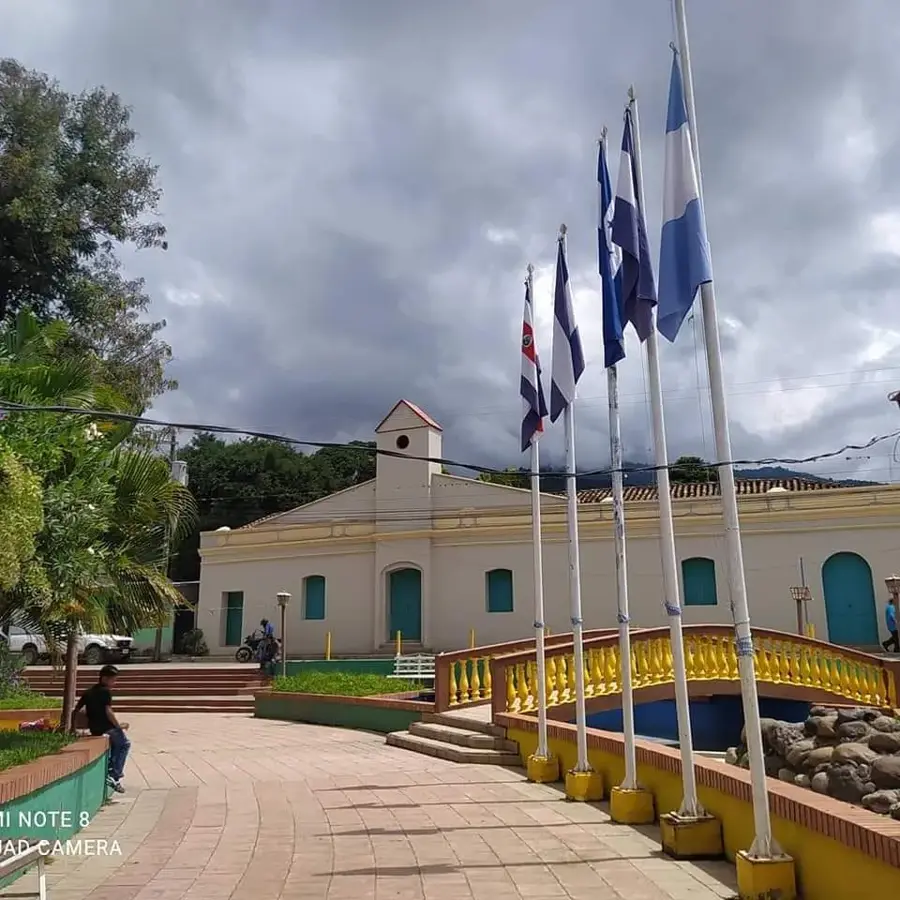
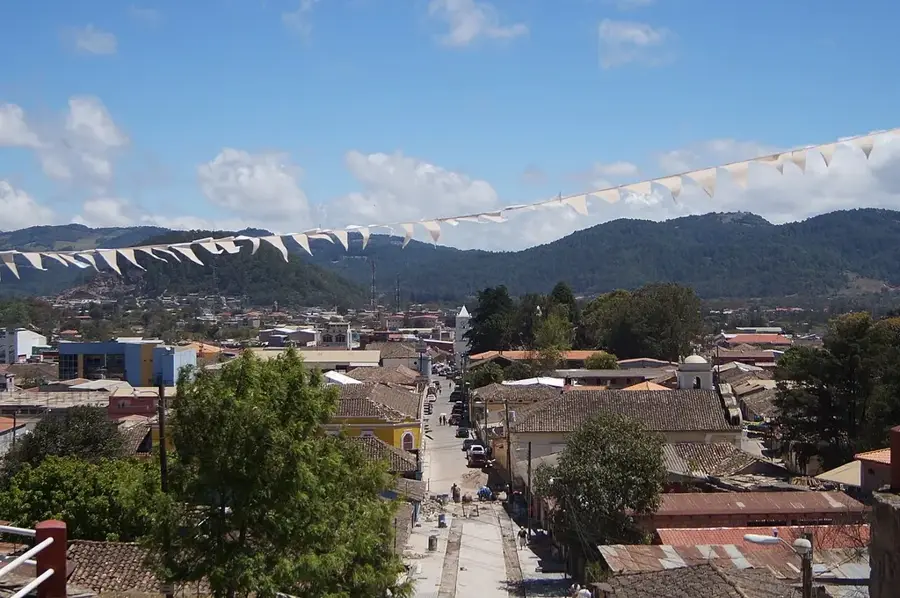
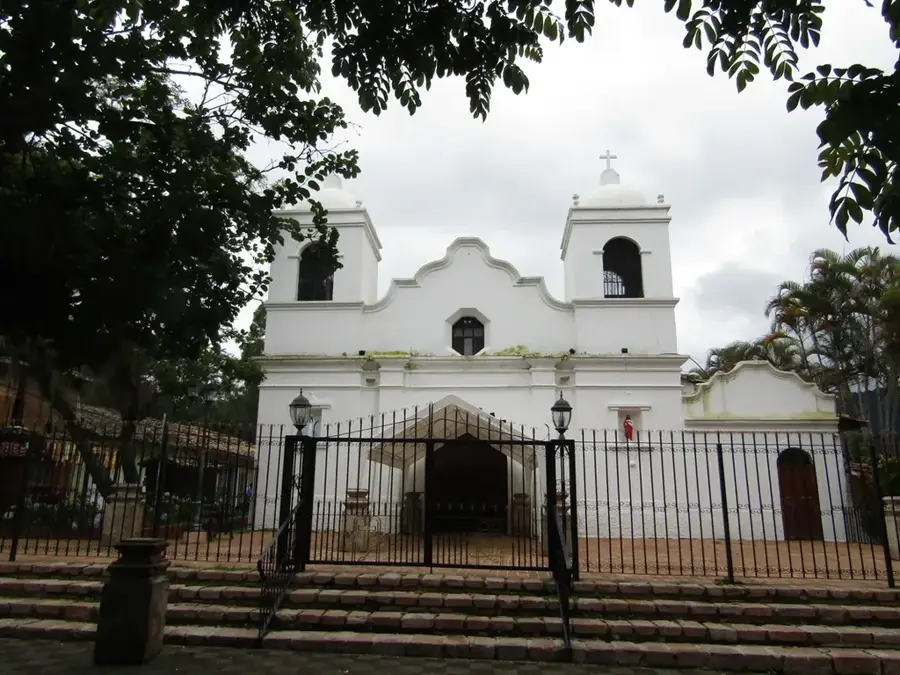
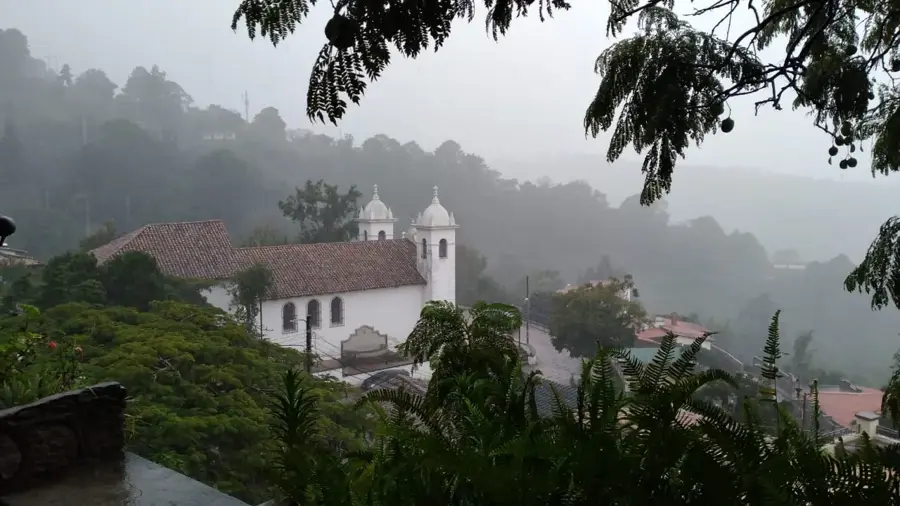
La Paz serves as the administrative capital of the La Paz department, situated on the western edge of the expansive Comayagua Valley in central Honduras. Established in 1750 by Spanish settlers, the town was originally named 'Las Piedras' due to the rocky terrain that characterized the area before it was officially renamed La Paz in 1848. The city is a vital hub in the Honduran coffee industry, surrounded by mountainous terrain that provides the shade and altitude necessary for premium coffee cultivation. This economic reliance on coffee has shaped the city's development, leading to the establishment of numerous processing plants and export businesses. Beyond agriculture, La Paz is known for its well-preserved colonial layout, featuring a central plaza anchored by the historic Cathedral of the Virgen de los Dolores. The city's cultural life is deeply traditional, with a strong emphasis on Catholic heritage, evidenced by the elaborate sawdust carpets and processions held during Holy Week. Demographically, the city is predominantly Mestizo, with a culture that blends Spanish traditions with local agricultural lifestyles. La Paz also plays a strategic role in regional logistics due to its proximity to the main highway connecting Tegucigalpa and San Pedro Sula, and more recently, its closeness to the Palmerola International Airport. This geographic advantage has spurred commercial growth and improved infrastructure, including modern healthcare facilities and educational centers. The surrounding area provides ecological attractions, such as the El Jilguero biological reserve, making La Paz a starting point for nature enthusiasts. Despite modernization, the city maintains a peaceful atmosphere, true to its name, with a community that remains dedicated to preserving its historical landmarks and agricultural excellence.
Explore on the map
How well do you know Honduras?
Find cities, landscapes and regions in 10 varied challenges on the interactive map.
Your journey, your memory
A postcard from La Paz
Turn your own photo into a personal postcard with a local stamp. Free and no sign-up required.
Create a postcard- Location: Honduras
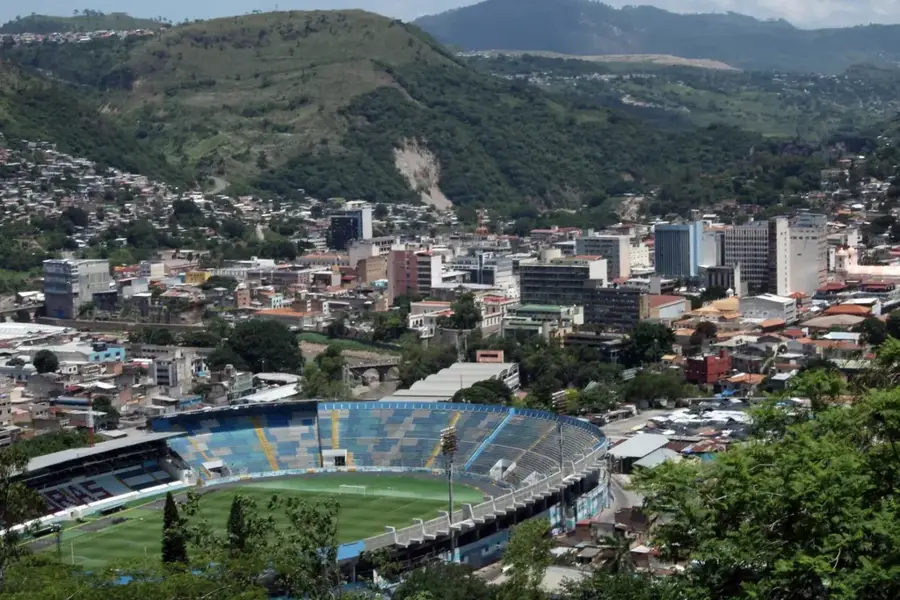
- Highlights: Marcala · La Paz, Honduras · Estadio Roberto Suazo Córdova
- Nearby: Cane (5 km)
- Population: ~17.555 (2025)
Best time to visit & climate
The most pleasant time to visit is Jan–Mar.
| Jan | Feb | Mar | Apr | May | Jun | Jul | Aug | Sep | Oct | Nov | Dec | |
|---|---|---|---|---|---|---|---|---|---|---|---|---|
| Avg °C | 20 | 21 | 23 | 25 | 24 | 23 | 22 | 23 | 22 | 21 | 20 | 20 |
| Rain mm | 27 | 20 | 20 | 39 | 139 | 183 | 120 | 140 | 188 | 158 | 67 | 46 |
Geography
Facts
- Formerly known as 'Las Piedras' until the mid-19th century.
- The city's elevation is approximately 680 meters (2,231 ft).
- Key economic driver is the processing and export of Arabica coffee.
- Located at coordinates 14.33°N and 87.68°W.
- Features a historic district with Spanish colonial architecture.
- Home to the Roberto Suazo Córdova Stadium.
- Served by the CA-7 highway, a major regional artery.
- Part of the Comayagua Valley economic development zone.
Explore nearby
Notable places around
Route planner — Car & Motorhome
Where do you start? We build the route here, with stops and country notes along the way.
© OpenStreetMap contributors · OpenRouteService
Sights in the town La Paz (3)
Frequently asked questions
What is La Paz known for?
How far is it from Comayagua?
What can you do in the city?
Is the weather cool?
Are there nature parks there?
La Paz: where is it located?
La Paz: what is there to see?
La Paz: when is the best time to visit?
La Paz: why is it worth visiting?

Nearby cities
History & landmarks
Nature
More places