Plizio Visual Lab
Cueva del Gigante
Weather…
Water temperature…
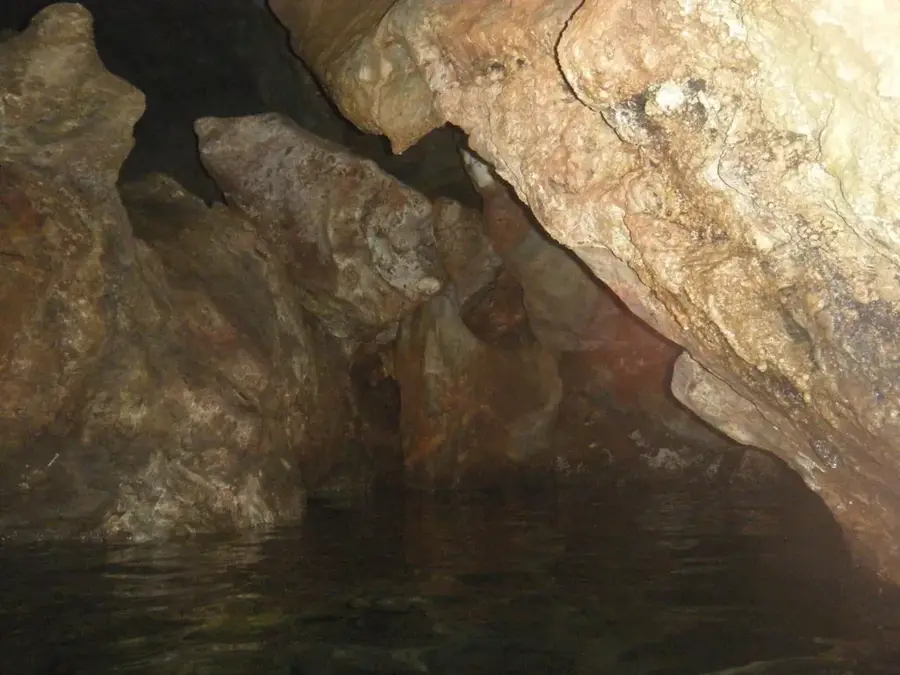
Cueva del Gigante (Giant's Cave), located near Marcala in the La Paz Department, is one of the most critical prehistoric sites in Central America. It provides extraordinary evidence of early human occupation in the region, with some of the oldest radiocarbon dates reaching back over 10,000 years. The cave's unique dry microclimate has allowed for the preservation of rare organic materials, including textiles, basketry, and food remains, which are seldom found in tropical environments. Archaeologists have identified successive occupation layers belonging to hunter-gatherer groups who utilized the cave as a seasonal shelter. The cave walls feature ancient rock art depicting various animals and human forms, offering a window into the symbolic world of its early inhabitants. This site is essential for understanding the migration patterns of early humans through the Americas and the origins of agriculture in the region.
Explore on the map
How well do you know Honduras?
Find cities, landscapes and regions in 10 varied challenges on the interactive map.
Your journey, your memory
A postcard from Cueva del Gigante
Turn your own photo into a personal postcard with a local stamp. Free and no sign-up required.
Create a postcard- Location: Honduras
- Nearby: Intibucá (15 km)
Best time to visit & climate
The most pleasant time to visit is Jan–Mar.
| Jan | Feb | Mar | Apr | May | Jun | Jul | Aug | Sep | Oct | Nov | Dec | |
|---|---|---|---|---|---|---|---|---|---|---|---|---|
| Avg °C | 19 | 21 | 22 | 24 | 23 | 22 | 22 | 22 | 21 | 21 | 19 | 19 |
| Rain mm | 26 | 21 | 19 | 39 | 145 | 195 | 143 | 173 | 219 | 163 | 65 | 36 |
📋 Practical info
Geography
Facts
- The earliest occupation layers date back to approximately 9480 BC.
- The cave is situated in a rock face at an elevation of 1,300 meters.
- Remains of over 20 different plant species were recovered from the site.
- Rock paintings at the site depict deer, birds, and human handprints.
- Systematic archaeological excavations were first conducted in 1994.
- The shelter extends roughly 42 meters deep into the volcanic rock.
Explore nearby
Notable places around
Route planner — Car & Motorhome
Where do you start? We build the route here, with stops and country notes along the way.
© OpenStreetMap contributors · OpenRouteService
Sights nearby
Frequently asked questions
Why is Cueva del Gigante historically significant?
How do you reach the cave?
Is the path to the cave strenuous?
Are there cave paintings there?
Is special equipment needed?
Cueva del Gigante: where is it located?
Cueva del Gigante: when is the best time to visit?
Cueva del Gigante: why is it worth visiting?

Nearby cities
History & landmarks
Nature
More places