Plizio Visual Lab
Intibucá
ℹ️Practical info — Intibucá
▾
🌤 Weather — 5 days
📍 Nearby
Sights nearby
💡 Tips
- Intibucá is higher and much cooler than most of Honduras, so a jacket or sweater is essential in the evenings.
- The town merges seamlessly with La Esperanza; a white line painted on a street marks the border between the two.
- Visit during the El Grande de Grandes festival to see traditional Lenca dances.
- Shared taxis are cheap and convenient for moving between the two twin cities.
🍽 Food
Try the famous local choros, a wild mushroom harvested in the region, often served in soups or with eggs.
A traditional fermented corn drink, very popular among locals.
Don't worry, it's not dog meat! These are traditional potato and beef pastries.
🛍 Shopping · 🧘 Quiet spots
Visit local markets for vividly colored fabrics woven by indigenous Lenca women.
Intibucá is known for its cool climate fruits; buy strawberries from street vendors.
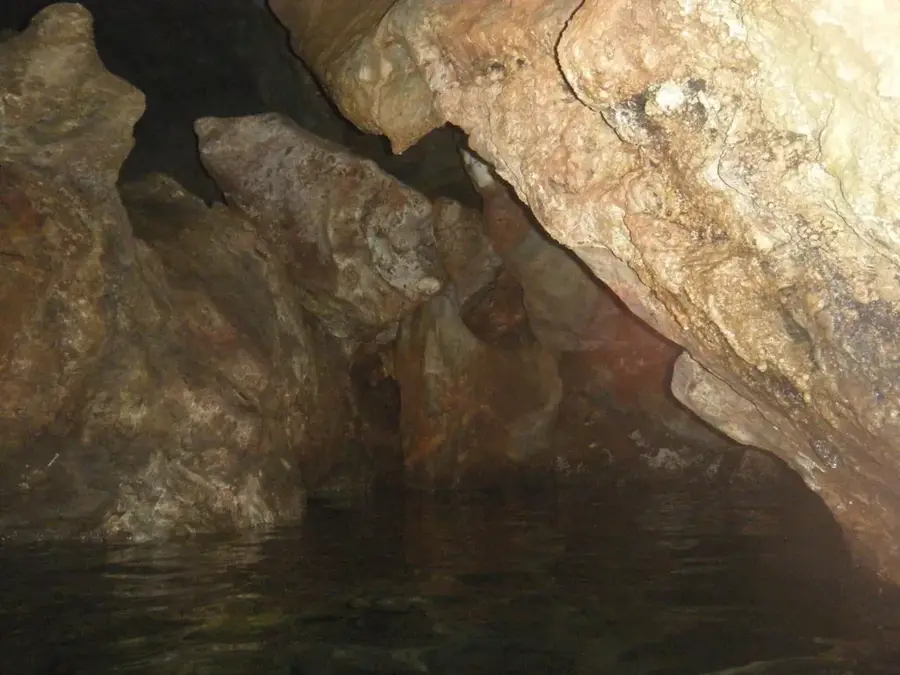
A small cave shrine dedicated to the Virgin of Lourdes, offering a nice viewpoint over the twin cities.
A peaceful highland lake just outside town, good for a quiet afternoon.
Water temperature…
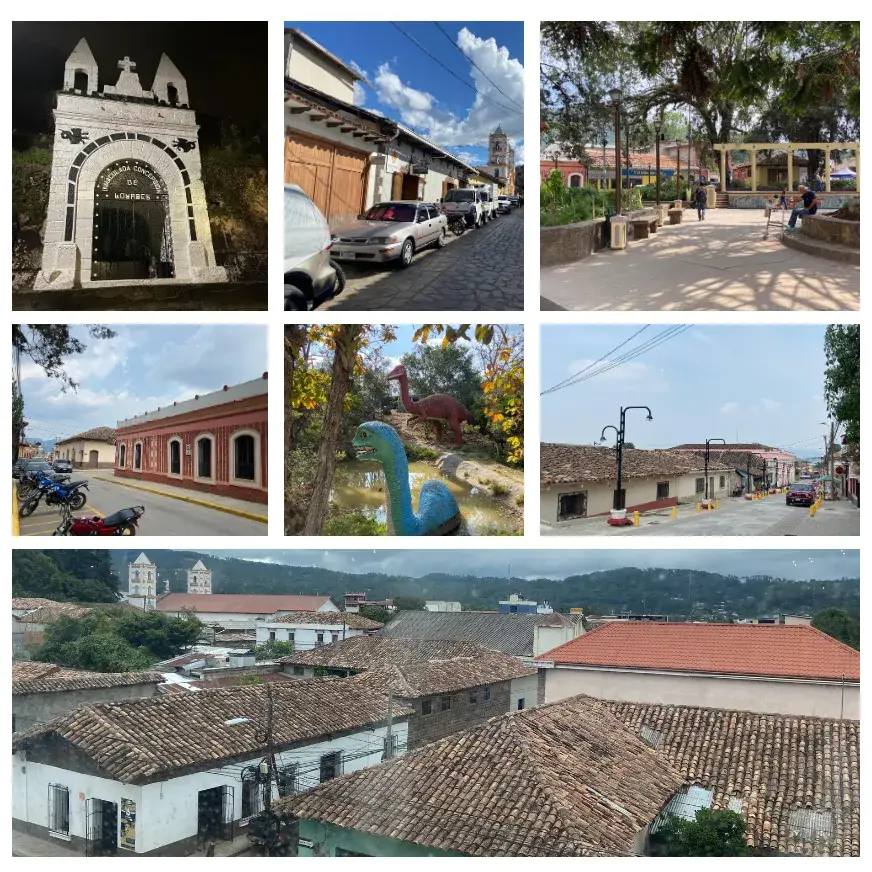
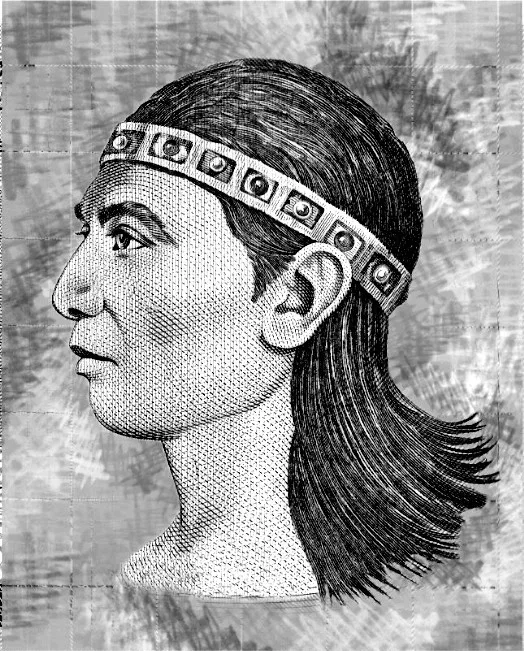
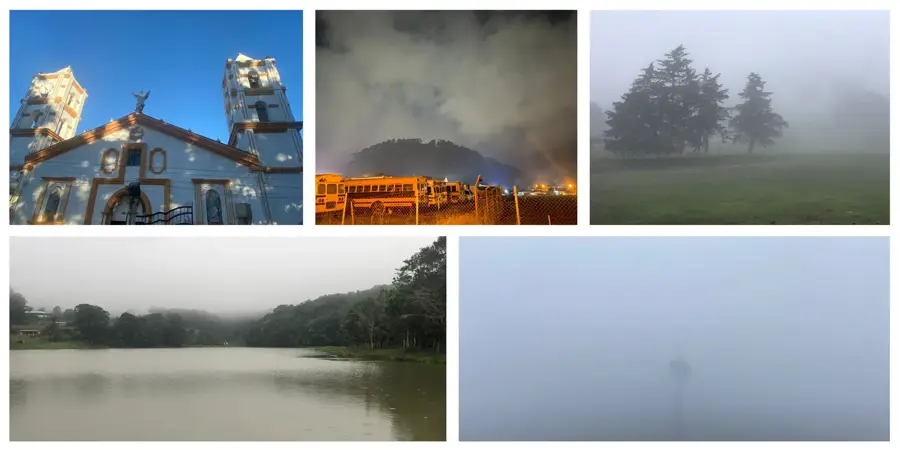
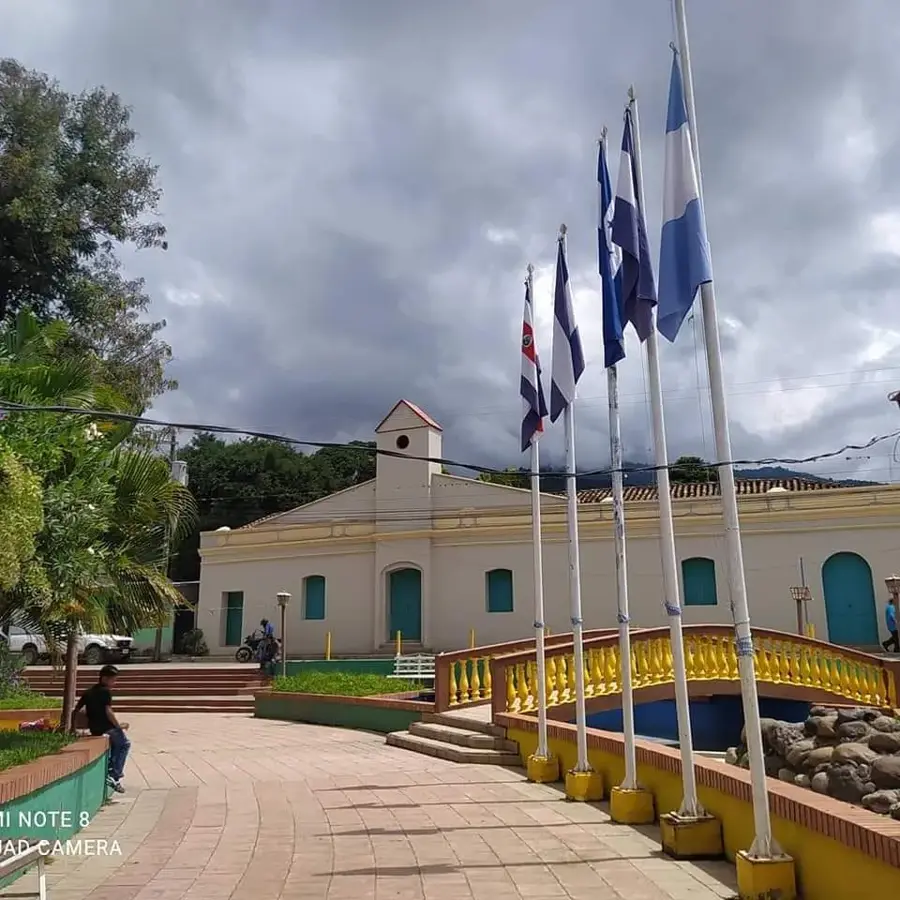
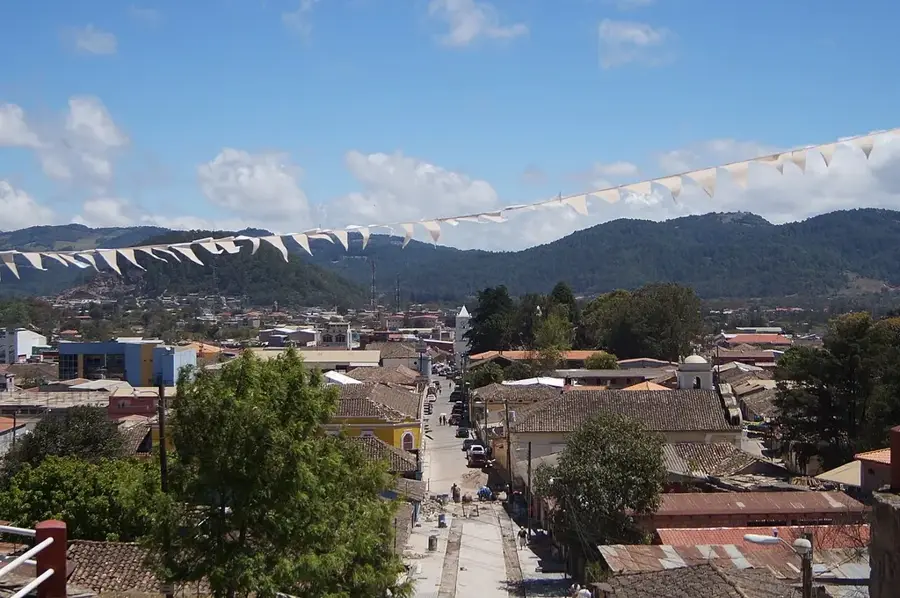
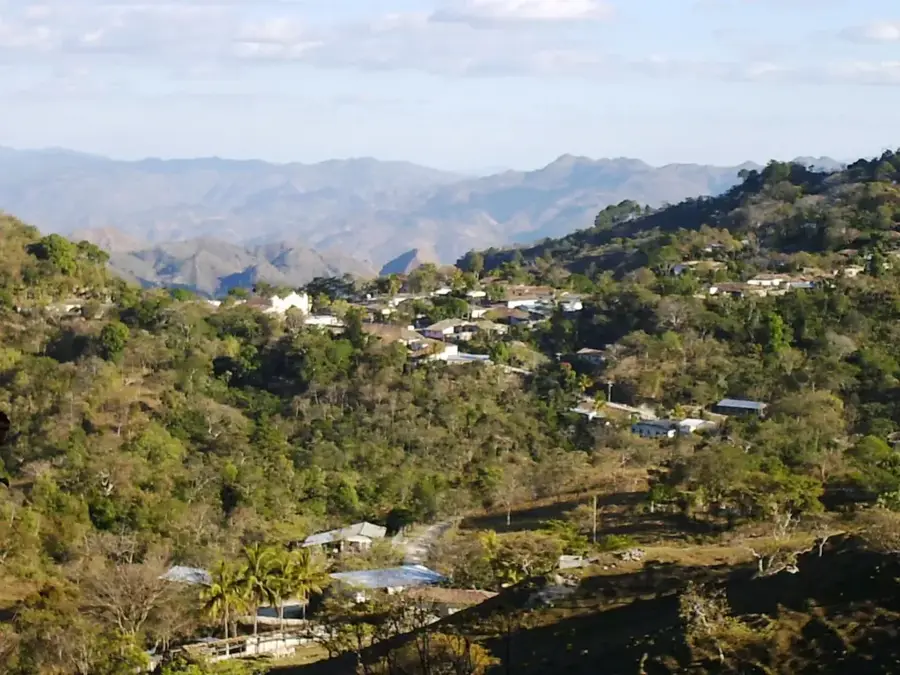
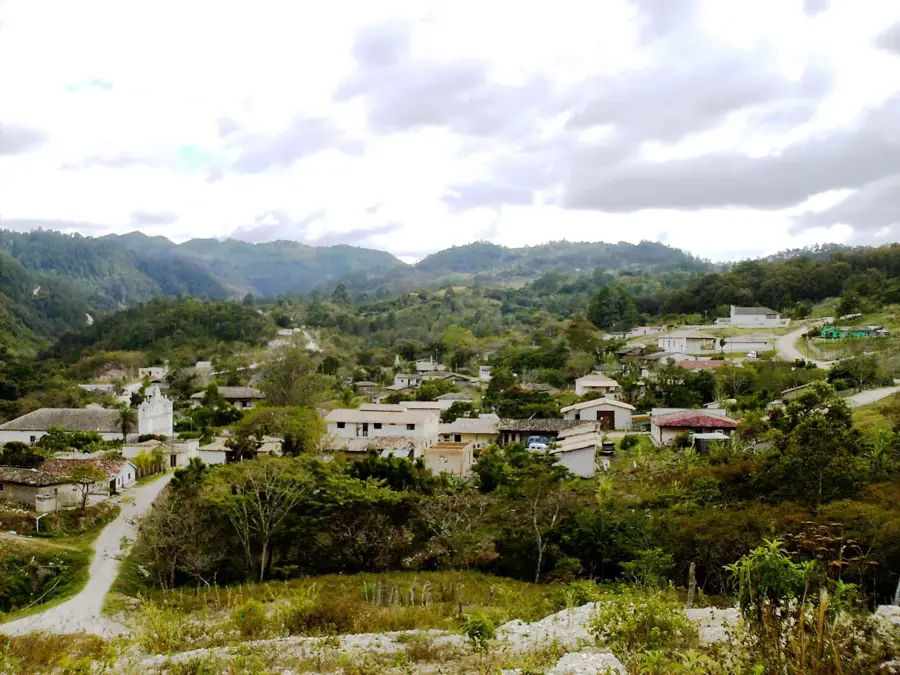
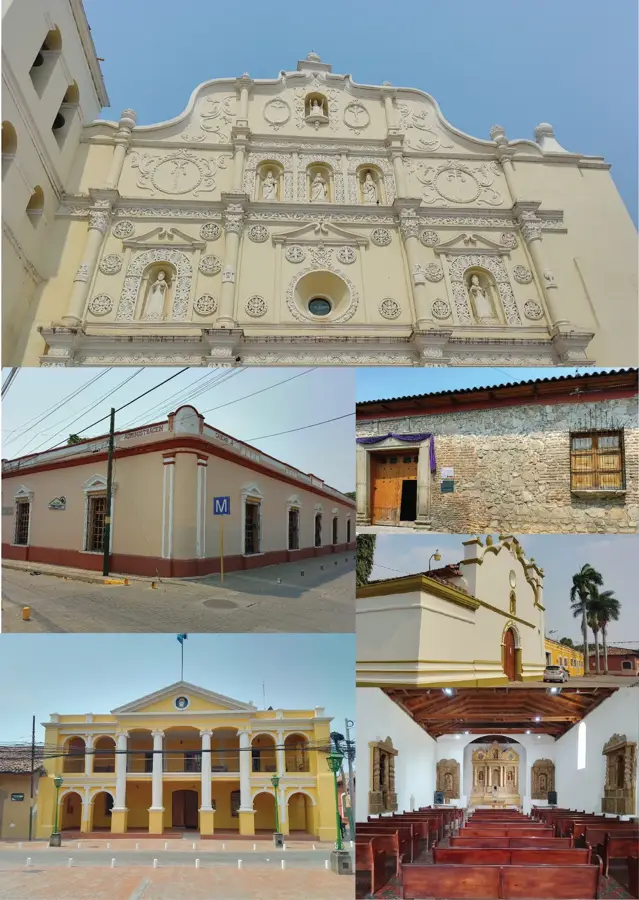
Intibucá is the twin town of La Esperanza, with which it forms a continuous urban core at around 1,700 m elevation in the western highlands of Honduras. While La Esperanza is the official capital of the department, Intibucá is historically the cultural heart of the Lenca, the country's largest indigenous group. The settlement enjoys a cool mountain climate surrounded by pine forests, highland meadows and carefully terraced fields. Local communities still preserve elements of the Lenca language, traditional weaving workshops, religious brotherhoods and a distinctive cycle of festivals and markets. Intibucá is also widely known for its strawberry and potato production, made possible by the mild highland climate and the rich volcanic soils of the surrounding plateau.
Explore on the map
How well do you know Honduras?
Find cities, landscapes and regions in 10 varied challenges on the interactive map.
Your journey, your memory
A postcard from Intibucá
Turn your own photo into a personal postcard with a local stamp. Free and no sign-up required.
Create a postcard- Location: Honduras
- Highlights: La Esperanza, Honduras · Intibucá Department · Ballet Folklórico Oro Lenca
- Nearby: Marcala (23 km)
- Population: ~13.741 (2024)
Best time to visit & climate
The most pleasant time to visit is Jan–Mar.
| Jan | Feb | Mar | Apr | May | Jun | Jul | Aug | Sep | Oct | Nov | Dec | |
|---|---|---|---|---|---|---|---|---|---|---|---|---|
| Avg °C | 19 | 21 | 22 | 24 | 23 | 22 | 22 | 22 | 21 | 21 | 19 | 19 |
| Rain mm | 26 | 21 | 19 | 39 | 145 | 195 | 143 | 173 | 219 | 163 | 65 | 36 |
Geography
Facts
- Forms a single urban area with La Esperanza
- Lenca market
- Highland culture
- Strawberry cultivation
Explore nearby
Notable places around
Route planner — Car & Motorhome
Where do you start? We build the route here, with stops and country notes along the way.
© OpenStreetMap contributors · OpenRouteService
Sights in the town Intibucá (3)
Frequently asked questions
What is the difference between Intibucá and La Esperanza?
What is the typical handicraft?
Can you go hiking there?
What are 'Choros'?
When is it coldest?
Intibucá: where is it located?
Intibucá: what is there to see?
Intibucá: when is the best time to visit?
Intibucá: why is it worth visiting?

Nearby cities

History & landmarks

Nature
More places