Plizio Visual Lab
Chicacao
ℹ️Practical info — Chicacao
▾
🌤 Weather — 5 days
📍 Nearby
Sights nearby
💡 Tips
- The climate on the coastal plain is hot and humid, so wear light, breathable clothing.
- This is a coffee and rubber growing region; mornings see heavy agricultural traffic.
- In the rainy season, heavy downpours can occur in the afternoons, so plan outdoor activities for the morning.
- Use the small tuk-tuks for short trips within town to beat the heat.
🍽 Food
Thanks to its relative proximity to the coast, you can find excellent ceviche in the eateries around the market.
Buy the sweetest local fruits directly from street vendors.
Though from a different region, this traditional turkey soup is often offered on weekends in family diners.
🛍 Shopping · 🧘 Quiet spots
Being a coffee region, you can buy unroasted or freshly roasted beans directly from small shops.
Visit the open-air market to see inexpensive tropical produce and agricultural tools.
Find a spot under the giant Ceiba trees to escape the afternoon heat.
A walk on the outskirts of town will take you past lush, shaded coffee plantations.
Water temperature…
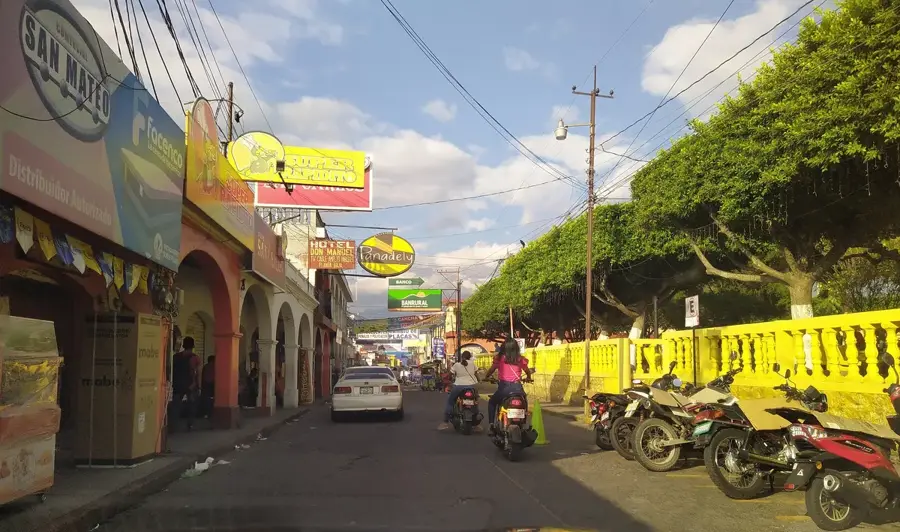
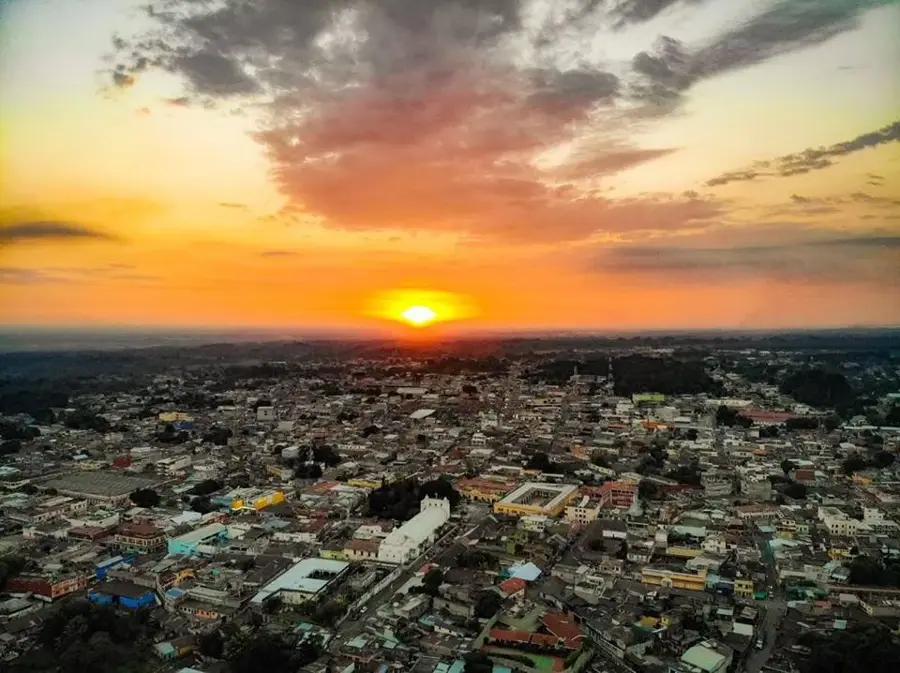
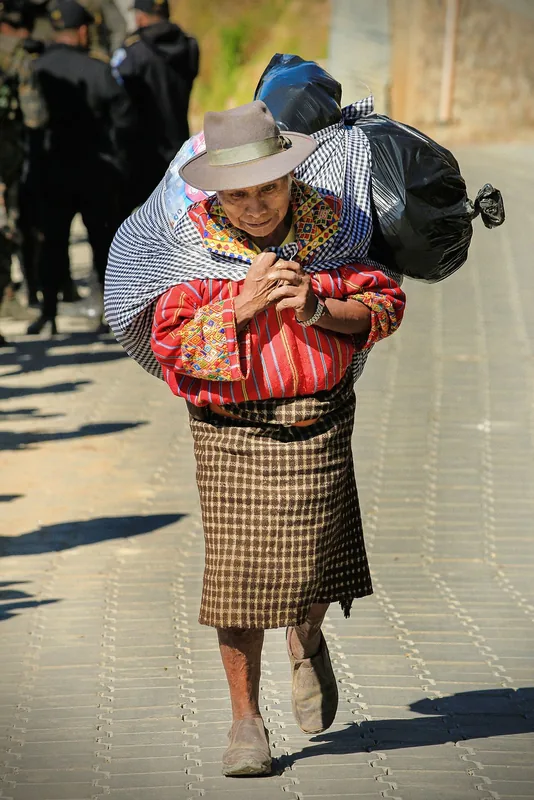
Chicacao is a prominent municipality in the Suchitepéquez Department, located in a region renowned for its exceptional soil fertility. While its roots trace back to the colonial era, it was officially elevated to the status of a municipality on March 5, 1889. The geography of Chicacao is diverse, spanning from the highland foothills down to the tropical coastal plains, which allows for a vast array of agricultural production. The economy is primarily driven by the cultivation of coffee, sugar cane, rubber, and various tropical fruits. A defining characteristic of Chicacao is its large indigenous Mayan population, particularly the Tz'utujil and K'iche' groups, who have preserved their native languages and customs. The town serves as a vital commercial hub for the surrounding rural communities and large plantations. The annual festival in honor of Saint Michael the Archangel in September is a cultural highlight, blending religious devotion with local traditions. Despite modernization, agriculture remains the primary livelihood and the foundation of the town's social identity.
Explore on the map
How well do you know Guatemala?
Find cities, landscapes and regions in 10 varied challenges on the interactive map.
Your journey, your memory
A postcard from Chicacao
Turn your own photo into a personal postcard with a local stamp. Free and no sign-up required.
Create a postcard- Location: Guatemala
- Nearby: San Antonio Suchitepéquez (8 km)
- Population: ~60.735 (2023)
Best time to visit & climate
The most pleasant time to visit is Jan, Feb, Dec.
| Jan | Feb | Mar | Apr | May | Jun | Jul | Aug | Sep | Oct | Nov | Dec | |
|---|---|---|---|---|---|---|---|---|---|---|---|---|
| Avg °C | 21 | 22 | 23 | 24 | 24 | 23 | 23 | 23 | 22 | 22 | 21 | 21 |
| Rain mm | 4 | 6 | 18 | 64 | 231 | 317 | 234 | 292 | 346 | 302 | 61 | 8 |
Geography
Facts
- Chicacao was officially established as a municipality on March 5, 1889.
- The town sits at an elevation of approximately 500 meters above sea level.
- Major export products include coffee, rubber, and sugar cane.
- A significant portion of the population is of Mayan Tz'utujil descent.
- The patronal feast is held every year on September 29.
- The municipality was originally part of the Sololá Department.
Explore nearby
Notable places around
Route planner — Car & Motorhome
Where do you start? We build the route here, with stops and country notes along the way.
© OpenStreetMap contributors · OpenRouteService
Sights in the town Chicacao (1)
Frequently asked questions
Why is the city called Chicacao?
What is grown there today?
What is the view like?
When is market day?
What is the culture like?
Chicacao: where is it located?
Chicacao: when is the best time to visit?
Chicacao: why is it worth visiting?

Nearby cities
History & landmarks
Nature
More places