Plizio Visual Lab
Centroamérica Hydroelectric Plant

Weather…
Water temperature…
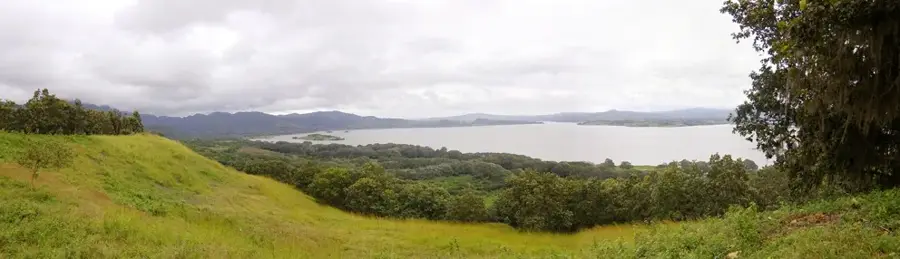
The Centroamérica Hydroelectric Plant is a historic and strategic component of Nicaragua's energy infrastructure, located in the department of Jinotega. It utilizes the waters of the Apanás Reservoir, an artificial lake created in the 1960s specifically for power generation. Commissioned in 1964, it was the country's first major hydroelectric project and signaled the start of a large-scale shift toward renewable resources. The plant harnesses the energy of the Tuma River, channeling it through two Francis turbines to generate clean electricity for the national grid. Beyond power production, the reservoir is vital for local agriculture and artisanal fishing in the Jinotega region. In recent years, the facility has undergone significant rehabilitation to modernize its electromechanical systems and extend the operational life of the turbines. As a reliable source of baseload and peak power, Centroamérica remains essential to Nicaragua's commitment to a sustainable and independent energy sector.
Explore on the map
How well do you know Nicaragua?
Find cities, landscapes and regions in 10 varied challenges on the interactive map.
Your journey, your memory
A postcard from Centroamérica Hydroelectric Plant
Turn your own photo into a personal postcard with a local stamp. Free and no sign-up required.
Create a postcard- Location: Nicaragua
- Nearby: El Tuma - La Dalia (27 km)
Best time to visit & climate
The most pleasant time to visit is Jan, Feb, Dec.
| Jan | Feb | Mar | Apr | May | Jun | Jul | Aug | Sep | Oct | Nov | Dec | |
|---|---|---|---|---|---|---|---|---|---|---|---|---|
| Avg °C | 23 | 24 | 25 | 27 | 26 | 24 | 24 | 24 | 24 | 23 | 22 | 22 |
| Rain mm | 4 | 4 | 10 | 35 | 184 | 211 | 105 | 145 | 259 | 242 | 42 | 17 |
📋 Practical info
Geography
Facts
- Commenced operations in 1964 in the Jinotega department.
- Utilizes water from the artificially created Apanás Reservoir.
- The first major hydroelectric plant in Nicaragua's history.
- Equipped with two Francis turbines for power generation.
- Total installed capacity is approximately 50 megawatts.
- Underwent a comprehensive modernization between 2012 and 2015.
Explore nearby
Notable places around
Route planner — Car & Motorhome
Where do you start? We build the route here, with stops and country notes along the way.
© OpenStreetMap contributors · OpenRouteService
Sights nearby
Frequently asked questions
What is the Centroamérica hydropower plant?
Where is it located?
Can you visit it?
Why there?
What is the environment?
Centroamérica Hydroelectric Plant: where is it located?
Centroamérica Hydroelectric Plant: when is the best time to visit?
Centroamérica Hydroelectric Plant: why is it worth visiting?

Nearby cities




History & landmarks
Nature
More places