Plizio Visual Lab
Jinotega
ℹ️Practical info — Jinotega
▾
🌤 Weather — 5 days
📍 Nearby
Sights nearby
💡 Tips
- Due to its high altitude, mornings and evenings are chilly and misty; pack a light jacket.
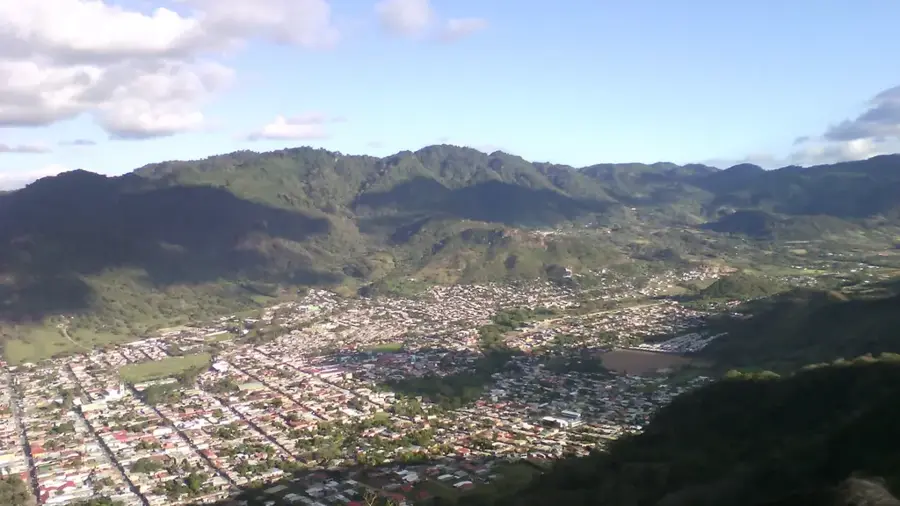
- The hike up to Peña de la Cruz is steep but has the best panoramic view of the 'City of Mists'.
- Local buses connect Jinotega to Matagalpa and Estelí; they are cheap but slow.
- Explore the surrounding coffee farms during the harvest season (November to February).
🍽 Food
Enjoy a fresh cup of local coffee at cafes near the central park.
Sweet corn pancakes served with fresh cheese, found at local markets.
A traditional weekend dish, best bought from local vendors on morning weekends.
🛍 Shopping · 🧘 Quiet spots
A chaotic but authentic place to buy fresh highland vegetables and local cheese.
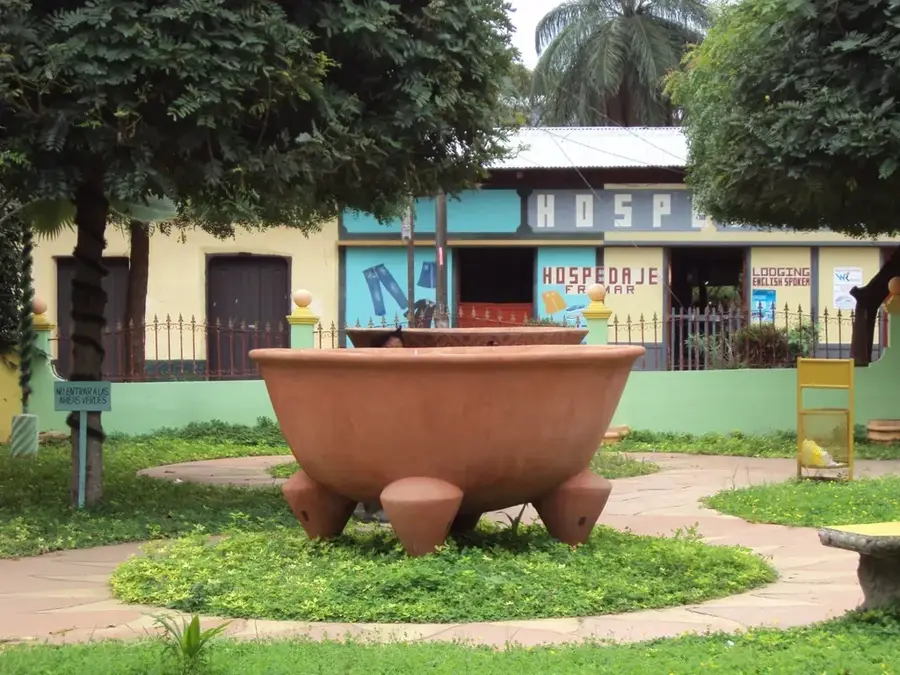
Unique black pottery from the nearby artisan communities.
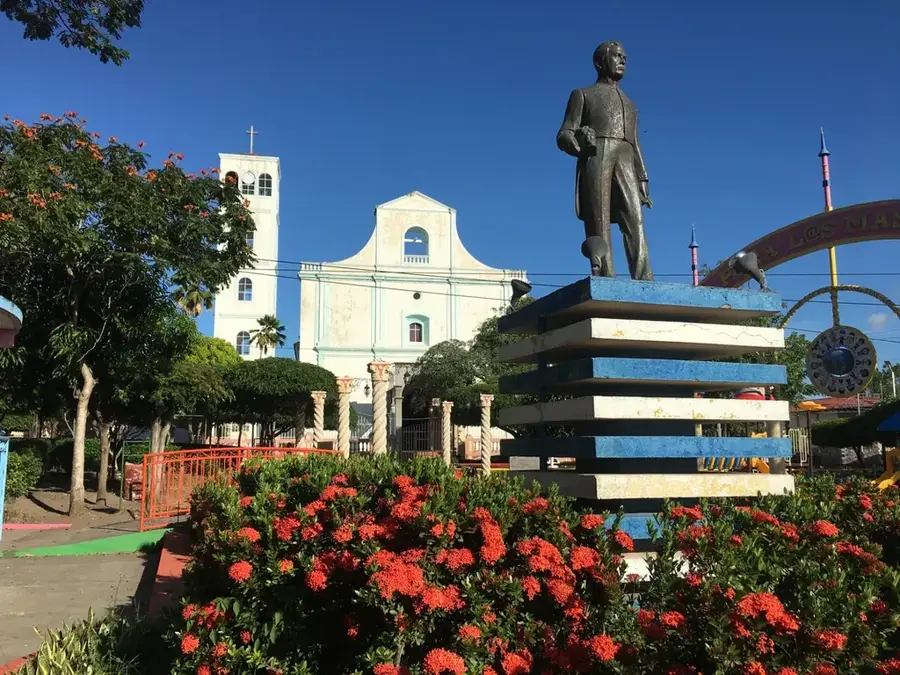
A serene spot with large trees and the Cathedral of San Juan, well-suited for people-watching.
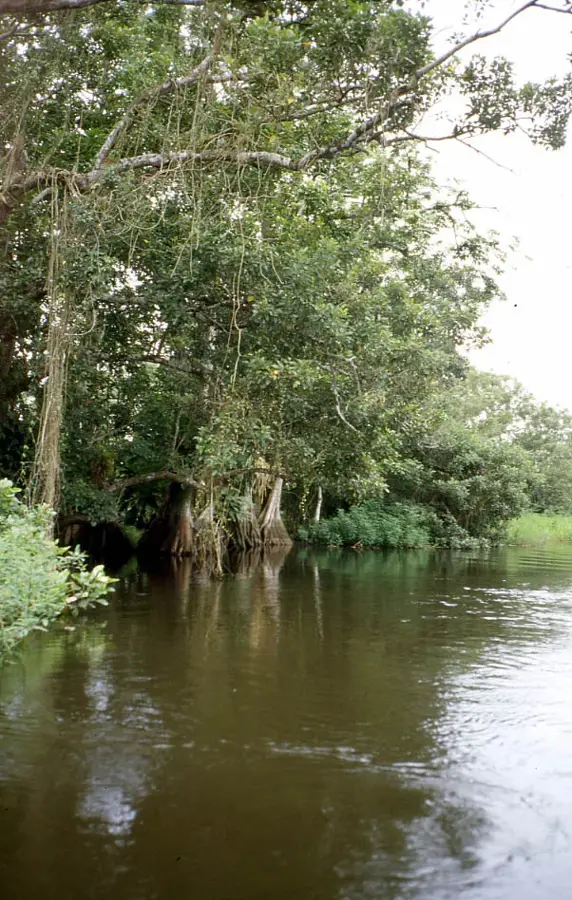
A short drive from the city, offering tranquil waters and bird watching.
Water temperature…
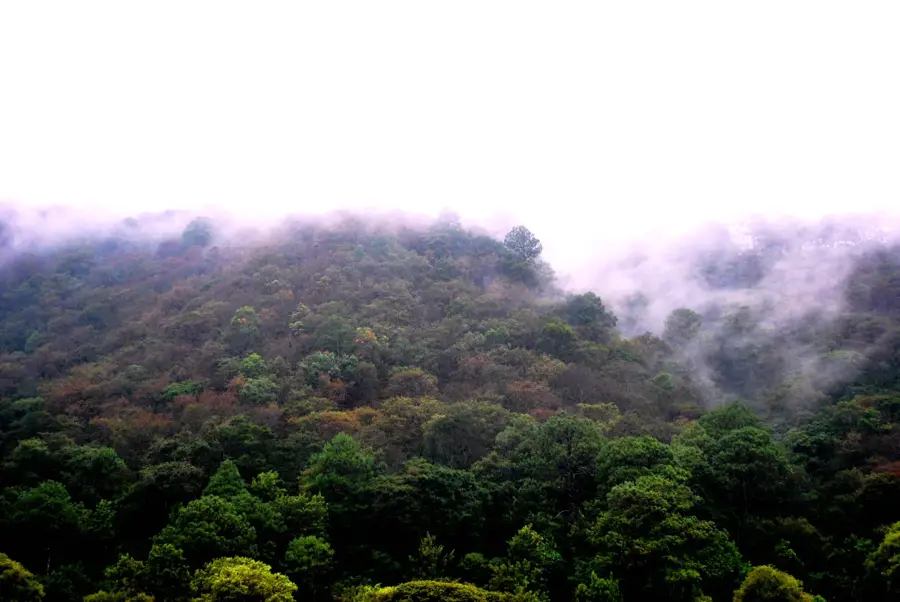
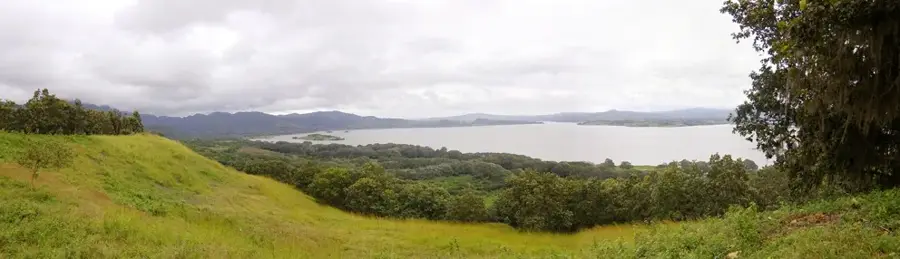
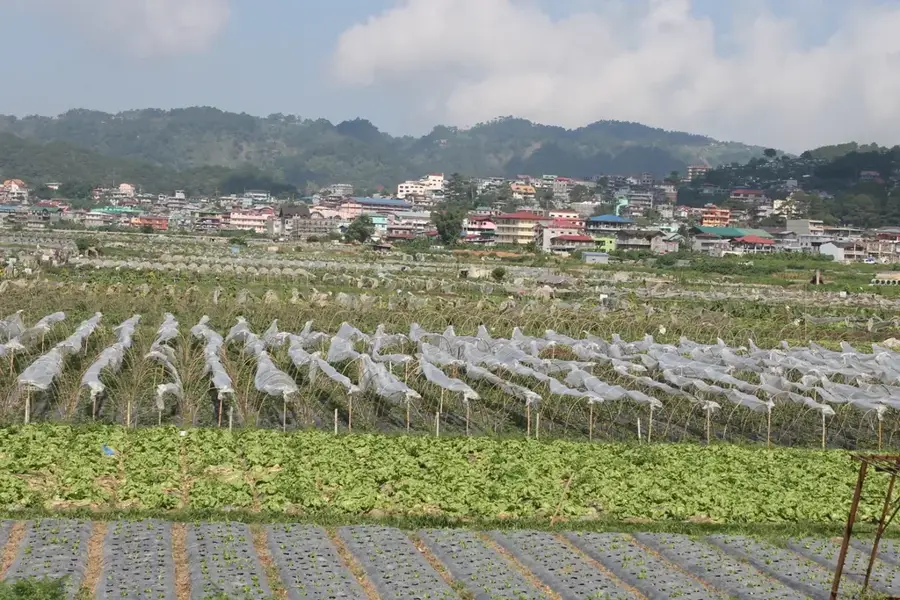
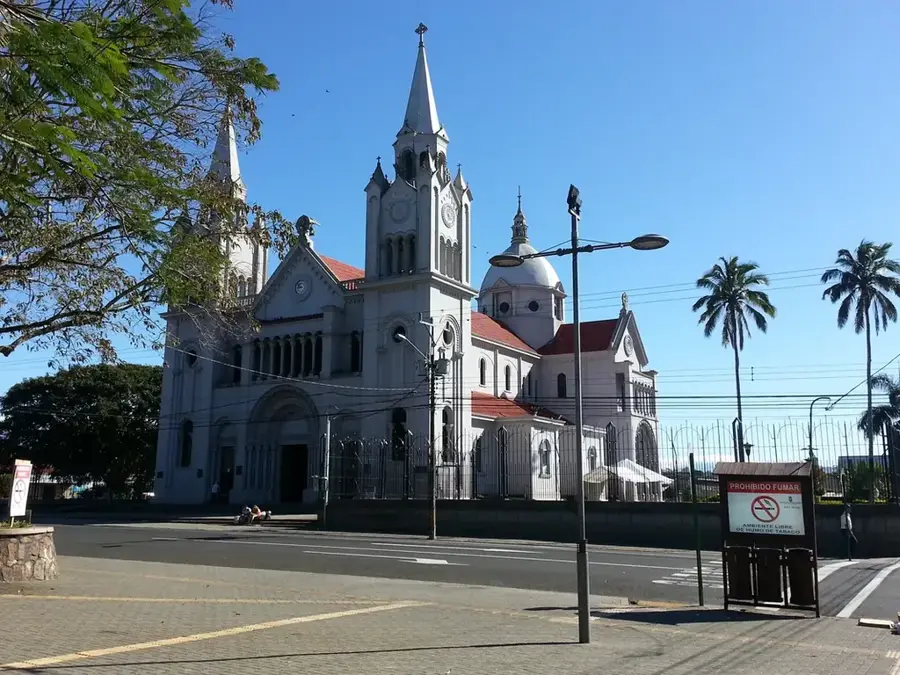
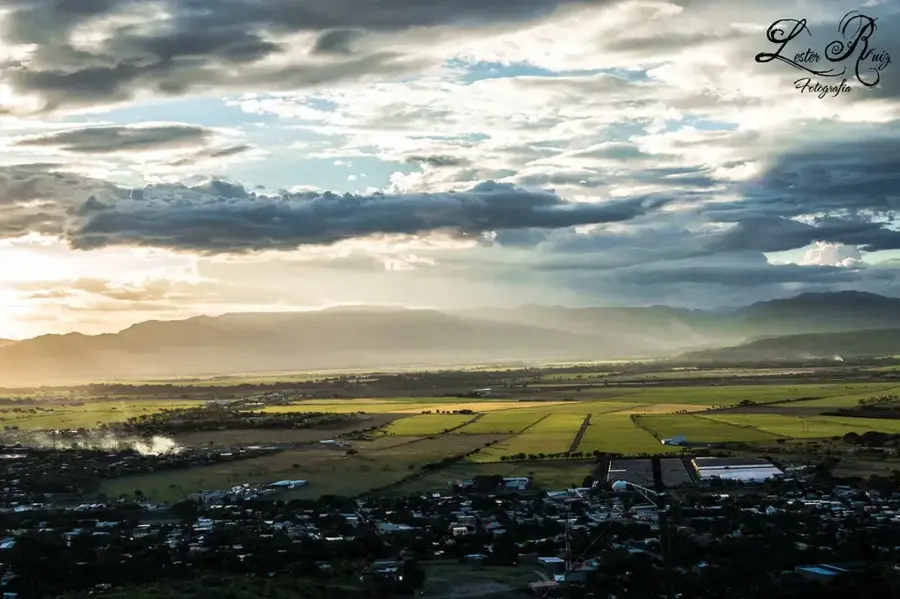
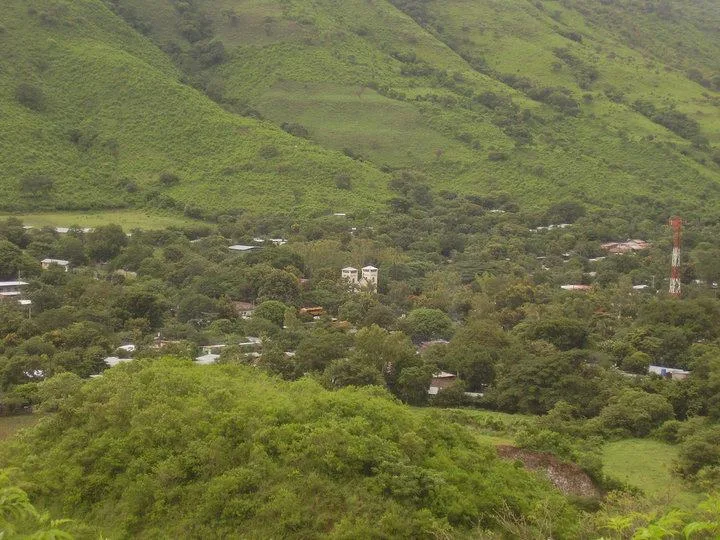
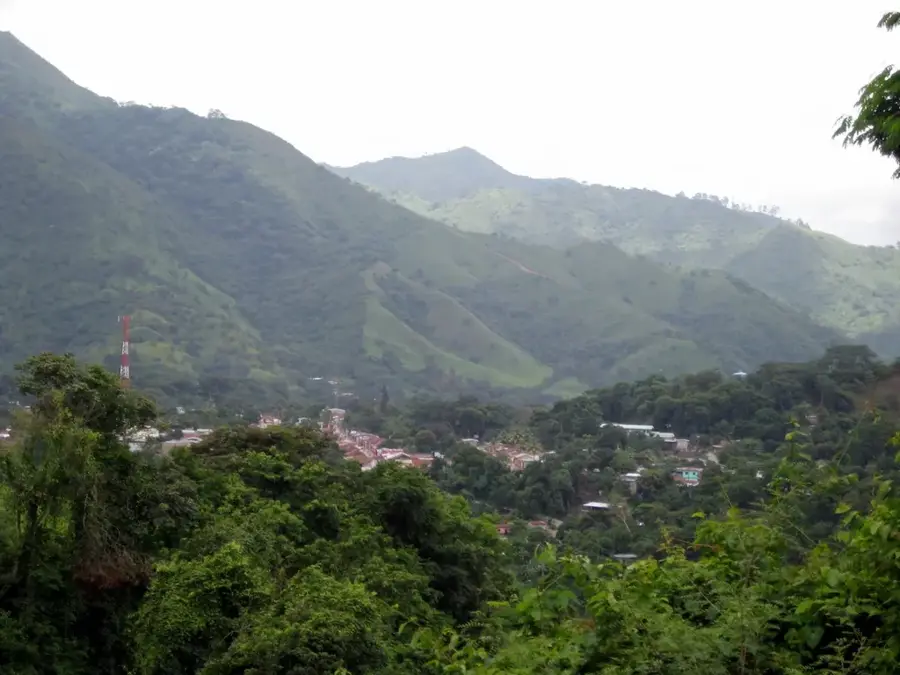
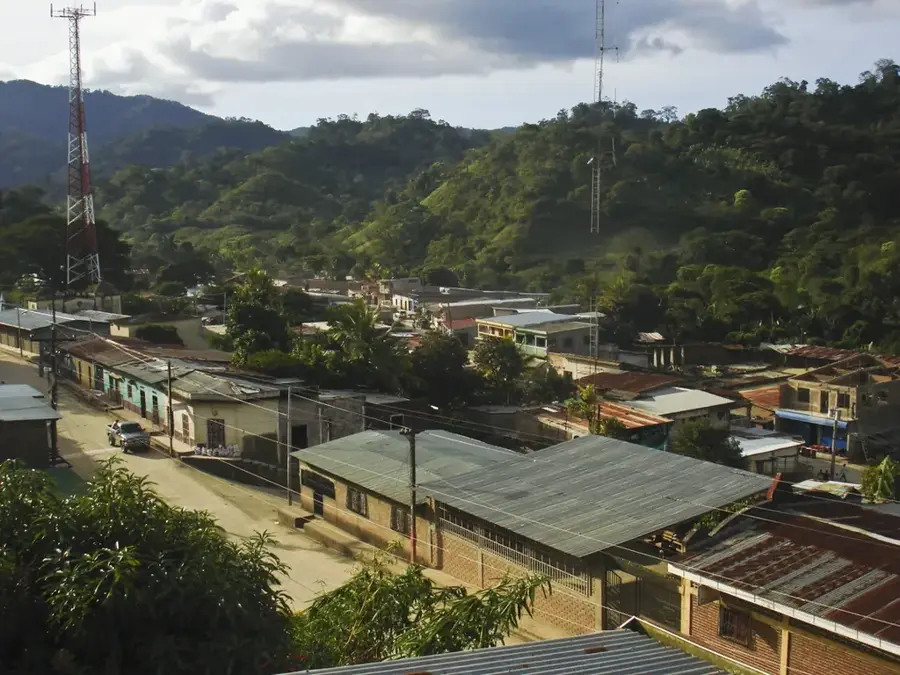
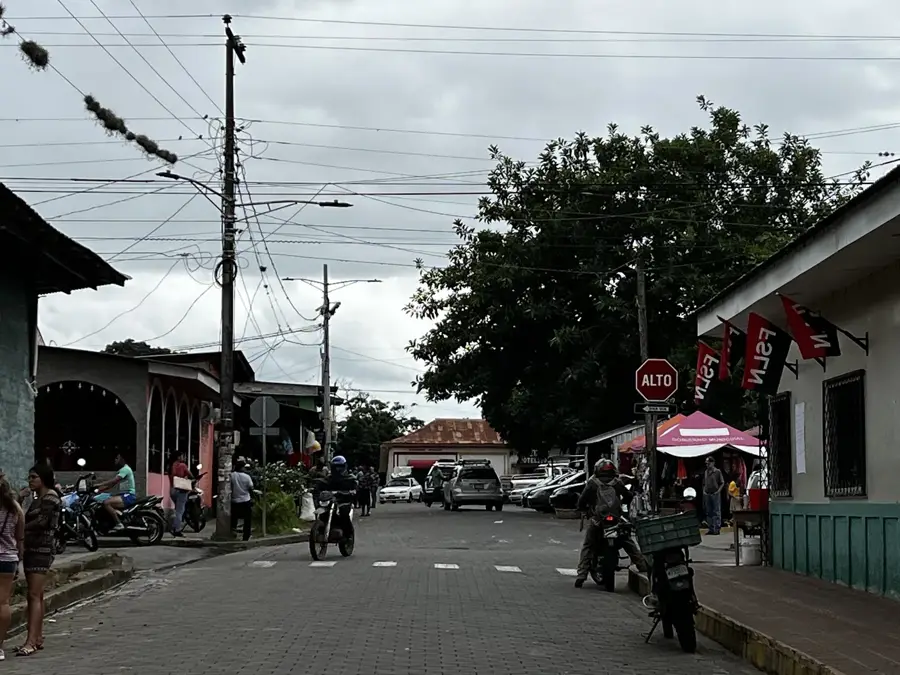
Jinotega, the "City of Mists," serves as the capital of Nicaragua's northernmost highland department and is the undisputed coffee capital of the nation. Perched at an elevation of over 1,000 meters within a fertile valley of the Cordillera Isabelia, the city enjoys a brisk, temperate climate that stands in stark contrast to the humid lowlands of the Pacific coast. The name Jinotega has roots in indigenous languages, likely meaning "neighbor of the Jiñocuabos" (a native tree species). The city's history is deeply intertwined with the expansion of the agricultural frontier in the 19th century, when European immigrants, particularly Germans, introduced commercial coffee cultivation. Today, the Jinotega department produces nearly two-thirds of Nicaragua's total coffee output, supporting a sophisticated network of processing plants and export cooperatives. A defining feature of the local landscape is Lake Apanás, a vast man-made reservoir constructed in 1964 to power the country's first major hydroelectric plant. This lake has since become a crucial habitat for migratory birds and a center for local artisanal fishing. Culturally, Jinotega is a bastion of "Norteño" traditions, characterized by polkas and mazurkas brought by settlers and adapted by local musicians. The most prominent landmark is the Peña de la Cruz, a steep hill topped with a monumental cross; climbing its hundreds of steps is both a physical challenge and a spiritual pilgrimage for locals. The San Juan Cathedral, with its stately towers, anchors the city's central plaza. Beyond coffee, Jinotega is the primary source of the country's temperate vegetables, such as lettuce, carrots, and potatoes. The city's recent history was marked by its role as a strategic gateway during the Sandinista Revolution and the subsequent Contra war, leaving a legacy of political activism and strong community identity. For modern visitors, Jinotega provides an authentic look into the "Golden Grain" (coffee) industry and serves as a base for exploring the cloud forests of the Datanlí-El Diablo Nature Reserve, blending economic vitality with ecological preservation.
Explore on the map
How well do you know Nicaragua?
Find cities, landscapes and regions in 10 varied challenges on the interactive map.
Your journey, your memory
A postcard from Jinotega
Turn your own photo into a personal postcard with a local stamp. Free and no sign-up required.
Create a postcard- Location: Nicaragua
- Highlights: St. John Cathedral, Jinotega · Diocese of Jinotega · Jinotega Department
- Nearby: La Trinidad (27 km)
- Population: ~55.000 (2026)
Best time to visit & climate
The most pleasant time to visit is Jan, Feb, Dec.
| Jan | Feb | Mar | Apr | May | Jun | Jul | Aug | Sep | Oct | Nov | Dec | |
|---|---|---|---|---|---|---|---|---|---|---|---|---|
| Avg °C | 23 | 24 | 25 | 27 | 26 | 24 | 24 | 24 | 24 | 23 | 22 | 22 |
| Rain mm | 4 | 4 | 10 | 35 | 184 | 211 | 105 | 145 | 259 | 242 | 42 | 17 |
Geography
Facts
- Jinotega's urban population is approximately 55,000 residents.
- The city is nicknamed 'The City of Mists' due to its frequent low clouds.
- The distance from Jinotega to the capital, Managua, is about 100 miles.
- Lake Apanás was created by damming the Tuma River.
- The Datanlí-El Diablo Nature Reserve is located just outside the city.
- Jinotega was the site of significant battles during the 1920s Sandino uprising.
- The city's main feast day is May 3rd, the Day of the Holy Cross.
- The local economy relies on over 40,000 small and medium coffee farms.
Explore nearby
Notable places around
Route planner — Car & Motorhome
Where do you start? We build the route here, with stops and country notes along the way.
© OpenStreetMap contributors · OpenRouteService
Sights in the town Jinotega (3)
Frequently asked questions
What is Jinotega known for?
What is the climate like?
Is it safe?
Are there sights?
How much time to plan?
Jinotega: where is it located?
Jinotega: what is there to see?
Jinotega: when is the best time to visit?
Jinotega: why is it worth visiting?

Nearby cities


History & landmarks
Nature
More places