Plizio Visual Lab
Opalaca Reserve

Weather…
Water temperature…
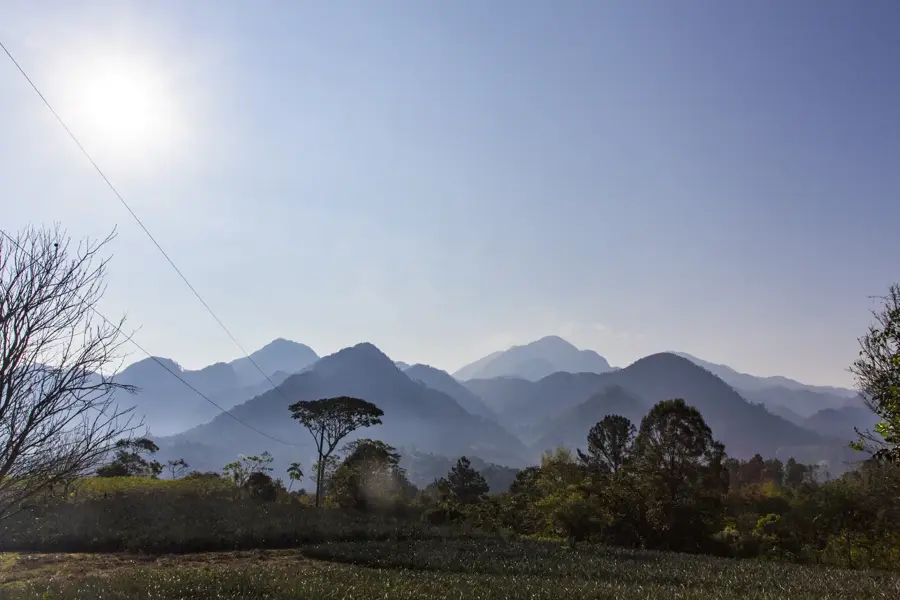
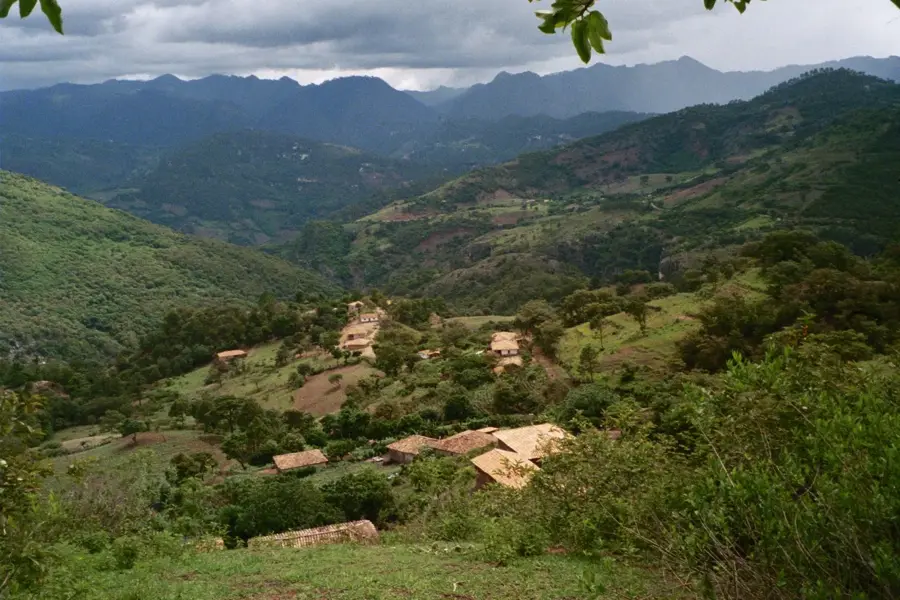
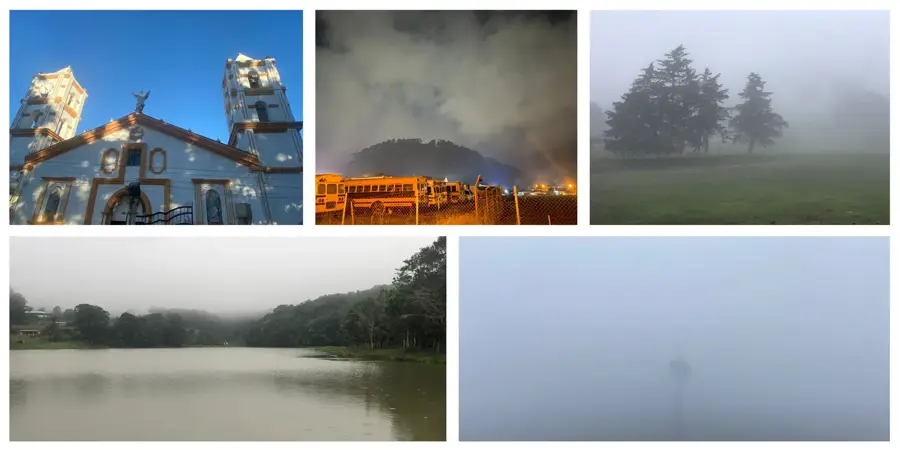
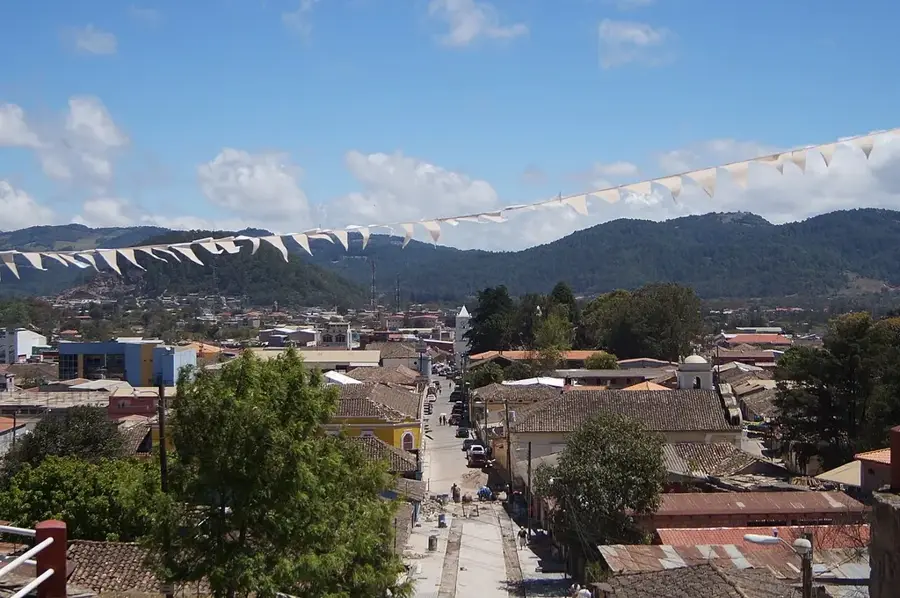
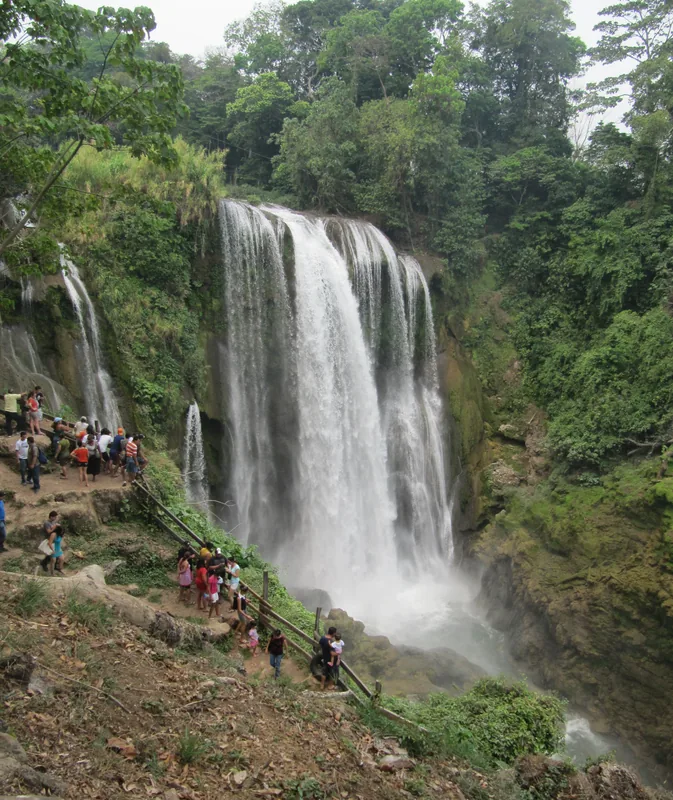
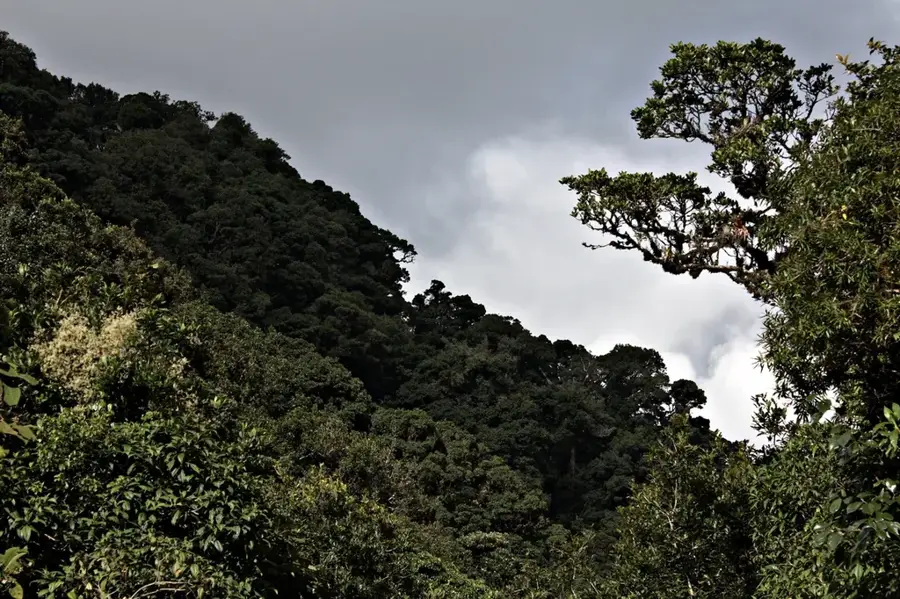
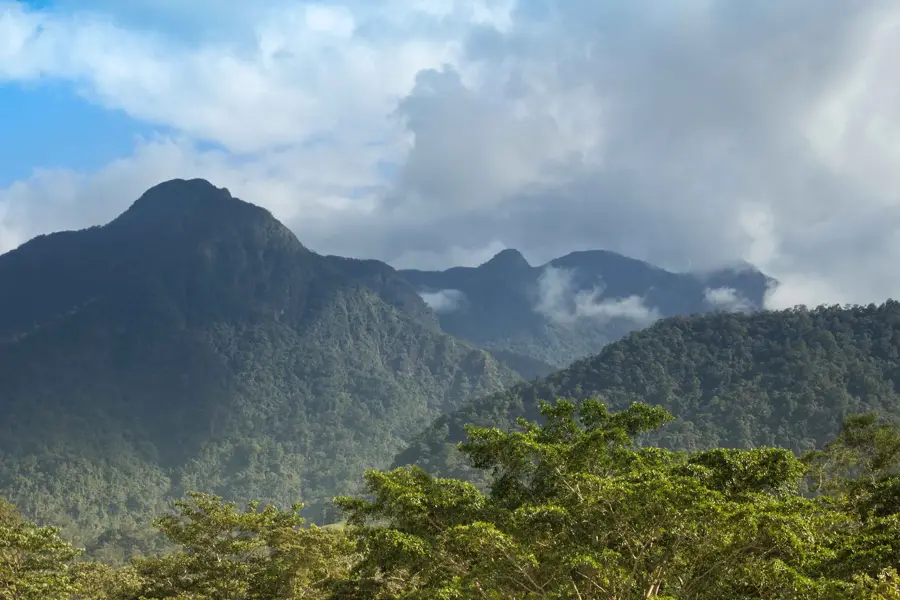
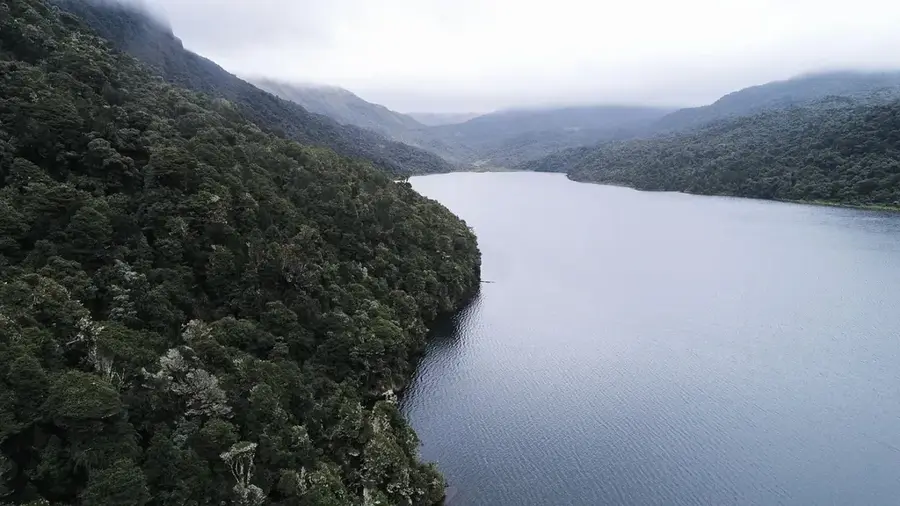
The Opalaca Biological Reserve is a significant highland protected area in southwestern Honduras, spanning the departments of Intibucá and Lempira. This reserve safeguards a rugged mountain massif that reaches elevations of over 2,300 meters, hosting some of the most well-preserved cloud forests in the region. Geographically, Opalaca is of paramount importance to the regional water balance, as it feeds numerous rivers that irrigate the drier surrounding valleys. The vegetation consists of a dense canopy of oaks and pines, adorned with an abundance of epiphytes such as orchids and bromeliads. Culturally, the area is inextricably linked to the indigenous Lenca people, who have inhabited these mountains for generations and possess profound knowledge of forest-based medicinal plants. The reserve was officially established in 1987 to protect biodiversity from the pressures of expanding coffee plantations and cattle ranching. Its remote location and cool climate provide a sanctuary for rare wildlife species, including the mountain lion and various endemic birds. Opalaca stands as a symbol of both cultural and ecological resilience in the Honduran highlands.
Explore on the map
How well do you know Honduras?
Find cities, landscapes and regions in 10 varied challenges on the interactive map.
Your journey, your memory
A postcard from Opalaca Reserve
Turn your own photo into a personal postcard with a local stamp. Free and no sign-up required.
Create a postcard- Location: Honduras
- Nearby: Intibucá (7 km)
Best time to visit & climate
The most pleasant time to visit is Jan–Mar.
| Jan | Feb | Mar | Apr | May | Jun | Jul | Aug | Sep | Oct | Nov | Dec | |
|---|---|---|---|---|---|---|---|---|---|---|---|---|
| Avg °C | 19 | 21 | 22 | 24 | 23 | 22 | 22 | 22 | 21 | 21 | 19 | 19 |
| Rain mm | 26 | 21 | 19 | 39 | 145 | 195 | 143 | 173 | 219 | 163 | 65 | 36 |
📋 Practical info
Geography
Facts
- The reserve covers a total area of approximately 160 square kilometers.
- The highest point reaches an elevation of roughly 2,344 meters.
- It forms part of the broader mountain range known as the Sierra de Opalaca.
- The surrounding region is famous for producing high-quality Lenca coffee.
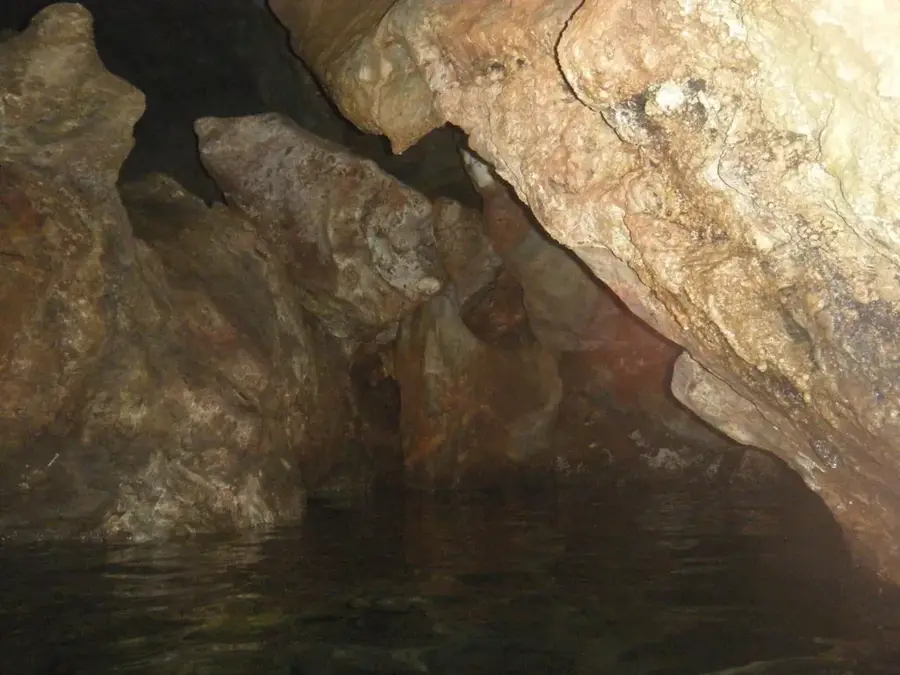
- Numerous unexplored cave systems exist within its limestone geological formations.
- Nighttime temperatures frequently drop below 10 degrees Celsius due to altitude.
Explore nearby
Notable places around
Route planner — Car & Motorhome
Where do you start? We build the route here, with stops and country notes along the way.
© OpenStreetMap contributors · OpenRouteService
Sights nearby
Frequently asked questions
Who lives in the Opalaca area?
What ecosystems are found here?
Is there tourist infrastructure?
What is the temperature in the reserve?
Are the trails hard to find?
Opalaca Reserve: where is it located?
Opalaca Reserve: when is the best time to visit?
Opalaca Reserve: why is it worth visiting?

Nearby cities
History & landmarks
Nature
More places