Plizio Visual Lab
Gracias

ℹ️Practical info — Gracias
▾
🌤 Weather — 5 days
📍 Nearby
Sights nearby
💡 Tips
- Visit the thermal springs (Aguas Termales) early morning or late evening.
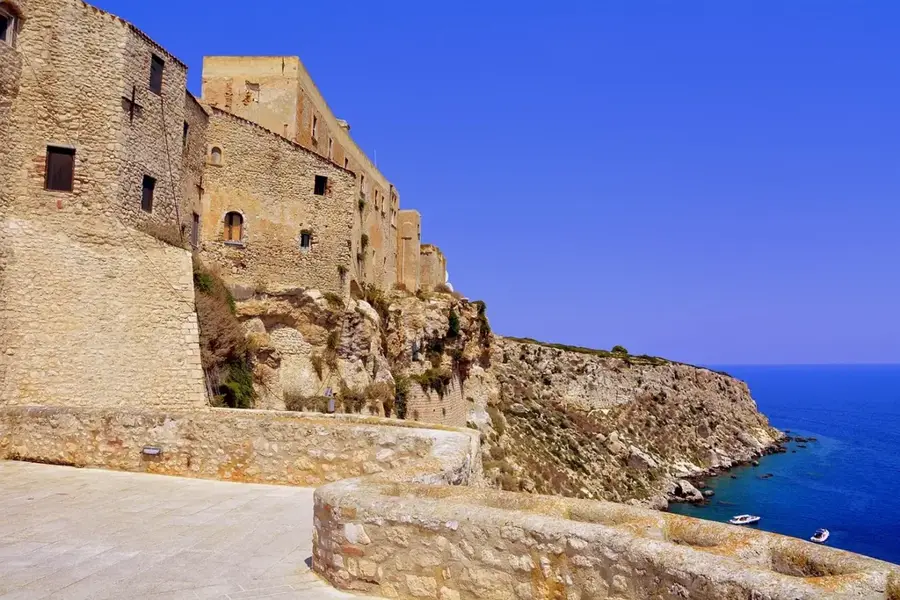
- Explore the San Cristobal Fortress for panoramic views of the valley.
- Bring cash, as some smaller vendors in the market do not accept cards.
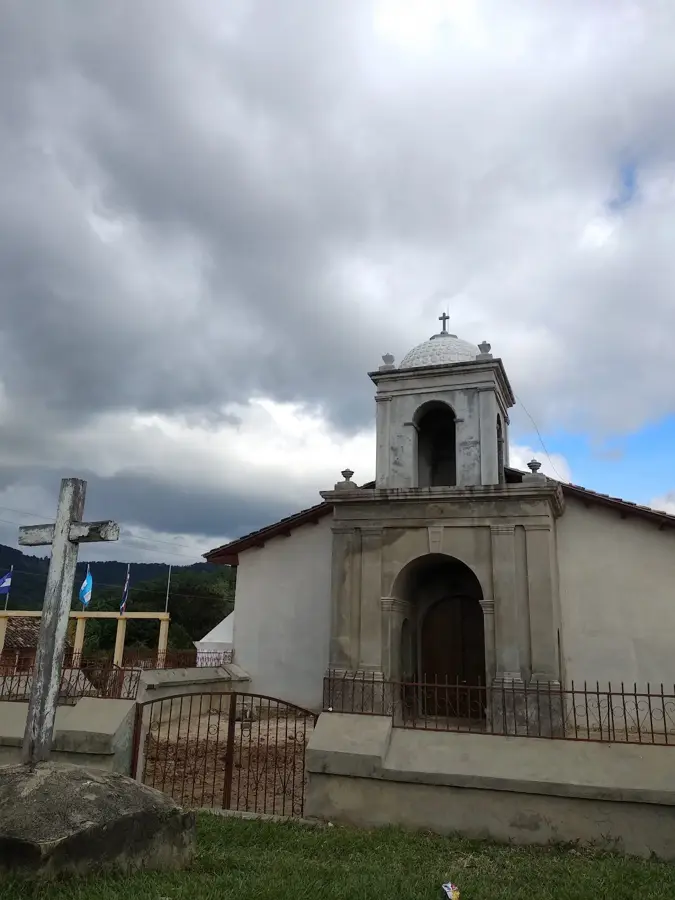
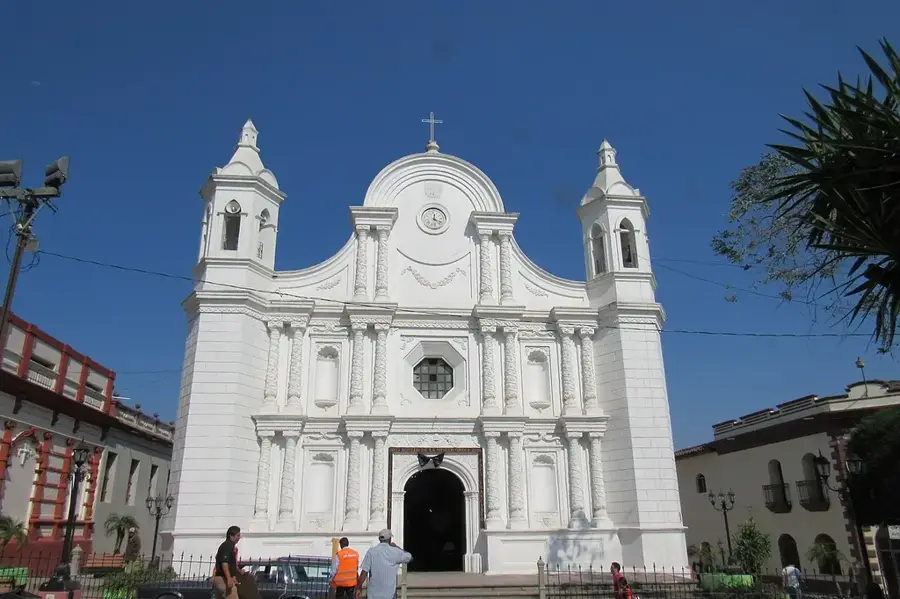
- Walk around the central plaza to admire the colonial churches.
- Rent a tuk-tuk for affordable and quick trips outside the city center.
🍽 Food
These corn tamales filled with beans are a Lenca specialty, easily found at the local market.
A fermented corn drink often sold at street stalls near the plaza in the late afternoon.
Look for family-run comedores around the historical center for authentic flavors.
🛍 Shopping · 🧘 Quiet spots
Find colorful, traditional ceramics at artisan shops near the town center.
Gracias is in a prominent coffee region; buy freshly roasted beans at a local cafe.
The central market is first-rate for buying fresh tropical fruits, spices, and everyday items.
Just outside town, offering peaceful hiking trails through the mystical cloud forest.
A quiet, green space well-suited for a relaxing walk and admiring local flora.
Enjoy a tranquil moment as the sun sets over the town from this historic vantage point.
Water temperature…
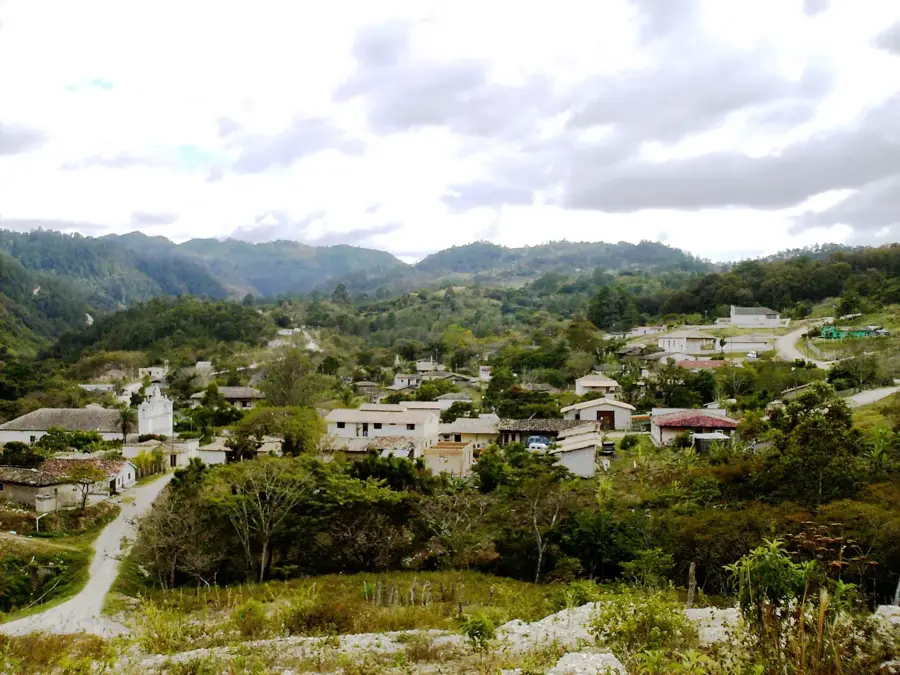
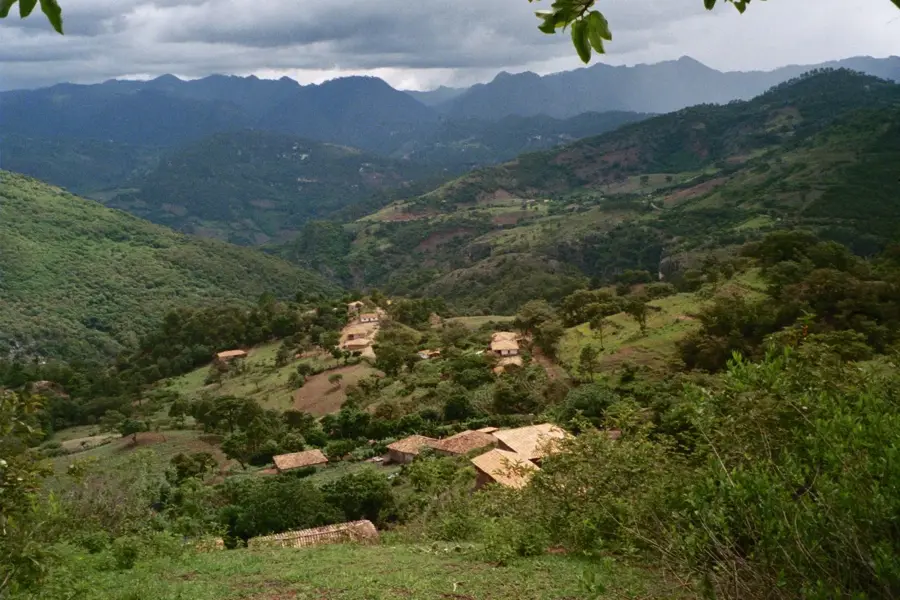
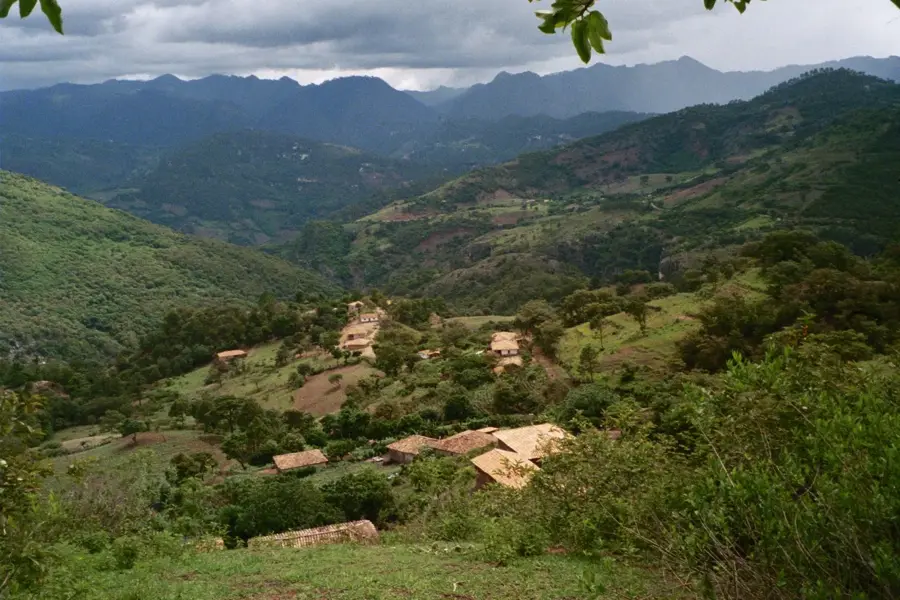
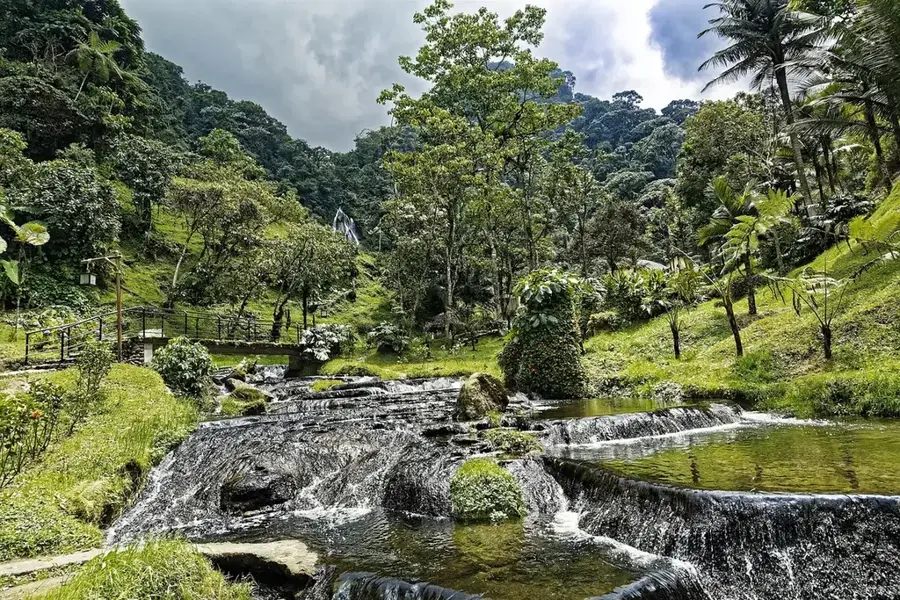
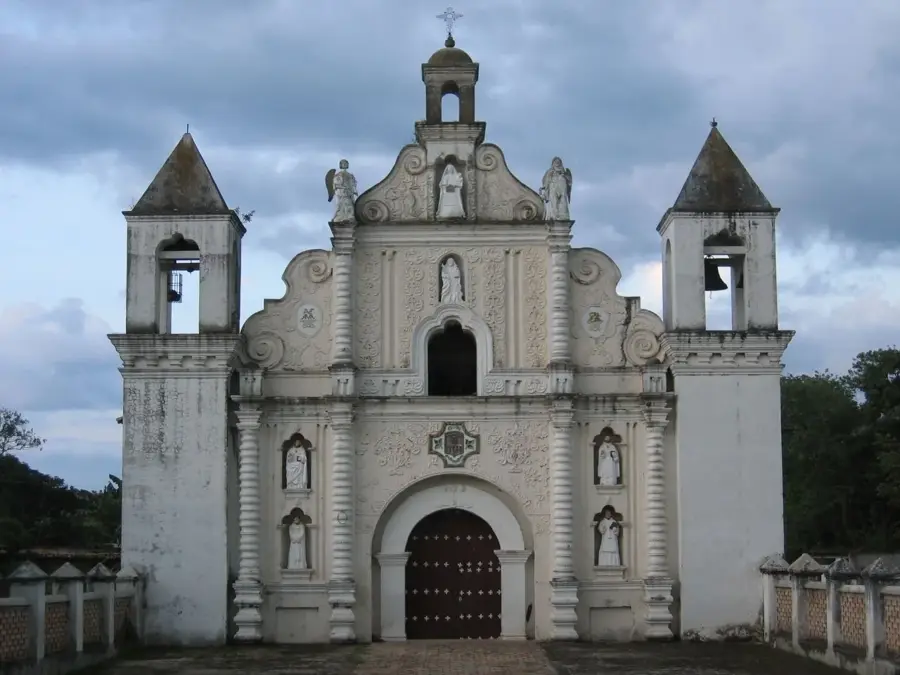
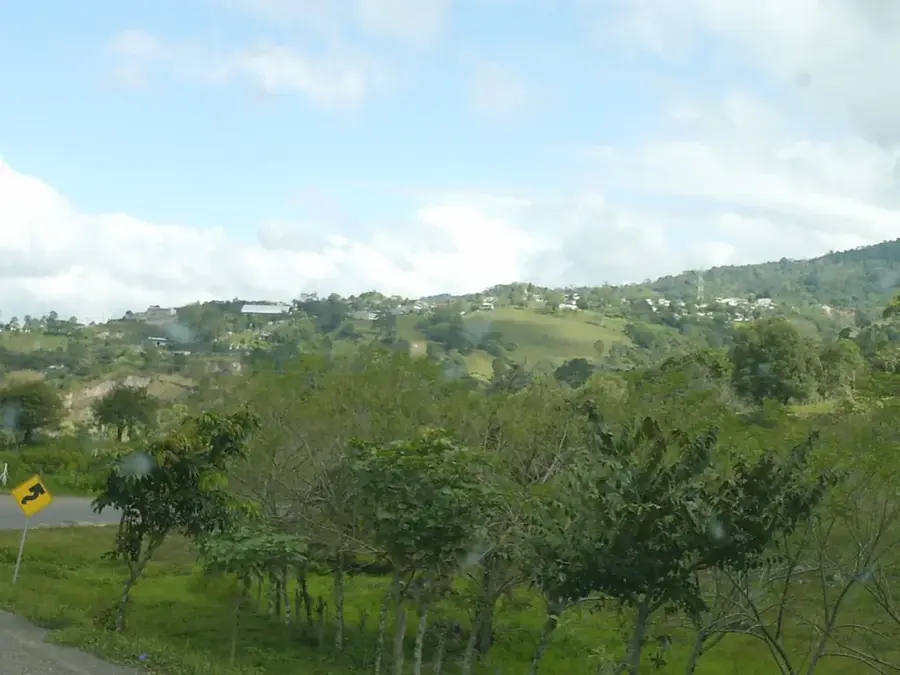
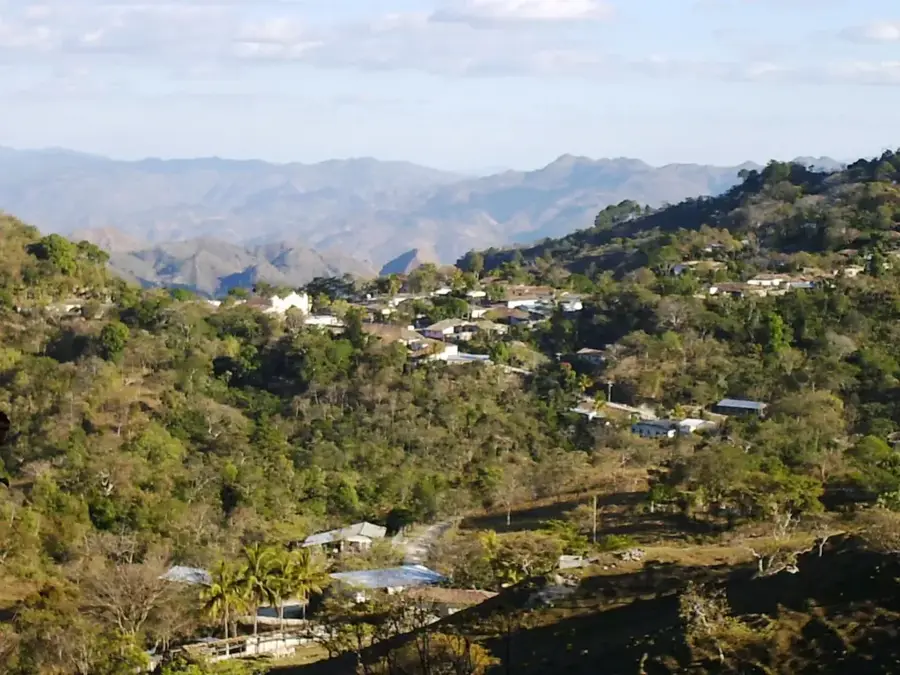
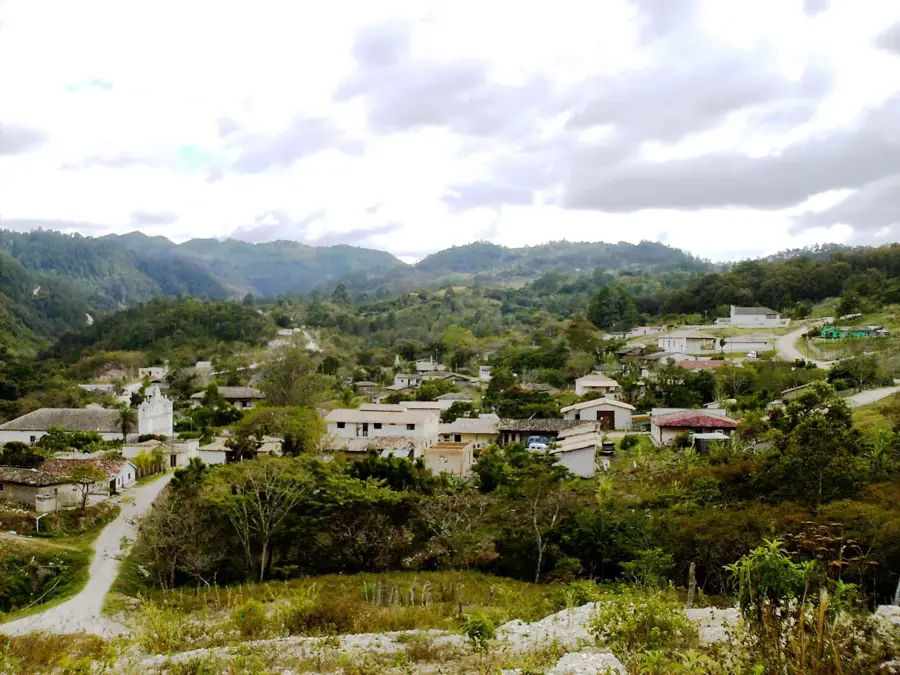
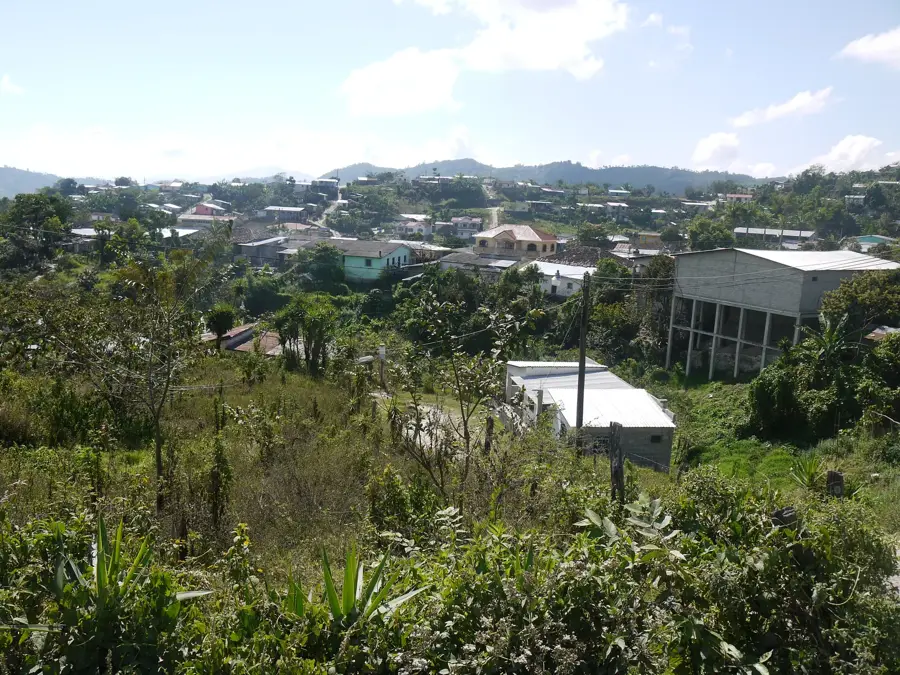
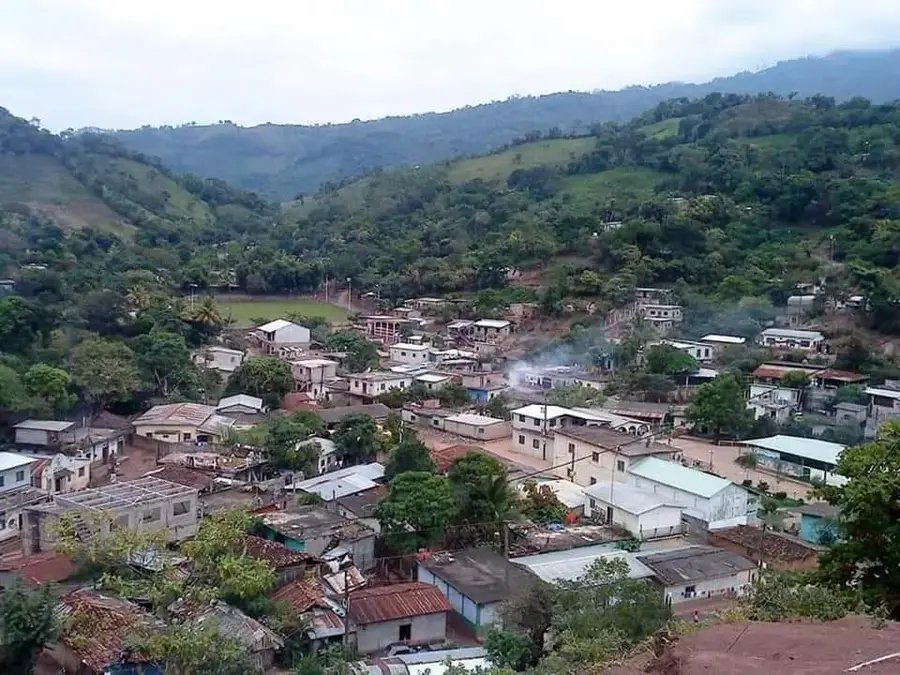
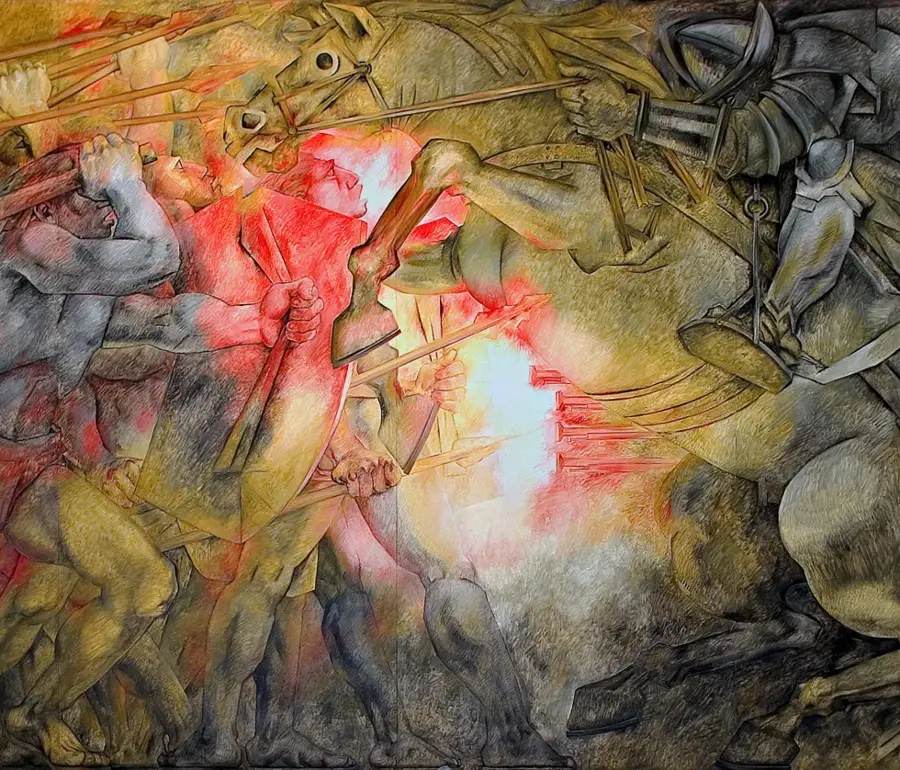
Gracias, the capital of the Lempira department in western Honduras, is a city steeped in colonial grandeur and natural majesty. Founded in 1536 by Spanish conquistadors, its full original name was 'Gracias a Dios,' reflecting the gratitude of the settlers who finally reached the fertile valley after navigating treacherous mountain terrain. For a brief but pivotal period between 1544 and 1548, Gracias served as the seat of the Audiencia de los Confines, making it the administrative capital of all Spanish territories from Chiapas to Panama. Today, this legacy is preserved in its tranquil plazas and remarkable religious architecture, including the 18th-century La Merced and San Marcos churches. The city lies at the foot of Celaque National Park, home to the Cerro Las Minas, the highest peak in Honduras at 2,849 meters. This proximity makes Gracias the premier base for eco-tourists seeking to explore cloud forests, waterfalls, and high-altitude biodiversity. Overlooking the town is the San Cristóbal Fort, a 19th-century military installation that has wide-open views of the surrounding Lenca highlands. Gracias is also famous for its natural hot springs, where mineral-rich volcanic waters provide a therapeutic escape just minutes from the city center. The cultural fabric of Gracias is uniquely defined by the Lenca people, whose ancestral traditions in pottery and agriculture remain animated in the neighboring mountain villages. In recent years, the city has emerged as a center for cultural preservation and sustainable tourism, successfully maintaining its colonial charm while providing modern amenities for travelers. Its combination of profound political history, indigenous heritage, and rugged mountain beauty makes Gracias one of the most significant and enchanting cities in Central America.
Explore on the map
How well do you know Honduras?
Find cities, landscapes and regions in 10 varied challenges on the interactive map.
Your journey, your memory
A postcard from Gracias
Turn your own photo into a personal postcard with a local stamp. Free and no sign-up required.
Create a postcard- Location: Honduras
- Highlights: San Cristóbal fortress (Honduras) · Lempira Department
- Nearby: La Campa (13 km)
- Population: ~7.909 (2025)
Best time to visit & climate
The most pleasant time to visit is Jan–Mar.
| Jan | Feb | Mar | Apr | May | Jun | Jul | Aug | Sep | Oct | Nov | Dec | |
|---|---|---|---|---|---|---|---|---|---|---|---|---|
| Avg °C | 19 | 21 | 23 | 24 | 24 | 23 | 22 | 23 | 22 | 21 | 20 | 19 |
| Rain mm | 26 | 20 | 19 | 37 | 140 | 193 | 155 | 189 | 218 | 160 | 63 | 36 |
Geography
Facts
- Gracias served as the first capital of Central America under Spanish rule.
- The city's name translates to 'Thank God' in English.
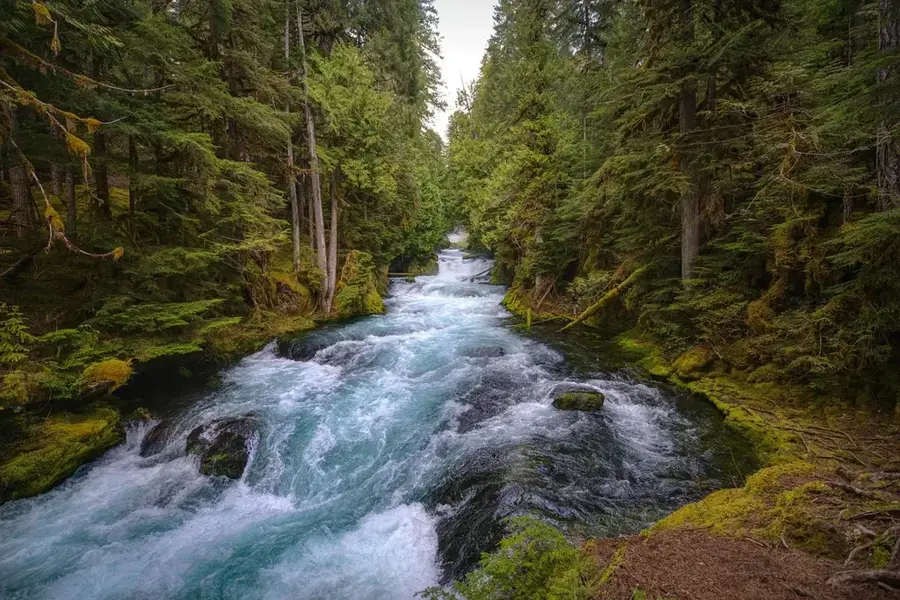
- Celaque National Park protects the largest cloud forest in the country.
- The San Cristóbal Fort is an 18th-century structure built on a hill called 'El Castillo'.
- The region is the heart of the Lenca culture, the largest indigenous group in Honduras.
- Gracias is located approximately 200 kilometers from San Pedro Sula.
- The city was a strategic point for gold mining during the early colonial era.
- It is part of the 'Colonial Route' tourism circuit in western Honduras.
Explore nearby
Notable places around
Route planner — Car & Motorhome
Where do you start? We build the route here, with stops and country notes along the way.
© OpenStreetMap contributors · OpenRouteService
Sights in the town Gracias (2)
Frequently asked questions
What are the best activities in Gracias?
Are there hot springs nearby?
What is the Celaque National Park?
What is the climate like in Gracias?
Is the city historically significant?
Gracias: where is it located?
Gracias: what is there to see?
Gracias: when is the best time to visit?
Gracias: why is it worth visiting?

Nearby cities
History & landmarks
Nature
More places