Plizio Visual Lab
Môle Saint-Nicolas

Weather…
Water temperature…
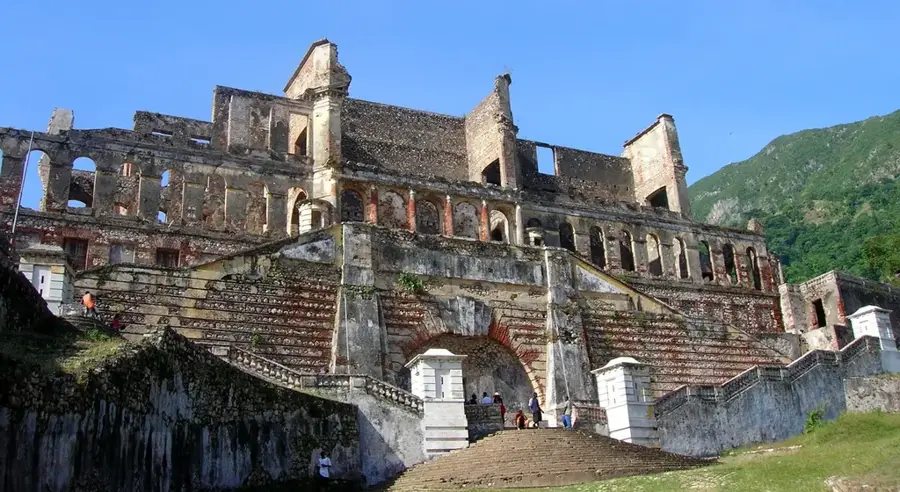
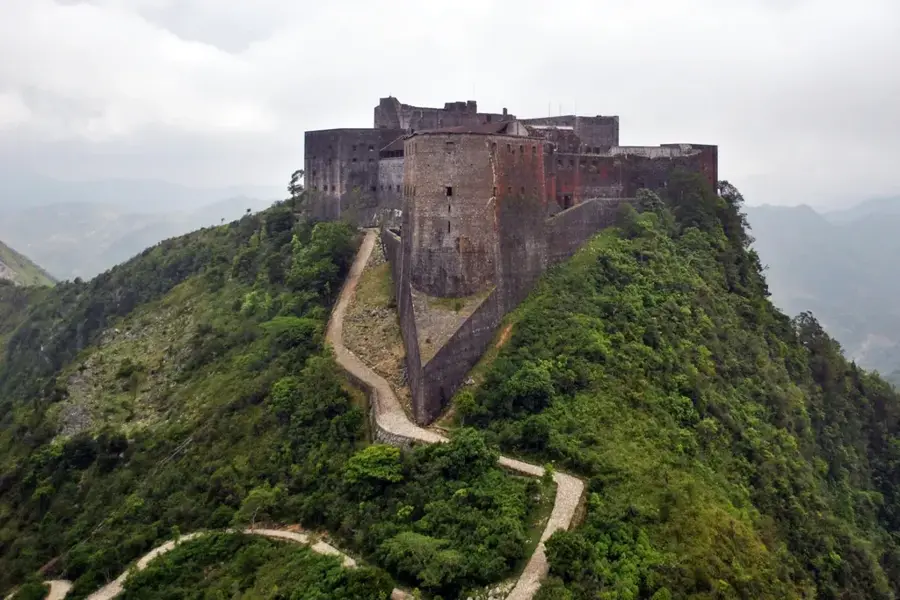
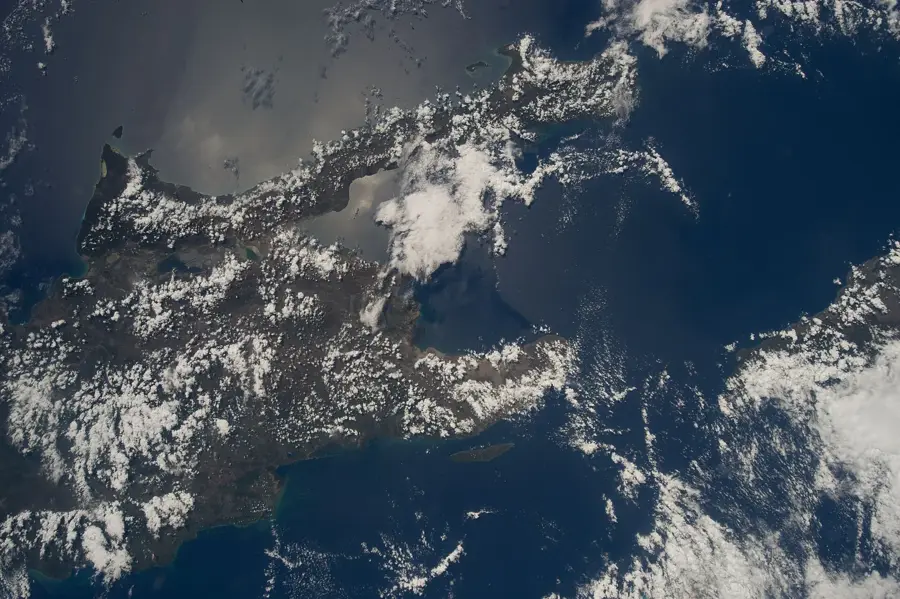
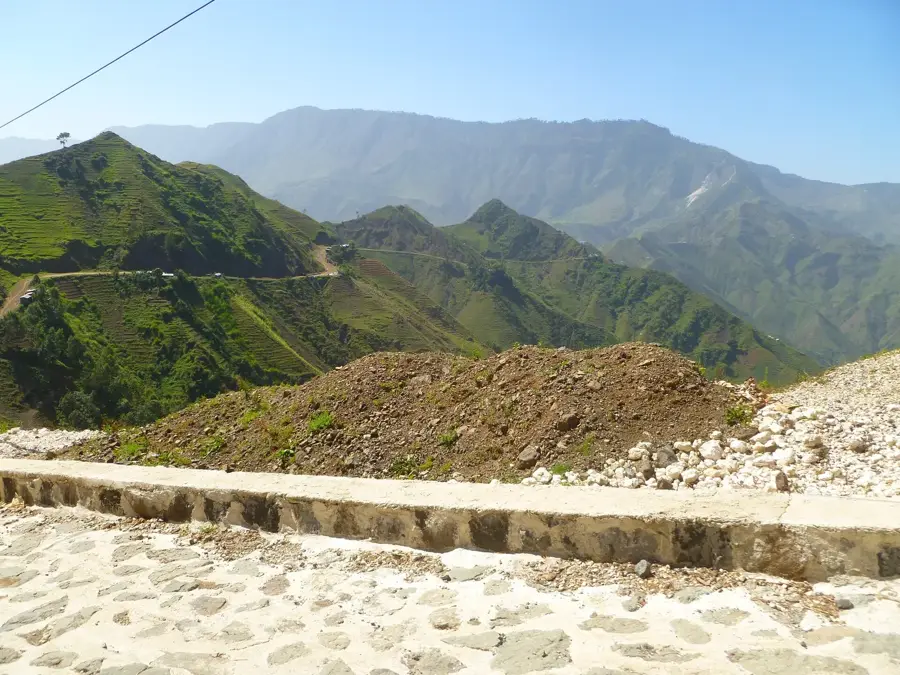
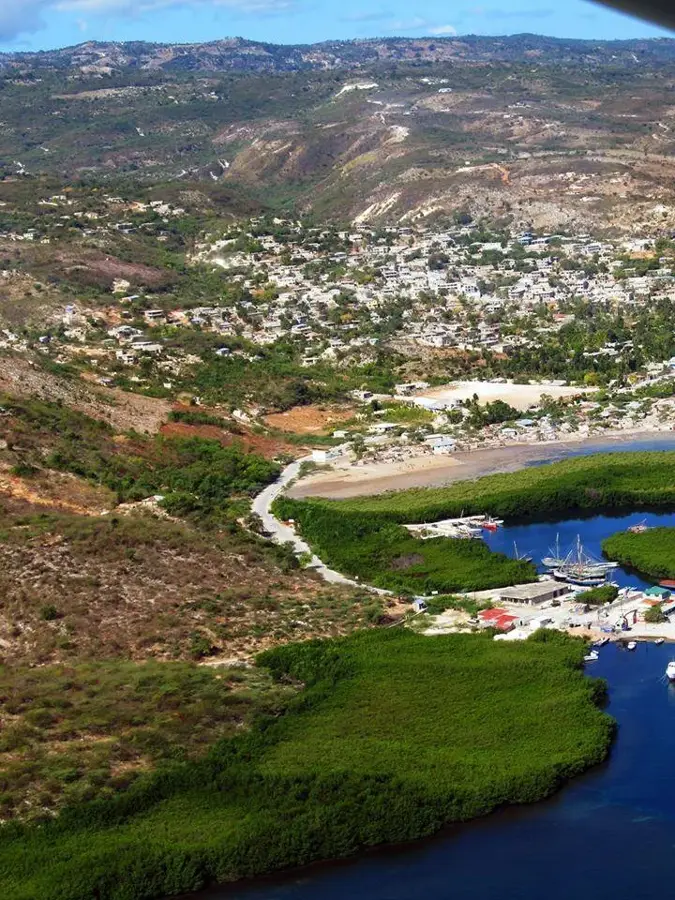
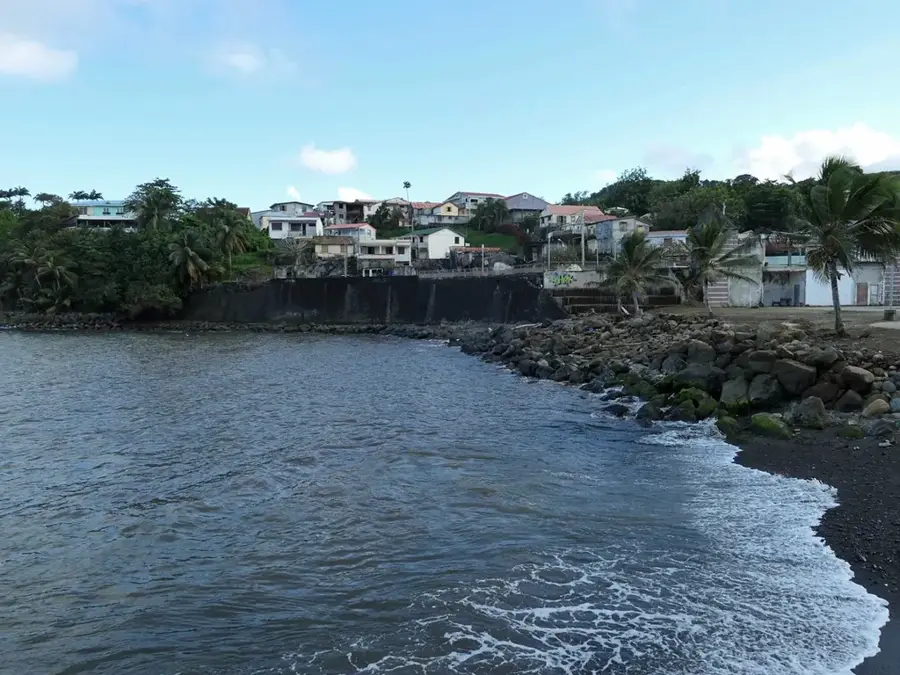
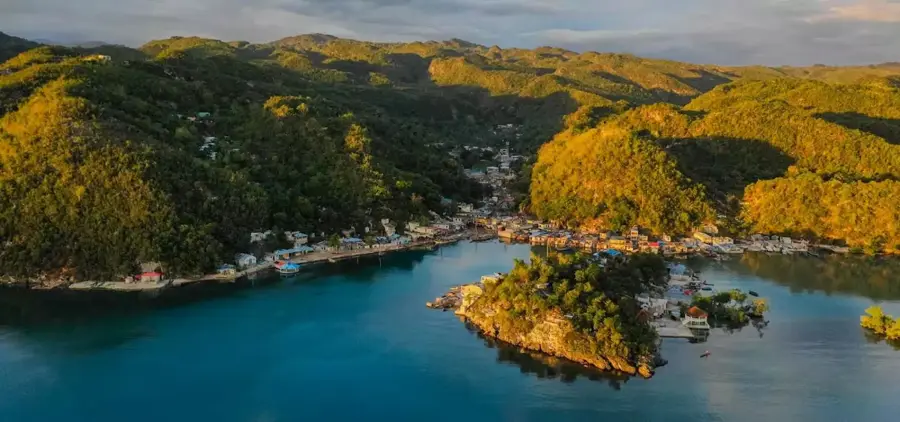
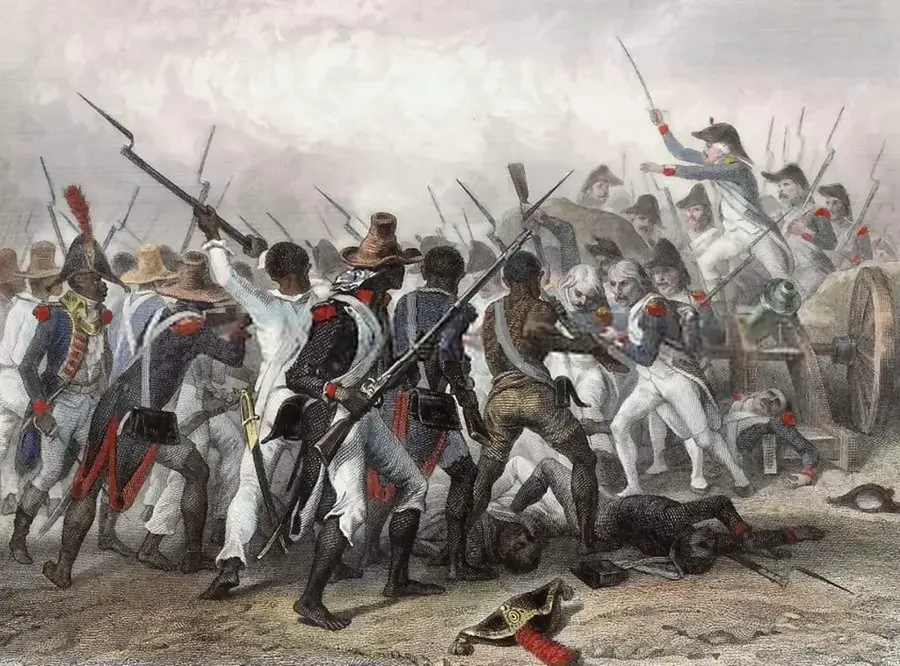
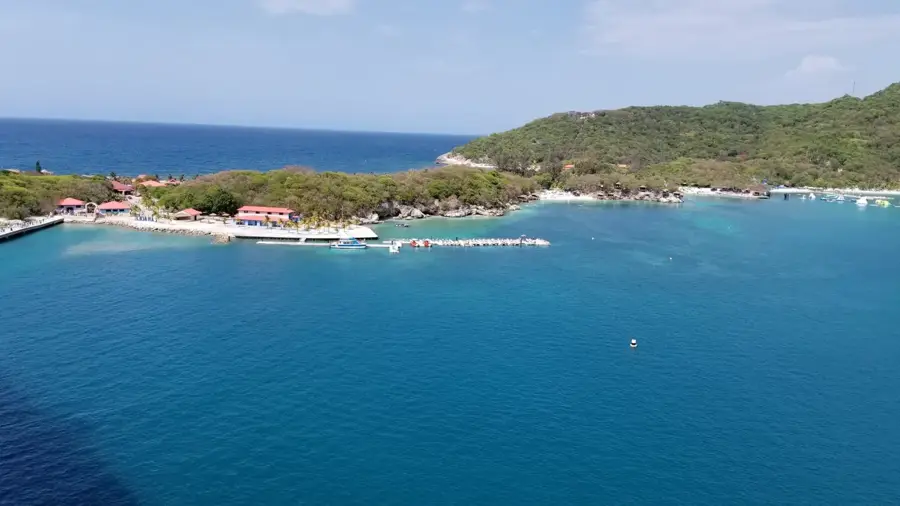
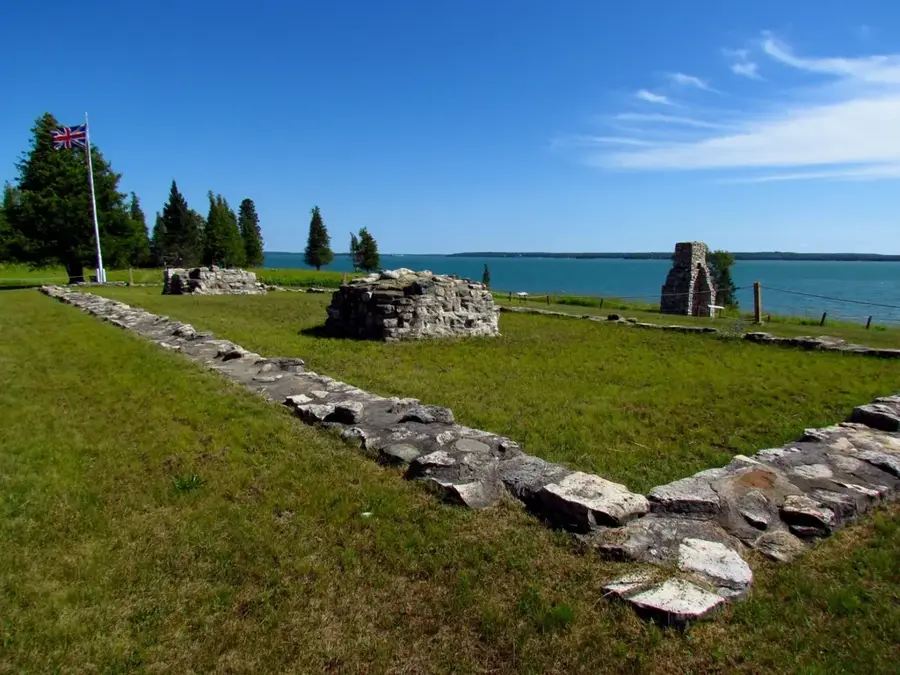
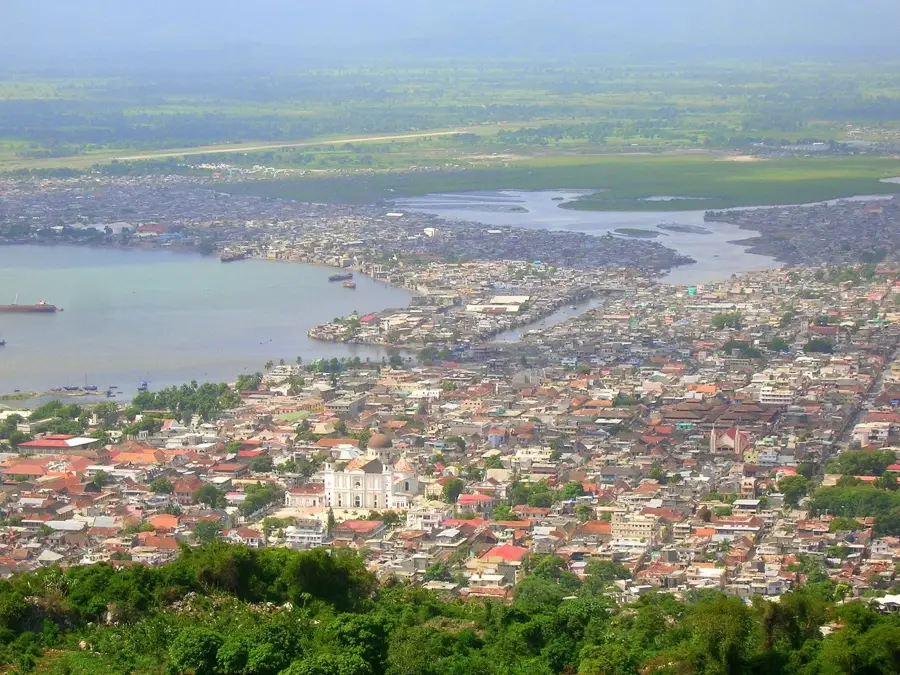
Môle Saint-Nicolas is a historically significant town located on the northwestern tip of Haiti, overlooking the strategic Windward Passage. It is famously known as the site where Christopher Columbus first landed in Haiti on December 6, 1492, naming the bay after Saint Nicholas. Because of its commanding position over the vital shipping lanes between the Atlantic and the Caribbean, the area was heavily fortified by European colonial powers. Ruins of several massive stone forts, such as Fort Vallière, still guard the entrance to the bay, reflecting its past military importance. The bay itself is regarded as one of the finest natural harbors in the world, sheltered by towering limestone cliffs. Today, the town is a quiet, remote outpost characterized by a dry, semi-arid landscape that differs from the rest of the country. Môle Saint-Nicolas remains a site of immense historical interest and natural beauty for those venturing to Haiti's far northwest.
Explore on the map
How well do you know Haiti?
Find cities, landscapes and regions in 10 varied challenges on the interactive map.
Your journey, your memory
A postcard from Môle Saint-Nicolas
Turn your own photo into a personal postcard with a local stamp. Free and no sign-up required.
Create a postcard- Location: Haiti
- Nearby: Gonaïves (82 km)
Best time to visit & climate
The most pleasant time to visit is Jan–Mar.
| Jan | Feb | Mar | Apr | May | Jun | Jul | Aug | Sep | Oct | Nov | Dec | |
|---|---|---|---|---|---|---|---|---|---|---|---|---|
| Avg °C | 26 | 26 | 26 | 26 | 27 | 28 | 29 | 29 | 29 | 29 | 27 | 27 |
| Rain mm | 38 | 21 | 28 | 35 | 92 | 81 | 64 | 81 | 101 | 137 | 82 | 39 |
📋 Practical info
History & landmarks
1492
Geography
Facts
- Christopher Columbus officially claimed the island for Spain here in December 1492.
- Môle Saint-Nicolas is located approximately 50 miles across the sea from Cuba.
- The harbor is so deep and sheltered it was once called the Gibraltar of the Caribbean.
- Over 20 colonial-era military structures have been identified in the vicinity.
- The town serves as the administrative center for the Môle Saint-Nicolas Arrondissement.
- Indigenous Taíno remains have been discovered in the many nearby natural caves.
Explore nearby
Notable places around

Route planner — Car & Motorhome
Where do you start? We build the route here, with stops and country notes along the way.
© OpenStreetMap contributors · OpenRouteService
Sights in the town Môle Saint-Nicolas (1)
Sights nearby
Frequently asked questions
What is the historical significance?
How to reach the place?
Are there fort ruins?
Are the beaches there beautiful?
Why is it windy?
Môle Saint-Nicolas: where is it located?
Môle Saint-Nicolas: when is the best time to visit?
Môle Saint-Nicolas: why is it worth visiting?
Nearby cities


History & landmarks
Nature


More places