Plizio Visual Lab
Anse-Rouge Salt Flats
Weather…
Water temperature…
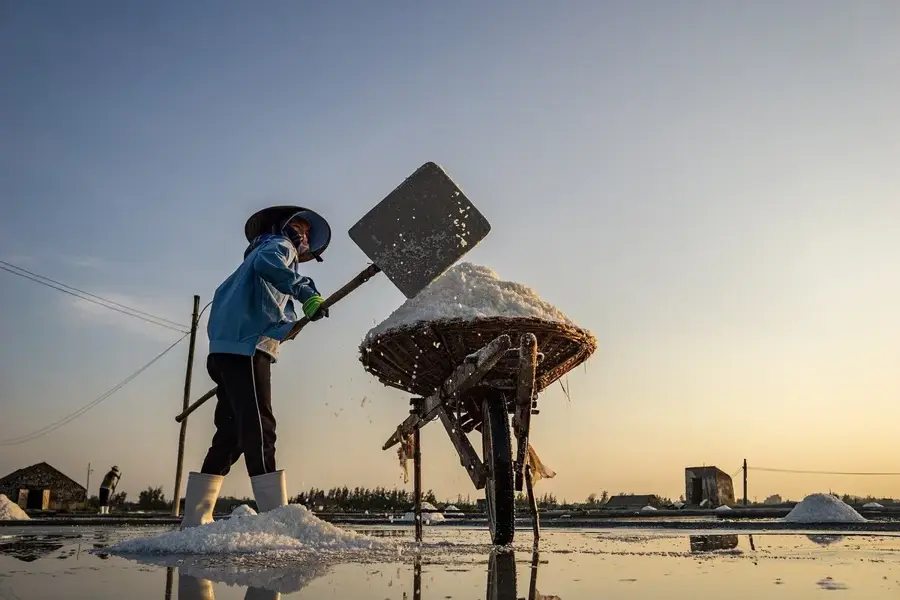
The Anse-Rouge Salt Flats are located in one of Haiti's most arid regions, within the Artibonite Department. This flat coastal expanse is characterized by high evaporation rates and minimal rainfall, providing the excellent natural conditions for traditional sea salt harvesting. For generations, local families have managed a complex system of evaporation pans where seawater is concentrated by the intense tropical sun until the salt crystallizes. The salt produced here is a cornerstone of the local economy and is distributed throughout the nation for domestic use and food preservation. Geologically, the flats occupy a low-lying sedimentary basin, often shimmering under a stark white crust of salt. Despite the physically demanding labor involved, salt production in Anse-Rouge remains a proud cultural tradition and a vital source of income for the region.
Explore on the map
How well do you know Haiti?
Find cities, landscapes and regions in 10 varied challenges on the interactive map.
Your journey, your memory
A postcard from Anse-Rouge Salt Flats
Turn your own photo into a personal postcard with a local stamp. Free and no sign-up required.
Create a postcard- Location: Haiti
- Nearby: Gonaïves (32 km)
Best time to visit & climate
The most pleasant time to visit is Jan–Mar.
| Jan | Feb | Mar | Apr | May | Jun | Jul | Aug | Sep | Oct | Nov | Dec | |
|---|---|---|---|---|---|---|---|---|---|---|---|---|
| Avg °C | 26 | 26 | 26 | 27 | 28 | 29 | 29 | 29 | 29 | 28 | 27 | 26 |
| Rain mm | 35 | 20 | 26 | 31 | 70 | 58 | 48 | 68 | 81 | 105 | 74 | 37 |
📋 Practical info
Geography
Facts
- Hub for Haiti's traditional sea salt industry.
- Driest coastal territory in the Artibonite Department.
- Salt is harvested using natural solar evaporation.
- Critical source of employment for local families.
- The local soil is exceptionally high in sodium chloride.
- The salt crust provides a natural barrier against erosion.
Explore nearby
Notable places around
Route planner — Car & Motorhome
Where do you start? We build the route here, with stops and country notes along the way.
© OpenStreetMap contributors · OpenRouteService
Sights nearby
Frequently asked questions
What are the Anse-Rouge salt flats?
Where are these salt flats located?
Can you observe the salt production?
Is it very hot there?
Is it worth stopping for photos?
Anse-Rouge Salt Flats: where is it located?
Anse-Rouge Salt Flats: when is the best time to visit?
Anse-Rouge Salt Flats: why is it worth visiting?

History & landmarks



Nature

More places