Plizio Visual Lab
Fort Toussaint
Weather…
Water temperature…
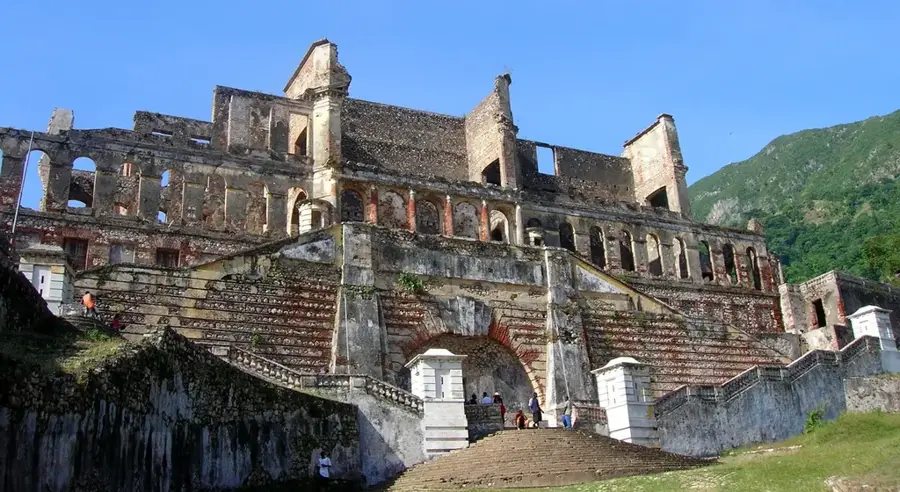
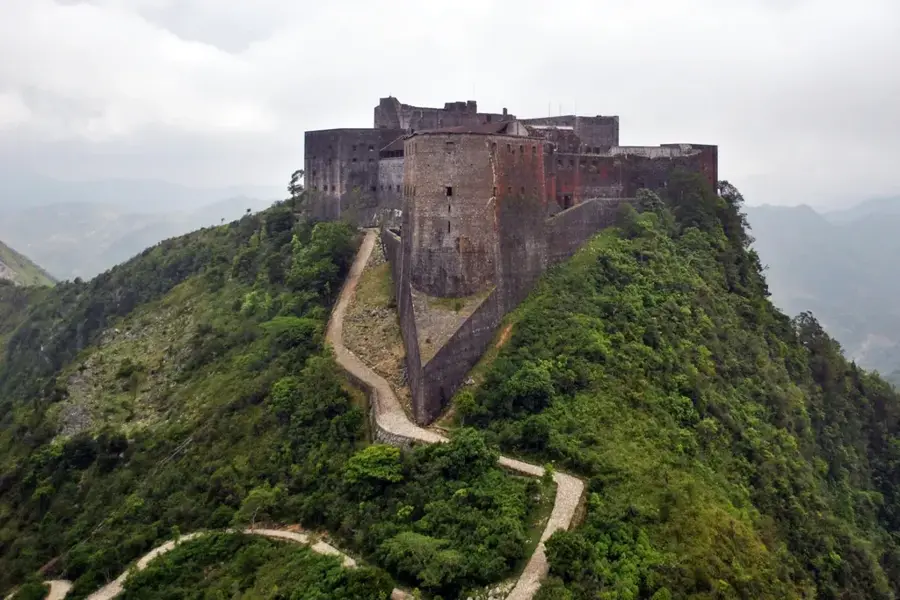
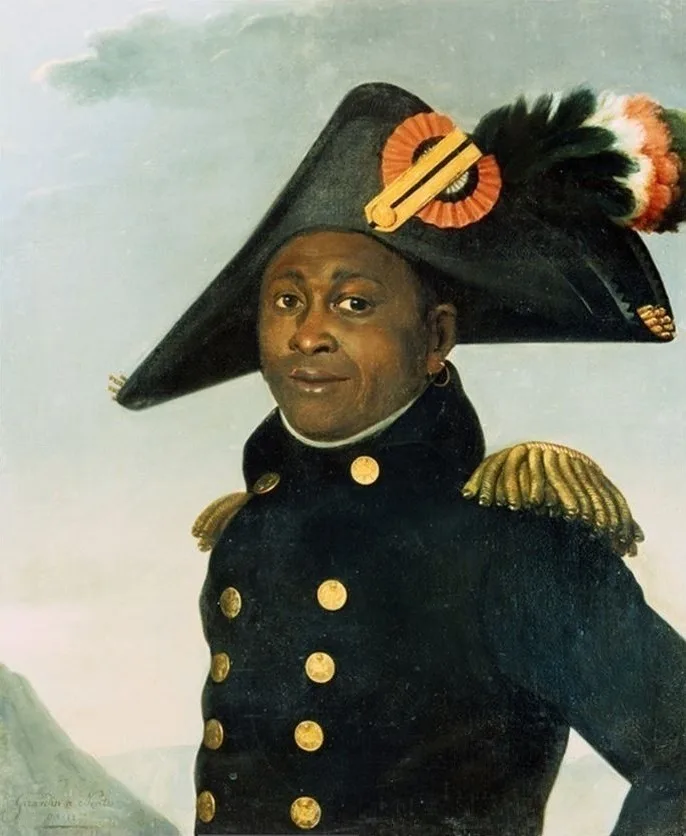
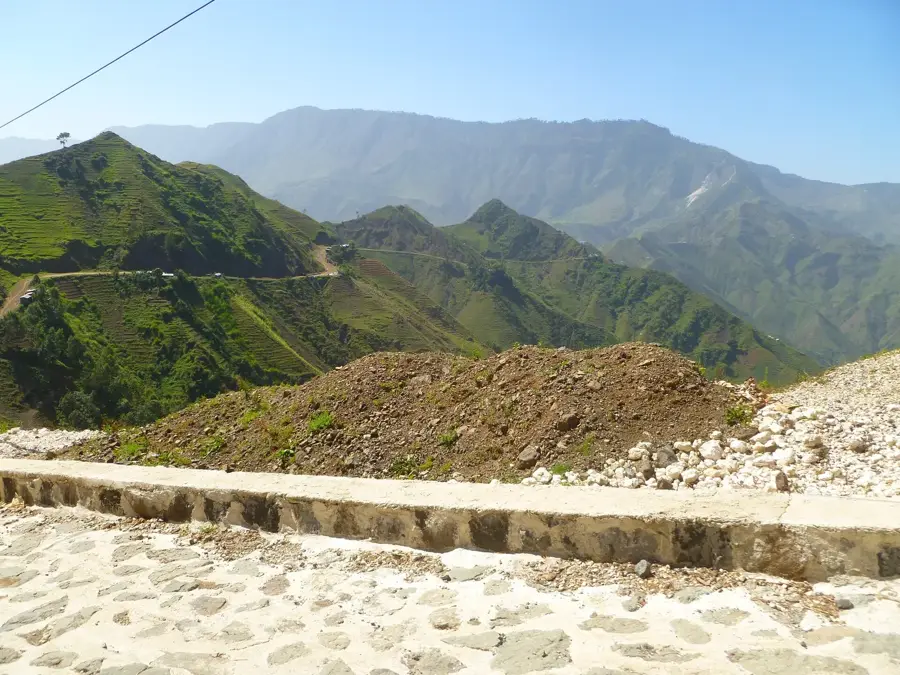
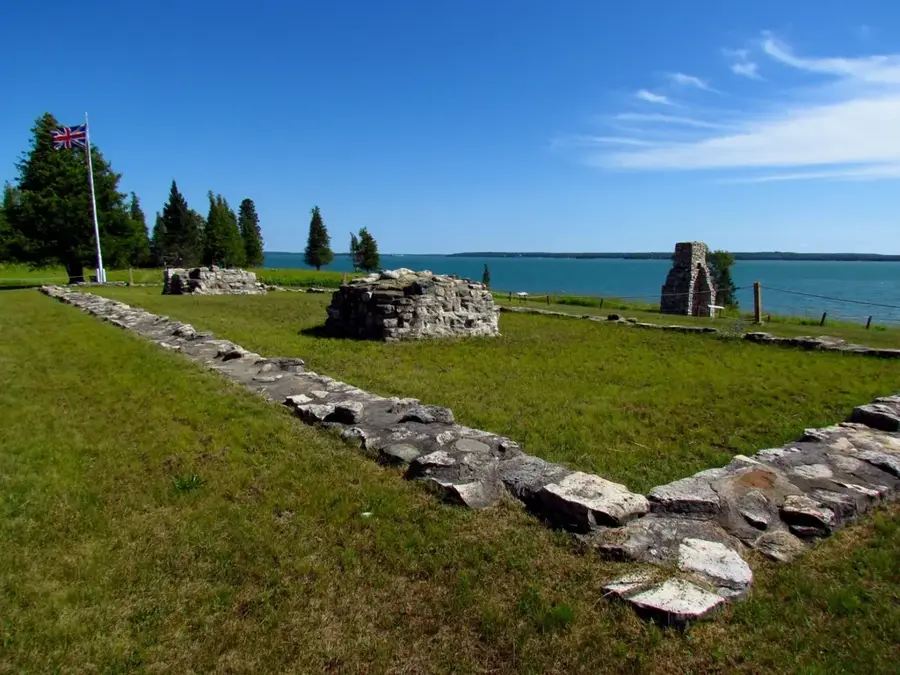
Fort Toussaint is one of the lesser-known but strategically significant fortifications in Haiti, named in honor of Toussaint Louverture. It was constructed during the early phase of independence to control the mountainous approaches leading to the capital city, Port-au-Prince. The fort was part of an extensive network created by revolutionary leaders to secure the sovereignty of the new state against European powers. The fortification is characterized by its robust construction using local stone, adapted to the region's challenging topographical conditions. From its walls, defenders possessed a strategic overview of the surrounding valleys and paths. Today, the ruins testify to the military determination and ingenuity of the Haitian liberators. The preservation of this site is of great importance for understanding military history and the struggle for freedom. Visitors can experience the atmosphere of a bygone era of resistance here.
Explore on the map
How well do you know Haiti?
Find cities, landscapes and regions in 10 varied challenges on the interactive map.
Your journey, your memory
A postcard from Fort Toussaint
Turn your own photo into a personal postcard with a local stamp. Free and no sign-up required.
Create a postcard- Location: Haiti
- Nearby: Cap-Haïtien (13 km)
Best time to visit & climate
The most pleasant time to visit is Jan, Feb, Dec.
| Jan | Feb | Mar | Apr | May | Jun | Jul | Aug | Sep | Oct | Nov | Dec | |
|---|---|---|---|---|---|---|---|---|---|---|---|---|
| Avg °C | 23 | 24 | 25 | 26 | 27 | 28 | 28 | 28 | 28 | 27 | 25 | 24 |
| Rain mm | 37 | 22 | 34 | 35 | 50 | 31 | 30 | 41 | 43 | 56 | 71 | 41 |
📋 Practical info
Geography
Facts
- The fort was named in honor of the revolutionary leader Toussaint Louverture.
- It is part of the national defense system established after 1804.
- The fortification is located in the mountains above Port-au-Prince.
- The walls are constructed primarily from locally quarried limestone.
- It served to monitor strategically important mountain passes.
- The site is currently a destination for hiking and historical exploration.
Explore nearby
Notable places around

Route planner — Car & Motorhome
Where do you start? We build the route here, with stops and country notes along the way.
© OpenStreetMap contributors · OpenRouteService
Sights nearby
Frequently asked questions
What is the history of Fort Toussaint?
Are there still cannons there?
How can the fort be reached?
Are there sanitary facilities?
When should one visit the fort?
Fort Toussaint: where is it located?
Fort Toussaint: when is the best time to visit?
Fort Toussaint: why is it worth visiting?
Nearby cities


History & landmarks

Nature

More places