PlizioGo
Port-au-Prince

ℹ️Practical info — Port-au-Prince
▾
🌤 Weather — 5 days
📍 Nearby
Sights nearby
💡 Tips
- Traffic can be chaotic and heavily congested; allow extra travel time and consider hiring a trusted local driver rather than renting a car.
- Always ask for permission before taking photographs of people or vendor stalls in the bustling street markets.
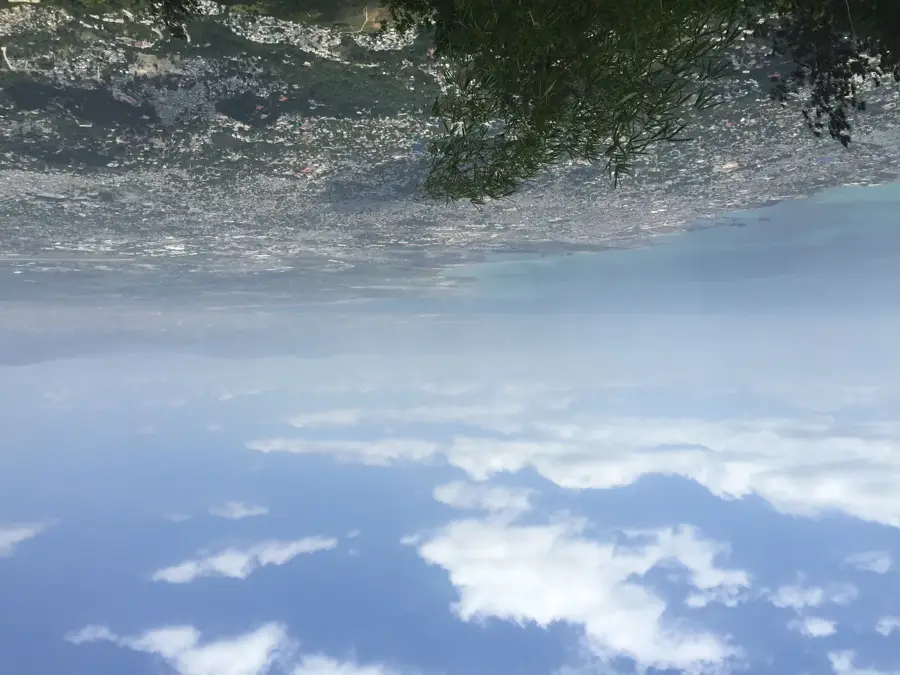
- For panoramic views of the sprawling city and the Gulf of Gonâve, head up the winding roads to the Observatoire de Boutilliers.
- When buying souvenirs, haggling is expected in open-air markets, but keep it friendly and respectful.
🍽 Food
This flavorful rice dish colored with black mushrooms is a local specialty found in better restaurants in the Pétion-Ville district.
A traditional savory pumpkin soup, typically enjoyed on Sunday mornings at local eateries.
Try Haiti's famous rum mixed in refreshing drinks at upscale hotel bars or lounges in Pétion-Ville.
🛍 Shopping · 🧘 Quiet spots
A highly energetic, chaotic market selling everything from spirited voodoo art to spices (best visited with a guide).
Visit this nearby artisan village to buy incredible sculptures made from recycled oil drums directly from the artists.
A scenic and relatively tranquil lookout point high above the smog and noise of the city center.
A peaceful park on the outskirts that has a quiet stroll through Haiti's sugar cane history.
Water temperature…
Port-au-Prince, the sprawling capital of Haiti, is a city defined by its dramatic history, bustling culture, and strategic location on the Gulf of Gonâve. Established in 1749 by the French, it replaced Cap-Français as the capital of the colony of Saint-Domingue in 1770. The city serves as the ultimate hub for Haitian administration, commerce, and higher education. Geographically, Port-au-Prince is situated in a low-lying coastal plain that rises into steep hillsides, creating a distinct social geography where the wealthier population resides in the higher, cooler districts. The city's economy is centered around its international port, which handles the bulk of Haiti's foreign trade, including the export of coffee and mangoes. Port-au-Prince is also the center of the country's assembly industry, producing clothing and electronics for export. Culturally, the city is a treasure trove of Caribbean heritage, featuring the National Museum of Haiti (MUPANAH), which houses the anchor of Christopher Columbus's flagship, the Santa María. The architectural landscape is a mix of colonial ruins, 19th-century Victorian-style houses, and modern concrete structures. The 2010 earthquake was a pivotal moment in the city's modern history, causing unprecedented destruction but also triggering a global humanitarian response. Despite ongoing political and social challenges, Port-au-Prince remains a vital center for Haitian literature, music, and the arts, hosting international festivals that celebrate the unique identity of the Caribbean's oldest independent nation.
Explore on the map
How well do you know Haiti?
Find cities, landscapes and regions in 10 varied challenges on the interactive map.
Your journey, your memory
A postcard from Port-au-Prince
Turn your own photo into a personal postcard with a local stamp. Free and no sign-up required.
Create a postcard- Location: Haiti
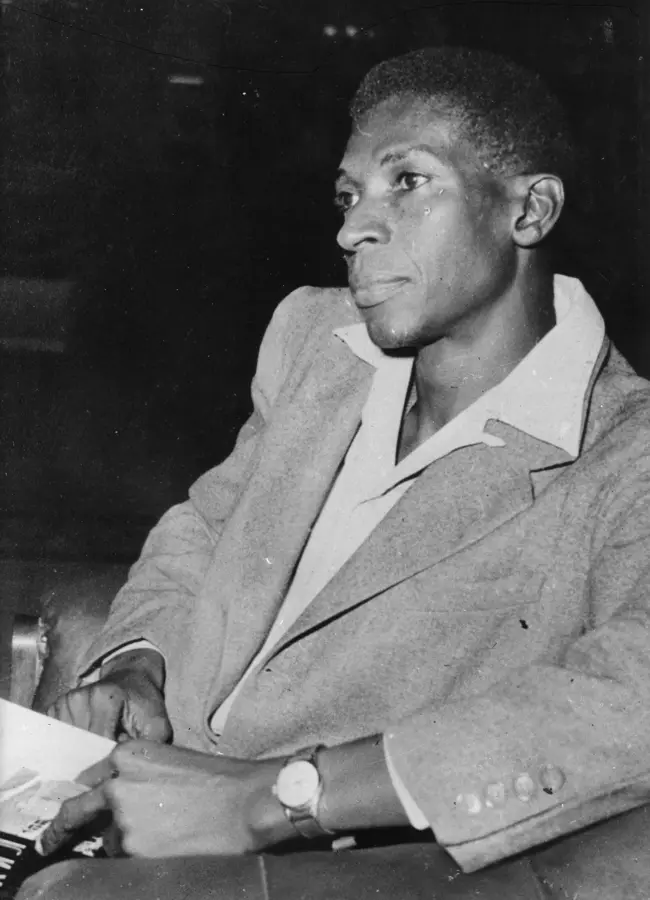
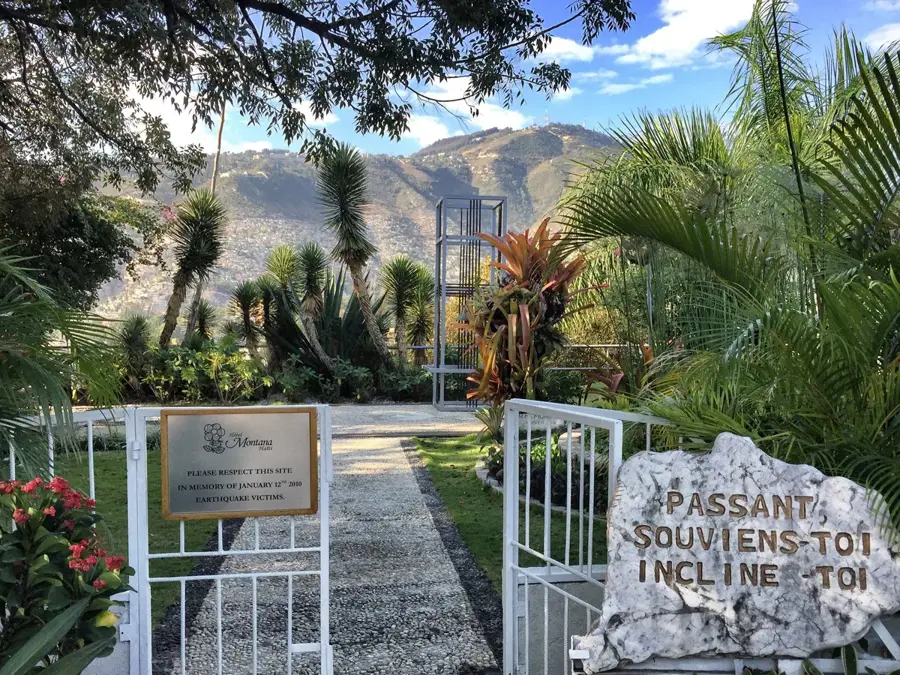
- Highlights: Battle of Port-au-Prince (1919) · Battle of Port-au-Prince (1920) · College Mixte Philadelphie - Dantes Bellegarde
- Nearby: Furcy (14 km)
- Population: ~1.234.742 (2019)
Best time to visit & climate
The most pleasant time to visit is Jan–Mar.
| Jan | Feb | Mar | Apr | May | Jun | Jul | Aug | Sep | Oct | Nov | Dec | |
|---|---|---|---|---|---|---|---|---|---|---|---|---|
| Avg °C | 26 | 26 | 26 | 27 | 28 | 28 | 29 | 29 | 29 | 28 | 27 | 26 |
| Rain mm | 19 | 16 | 25 | 37 | 62 | 41 | 38 | 64 | 49 | 75 | 56 | 28 |
History & landmarks
1749
Geography
Facts
- Port-au-Prince was named after the ship 'Le Prince' which arrived in the bay in 1706.
- The city's metro area covers approximately 155 square kilometers.
- Haiti's Declaration of Independence was signed on January 1, 1804, in nearby Gonaïves.
- The Toussaint Louverture International Airport is the main hub for aid and travel.
- The city is located on the Enriquillo-Plantain Garden fault zone.
- Port-au-Prince accounts for over 70% of Haiti's total economic activity.
- The 2010 earthquake recovery costs were estimated at over $8 billion.
- The city has a diverse architectural style known as 'Gingerbread' houses.
Explore nearby
Notable places around

Route planner — Car & Motorhome
Where do you start? We build the route here, with stops and country notes along the way.
© OpenStreetMap contributors · OpenRouteService
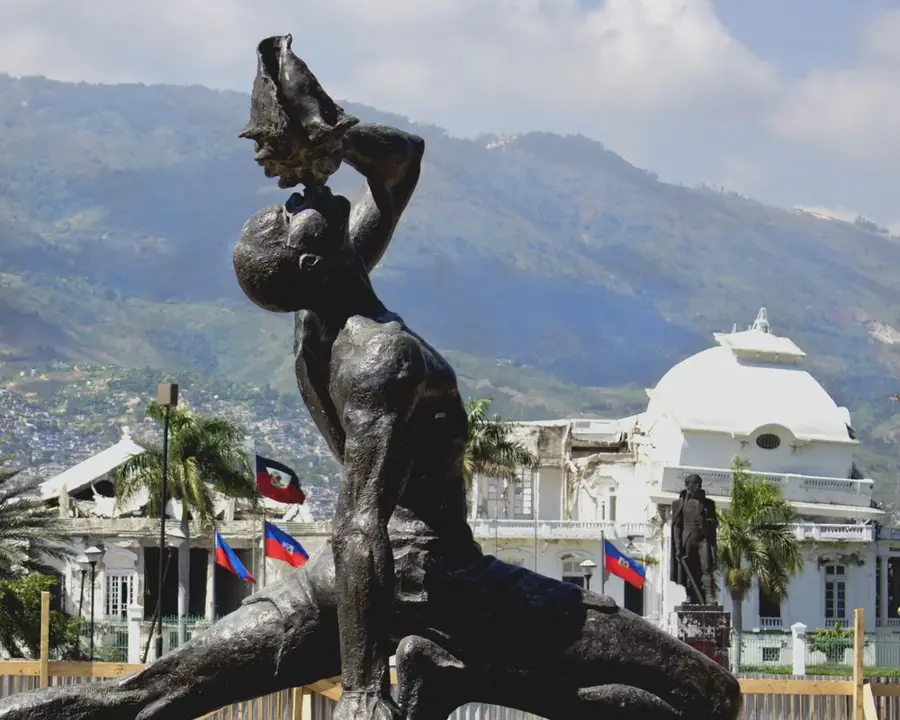
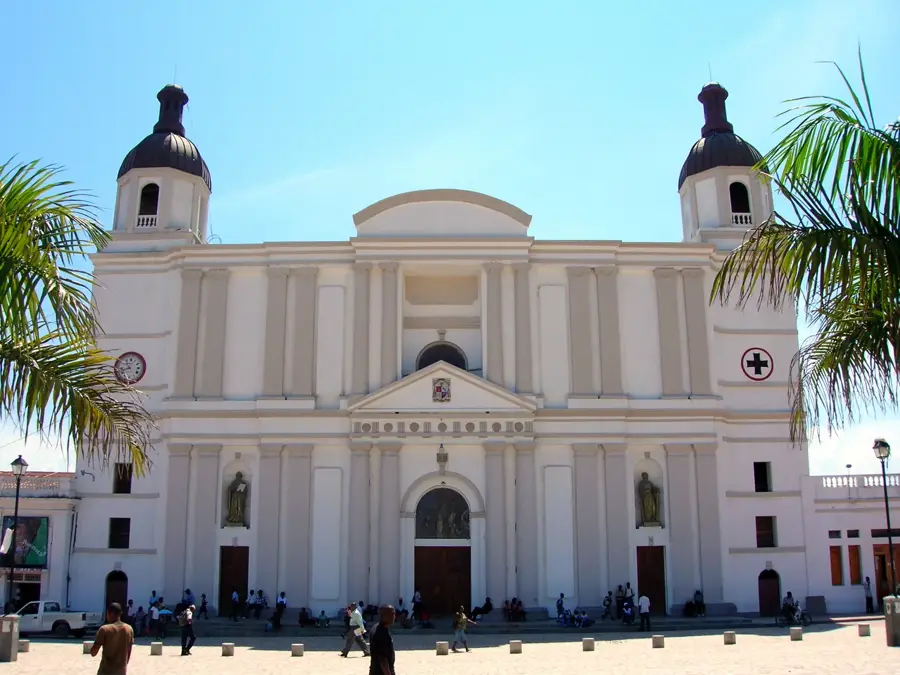
Start your day at MUPANAH, where Haiti's proud history from Columbus to independence is preserved underground. Walk across Champ de Mars, past national heroes, to the iconic Unknown Slave monument. After a hearty Creole lunch, explore the dramatic cathedral ruins and the bustling Iron Market. The day ends with a relaxed stroll along the waterfront with views of the Caribbean Sea.
Drive up to Boutilliers Observatory for a bird's-eye view, followed by the fresh mountain air at Fort Jacques. Spend midday in trendy Pétion-Ville, visiting art galleries and enjoying excellent dining. In the afternoon, return to the center for the MUPANAH museum and a quick stop at the vibrant Iron Market.
Sights in the town Port-au-Prince (3)
Frequently asked questions
How many days should I stay?
What is the most famous sight?
How to get around the city?
Which local dish must I try?
Where is the best area to stay?
Port-au-Prince: where is it located?
Port-au-Prince: what is there to see?
Port-au-Prince: when is the best time to visit?
Port-au-Prince: why is it worth visiting?
Nearby cities


History & landmarks
Nature

More places