PlizioGo
Cap-Haïtien

ℹ️Practical info — Cap-Haïtien
▾
🌤 Weather — 5 days
📍 Nearby
Sights nearby
💡 Tips
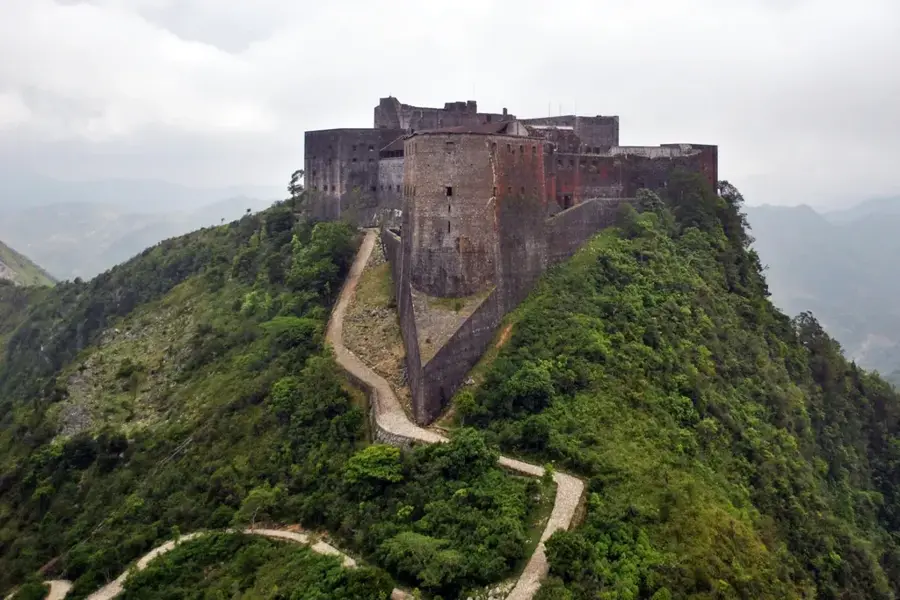
- The city is the gateway to the Citadelle Laferrière; hire a tap-tap or a local guide to reach it.
- Traffic in the narrow colonial streets can be dense, so exploring the center on foot is most practical.
- Knowing a few basic phrases in Haitian Creole opens many doors and earns local smiles.
- Use reputable moto-taxis or private transfers to get to the beaches outside the city.
🍽 Food
Fried pork with spicy pickled cabbage, widely available at local eateries and street stalls.
Black mushroom rice, a northern specialty often served with fish in waterfront restaurants.
The local favorite beer, best enjoyed cold at a seaside bar along Boulevard du Carenage.
🛍 Shopping · 🧘 Quiet spots
A historic market structure where you can buy spices, fresh produce, and local crafts.
Look for local rums like Barbancourt in supermarkets or specialty stores.
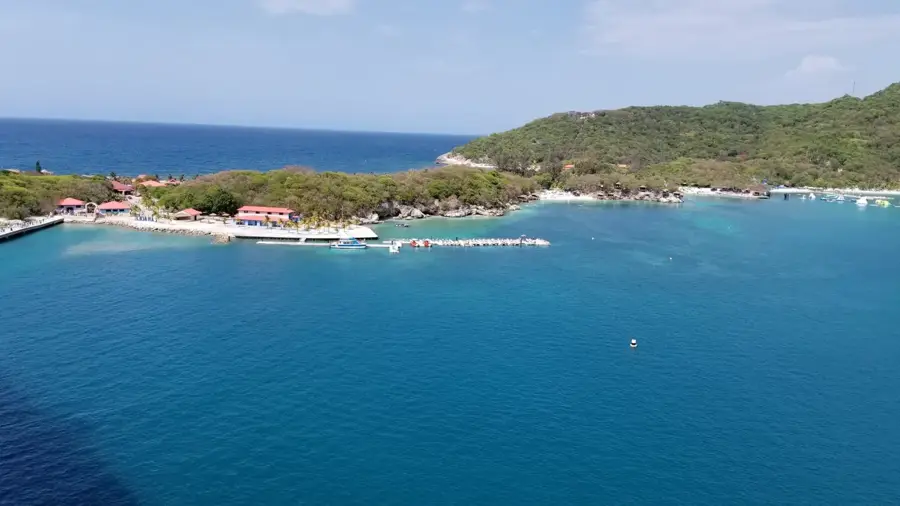
While often associated with cruise ships, there are quiet, striking stretches of sand nearby.
The central square by the cathedral, good for sitting in the shade and watching daily local life.
Water temperature…
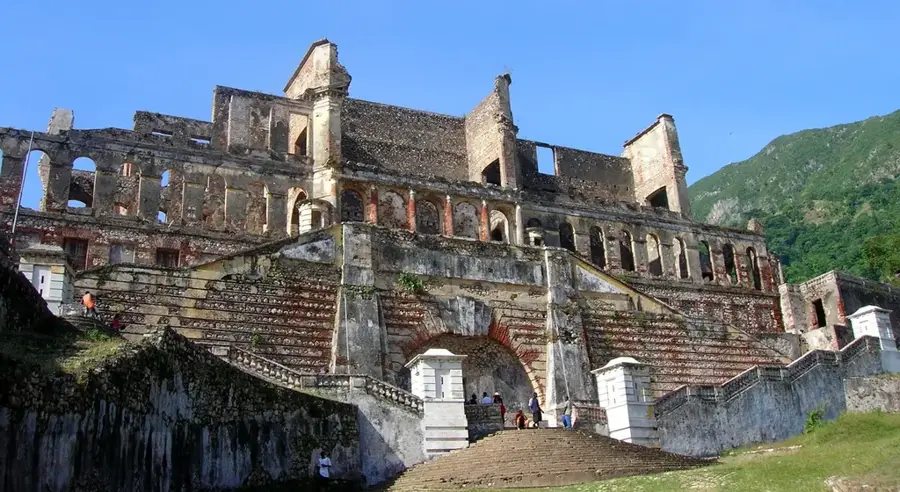
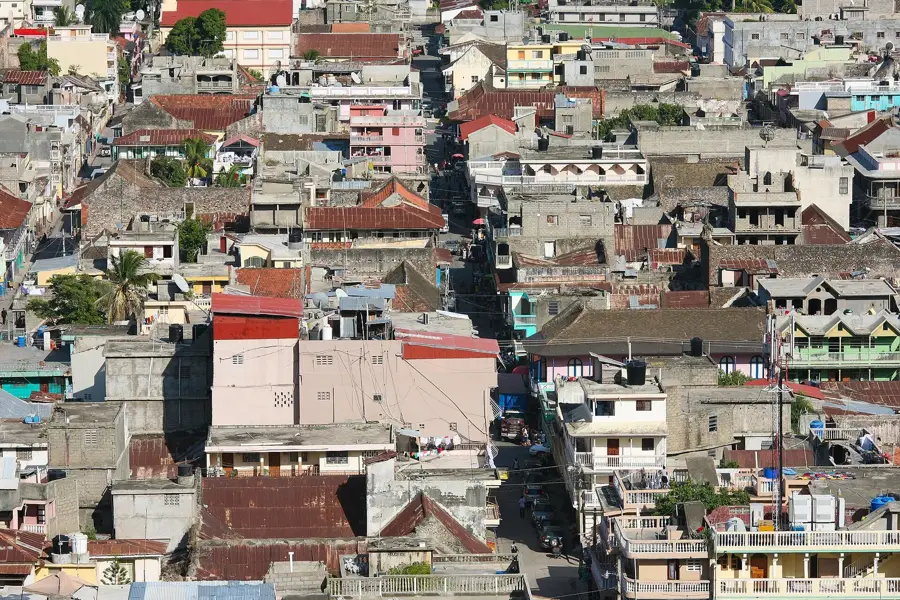
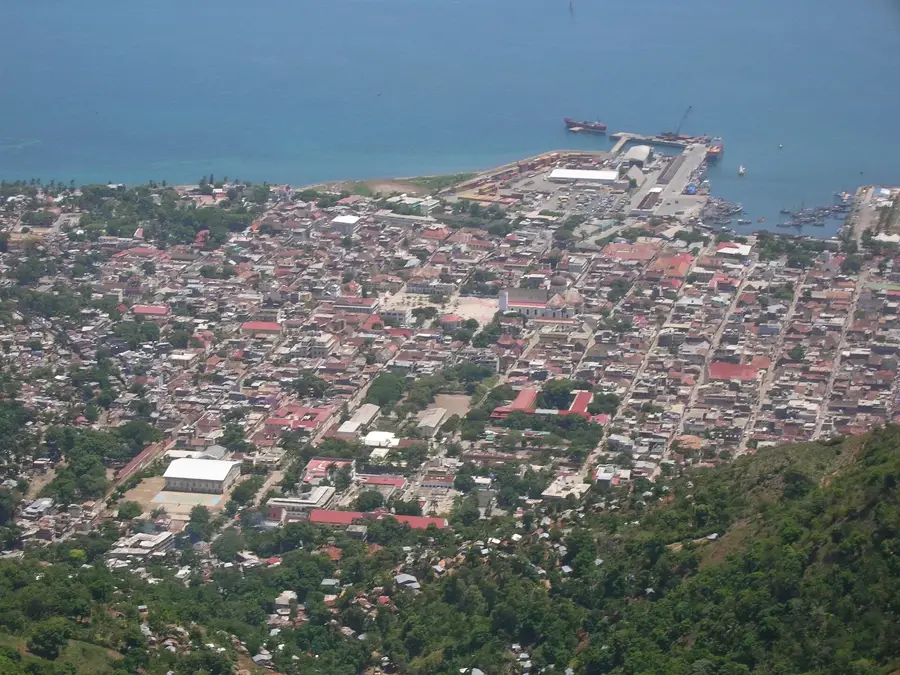
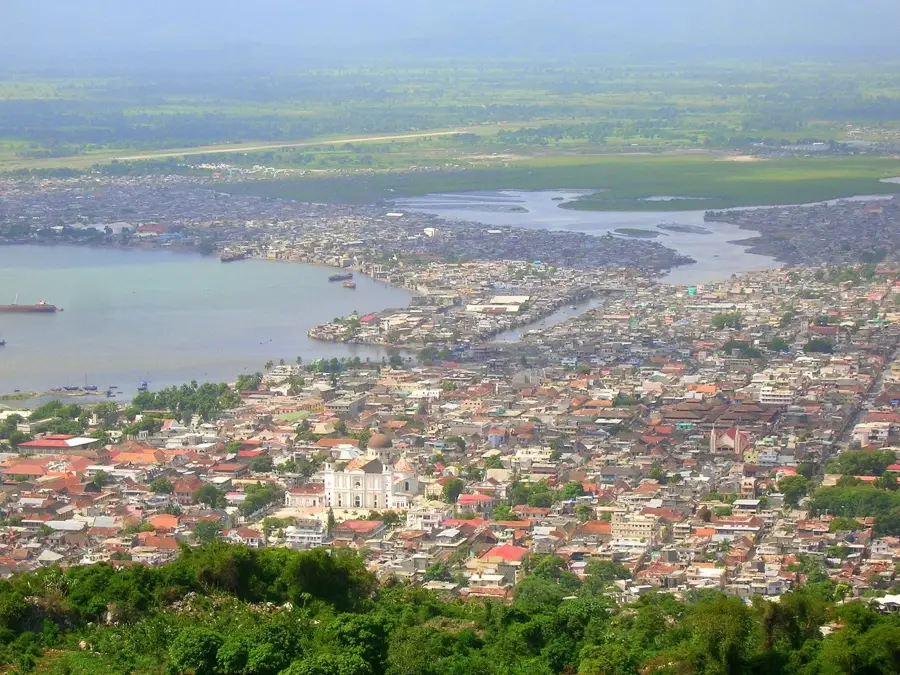
Cap-Haïtien, often referred to simply as 'Le Cap', is Haiti's second-largest city and a historic gem situated on the nation's northern coast. Founded by the French in 1670 as Cap-Français, it served as the opulent capital of the Saint-Domingue colony for a century, earning the moniker 'Paris of the Antilles' for its sophisticated urban design. The city is characterized by its grid-like streets and well-preserved French colonial architecture, featuring colorful facades and ornate balconies. Cap-Haïtien played a pivotal role in the Haitian Revolution; in 1802, it was burned to the ground by Henri Christophe to prevent it from falling into the hands of advancing French forces. Today, the city serves as the gateway to Haiti's most significant historical landmarks, including the Citadelle Laferrière and the Sans-Souci Palace, both of which are UNESCO World Heritage sites. Cap-Haïtien maintains a distinct, old-world charm and continues to be a crucial center for trade, education, and tourism in Northern Haiti, supported by its international port and airport.
Explore on the map
How well do you know Haiti?
Find cities, landscapes and regions in 10 varied challenges on the interactive map.
Your journey, your memory
A postcard from Cap-Haïtien
Turn your own photo into a personal postcard with a local stamp. Free and no sign-up required.
Create a postcard- Location: Haiti
- Highlights: Collège Notre-Dame (Haiti) · Our Lady of the Assumption Cathedral, Cap-Haïtien · Archdiocese of Cap-Haïtien
- Nearby: Gonaïves (61 km)
- Population: ~134.815 (2023)
Best time to visit & climate
The most pleasant time to visit is Jan–Mar.
| Jan | Feb | Mar | Apr | May | Jun | Jul | Aug | Sep | Oct | Nov | Dec | |
|---|---|---|---|---|---|---|---|---|---|---|---|---|
| Avg °C | 26 | 25 | 25 | 26 | 27 | 28 | 28 | 29 | 29 | 28 | 27 | 26 |
| Rain mm | 38 | 22 | 37 | 41 | 74 | 53 | 53 | 65 | 81 | 90 | 91 | 45 |
History & landmarks
1670
Geography
Facts
- The city was founded in 1670 under the name Cap-Français.
- It was the capital of the Saint-Domingue colony until 1770.
- Henri Christophe ordered the city to be burned in 1802.
- It is located approximately 12 kilometers from the Citadelle Laferrière.
- The city is renowned for its colorful French colonial architecture.
- It serves as a major export hub for agricultural products like coffee.
Explore nearby
Notable places around

Route planner — Car & Motorhome
Where do you start? We build the route here, with stops and country notes along the way.
© OpenStreetMap contributors · OpenRouteService
Discover the 'Paris of the Antilles' on foot. From the majestic cathedral, stroll through alleys of French colonial architecture to the waterfront boulevard for a seafood lunch. After the Cluny Market, hike along the coast to the dramatically situated Fort Picoulet before ending the day at the harbor.
This day takes you to Haiti's most significant World Heritage sites. Drive to Milot for the Sans-Souci Palace, then ascend to the massive Citadelle. After a local lunch, visit spiritual Plaine-du-Nord before returning to the city in time for dinner.
Sights in the town Cap-Haïtien (3)
Frequently asked questions
What makes Cap-Haïtien special?
Are there beaches nearby?
Is the city center safe on foot?
What local specialty can I taste here?
How to get here from Port-au-Prince?
Cap-Haïtien: where is it located?
Cap-Haïtien: what is there to see?
Cap-Haïtien: when is the best time to visit?
Cap-Haïtien: why is it worth visiting?
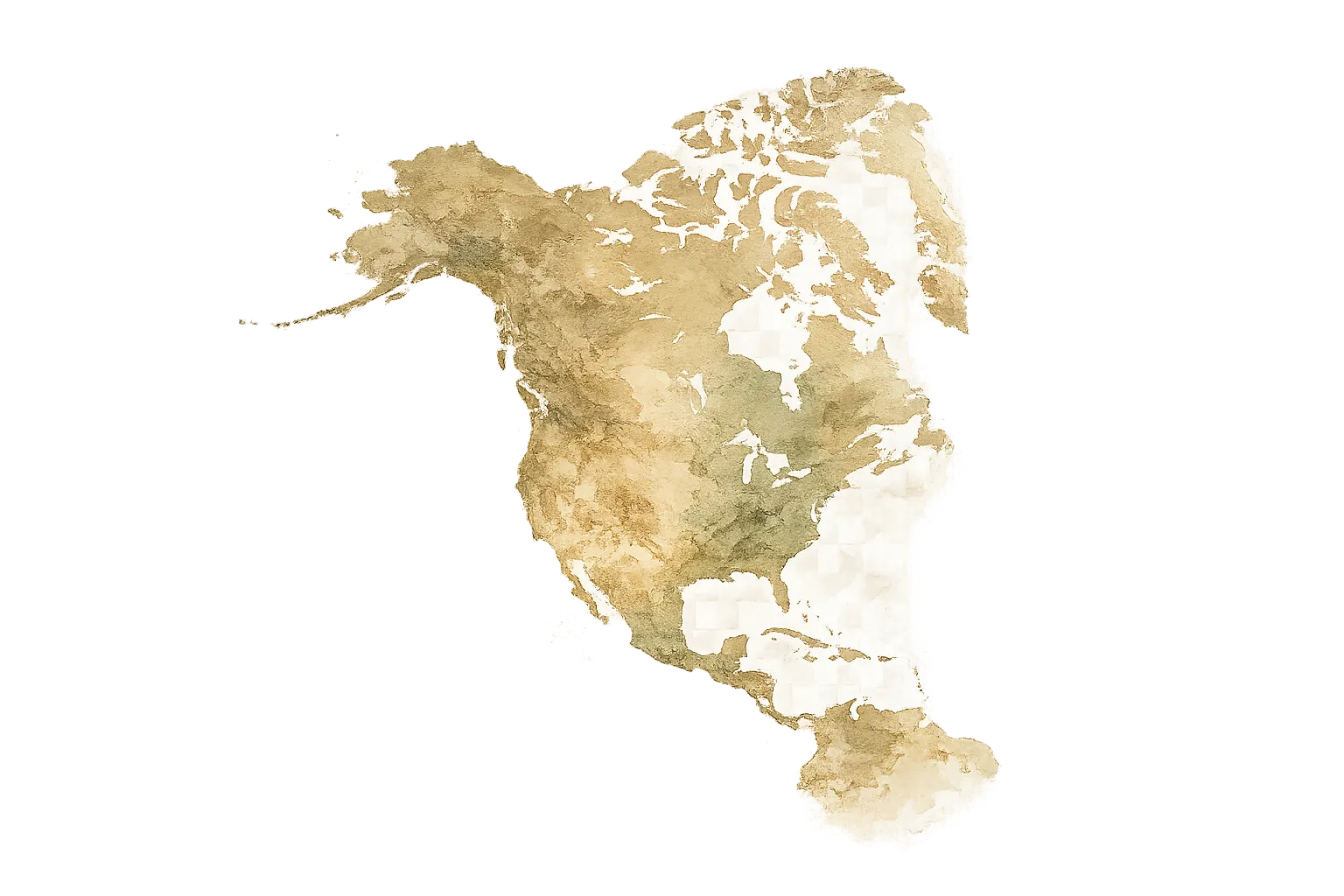
Nearby cities


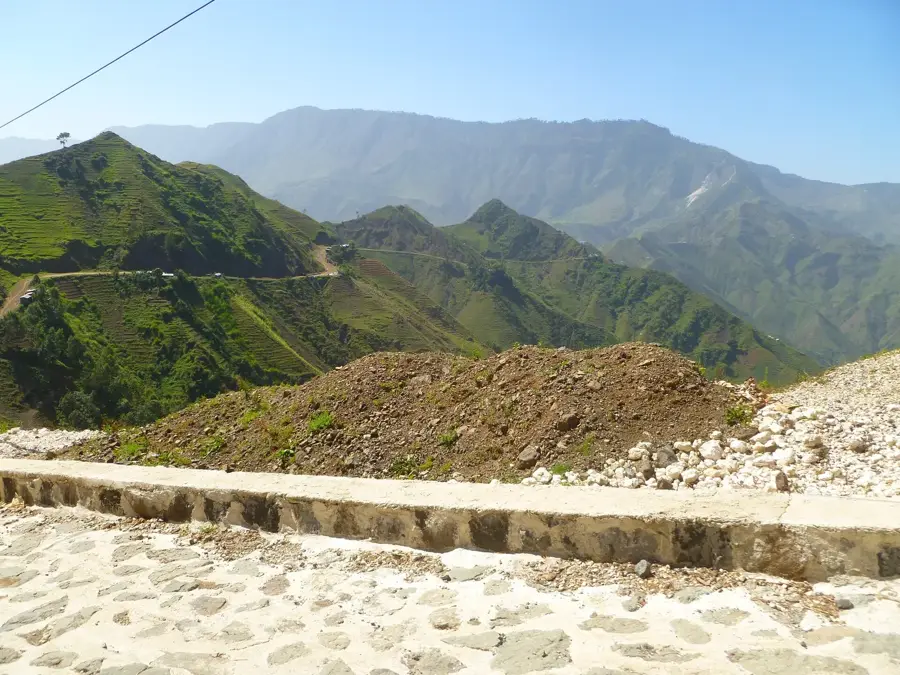
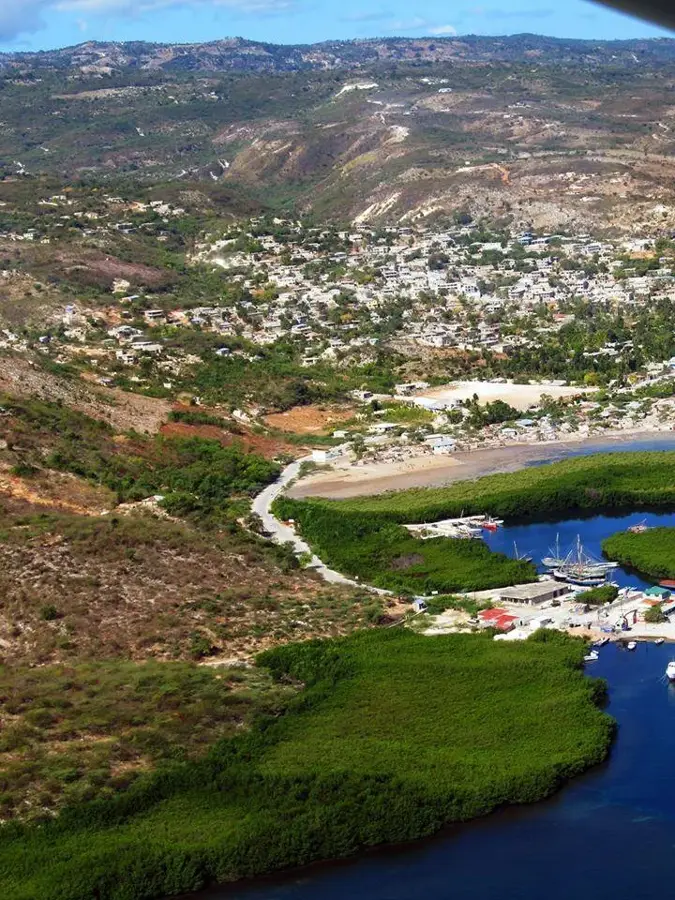
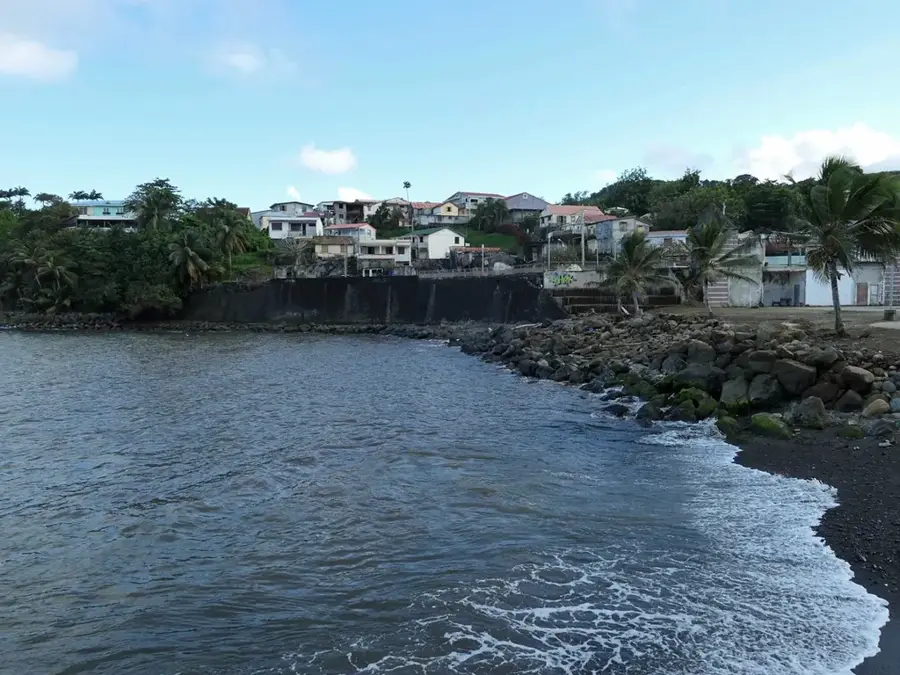
History & landmarks
Nature

More places