Plizio Visual Lab
Izalco Volcano
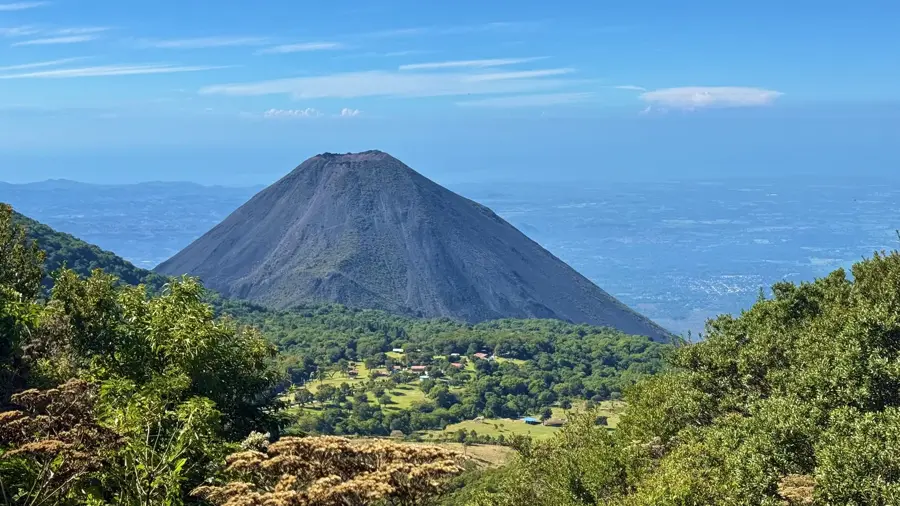
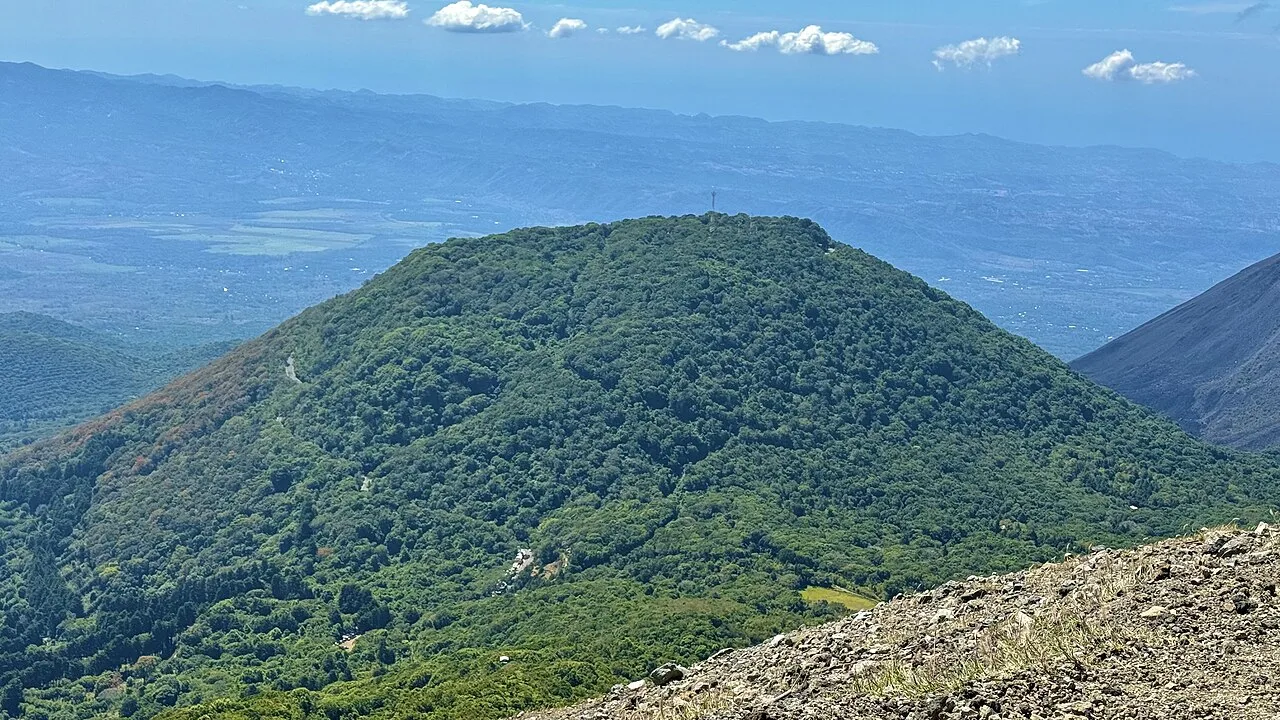
The Izalco Volcano is one of the youngest volcanoes in the Americas, gaining the nickname 'Lighthouse of the Pacific' due to its nearly continuous activity for almost two centuries. It was formed in 1770 on the flank of the Santa Ana Volcano and grew through persistent eruptions to an elevation of 1,950 meters. Its near-great symmetrical cone shape makes it a prominent landmark in the landscape of the Santa Ana Department. The eruptions were so bright that sailors used them as a navigational aid across the Pacific Ocean. In 1958, this phase of constant activity abruptly ceased, and the volcano has remained dormant ever since. The black lava slopes, largely devoid of vegetation, still testify to its recent geological history and the intensity of past outbursts. Today, Izalco is part of the Los Volcanes National Park and serves as a popular destination for hikers who undertake the steep ascent to its summit crater.
Explore on the map
How well do you know El Salvador?
Find cities, landscapes and regions in 10 varied challenges on the interactive map.
Your journey, your memory
A postcard from Izalco Volcano
Turn your own photo into a personal postcard with a local stamp. Free and no sign-up required.
Create a postcard- Location: El Salvador
- Nearby: San Julián (7 km)
📋 Practical info
Geography
Facts
- The Izalco Volcano was born on March 19, 1770, from a fissure eruption.
- The volcano remained active almost continuously until 1958.
- Its current elevation is approximately 1,950 meters above sea level.
- Mariners nicknamed it 'Faro del Pacífico' or the Lighthouse of the Pacific.
- The volcano is located roughly 15 kilometers north of the city of Sonsonate.
- Lava flows in 1966 represented the last signs of significant activity.
Explore nearby
Notable places around
Route planner — Car & Motorhome
Where do you start? We build the route here, with stops and country notes along the way.
© OpenStreetMap contributors · OpenRouteService
Sights in the town Izalco Volcano (1)
Sights nearby
Frequently asked questions
Why is it called the lighthouse?
Can you hike to the summit?
Is special equipment needed?
Is the volcano currently active?
Is the trip worth it?
Izalco Volcano: where is it located?
Izalco Volcano: why is it worth visiting?

Nearby cities
History & landmarks
Nature
More places