Plizio Visual Lab
San Juan de la Maguana
ℹ️Practical info — San Juan de la Maguana
▾
🌤 Weather — 5 days
📍 Nearby
Sights nearby
💡 Tips
- Visit the Plaza Cacaque Caonabo, a park dedicated to indigenous Taino culture, early in the morning for the best light.
- As an agricultural hub, local markets are bustling with fresh beans, corn, and fruits; bringing small change in Dominican Pesos is essential.
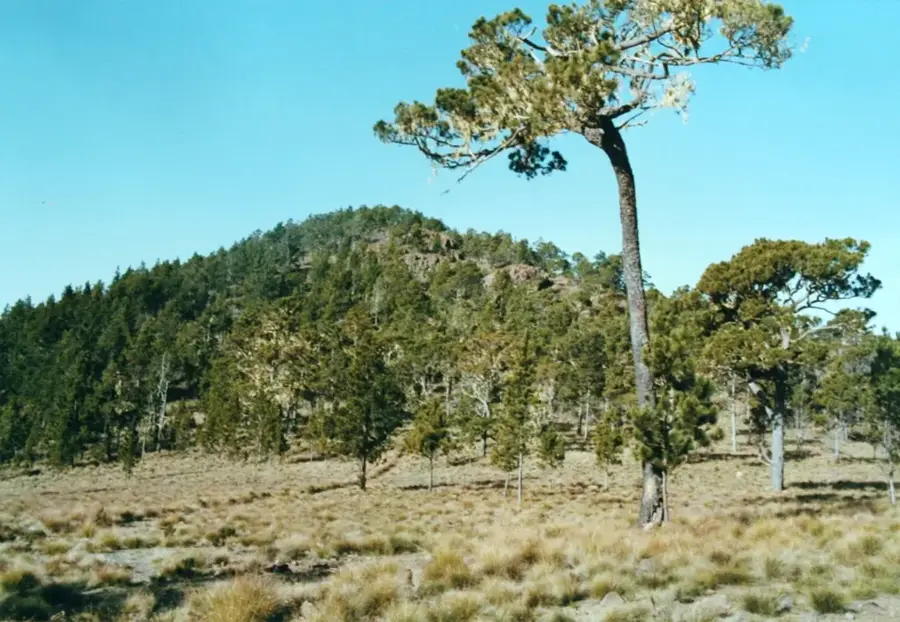
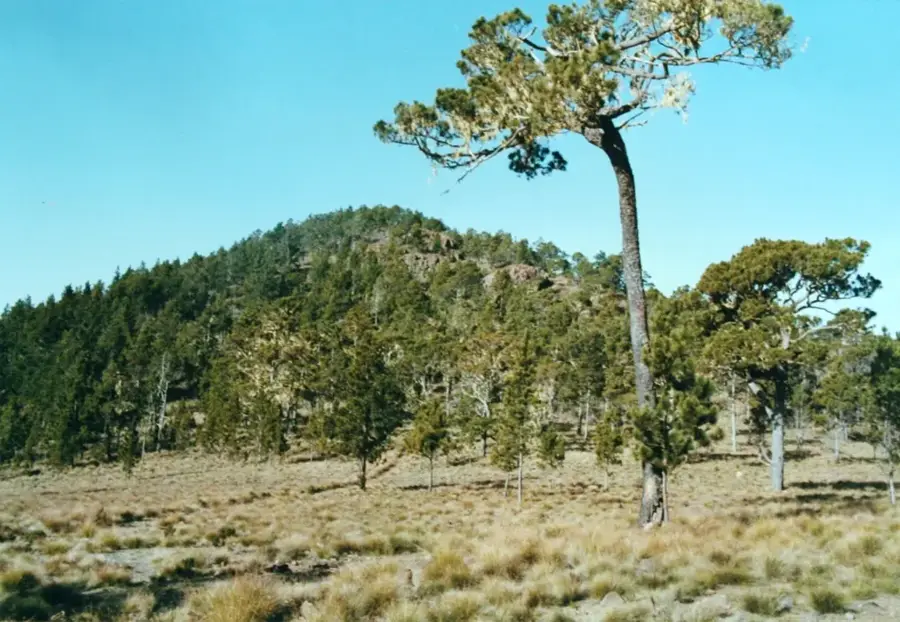
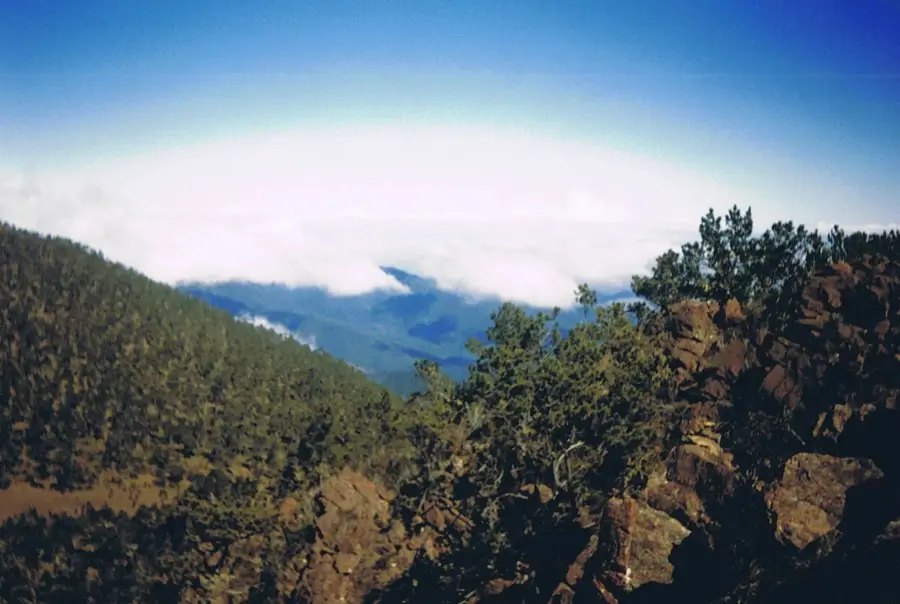
- The town serves as a gateway to the Cordillera Central; consider hiring a local guide if you plan to explore the surrounding mountains.
- Public transport relies heavily on guaguas (minibuses) and motoconchos (motorcycle taxis). Negotiate the fare for motoconchos before getting on.
🍽 Food
A savory cracked corn dish, often served with goat meat, found in traditional comedores near the main square.
A sweet corn pudding spiced with cinnamon and cloves from local bakeries.
Fresh, stringy local cheese, great as a snack, bought fresh at the local agricultural market.
🛍 Shopping · 🧘 Quiet spots
The central market is the best place to find fresh, locally grown beans and agricultural products.
Look for small artisan shops selling wood carvings and pottery inspired by the region's history.
The central square is a pleasant place to relax under the shade of mature trees during the hot afternoon hours.
Walk along the riverbanks on the outskirts of town for a tranquil escape from the urban center.
Water temperature…
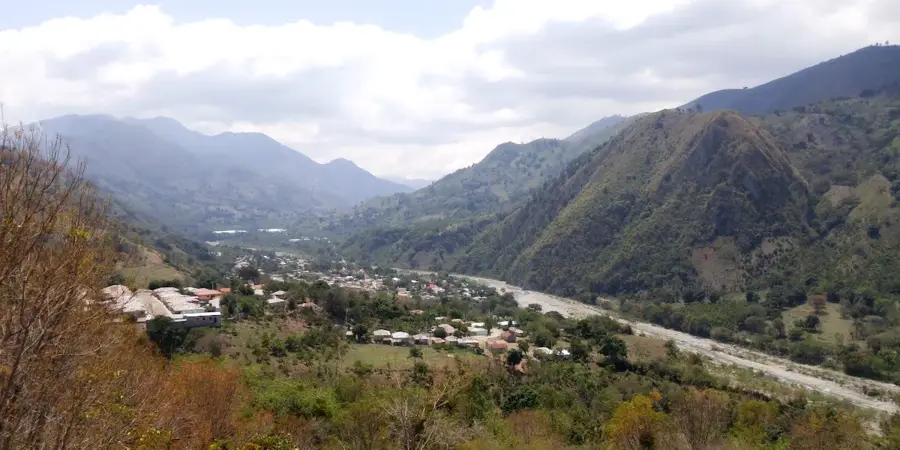
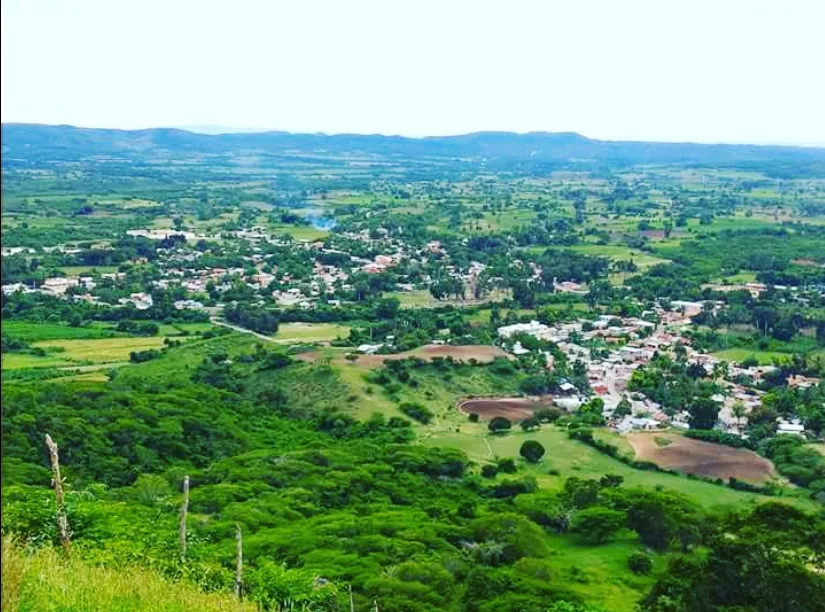
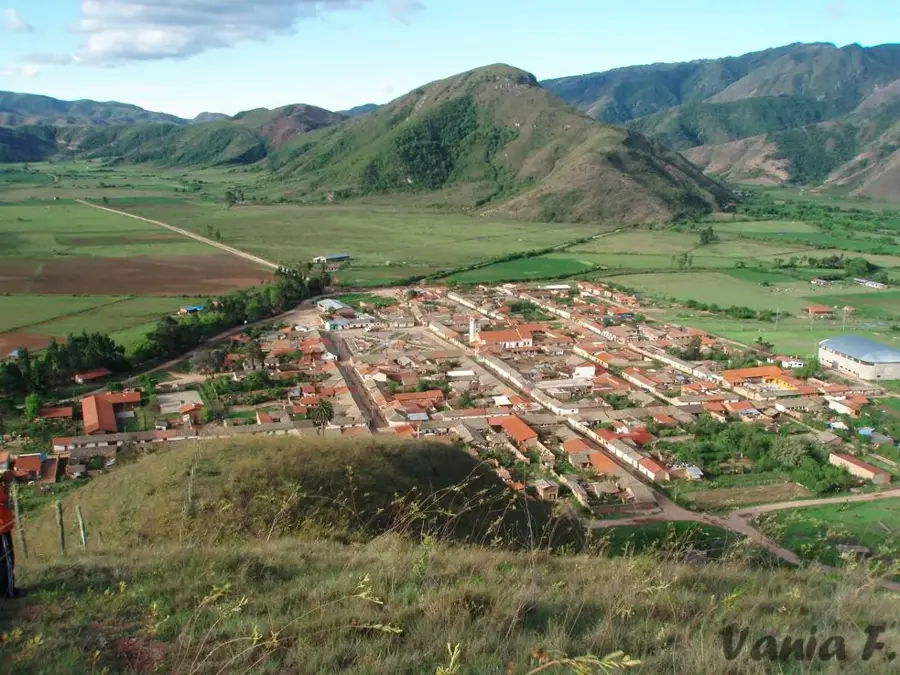
San Juan de la Maguana is one of the oldest cities in the Dominican Republic and the capital of the San Juan province in the southwest. Founded in 1503, the city is located in the fertile San Juan Valley, a region famously dubbed the "Granary of the South" for its immense agricultural productivity. The area possesses a rich pre-Columbian history as the center of one of the major Taino chiefdoms, evidenced today by the "Corral de los Indios," a significant ceremonial stone circle. The local economy is powered by agriculture, specifically the large-scale production of beans, rice, and corn that supports the national food supply. Geographically, the valley experiences hot days and cool nights, sheltered by the towering ranges of the Cordillera Central and Sierra de Neiba. San Juan is also a cultural hotspot for religious syncretism and folklore, which is deeply integrated into local festivals and customs. Modern San Juan has undergone significant urban renovation while maintaining its role as the essential cultural and agricultural pillar of the Dominican southwest.
Explore on the map
How well do you know Dominican Republic?
Find cities, landscapes and regions in 10 varied challenges on the interactive map.
Your journey, your memory
A postcard from San Juan de la Maguana
Turn your own photo into a personal postcard with a local stamp. Free and no sign-up required.
Create a postcard- Location: Dominican Republic
- Nearby: Guayabal (39 km)
- Population: ~72.950 (2026)
Best time to visit & climate
The most pleasant time to visit is Jan–Mar.
| Jan | Feb | Mar | Apr | May | Jun | Jul | Aug | Sep | Oct | Nov | Dec | |
|---|---|---|---|---|---|---|---|---|---|---|---|---|
| Avg °C | 20 | 21 | 22 | 23 | 23 | 24 | 25 | 25 | 24 | 23 | 22 | 21 |
| Rain mm | 27 | 20 | 28 | 38 | 56 | 35 | 36 | 52 | 44 | 56 | 63 | 37 |
Geography
Facts
- San Juan de la Maguana was founded in 1503 by Diego Velázquez de Cuéllar.
- The Corral de los Indios is a significant Taino pre-Columbian stone circle.
- The city is the leading producer of beans in the Dominican Republic.
- The powerful chieftain Caonabo ruled this territory before Spanish arrival.
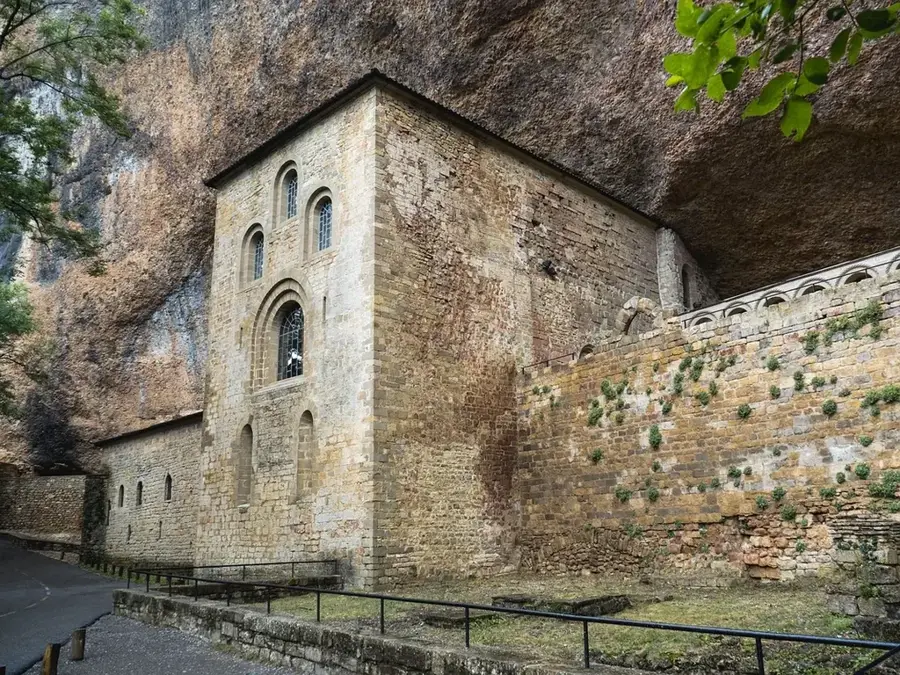
- The San Juan Bautista Cathedral features a blend of modern and classic styles.
- The city is located in a valley at an elevation of roughly 415 meters.
Explore nearby
Notable places around
Route planner — Car & Motorhome
Where do you start? We build the route here, with stops and country notes along the way.
© OpenStreetMap contributors · OpenRouteService
Frequently asked questions
What is the landmark of the city?
What is the region known for?
Are there historical sites?
What is the climate like there?
Can you go hiking from here?
San Juan de la Maguana: where is it located?
San Juan de la Maguana: when is the best time to visit?
San Juan de la Maguana: why is it worth visiting?
Nearby cities
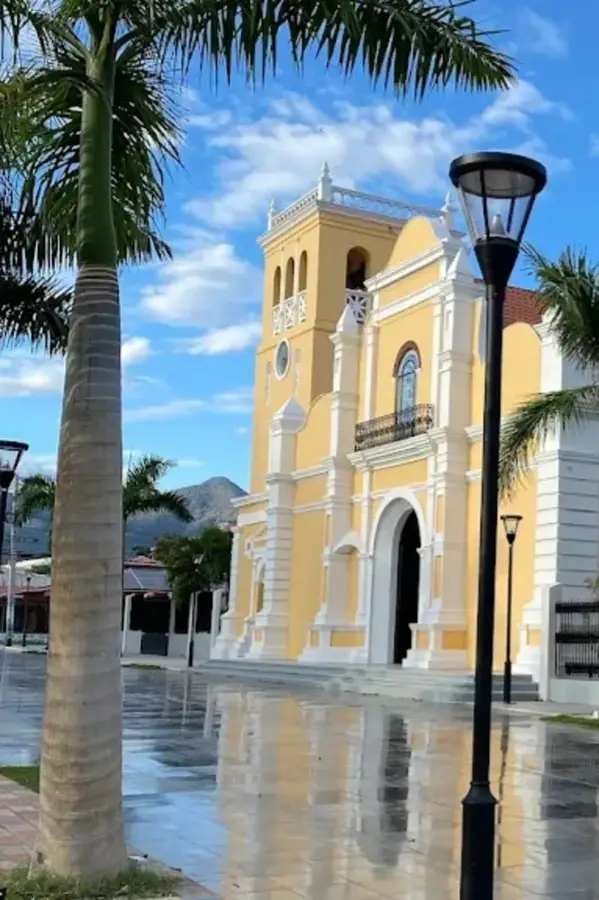
History & landmarks
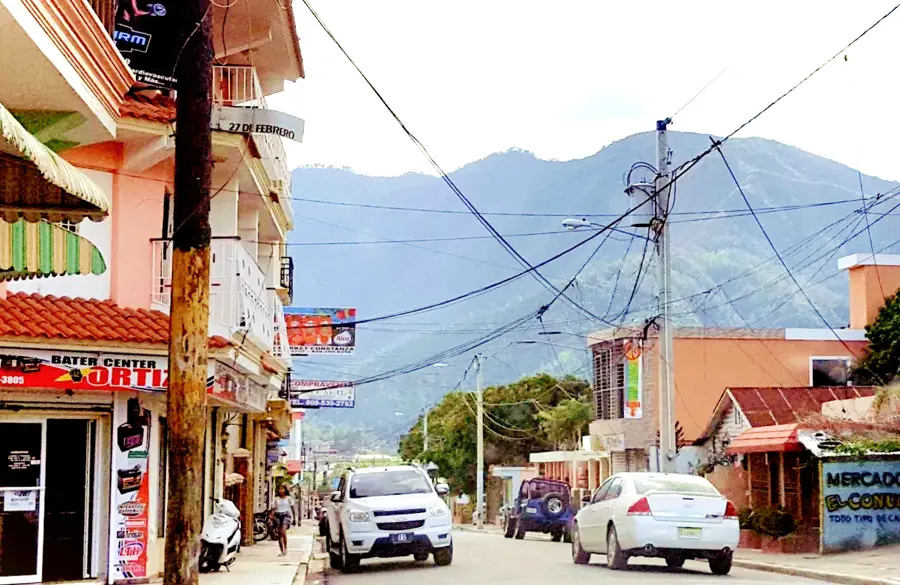
Nature
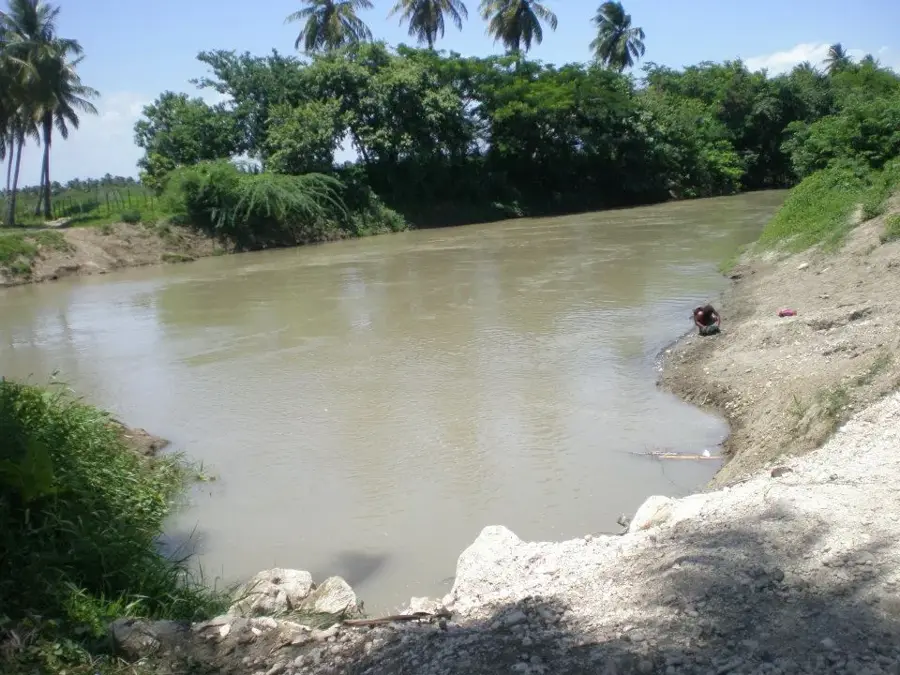
More places