Plizio Visual Lab
Pueblo Viejo
ℹ️Practical info — Pueblo Viejo
▾
🌤 Weather — 5 days
📍 Nearby
Sights nearby
💡 Tips
- The area can be quite dusty due to the dry climate and nearby mining activities, so dress accordingly.
- Visit the central park in the late afternoon when it comes alive with locals cooling down.
- Try to find shade during midday, as the Azua sun is intensely strong.
- It is best to rent a car to explore the surrounding historical ruins at your own pace.
🍽 Food
A flavorful goat dish cooked with oregano, found in rustic roadside restaurants.
A sweet plantain and meat casserole available in local lunch spots.
Refreshing tamarind juice to beat the heat, bought from street stalls.
🛍 Shopping · 🧘 Quiet spots
Small corner stores are the best place to buy local snacks and cold drinks.
Look for dried local oregano at small markets, it is considered some of the best in the country.
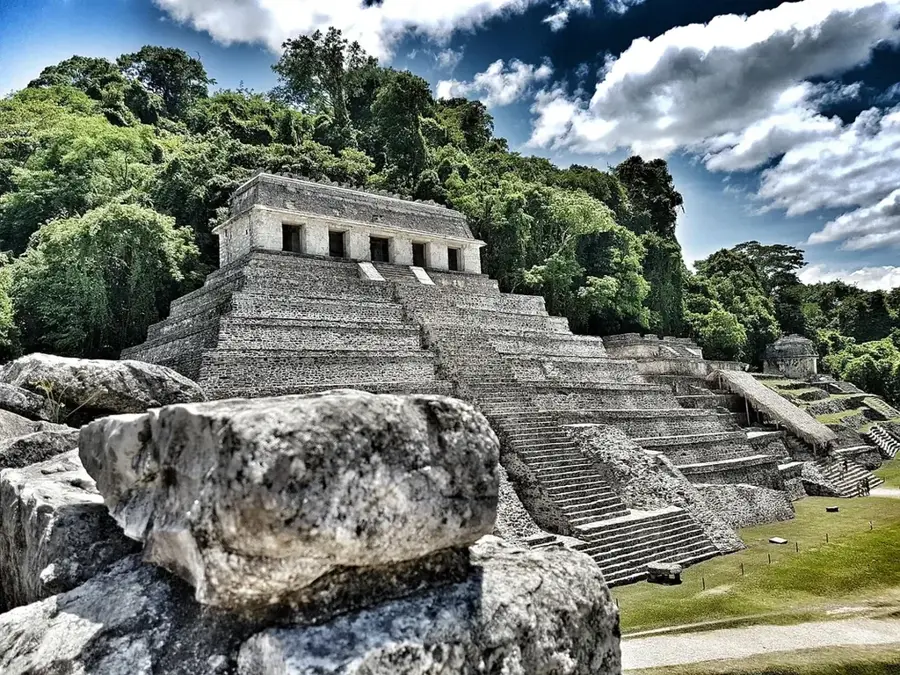
Visit the remnants of the colonial settlements just outside town for a peaceful historical walk.
Take a quiet walk near the agricultural fields just before sunset.
Water temperature…
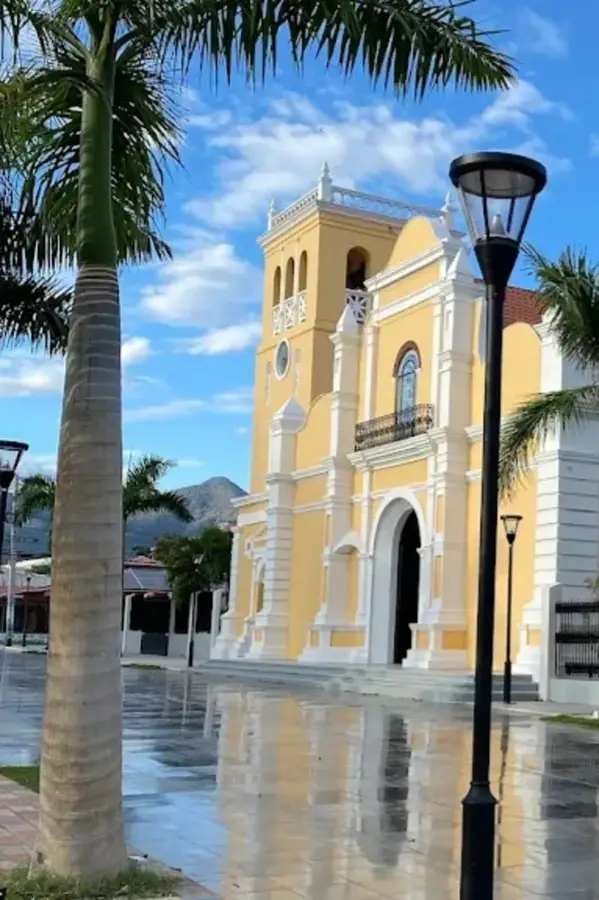
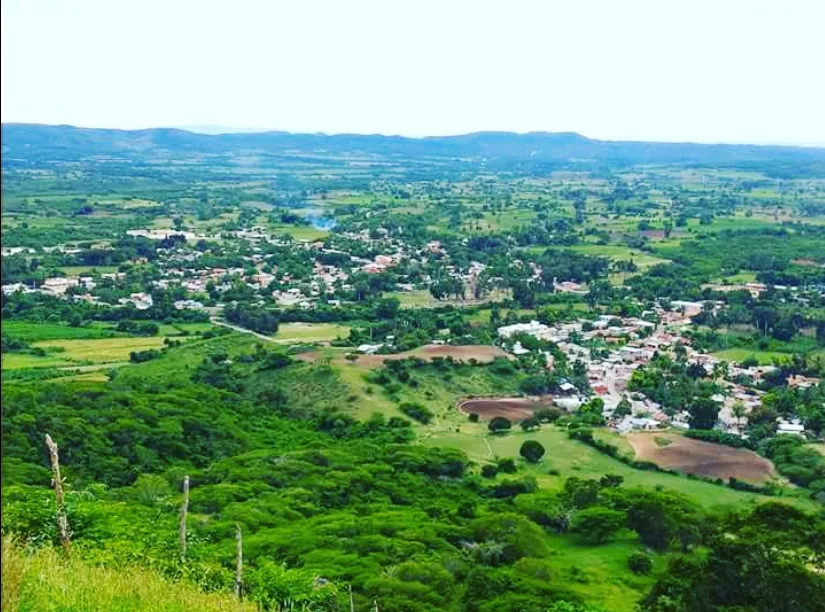
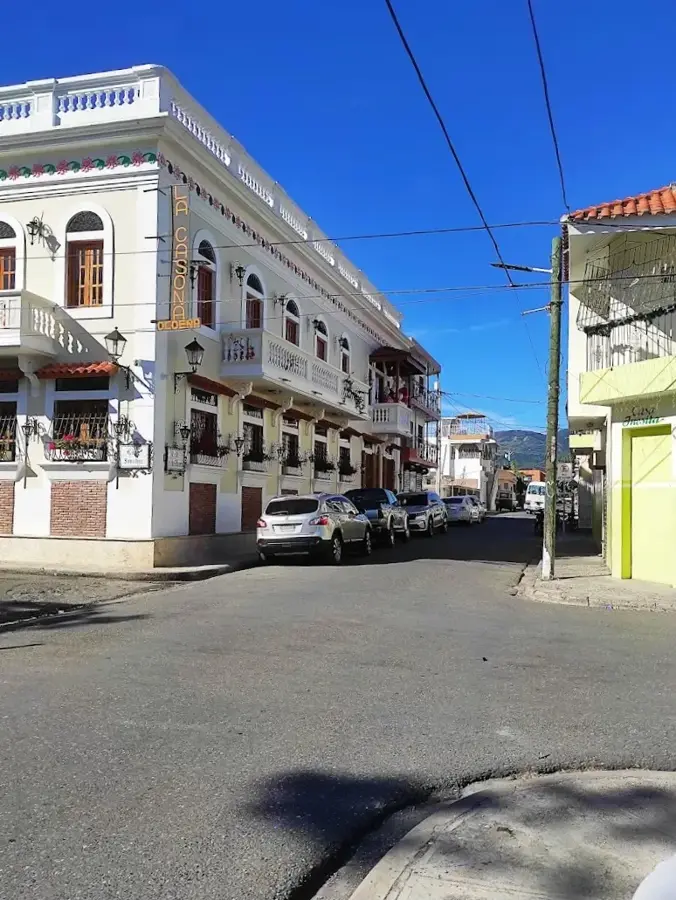
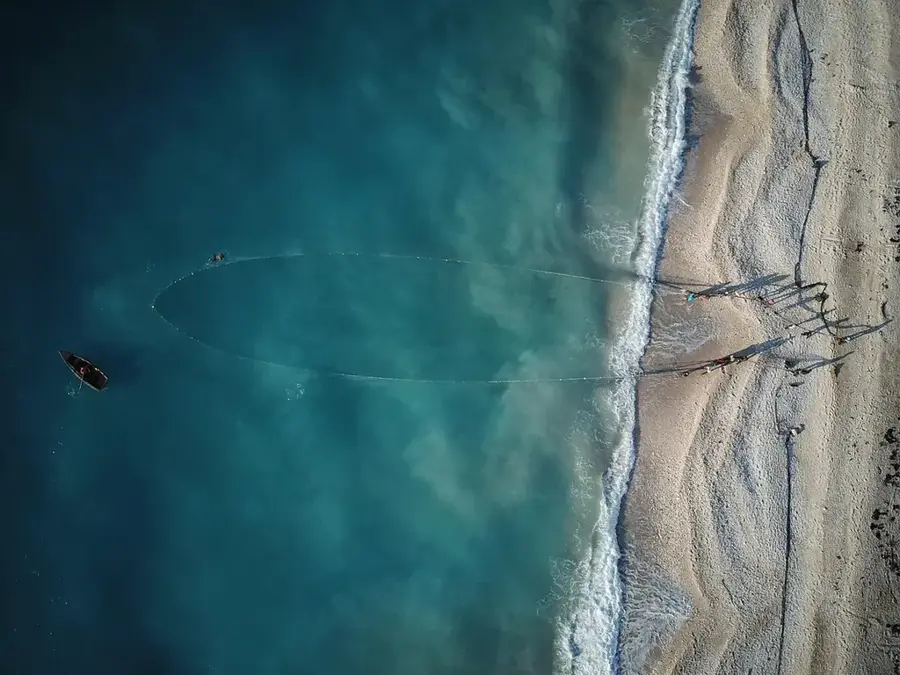
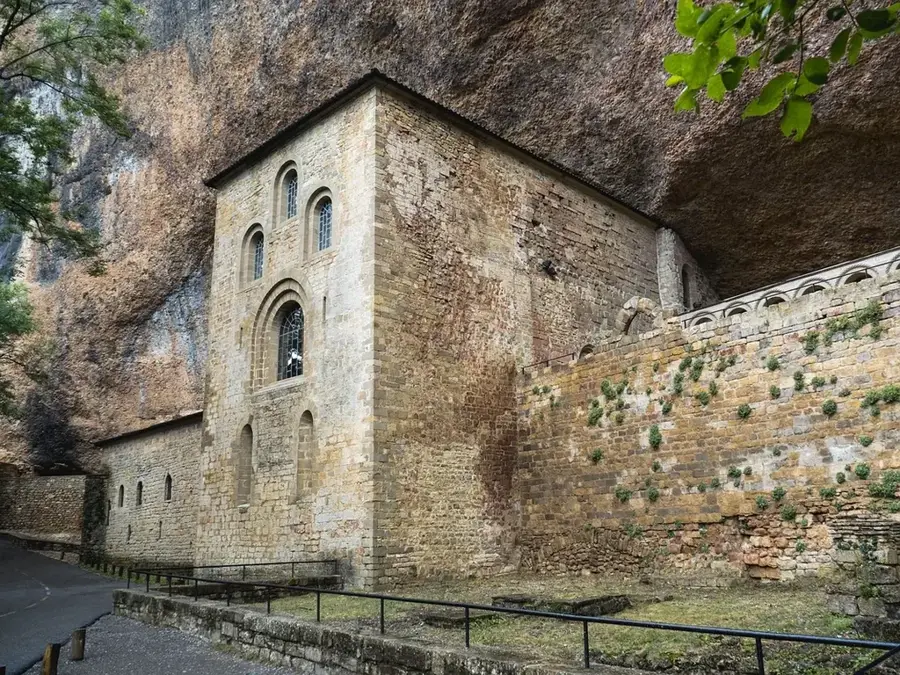
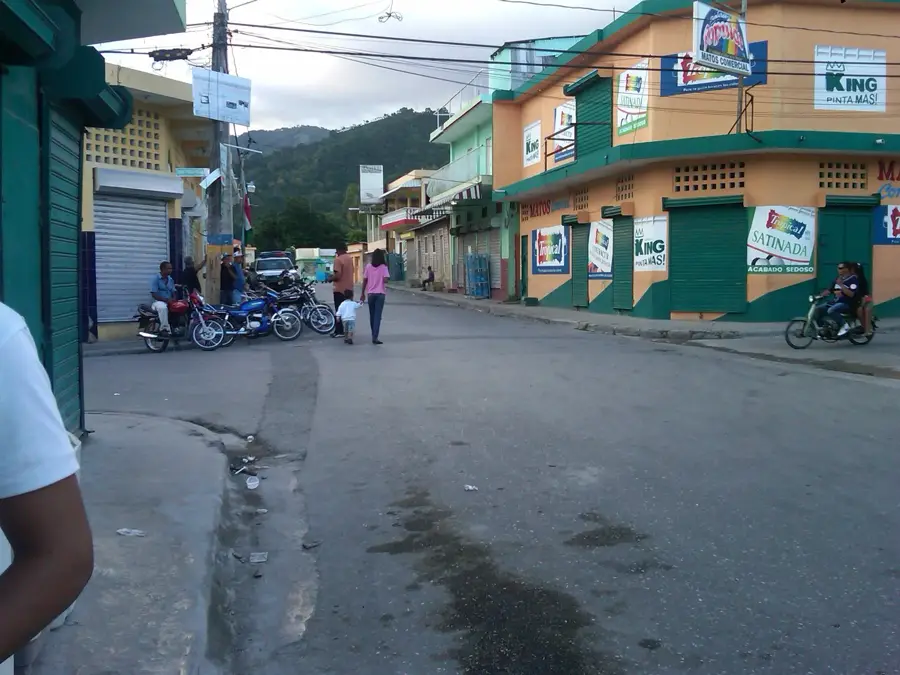
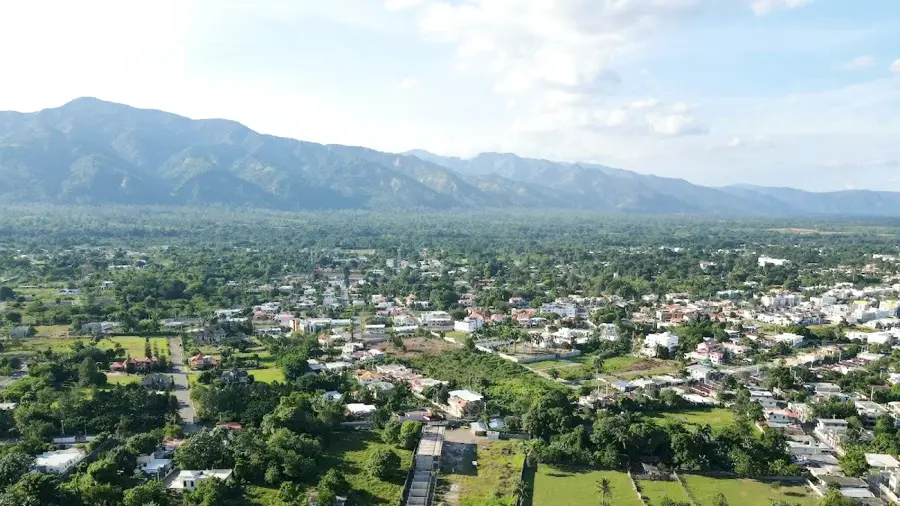
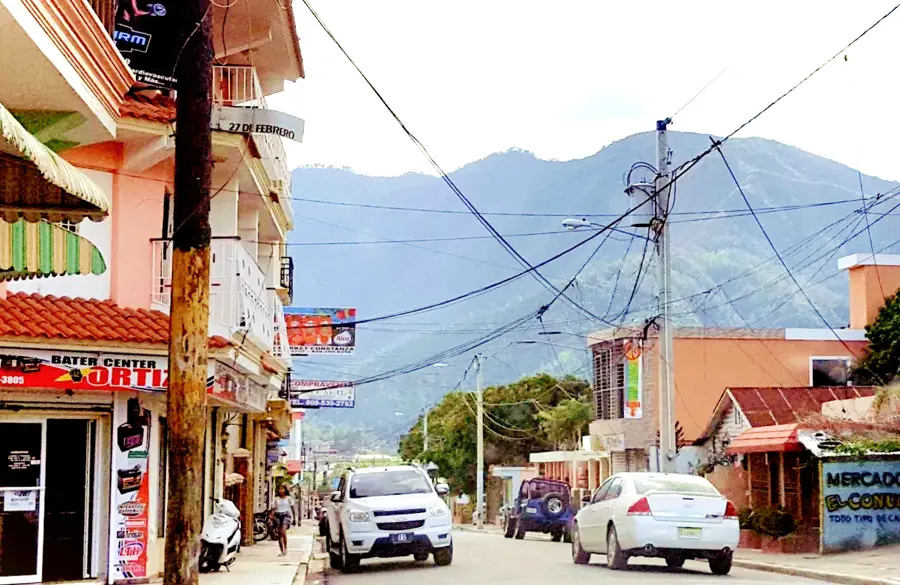
Pueblo Viejo is a historically significant municipality in the Azua province, marking the original site where the city of Azua de Compostela was founded. Established in 1504 by Diego Velázquez de Cuéllar, it was one of the earliest Spanish settlements in the New World. In 1751, the original town was devastated by a powerful earthquake and a subsequent tsunami, leading to the relocation of its inhabitants to the current site of Azua. The ruins of the old cathedral and other colonial structures remain today, serving as vital archaeological evidence of the early colonial era. Today, Pueblo Viejo exists as an independent municipality, with its local economy primarily supported by agriculture and fishing. Its coastal proximity and rich historical background make it a site of great interest for historians and researchers alike. Despite its modest size, Pueblo Viejo preserves the legacy of the conquistadors and the memory of the natural disasters that shaped the region.
Explore on the map
How well do you know Dominican Republic?
Find cities, landscapes and regions in 10 varied challenges on the interactive map.
Your journey, your memory
A postcard from Pueblo Viejo
Turn your own photo into a personal postcard with a local stamp. Free and no sign-up required.
Create a postcard- Location: Dominican Republic
- Nearby: Azua de Compostela (7 km)
- Population: ~4.192 (2016)
Best time to visit & climate
The most pleasant time to visit is Jan, Feb, Dec.
| Jan | Feb | Mar | Apr | May | Jun | Jul | Aug | Sep | Oct | Nov | Dec | |
|---|---|---|---|---|---|---|---|---|---|---|---|---|
| Avg °C | 24 | 24 | 25 | 26 | 26 | 26 | 27 | 27 | 27 | 26 | 25 | 24 |
| Rain mm | 19 | 18 | 25 | 41 | 67 | 42 | 43 | 69 | 48 | 74 | 63 | 33 |
Geography
Facts
- The town was founded in 1504 by Diego Velázquez de Cuéllar.
- A devastating earthquake destroyed the settlement on October 18, 1751.
- Hernán Cortés lived here between 1504 and 1511, serving as a public notary.
- The ruins of the Las Mercedes church are a key historical attraction.
- Pueblo Viejo was officially elevated to a municipality on August 1, 2003.
- The location is situated just a few kilometers from the Caribbean coast.
Explore nearby
Notable places around
Route planner — Car & Motorhome
Where do you start? We build the route here, with stops and country notes along the way.
© OpenStreetMap contributors · OpenRouteService
Frequently asked questions
Why is the place called Pueblo Viejo?
Are there historical ruins?
Can you buy souvenirs there?
What is the most important festival?
How is the road connection?
Pueblo Viejo: where is it located?
Pueblo Viejo: when is the best time to visit?
Pueblo Viejo: why is it worth visiting?

Nearby cities

History & landmarks
Nature
More places