Plizio Visual Lab
Azua de Compostela
ℹ️Practical info — Azua de Compostela
▾
🌤 Weather — 5 days
📍 Nearby
Sights nearby
💡 Tips
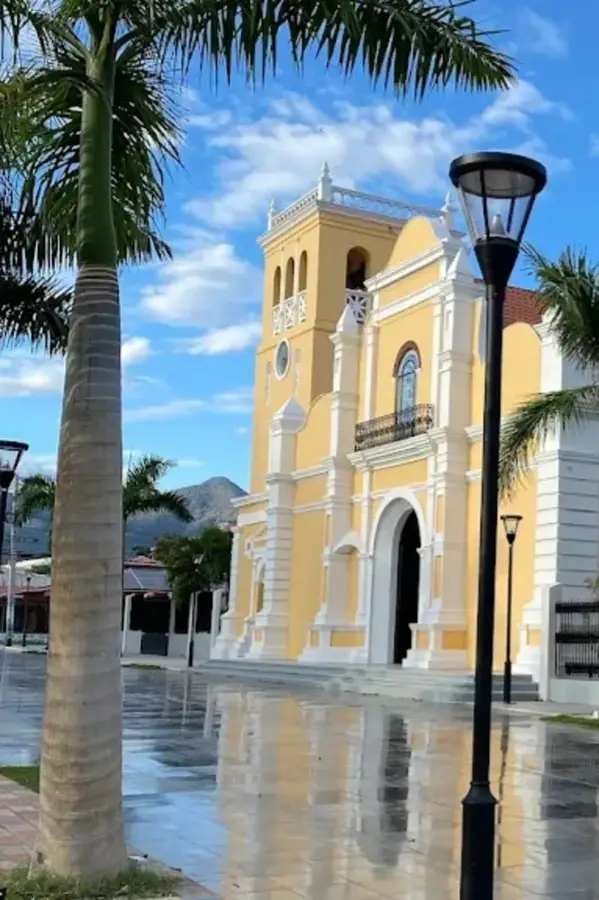
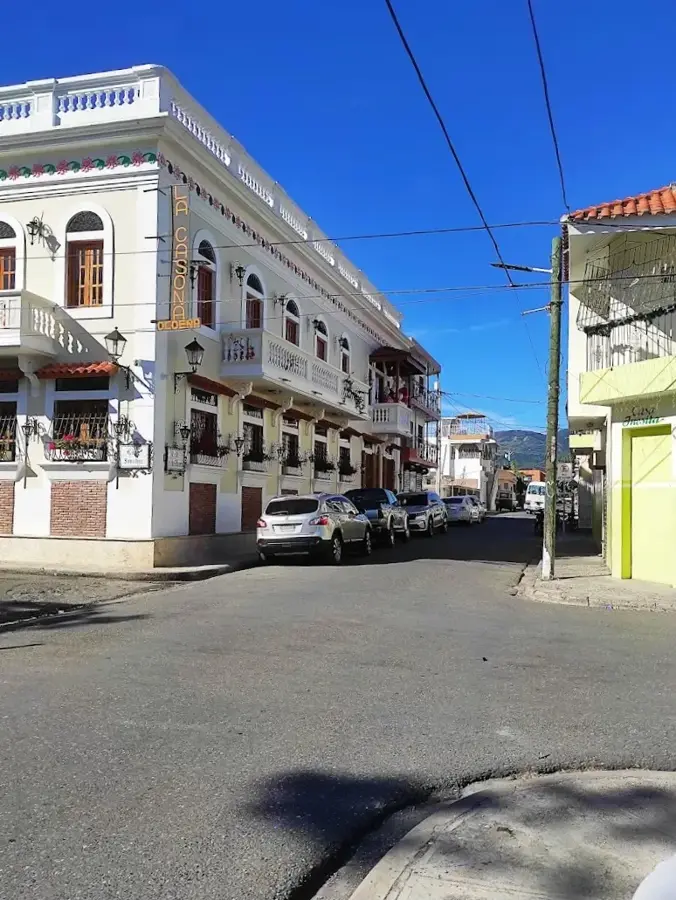
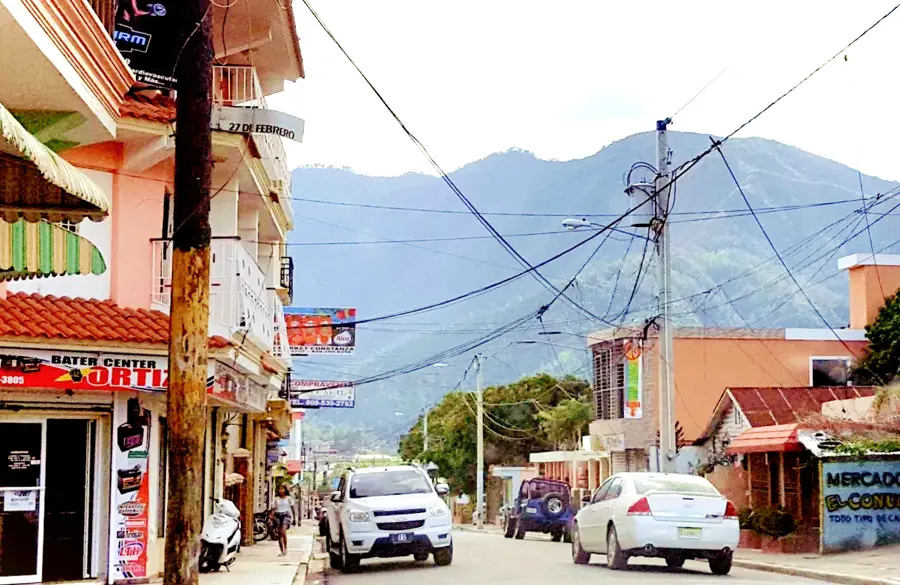
- Take time to explore the colonial remnants in the city center, reflecting its rich history since Diego Velázquez.
- The climate is very dry and hot; plan your sightseeing for early morning or late afternoon to avoid the midday sun.
- Public transportation to nearby beaches (like Playa Monte Rio) is available via guaguas (minibuses) from the main terminal.
- Don't miss the local monument commemorating the Battle of March 19th; it's a key piece of national independence history.
🍽 Food
Try the regional spicy goat stew at a traditional Dominican restaurant near the town square.
Find locally made milk sweets at traditional bakeries or small shops in the historic center.
Head down to Playa Monte Rio to enjoy freshly fried fish with tostones (fried plantains) right on the beach.
🛍 Shopping · 🧘 Quiet spots
The municipal market is well-suited for buying fresh tropical fruits, vegetables, and local spices.
Look for small artisanal shops near the central park selling woven goods and local art.
The main square is shaded by large trees, offering a quiet retreat during the hottest parts of the day.
Visit the local dark-sand beach early in the morning for a serene walk before the crowds arrive.
Water temperature…
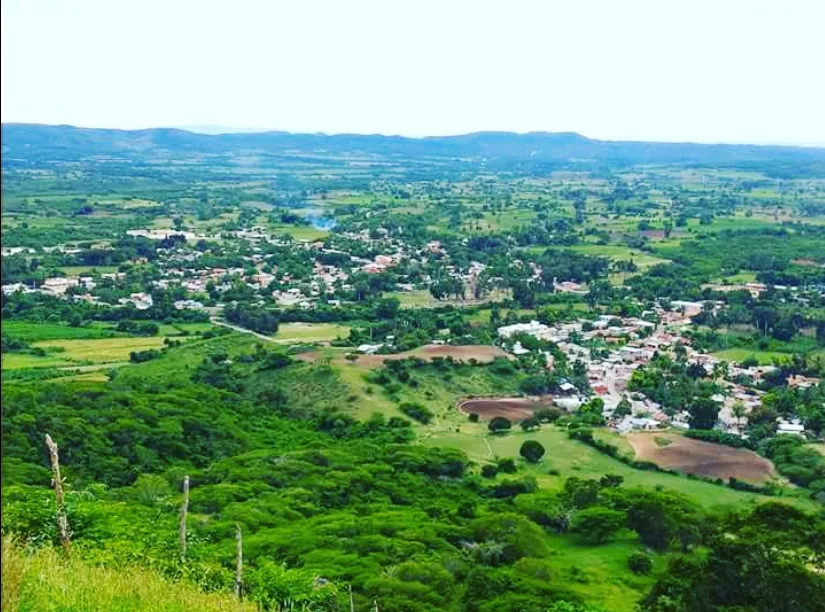
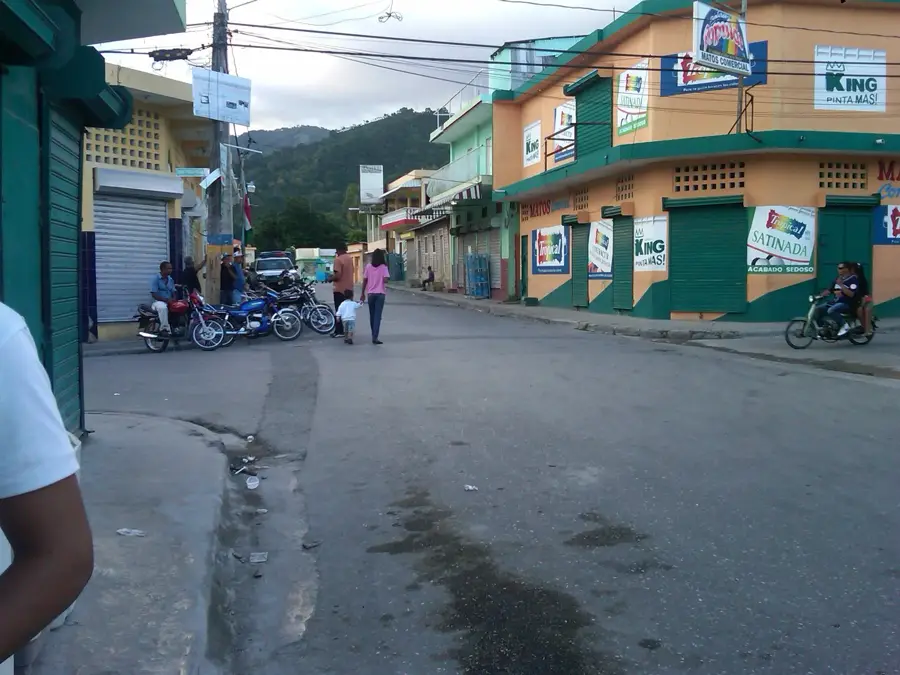
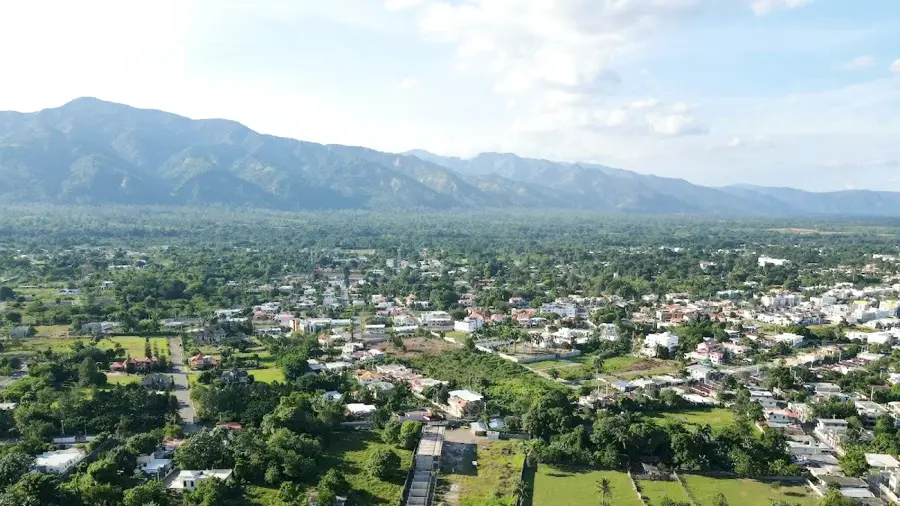
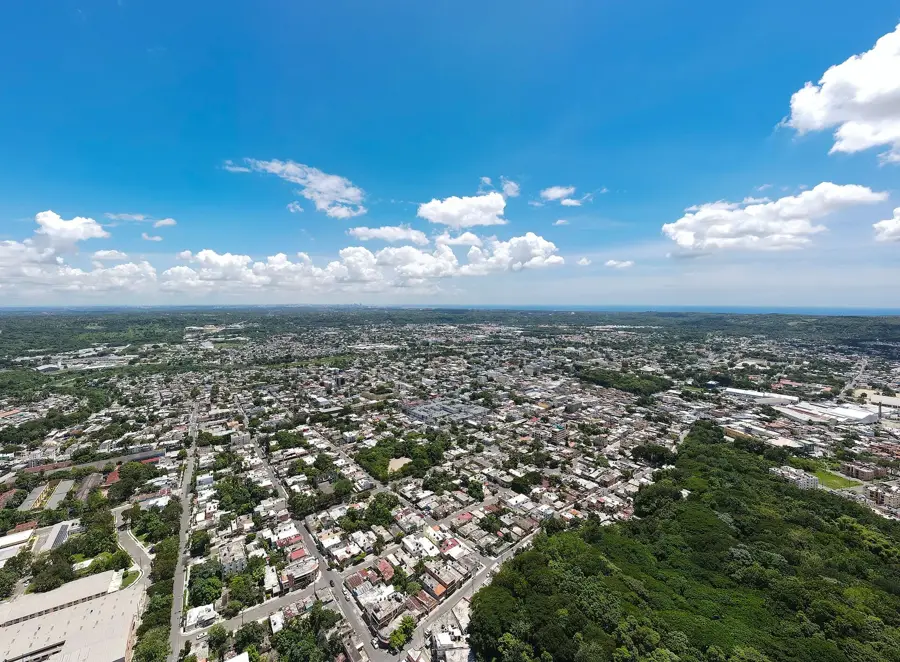
Azua de Compostela, the capital of Azua province, stands as one of the oldest European settlements in the Americas, founded in 1504 by Diego Velázquez de Cuéllar. Located in the southwestern region of the Dominican Republic, the city is situated on an arid coastal plain near the Bay of Ocoa. Historically, Azua is deeply significant to the nation's independence; it was the site of the pivotal Battle of March 19 in 1844, where Dominican forces defeated the Haitian army to secure national sovereignty. The regional economy is primarily agricultural, utilizing sophisticated irrigation systems to produce bananas, tomatoes, and onions for international markets. Because it lies in the rain shadow of the surrounding mountains, Azua experiences a much drier climate than most of the country, a factor that defines its semi-arid landscape and facilitates salt production along the coast. Today, the city serves as a historical guardian, preserving colonial ruins and monuments that honor its 500-year legacy and its heroic role in the birth of the Dominican Republic.
Explore on the map
How well do you know Dominican Republic?
Find cities, landscapes and regions in 10 varied challenges on the interactive map.
Your journey, your memory
A postcard from Azua de Compostela
Turn your own photo into a personal postcard with a local stamp. Free and no sign-up required.
Create a postcard- Location: Dominican Republic
- Highlights: Battle of El Número · Azua, Dominican Republic · Battle of Azua
- Nearby: Pueblo Viejo (7 km)
- Population: ~59.139 (2026)
Best time to visit & climate
The most pleasant time to visit is Jan–Mar.
| Jan | Feb | Mar | Apr | May | Jun | Jul | Aug | Sep | Oct | Nov | Dec | |
|---|---|---|---|---|---|---|---|---|---|---|---|---|
| Avg °C | 23 | 23 | 23 | 24 | 25 | 25 | 25 | 26 | 26 | 25 | 24 | 23 |
| Rain mm | 23 | 20 | 22 | 40 | 67 | 47 | 56 | 69 | 60 | 66 | 70 | 43 |
Geography
Facts
- Azua was founded in 1504 by the Spanish conquistador Diego Velázquez de Cuéllar.
- The pivotal Battle of March 19 for independence took place here in 1844.
- The original colonial city was destroyed by a major earthquake in 1751.
- Hernán Cortés, the future conqueror of Mexico, lived in Azua for several years.
- The region is a top producer of bananas and tomatoes for the Caribbean market.
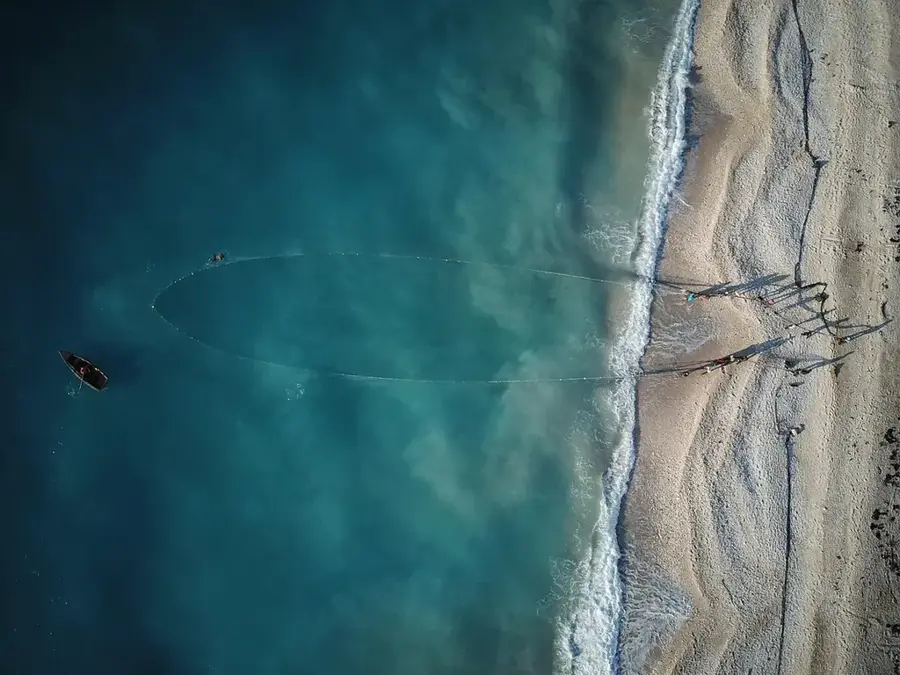
- Azua is located near Ocoa Bay, which is a major site for local fishing.
Explore nearby
Notable places around
Route planner — Car & Motorhome
Where do you start? We build the route here, with stops and country notes along the way.
© OpenStreetMap contributors · OpenRouteService
Sights in the town Azua de Compostela (3)
Frequently asked questions
What is the history of Azua?
Are there beaches in Azua?
What is the landscape like?
Are the ruins worth a visit?
What is the local festival?
Azua de Compostela: where is it located?
Azua de Compostela: what is there to see?
Azua de Compostela: when is the best time to visit?
Azua de Compostela: why is it worth visiting?

Nearby cities




History & landmarks
Nature
More places