Plizio Visual Lab
Constanza
Weather…
Water temperature…
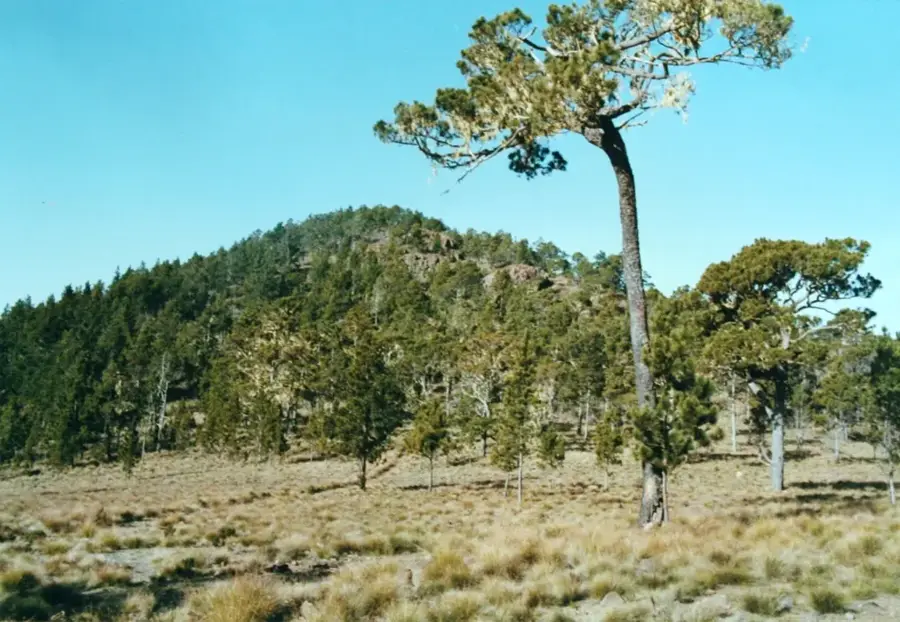
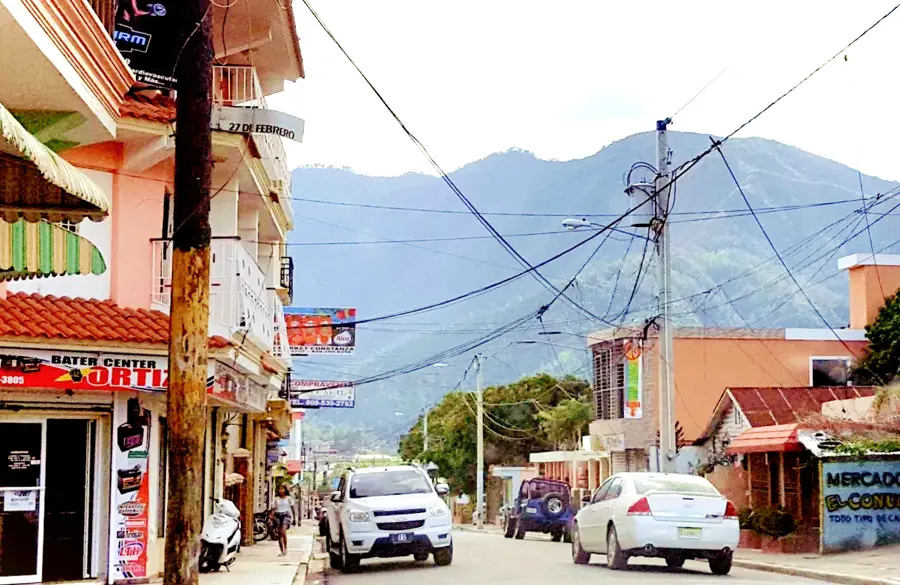
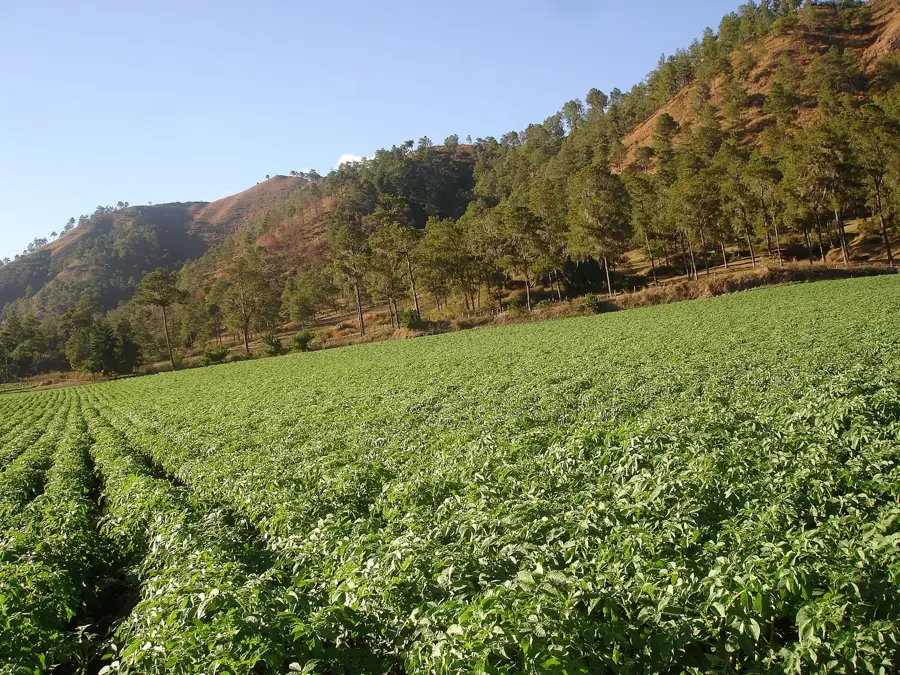
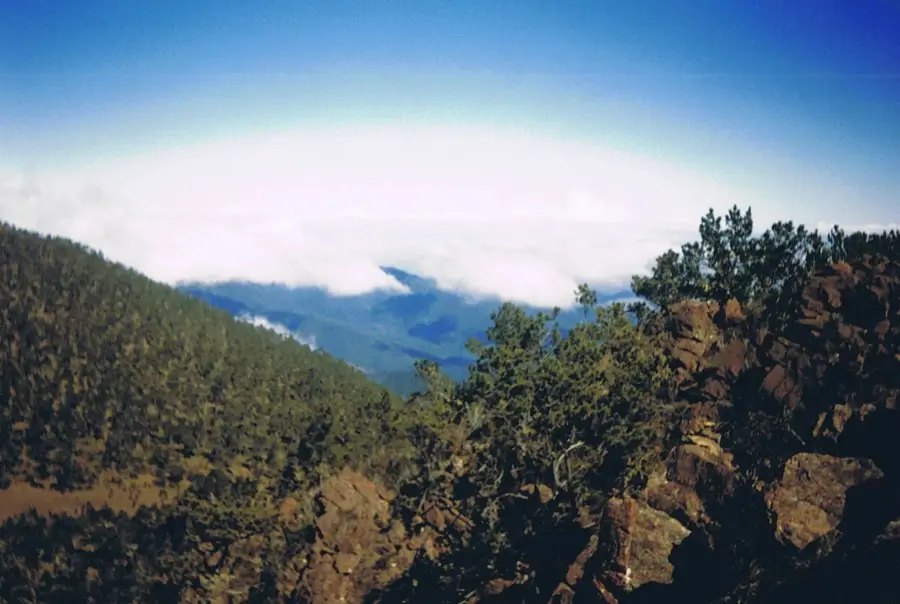
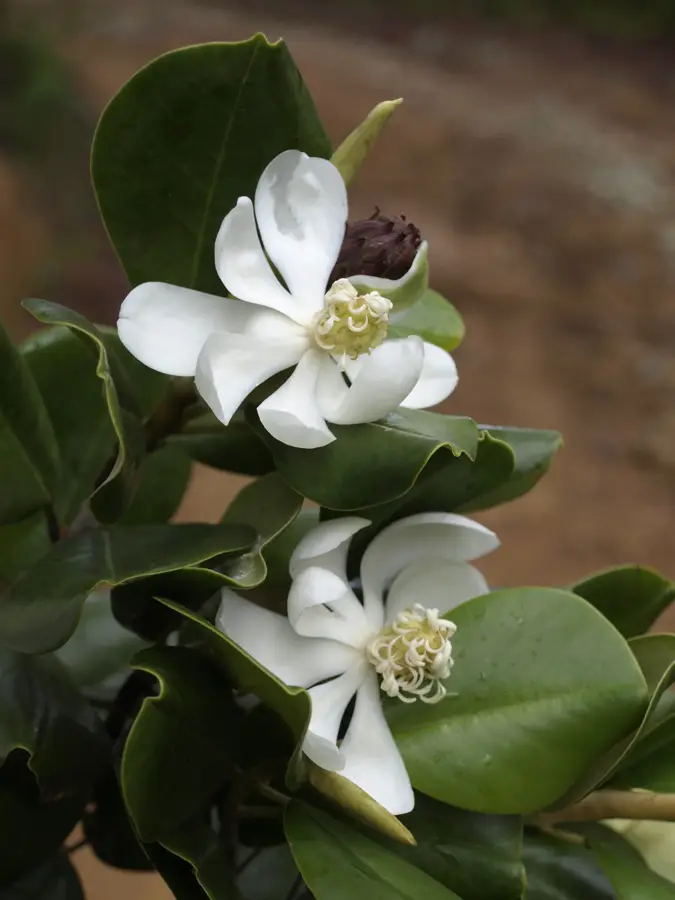
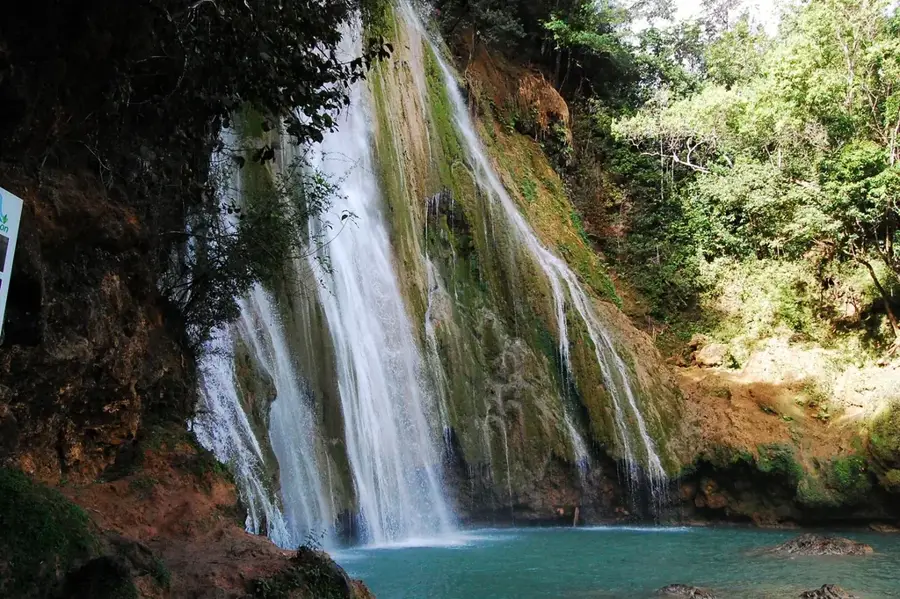
Constanza is a town in the La Vega province of the Dominican Republic, widely recognized as the highest inhabited settlement in the Caribbean. Positioned in a fertile valley within the Central Cordillera mountain range, it sits at an elevation of approximately 1,250 meters above sea level. Due to its cool, temperate climate, where temperatures can occasionally drop below freezing during winter, the region is frequently dubbed the 'Switzerland of the Caribbean.' The local economy is driven primarily by agriculture, as Constanza produces the vast majority of the country's vegetables, strawberries, apples, and flowers, which cannot thrive in the tropical lowlands. Geographically, the area is surrounded by critical protected zones, including the Ébano Verde Scientific Reserve, noted for its high rate of endemic plant species. Historically, the valley saw a significant boost in development during the mid-20th century with the arrival of Japanese and Spanish immigrants who introduced advanced farming techniques. Today, it remains a premier destination for ecotourism, offering alpine-like landscapes, waterfalls, and extensive hiking trails.
Explore on the map
How well do you know Dominican Republic?
Find cities, landscapes and regions in 10 varied challenges on the interactive map.
Your journey, your memory
A postcard from Constanza
Turn your own photo into a personal postcard with a local stamp. Free and no sign-up required.
Create a postcard- Location: Dominican Republic
- Nearby: Jarabacoa (21 km)
Best time to visit & climate
The most pleasant time to visit is Feb–Apr.
| Jan | Feb | Mar | Apr | May | Jun | Jul | Aug | Sep | Oct | Nov | Dec | |
|---|---|---|---|---|---|---|---|---|---|---|---|---|
| Avg °C | 19 | 20 | 21 | 22 | 22 | 23 | 23 | 23 | 23 | 23 | 21 | 20 |
| Rain mm | 34 | 24 | 29 | 41 | 62 | 38 | 47 | 56 | 53 | 56 | 69 | 49 |
📋 Practical info
Geography
Facts
- Elevation of 1,250 meters above sea level
- Records the coldest temperatures in the Caribbean
- Primary hub for flower and vegetable farming
- Developed by Japanese and Spanish immigrants
- Home to the Ébano Verde Scientific Reserve
- Located within the Central Cordillera range
Explore nearby
Notable places around
Route planner — Car & Motorhome
Where do you start? We build the route here, with stops and country notes along the way.
© OpenStreetMap contributors · OpenRouteService
Sights nearby
Frequently asked questions
What is the climate in Constanza like?
What is grown there?
Is it good for active travelers?
How do you reach the town?
Are there waterfalls nearby?
Constanza: where is it located?
Constanza: when is the best time to visit?
Constanza: why is it worth visiting?

Nearby cities
History & landmarks

Nature
More places