Plizio Visual Lab
San José

ℹ️Practical info — San José
▾
🌤 Weather — 5 days
📍 Nearby
Sights nearby
💡 Tips
- Keep a close eye on your belongings in crowded areas, especially on the busy Avenida Central.
- Street addresses are based on landmarks and distances (e.g., '100m north of the church'), rather than building numbers.
- Traffic can be very heavy. It's better to walk or use rideshare apps when moving around the city center.
- Visit the Gold and Jade museums first thing in the morning to avoid the large tourist groups.
🍽 Food
A hearty bowl of pork, beans, and rice. Find the most authentic versions in traditional cantinas.
A rich beef soup packed with vegetables. The best and most affordable bowls are inside the Mercado Central.
The local coffee culture is booming. Head to the Barrio Escalante neighborhood for top-tier roasted coffee.
🛍 Shopping · 🧘 Quiet spots
The best market to haggle for hammocks, woodcrafts, and typical national souvenirs.
The pedestrian boulevard is well-suited for everyday clothing and soaking up the street life while shopping.
Buy these at the Mercado Central, where locals do their daily grocery shopping.
The 'Lungs of San José', a massive urban park handy for a long walk away from the traffic.
A small, characterful park in the Barrio Escalante neighborhood, great for a quiet read under the trees.
Water temperature…
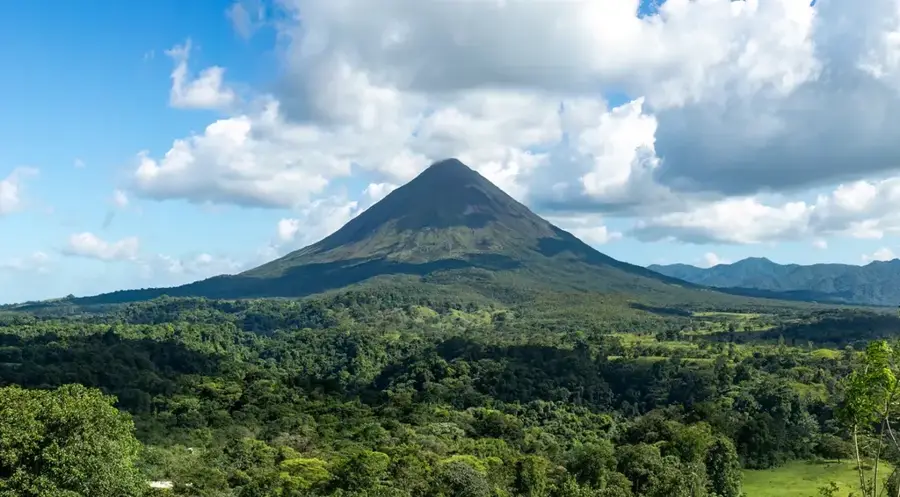
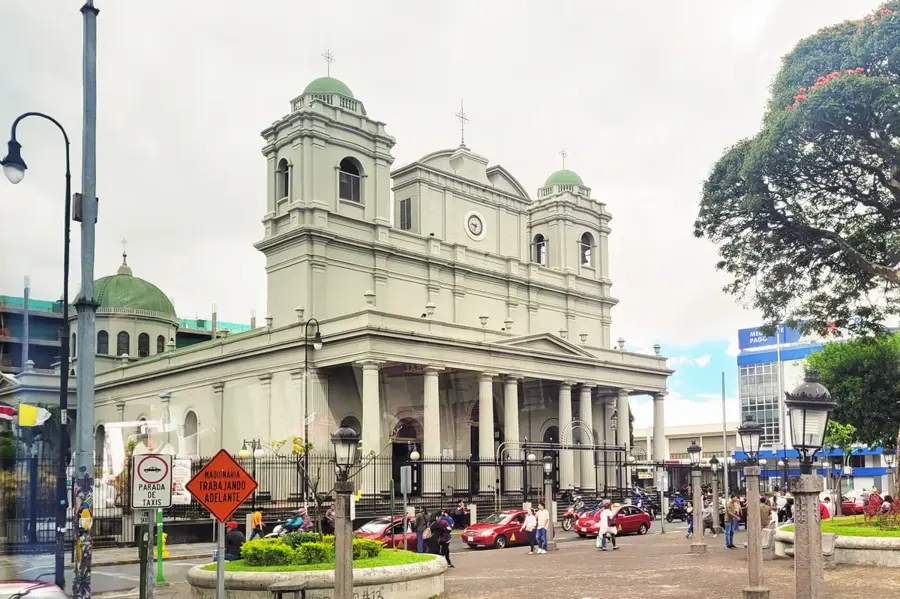
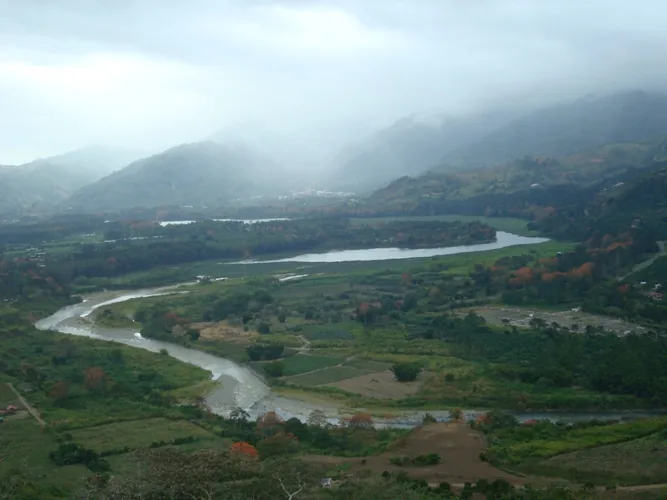
San José, the capital and largest city of Costa Rica, is situated in the heart of the Central Valley (Valle Central), surrounded by rolling green hills and impressive volcanic peaks. At an elevation of approximately 1,170 meters (3,840 feet) above sea level, the city enjoys a temperate 'eternal spring' climate that has historically supported its development as an agricultural and later a commercial powerhouse. Founded in 1738, it remained a secondary town until 1823, when it succeeded Cartago as the capital, following the country's independence from Spain. The city's growth was fueled by the 19th-century coffee boom, which provided the wealth needed to construct iconic landmarks such as the National Theatre of Costa Rica, an architectural masterpiece inspired by European opera houses. Today, San José is the political, financial, and cultural hub of the nation, hosting the seat of government, foreign embassies, and the headquarters of major international corporations. The city is a treasure trove for history buffs and art lovers, with world-class institutions like the Pre-Columbian Gold Museum and the Jade Museum, which house some of the most extensive collections of indigenous artifacts in the Americas. San José's urban landscape is a mix of historic neighborhoods like Barrio Amón, known for its colonial-style mansions, and modern commercial districts with high-rise offices and luxury hotels. The city is also a center for education and healthcare, home to the University of Costa Rica and world-renowned medical facilities. Public spaces such as La Sabana Metropolitan Park, once the site of the city's main airport, offer a vast green area for sports and recreation. San José's culinary scene has flourished in recent years, blending traditional Central American staples with contemporary global trends, centered around animated spots like the Central Market. As the primary transport node for the entire country, San José is the starting point for nearly all explorations of Costa Rica’s legendary biodiversity, yet it stands as a destination in its own right, reflecting the peaceful, democratic, and environmental values of the Costa Rican people.
Explore on the map
How well do you know Costa Rica?
Find cities, landscapes and regions in 10 varied challenges on the interactive map.
Your journey, your memory
A postcard from San José
Turn your own photo into a personal postcard with a local stamp. Free and no sign-up required.
Create a postcard- Location: Costa Rica
- Highlights: Directorate General of Civil Aviation (Costa Rica) · Greater Metropolitan Area (Costa Rica) · San José Central Market
- Nearby: San Vicente (4 km)
- Population: ~335.007 (2025)
Best time to visit & climate
The most pleasant time to visit is Feb–Apr.
| Jan | Feb | Mar | Apr | May | Jun | Jul | Aug | Sep | Oct | Nov | Dec | |
|---|---|---|---|---|---|---|---|---|---|---|---|---|
| Avg °C | 19 | 19 | 20 | 21 | 21 | 21 | 20 | 21 | 21 | 20 | 20 | 20 |
| Rain mm | 119 | 70 | 76 | 117 | 243 | 239 | 253 | 214 | 231 | 285 | 258 | 162 |
History & landmarks
1823
Geography
Facts
- San José was founded in 1738 and became the capital of Costa Rica in 1823.
- The city is located at an elevation of 1,170 meters (3,839 feet) in the Central Valley.
- The National Theatre (Teatro Nacional) was opened in 1897, funded by coffee taxes.
- The Jade Museum holds the world's largest collection of American jade artifacts.
- In 1884, San José became one of the first cities in the world to have electric street lighting.
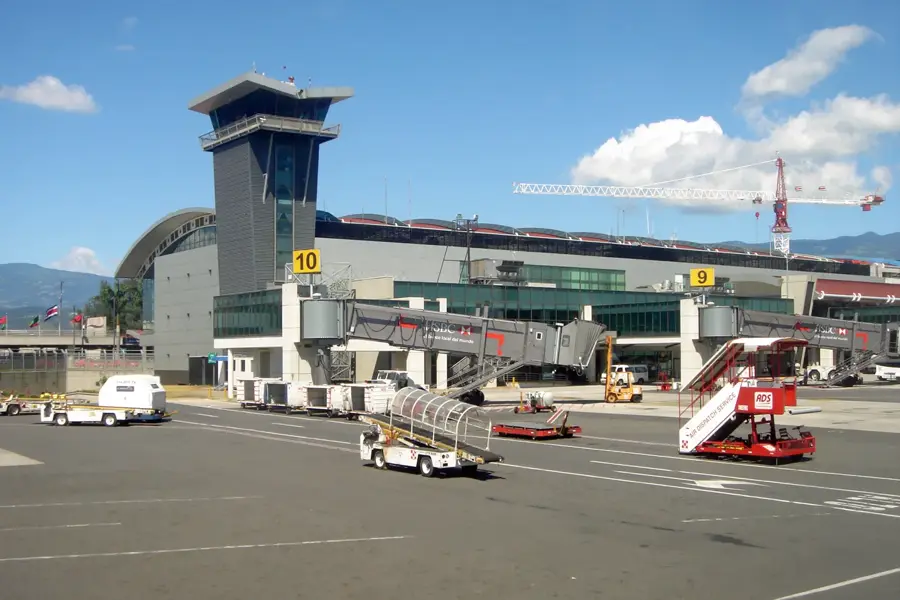
- La Sabana Metropolitan Park is the city's largest park and a former international airport site.
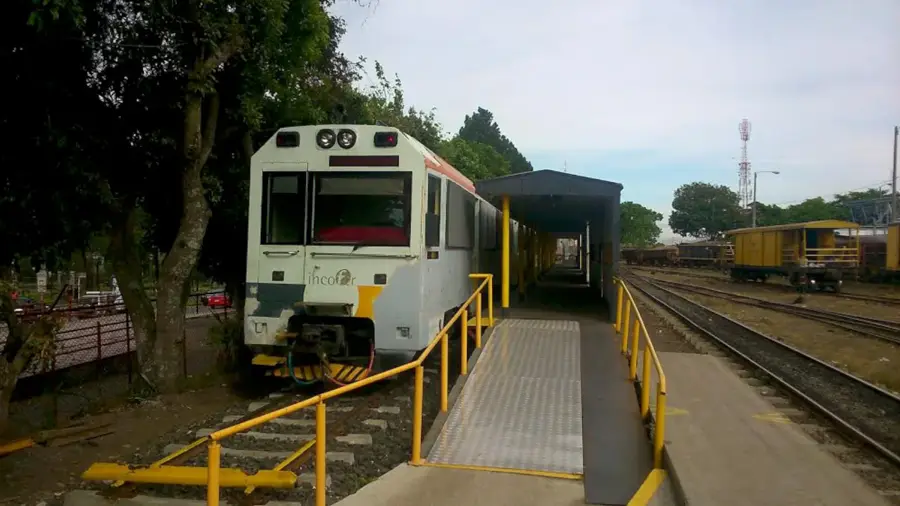
- The city serves as the primary hub for the country's bus and rail networks.
- San José's University of Costa Rica is consistently ranked as one of the best in Latin America.
Explore nearby
Notable places around

Route planner — Car & Motorhome
Where do you start? We build the route here, with stops and country notes along the way.
© OpenStreetMap contributors · OpenRouteService
Sights in the town San José (3)
Frequently asked questions
Is San José safe for tourists?
Which museums are the best?
What is the weather like in the capital?
Where is a good place to eat?
How do you get to the city from the airport?
San José: where is it located?
San José: what is there to see?
San José: when is the best time to visit?
San José: why is it worth visiting?

Nearby cities
History & landmarks
Nature
More places