Plizio Visual Lab
Corcovado National Park
Weather…
Water temperature…
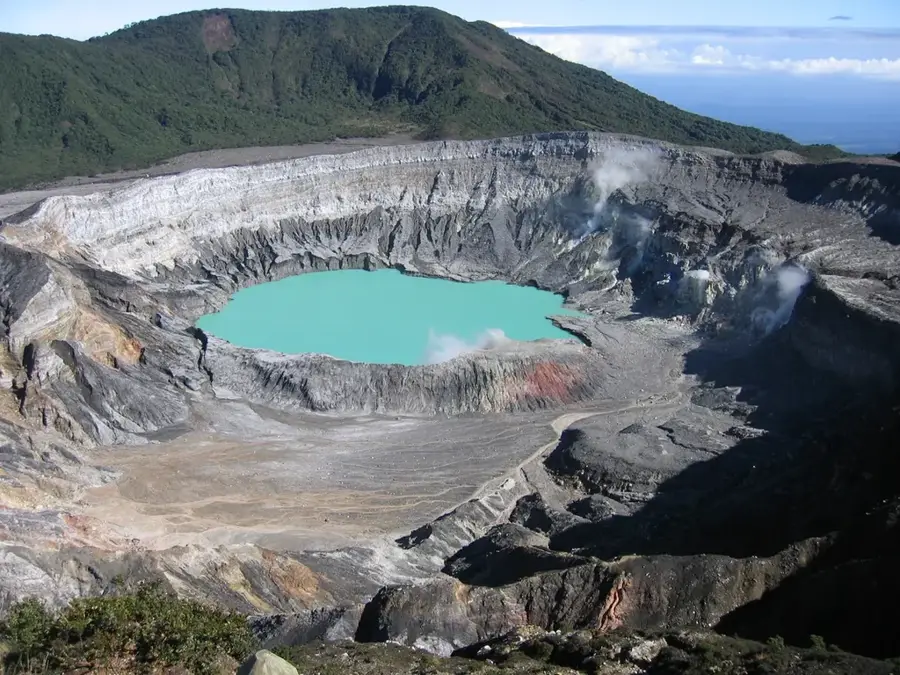
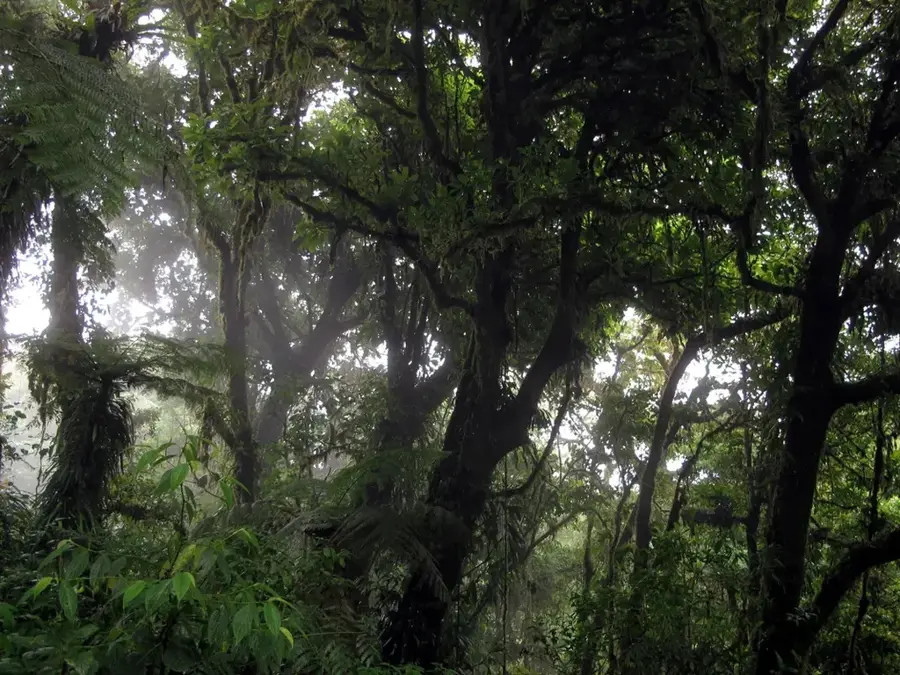
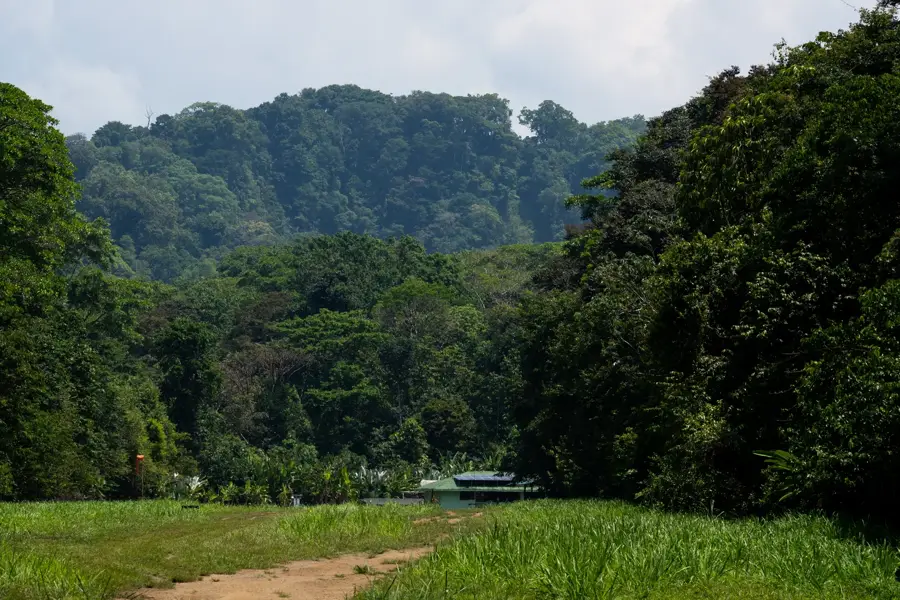
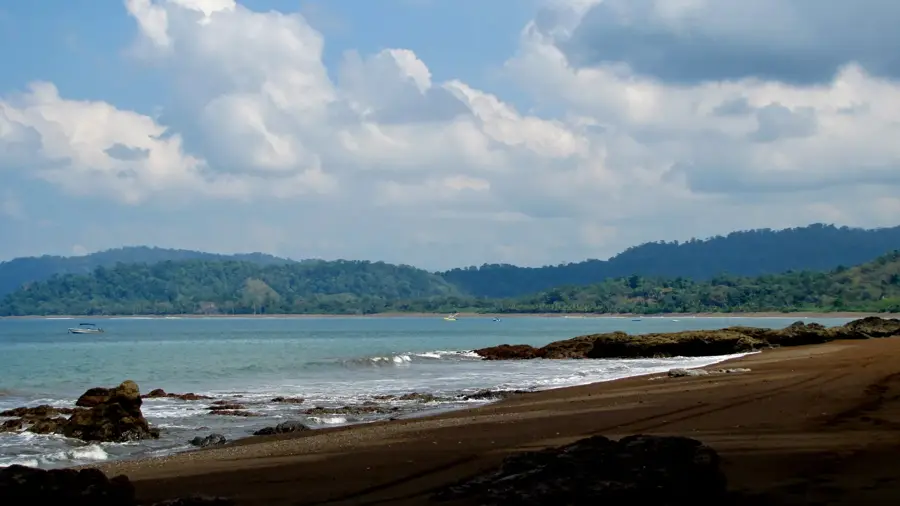
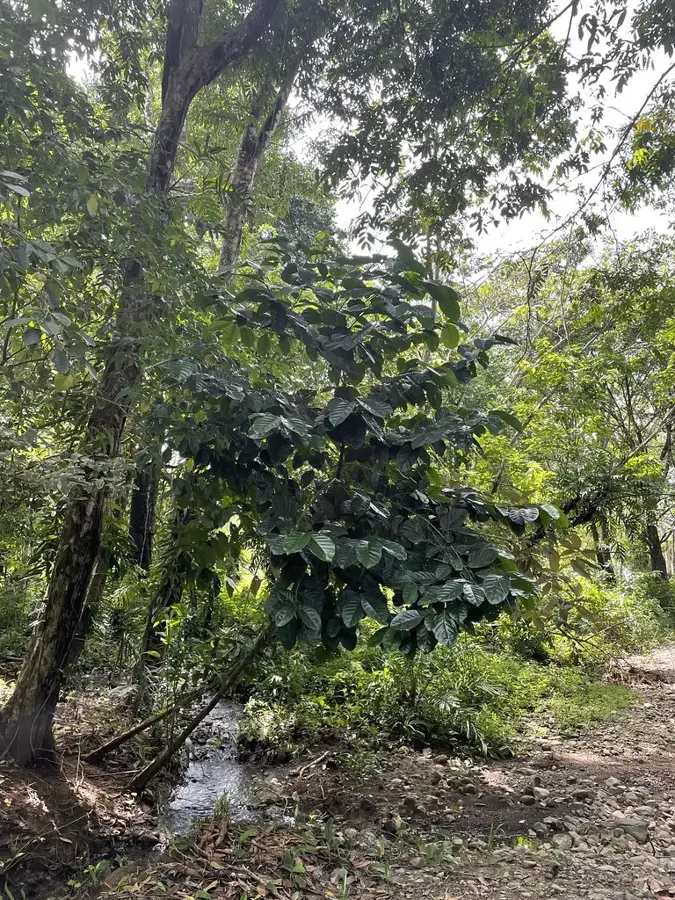
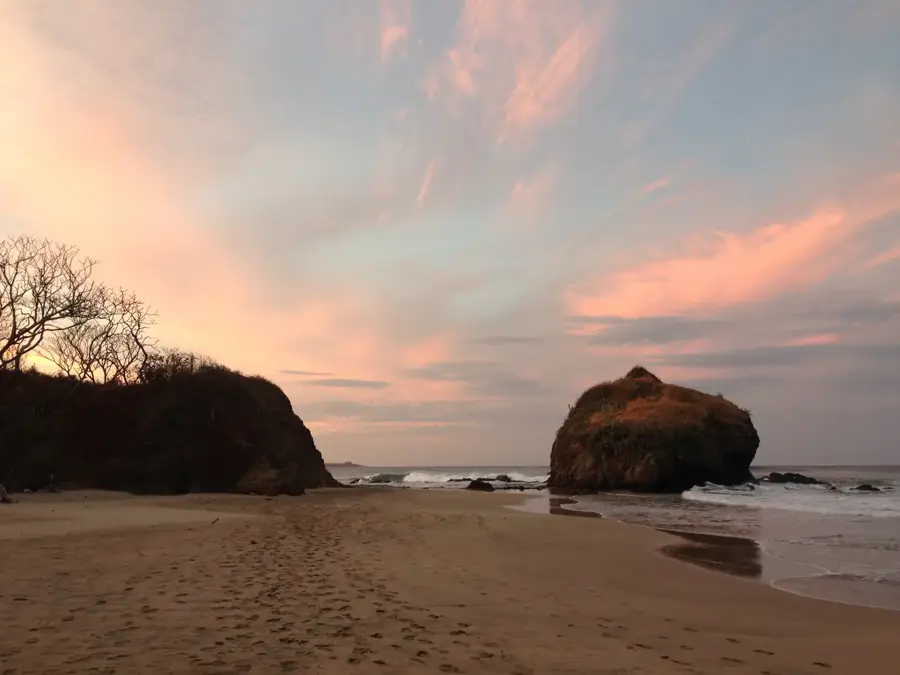
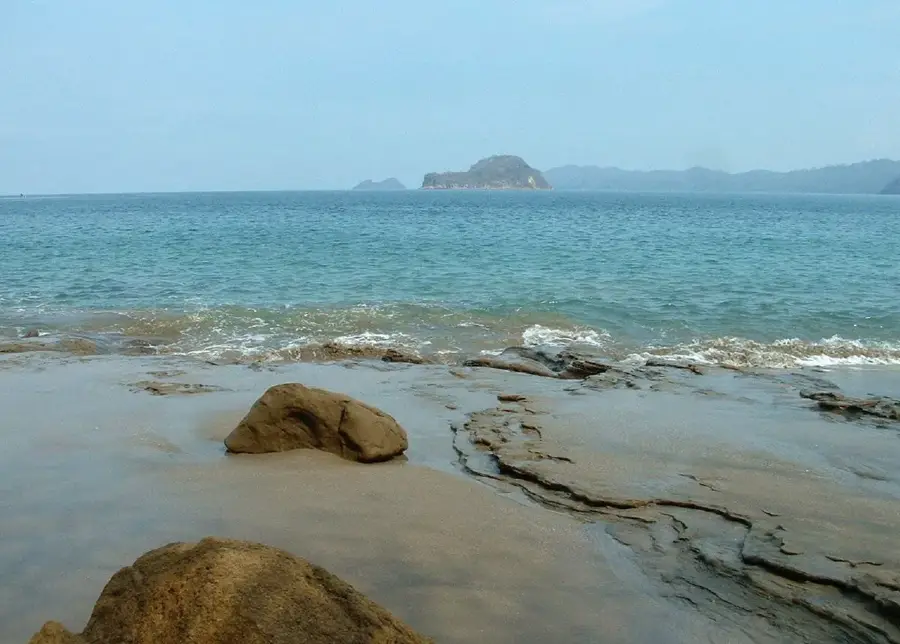
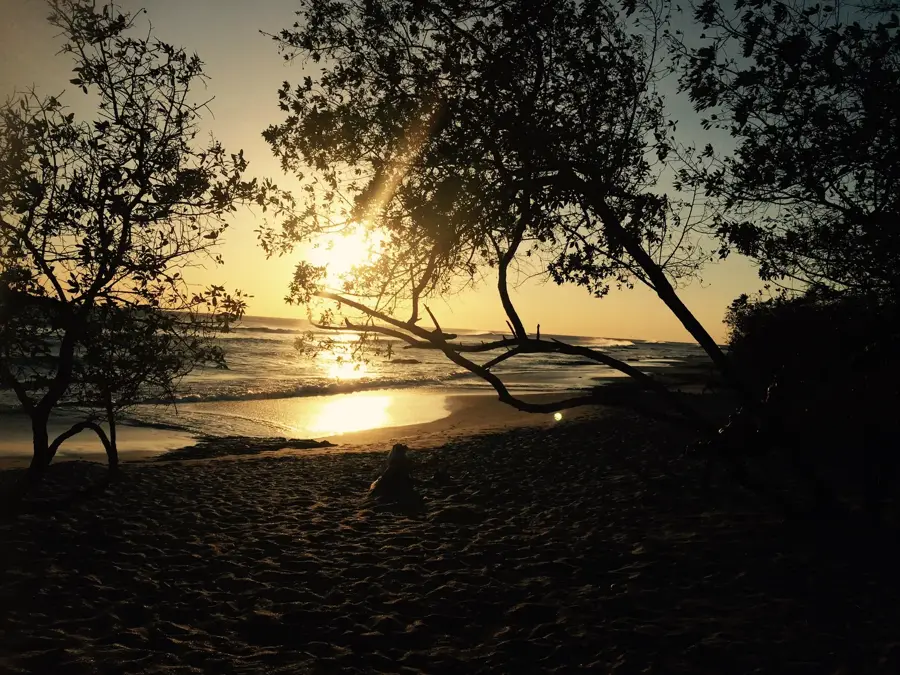
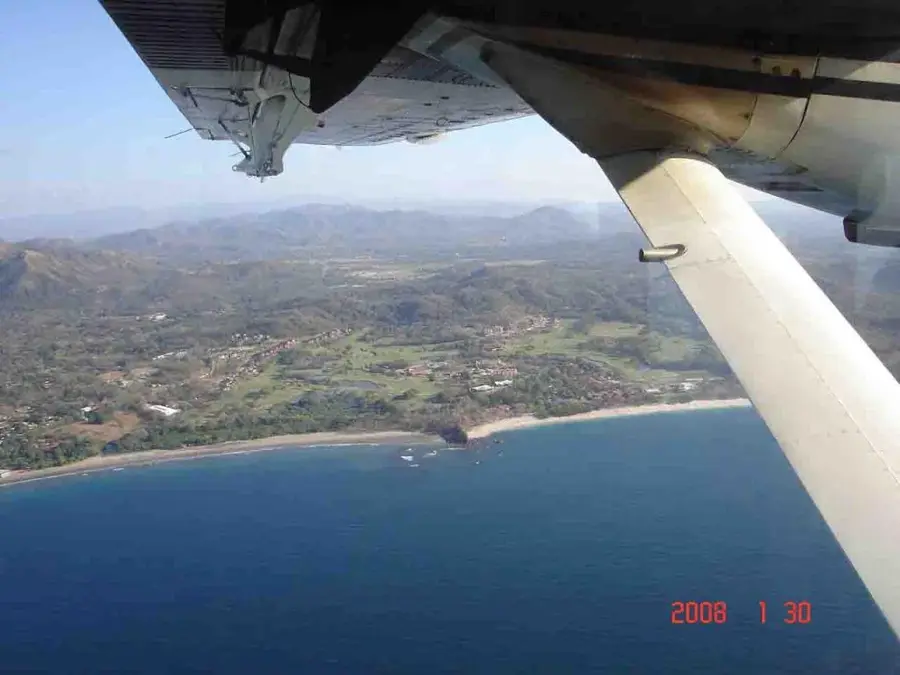
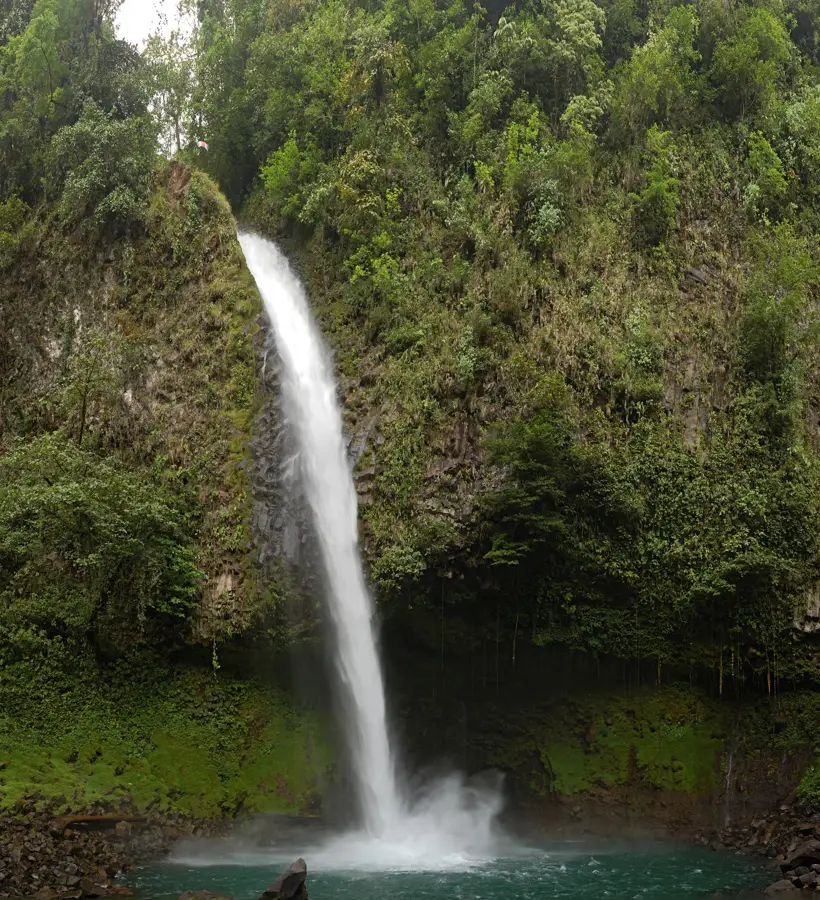
Corcovado National Park, located on the Osa Peninsula in southwestern Costa Rica, is described by National Geographic as 'the most biologically intense place on Earth.' Established in 1975, the park covers 42,400 hectares and protects the largest primary forest on the American Pacific coastline. It is a critical habitat for a vast array of wildlife, including all four monkey species native to Costa Rica, jaguars, pumas, and the country's largest population of Scarlet Macaws. Geographically, the park features a diverse range of ecosystems such as lowland rain forests, highland cloud forests, mangrove swamps, and pristine beaches. Its remote location has preserved its ecological integrity, making it a premier site for biological research and high-end ecotourism. Due to the complexity of the terrain and the presence of dangerous wildlife, visitors are required to be accompanied by licensed guides at all times, ensuring both safety and environmental protection.
Explore on the map
How well do you know Costa Rica?
Find cities, landscapes and regions in 10 varied challenges on the interactive map.
Your journey, your memory
A postcard from Corcovado National Park
Turn your own photo into a personal postcard with a local stamp. Free and no sign-up required.
Create a postcard- Location: Costa Rica
- Nearby: Drake Bay (24 km)
Best time to visit & climate
The most pleasant time to visit is Jan–Mar.
| Jan | Feb | Mar | Apr | May | Jun | Jul | Aug | Sep | Oct | Nov | Dec | |
|---|---|---|---|---|---|---|---|---|---|---|---|---|
| Avg °C | 28 | 28 | 29 | 28 | 28 | 27 | 27 | 27 | 27 | 27 | 27 | 27 |
| Rain mm | 76 | 44 | 62 | 147 | 331 | 283 | 362 | 317 | 285 | 334 | 332 | 154 |
📋 Practical info
Geography
Facts
- The park was established in 1975 to safeguard the Osa Peninsula.
- Corcovado encompasses a land area of approximately 42,400 hectares.
- It contains an estimated 2.5% of the entire world's biodiversity.
- The park is home to all four monkey species found in Costa Rica.
- It protects the largest primary rainforest on the American Pacific coast.
- Visitor access is strictly controlled and requires a professional guide.
Explore nearby
Notable places around
Route planner — Car & Motorhome
Where do you start? We build the route here, with stops and country notes along the way.
© OpenStreetMap contributors · OpenRouteService
Sights nearby
Frequently asked questions
Why is Corcovado famous?
Is a guide mandatory in the park?
Which ranger station is the best?
How do you get to Corcovado?
Are there jaguars there?
Corcovado National Park: where is it located?
Corcovado National Park: when is the best time to visit?
Corcovado National Park: why is it worth visiting?
Nearby cities
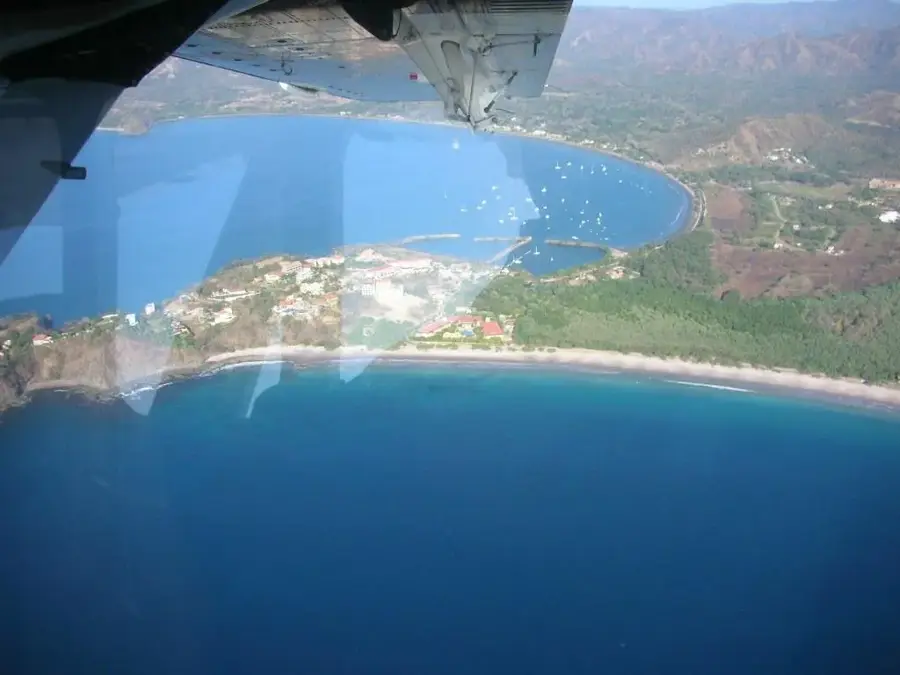
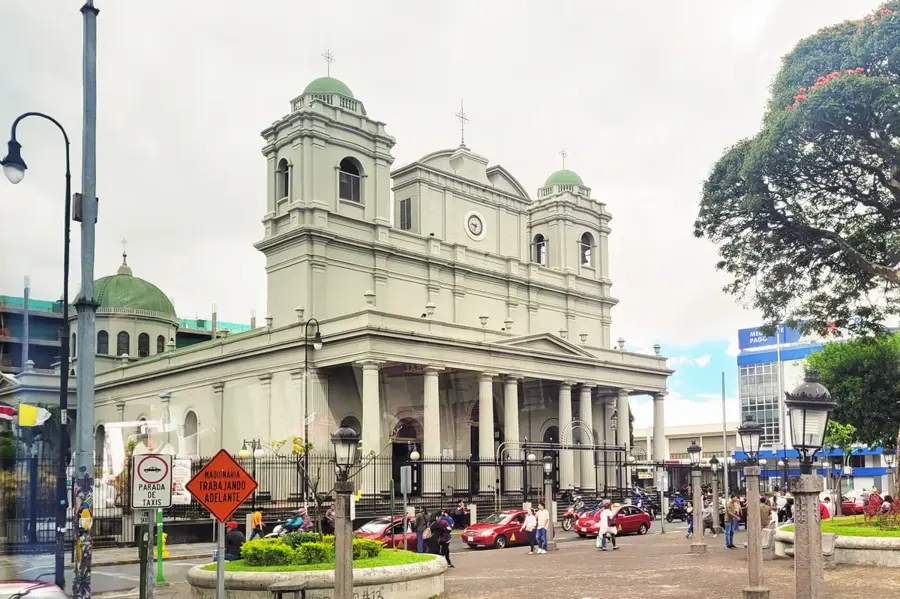
History & landmarks
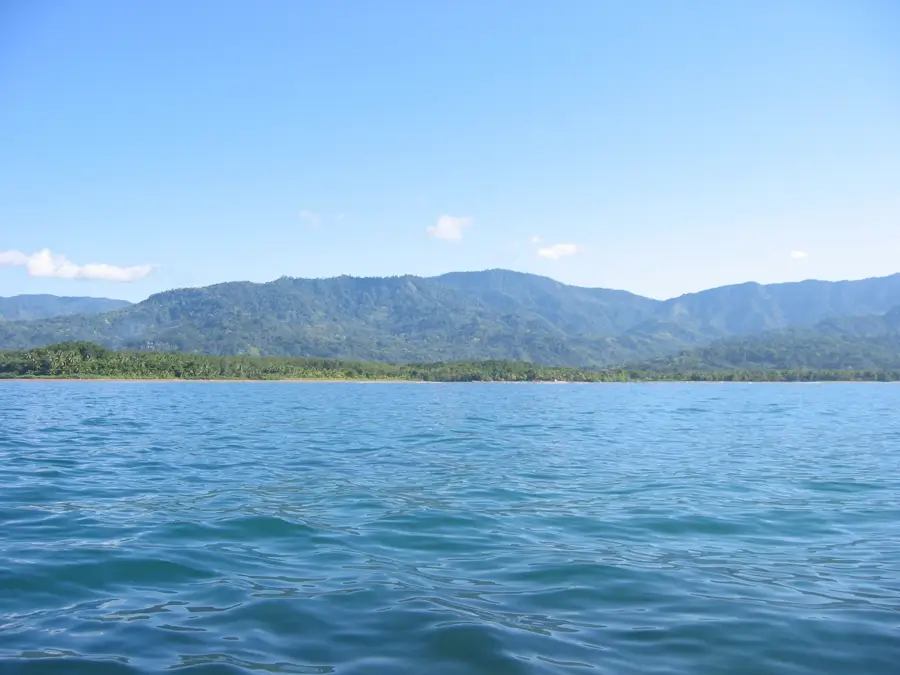
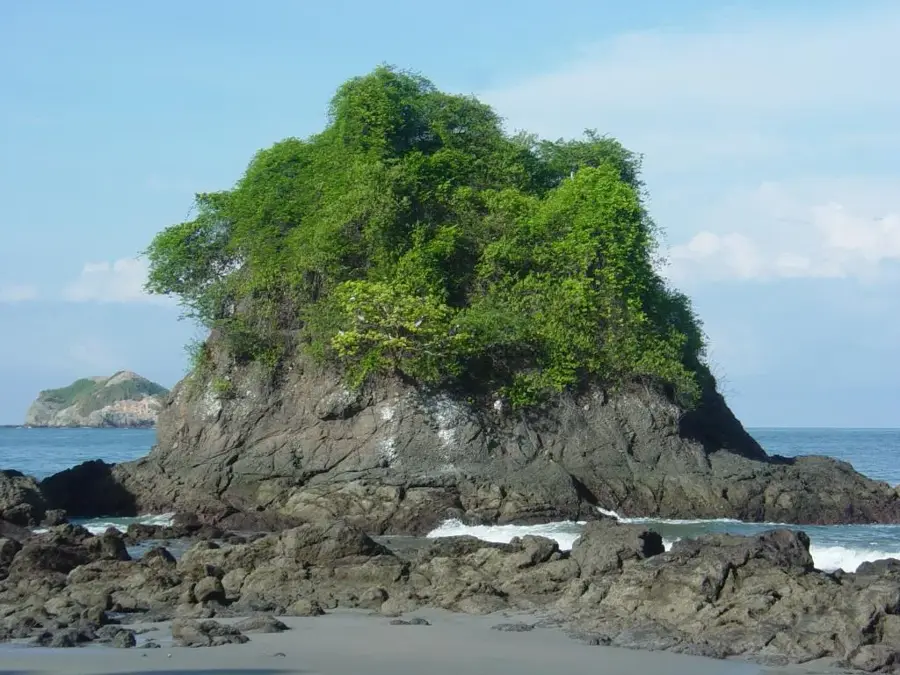
Nature
More places