Plizio Visual Lab
Poás Volcano
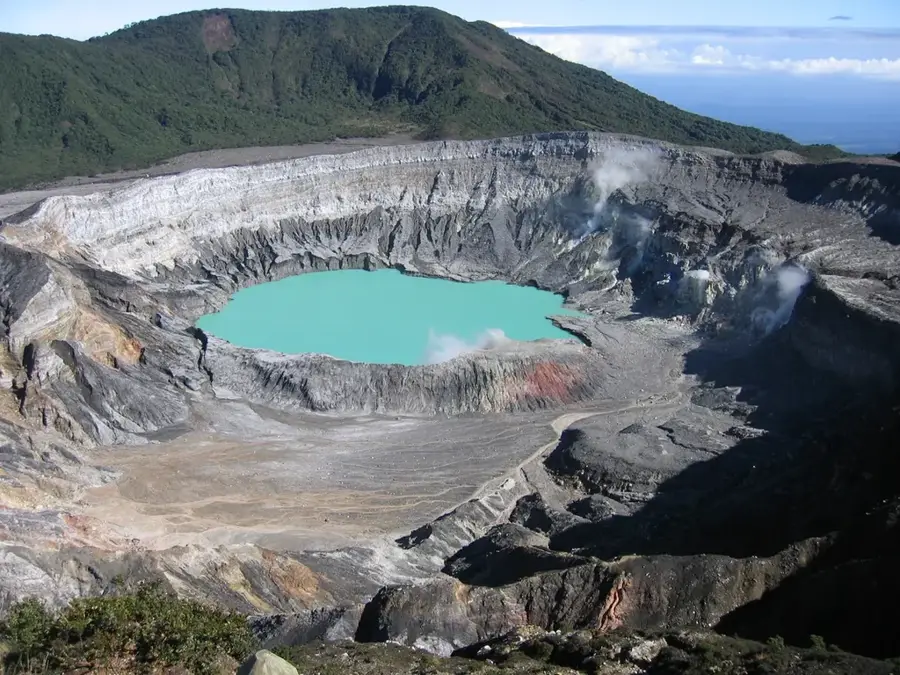
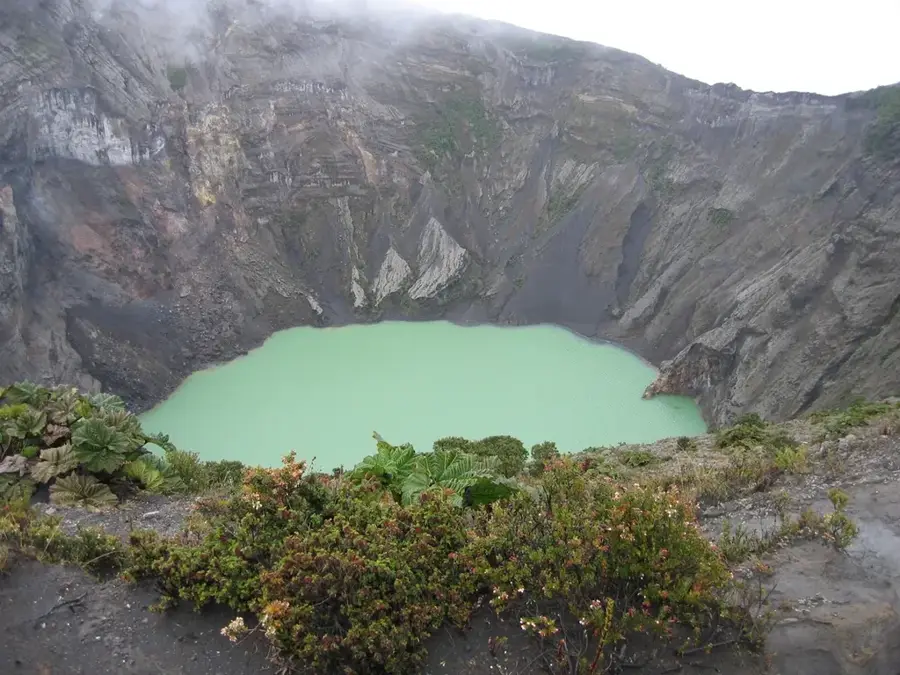
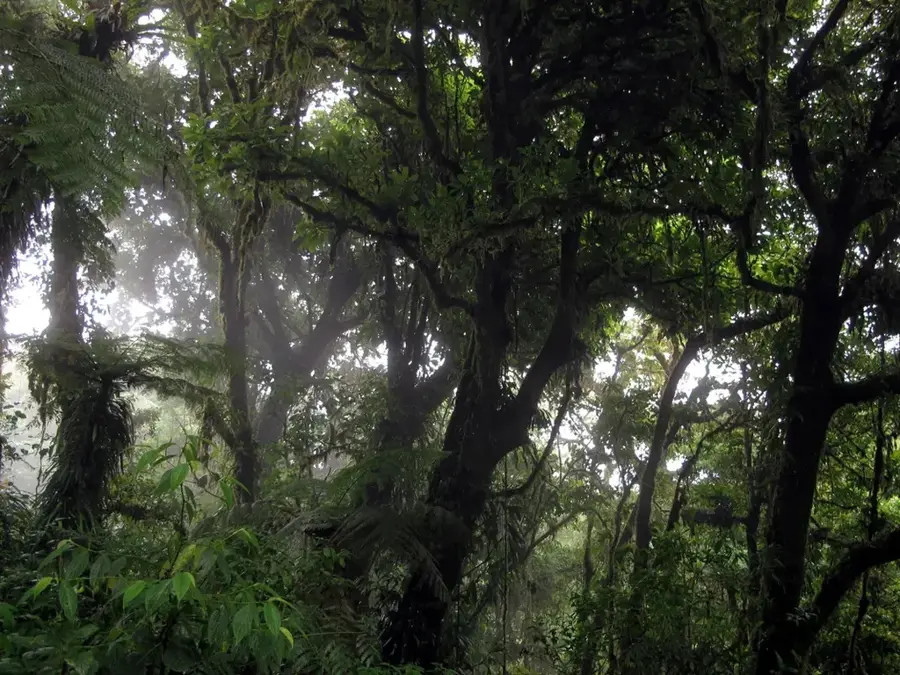
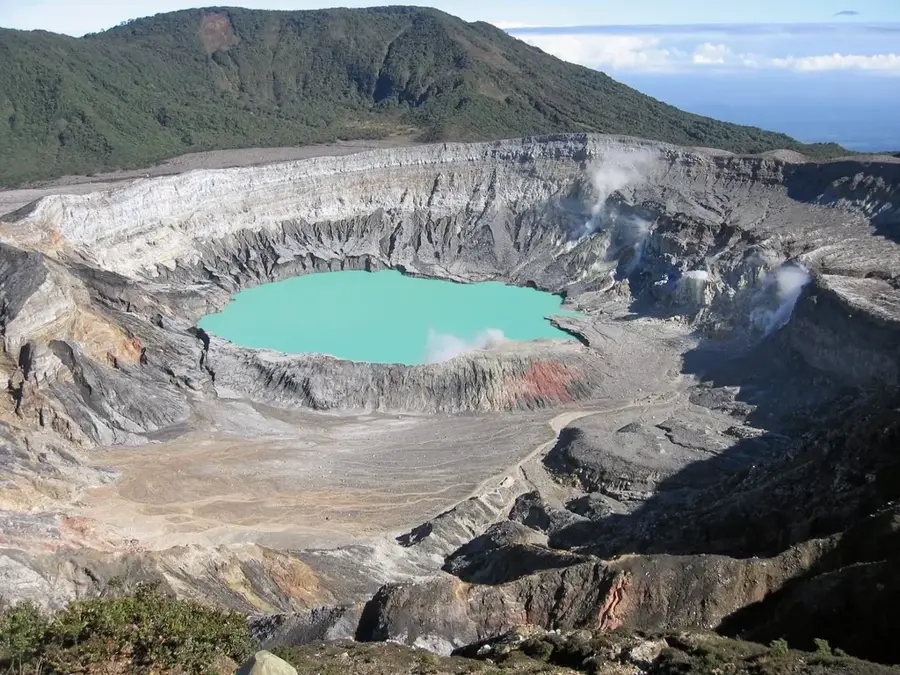
Poás Volcano is an active stratovolcano located in the Central Volcanic Range of Costa Rica and is one of the most accessible active volcanoes in the world. Standing at 2,708 meters, it features one of the largest active craters on Earth, measuring 1.3 kilometers in diameter and 300 meters deep. At the bottom of this crater lies Laguna Caliente, one of the world's most acidic lakes, known for its changing colors ranging from turquoise to sulfurous gray. The park also contains the Botos Lagoon, a dormant, cold-water crater lake surrounded by a dense cloud forest that contrasts sharply with the barren, volcanic landscape of the active summit. Geologically, Poás is characterized by frequent phreatic eruptions, which involve the explosive release of steam and ash. The surrounding national park safeguards critical watersheds and unique flora adapted to the acidic environment. Its proximity to San José makes it a key site for geological monitoring and environmental education.
Explore on the map
How well do you know Costa Rica?
Find cities, landscapes and regions in 10 varied challenges on the interactive map.
Your journey, your memory
A postcard from Poás Volcano
Turn your own photo into a personal postcard with a local stamp. Free and no sign-up required.
Create a postcard- Location: Costa Rica
- Highlights: Poás Volcano National Park · Lake Botos
- Nearby: Grecia (16 km)
Best time to visit & climate
The most pleasant time to visit is Feb–Apr.
| Jan | Feb | Mar | Apr | May | Jun | Jul | Aug | Sep | Oct | Nov | Dec | |
|---|---|---|---|---|---|---|---|---|---|---|---|---|
| Avg °C | 19 | 19 | 20 | 21 | 21 | 21 | 20 | 21 | 21 | 20 | 20 | 20 |
| Rain mm | 119 | 70 | 76 | 117 | 243 | 239 | 253 | 214 | 231 | 285 | 258 | 162 |
📋 Practical info
Geography
Facts
- The Poás Volcano reaches an elevation of 2,708 meters above sea level.
- Its main crater is 1.3 kilometers wide, among the largest in the world.
- Laguna Caliente is famous for being one of the most acidic lakes on Earth.
- Botos Lagoon is a dormant crater lake located at an altitude of 2,600m.
- The national park is situated roughly 47 kilometers from San José.
- The volcano is known for geyser-like phreatic eruptions of steam and ash.
Explore nearby
Notable places around
Route planner — Car & Motorhome
Where do you start? We build the route here, with stops and country notes along the way.
© OpenStreetMap contributors · OpenRouteService
Sights in the town Poás Volcano (2)
Sights nearby
Frequently asked questions
Do I need a reservation to visit Poás Volcano?
What happens during high volcanic activity?
How is the weather at the crater?
How long can you stay at the viewpoint?
Is the park wheelchair accessible?
Poás Volcano: where is it located?
Poás Volcano: what is there to see?
Poás Volcano: when is the best time to visit?
Poás Volcano: why is it worth visiting?

Nearby cities
History & landmarks

Nature

More places