Plizio Visual Lab
Arenal Volcano
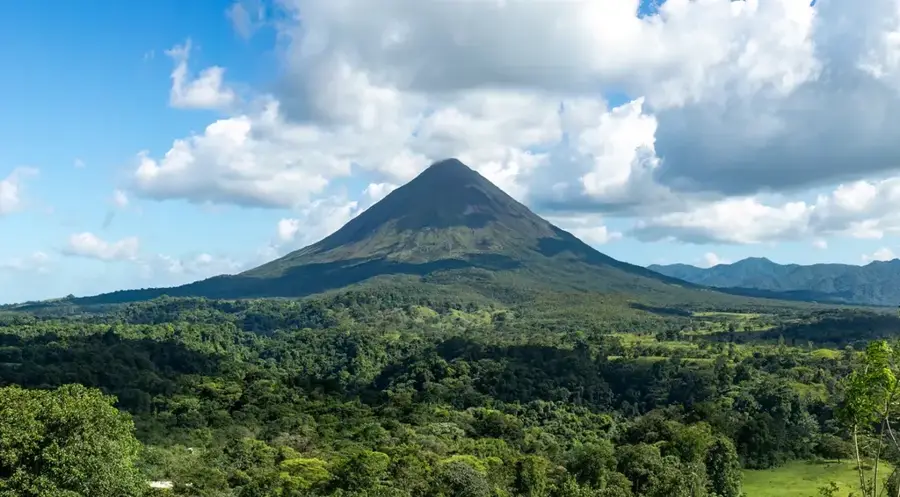
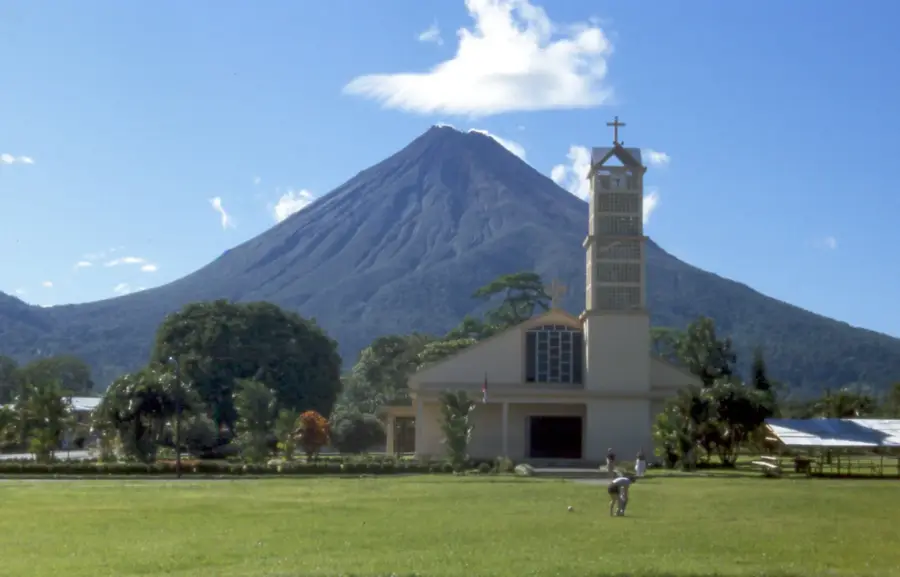
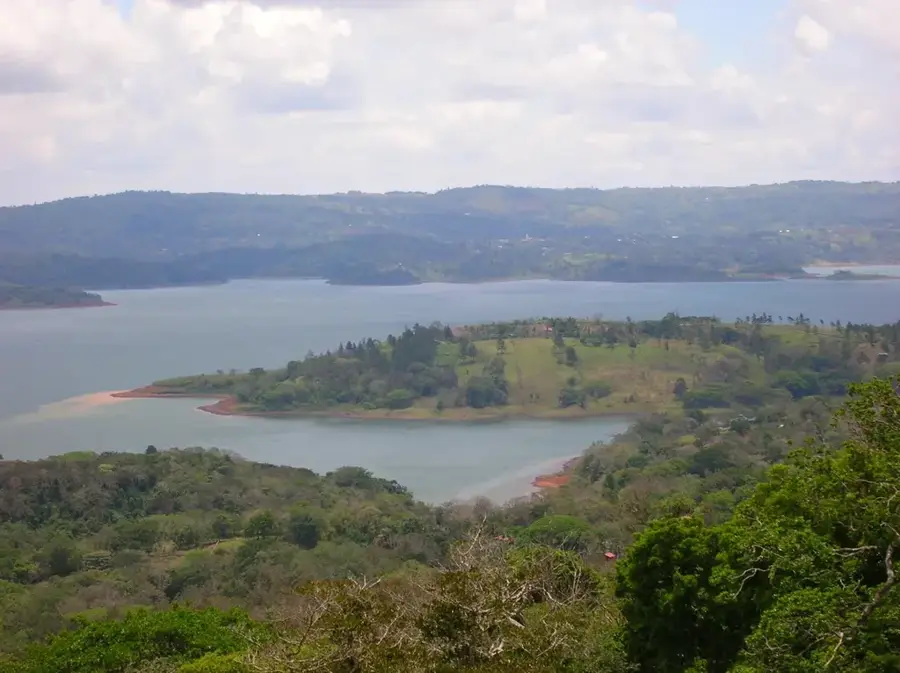
Arenal Volcano is an active stratovolcano located in north-western Costa Rica, rising to an elevation of 1,670 meters above sea level. It was considered dormant for centuries until a catastrophic eruption on July 29, 1968, which destroyed the towns of Tabacón and Pueblo Nuevo, resulting in 87 fatalities. Following this event, the volcano entered a period of continuous activity that lasted until 2010, marked by frequent lava flows and pyroclastic explosions. Geologically, Arenal is a young volcano, estimated to be less than 7,500 years old, and is part of the Arenal Tilarán Conservation Area. Today, while in a resting phase, it remains a focal point for scientific study and a major geographic landmark within its namesake national park. The surrounding region is also significant for geothermal energy production and the vast Lake Arenal, which provides a large portion of the country's hydroelectric power.
Explore on the map
How well do you know Costa Rica?
Find cities, landscapes and regions in 10 varied challenges on the interactive map.
Your journey, your memory
A postcard from Arenal Volcano
Turn your own photo into a personal postcard with a local stamp. Free and no sign-up required.
Create a postcard- Location: Costa Rica
- Highlights: Central America Volcanic Arc · Chato Volcano
- Nearby: La Fortuna (6 km)
Best time to visit & climate
The most pleasant time to visit is Jan–Mar.
| Jan | Feb | Mar | Apr | May | Jun | Jul | Aug | Sep | Oct | Nov | Dec | |
|---|---|---|---|---|---|---|---|---|---|---|---|---|
| Avg °C | 22 | 23 | 24 | 25 | 25 | 24 | 24 | 24 | 24 | 23 | 23 | 23 |
| Rain mm | 34 | 22 | 26 | 60 | 195 | 183 | 153 | 177 | 233 | 283 | 179 | 60 |
📋 Practical info
Geography
Facts
- The volcano stands at an approximate elevation of 1,670 meters.
- A major eruption in 1968 destroyed the villages of Tabacón and Pueblo Nuevo.
- It was one of the most active volcanoes in the world from 1968 to 2010.
- Arenal is geologically young, with an estimated age of under 7,500 years.
- The site is located 120 kilometers northwest of the capital, San José.
- The Arenal Volcano National Park covers an area of 12,016 hectares.
Explore nearby
Notable places around

Route planner — Car & Motorhome
Where do you start? We build the route here, with stops and country notes along the way.
© OpenStreetMap contributors · OpenRouteService
Sights in the town Arenal Volcano (2)
Sights nearby
Frequently asked questions
Is the Arenal Volcano still active?
Are you allowed to climb to the summit?
Where is the best place to see the volcano?
Are there hot springs nearby?
How long should you stay in the region?
Arenal Volcano: where is it located?
Arenal Volcano: what is there to see?
Arenal Volcano: when is the best time to visit?
Arenal Volcano: why is it worth visiting?

Nearby cities
History & landmarks
Nature

More places