Plizio Visual Lab
Marmot
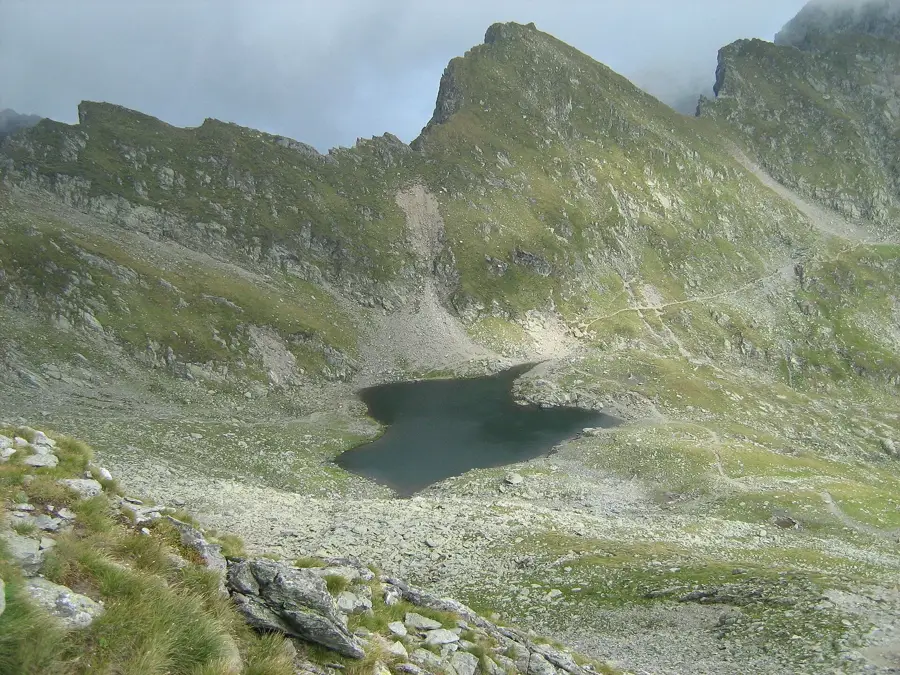
Weather…
Water temperature…
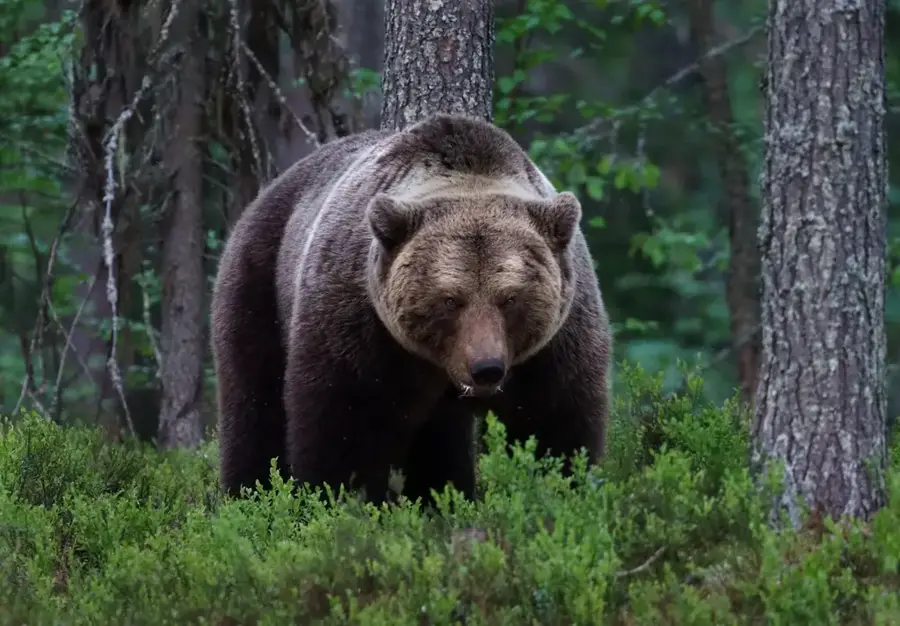
The alpine marmot (Marmota marmota) is a distinctive inhabitant of high-altitude grasslands and rocky slopes above the tree line. Although native to the Romanian Carpathians, the species became extinct there in the 19th century but was successfully reintroduced in the 1970s. Today, stable populations thrive in the Retezat, Rodna, and Făgăraș mountain ranges, typically at elevations between 1,800 and 3,000 meters. These social rodents live in family groups and construct extensive burrow systems that offer protection from predators and extreme alpine weather. A key behavioral trait is their high-pitched alarm whistle, used to alert the colony to threats like golden eagles or foxes. Marmots spend six to seven months in deep hibernation, relying on thick fat reserves accumulated during the summer. Their presence is a hallmark of a healthy alpine ecosystem and a favorite sight for mountain hikers across the Romanian peaks.
Explore on the map
How well do you know Romania?
Find cities, landscapes and regions in 10 varied challenges on the interactive map.
Your journey, your memory
A postcard from Marmot
Turn your own photo into a personal postcard with a local stamp. Free and no sign-up required.
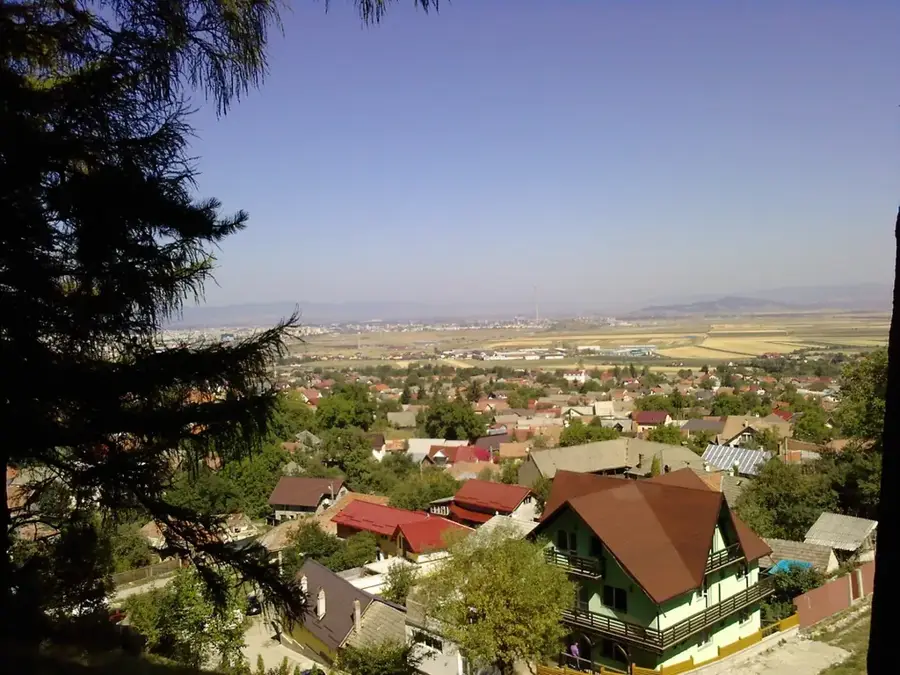
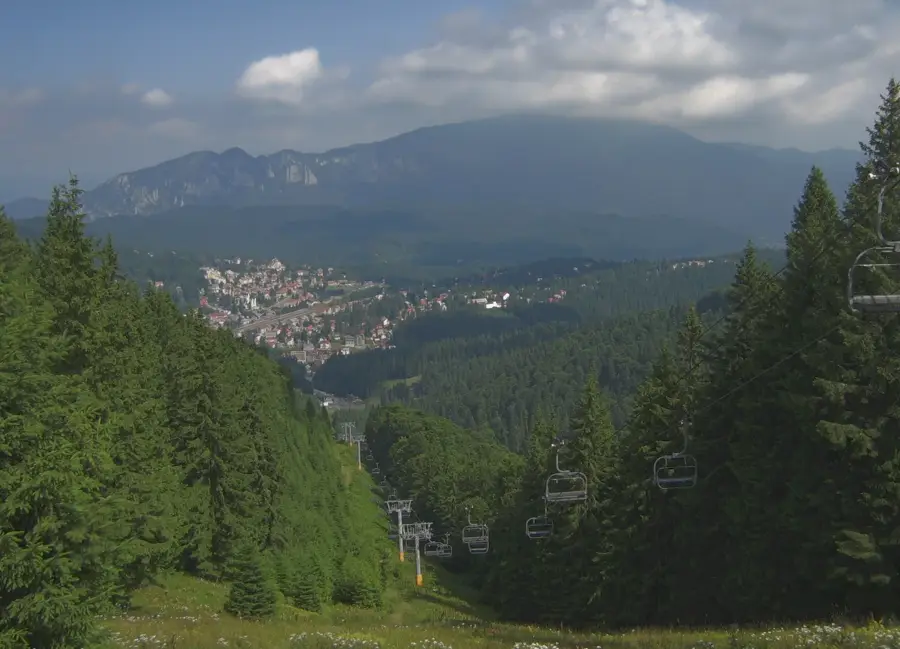
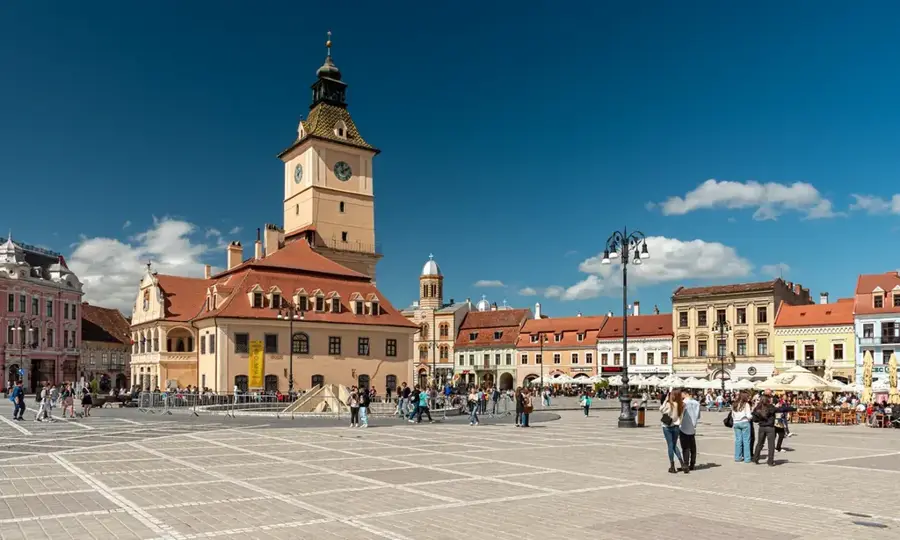
Create a postcard- Location: Brașov, Romania
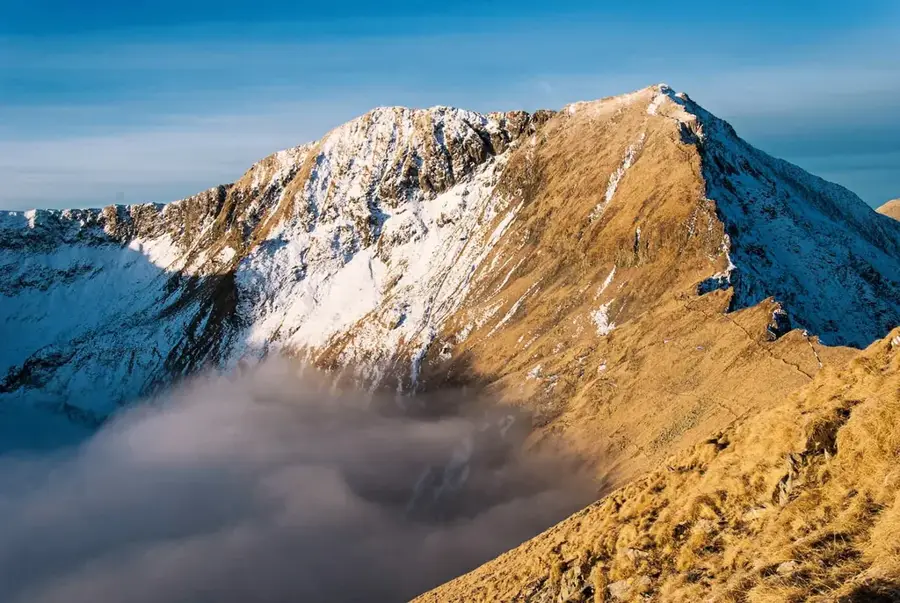
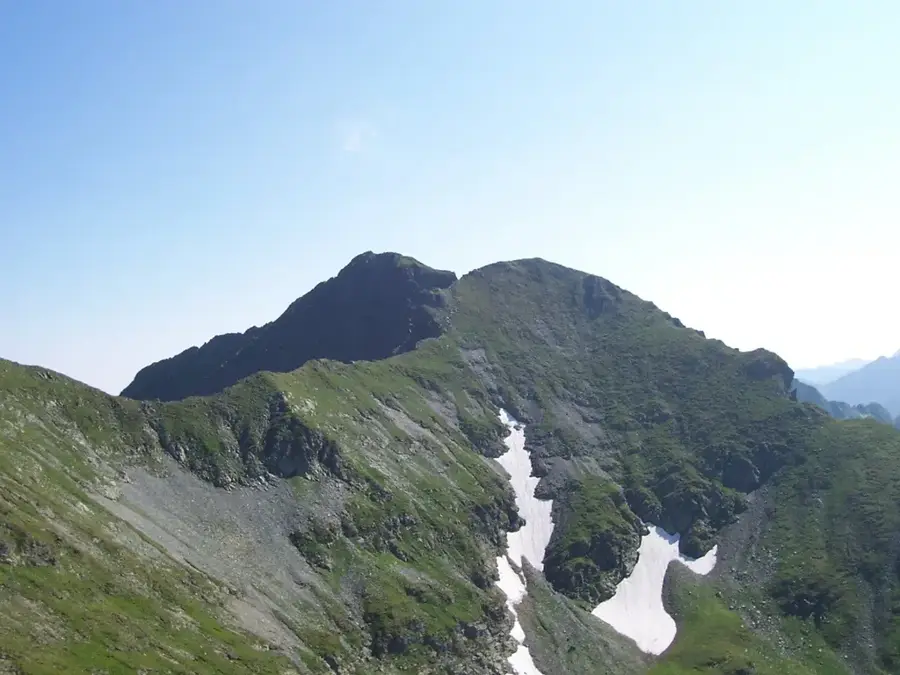
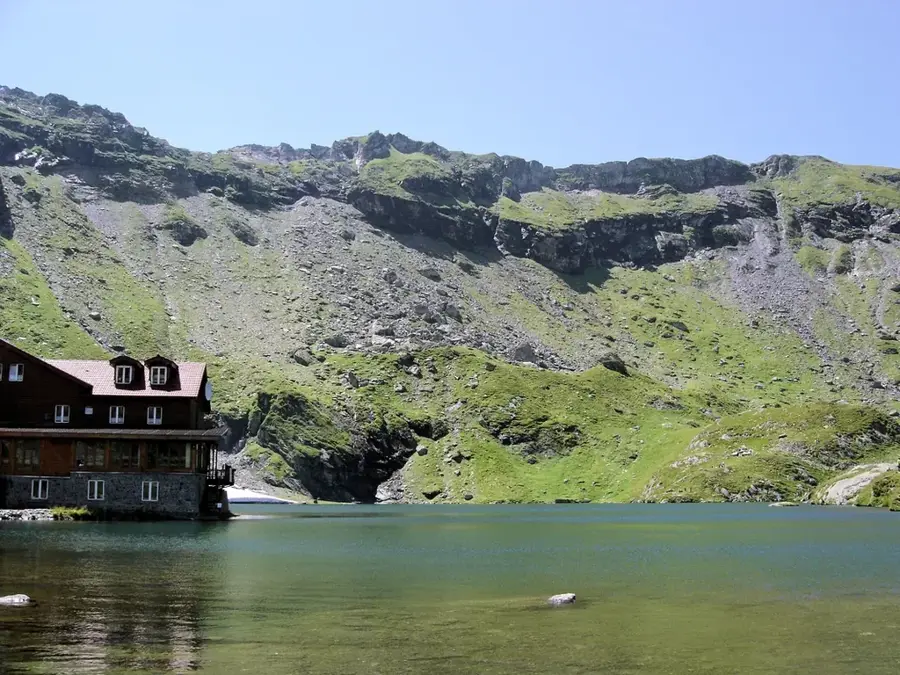
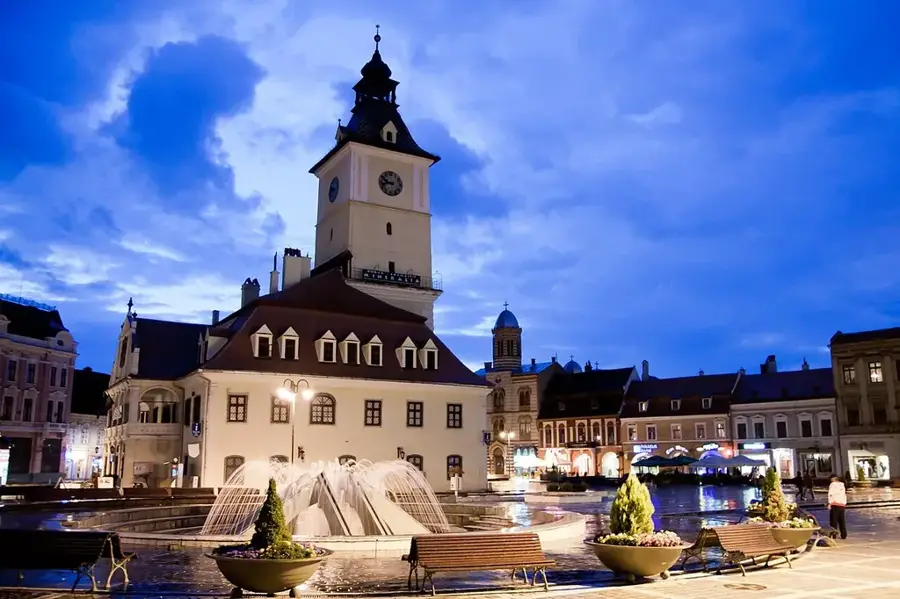
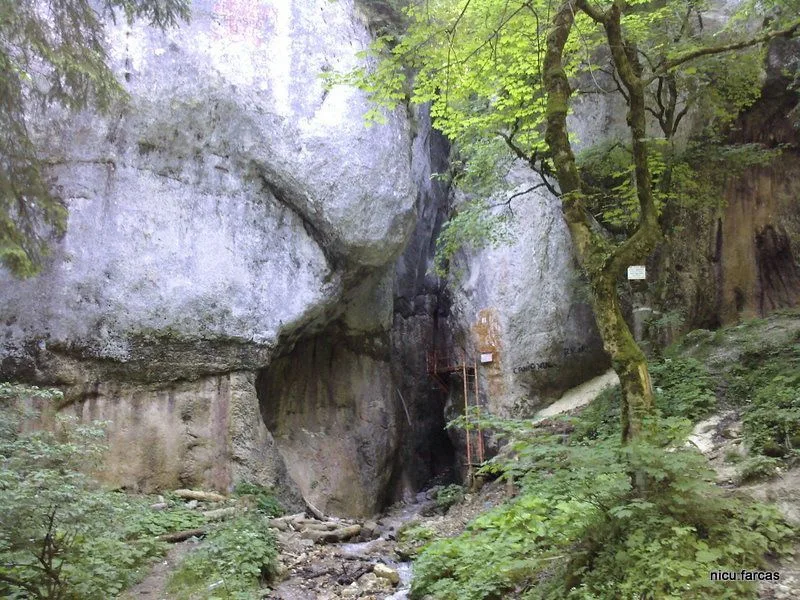
- Highlights: Tărâța · Corabia · Podragu
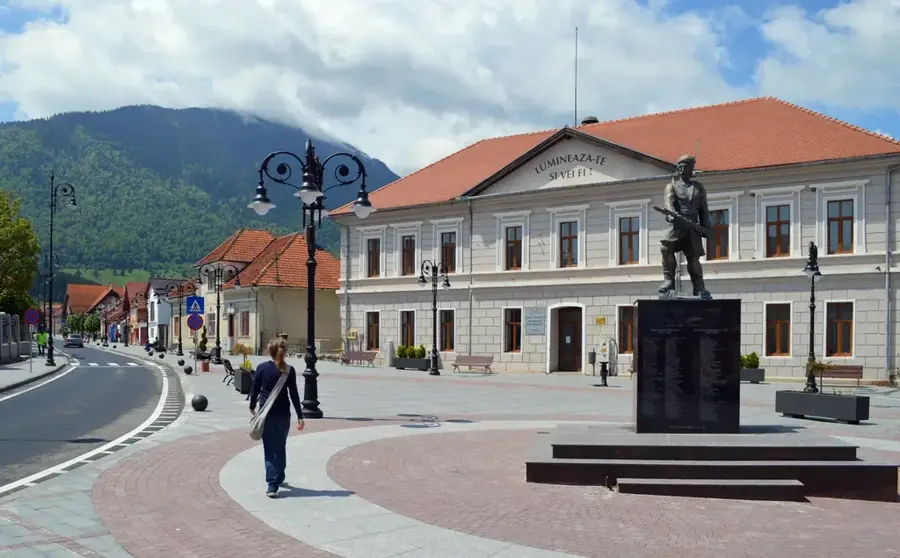
- Nearby: Victoria (5 km)
Best time to visit & climate
The most pleasant time to visit is Jul–Sep.
| Jan | Feb | Mar | Apr | May | Jun | Jul | Aug | Sep | Oct | Nov | Dec | |
|---|---|---|---|---|---|---|---|---|---|---|---|---|
| Avg °C | -5 | -3 | 1 | 7 | 12 | 16 | 18 | 18 | 13 | 8 | 2 | -3 |
| Rain mm | 41 | 37 | 48 | 62 | 96 | 117 | 105 | 76 | 62 | 62 | 48 | 46 |
📋 Practical info
Geography
Facts
- Marmots hibernate for up to 7 months, from October to April.
- They were reintroduced to the Retezat Mountains in 1973.
- A single whistle warns of aerial predators, while multiple whistles signal ground threats.
- During hibernation, their heart rate drops from 100 to about 5 beats per minute.
- An adult marmot can double its body weight in preparation for winter.
- Their burrow systems can be over 10 meters long and 3 meters deep.
Explore nearby
Notable places around
Route planner — Car & Motorhome
Where do you start? We build the route here, with stops and country notes along the way.
© OpenStreetMap contributors · OpenRouteService
Sights in the town Marmot (5)
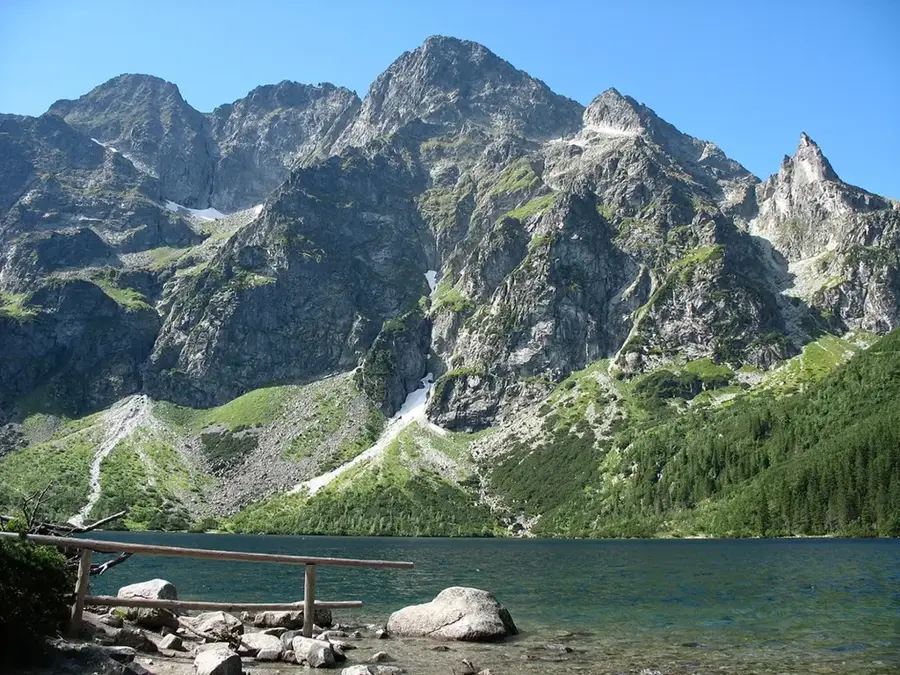
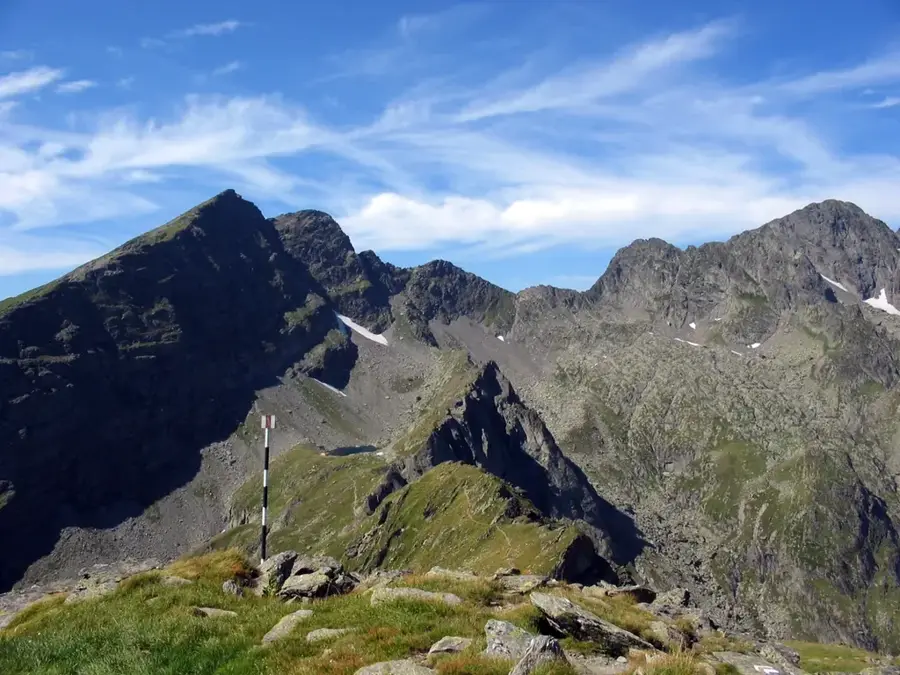
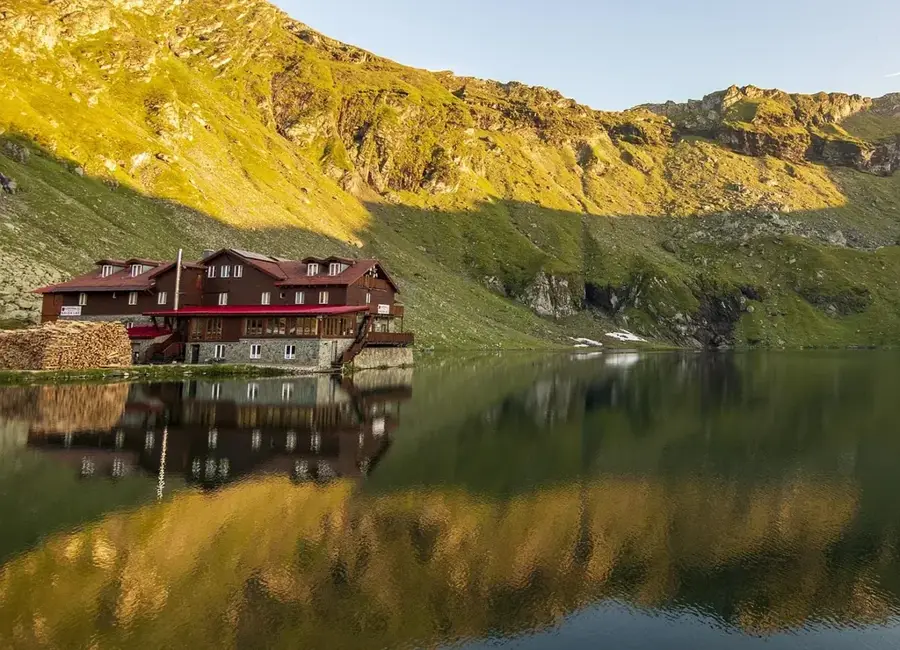
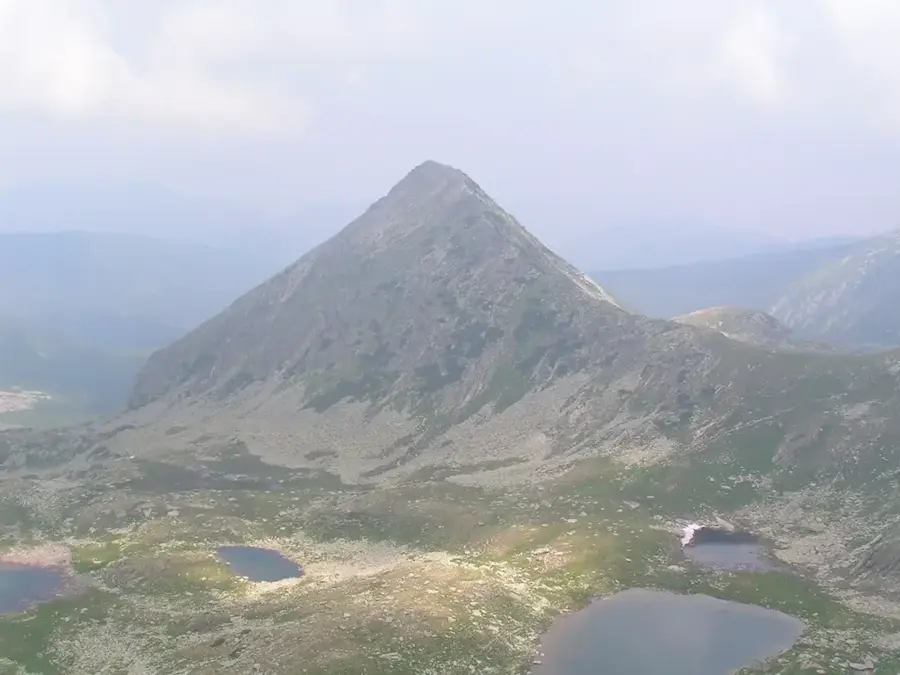
Podragu
Mountain peak in Romania, near Podragu Lake.
Sights nearby
Frequently asked questions
Where can marmots be found in Romania?
When do marmots hibernate?
How do marmots signal danger?
What do marmots eat?
Are marmots native to Romania?
Marmot: where is it located?
Marmot: what is there to see?
Marmot: when is the best time to visit?
Marmot: why is it worth visiting?

Nearby cities

History & landmarks
Nature
More places