Plizio Visual Lab
Saut d'Eau Island

Weather…
Water temperature…
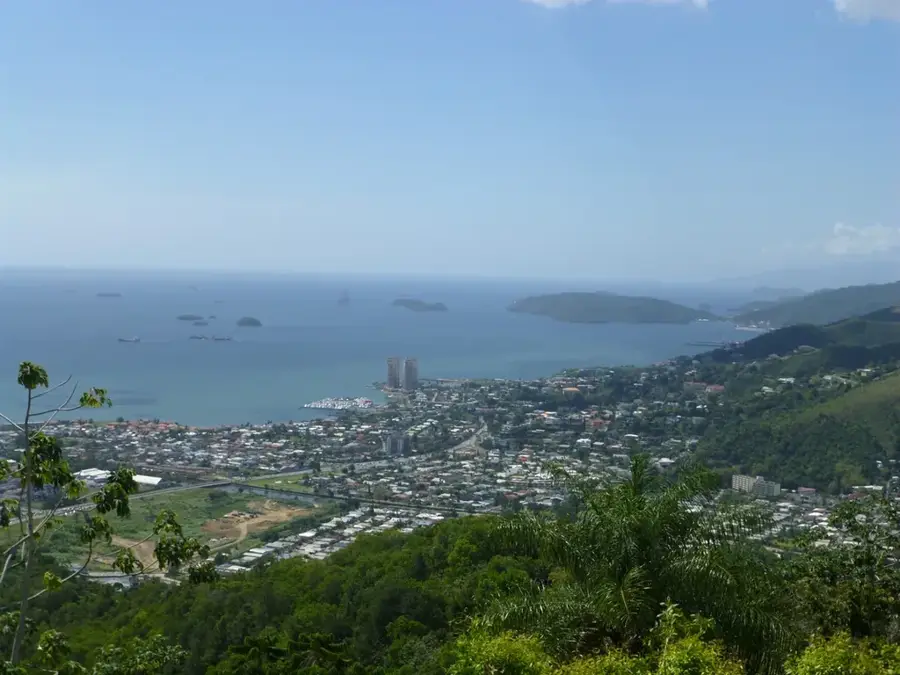
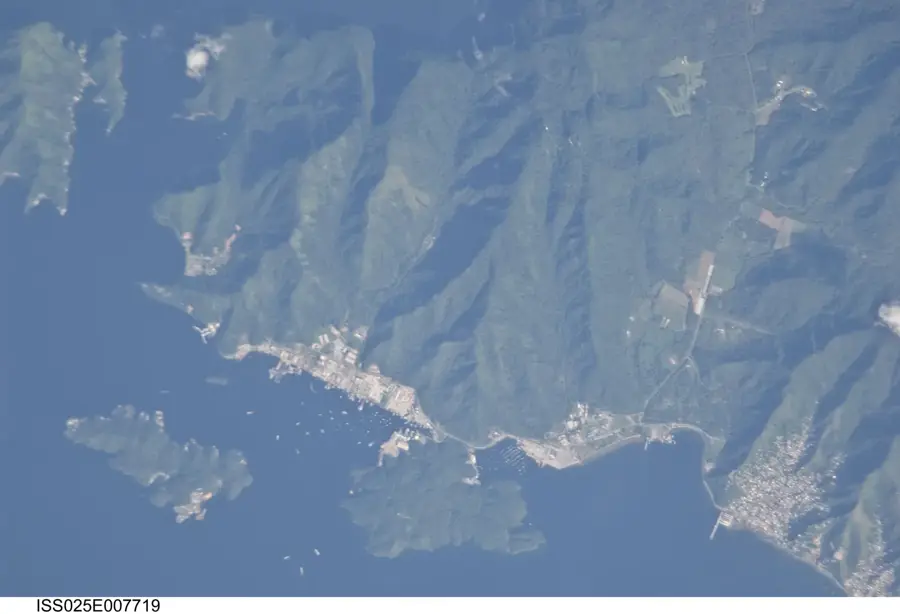
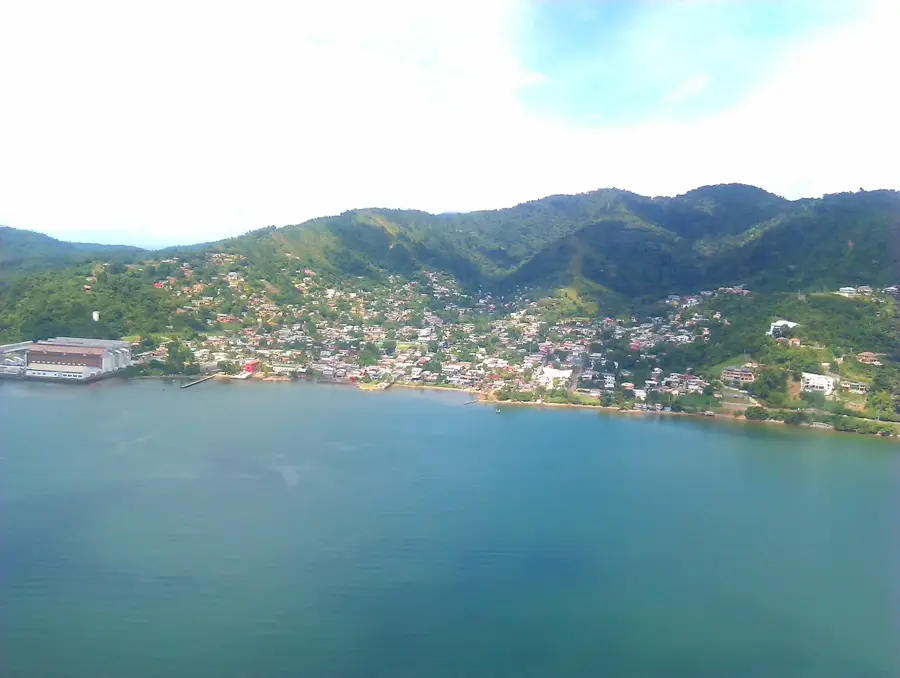
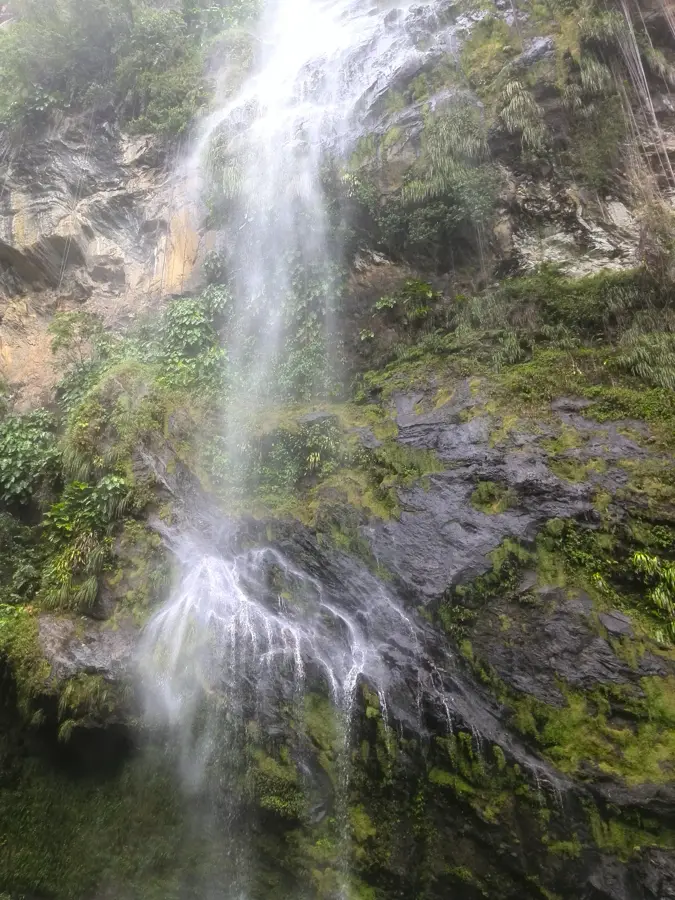
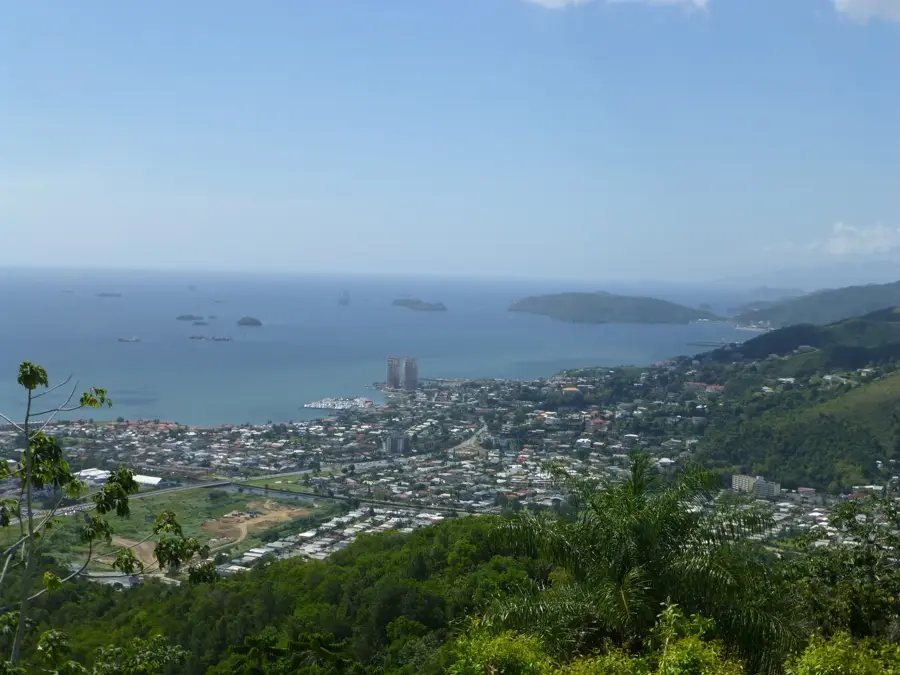
Saut d'Eau Island is a small, uninhabited limestone islet located off the north coast of Trinidad, near Maracas Bay. Covering an area of roughly 12 hectares, the island is characterized by its sheer cliffs that rise abruptly from the Caribbean Sea to heights of 100 meters. The name is derived from the French word for 'Waterfall', a tribute to the seasonal cascades that tumble down its rocky faces during heavy tropical rains. Officially designated as a Wildlife Sanctuary in 1935, it serves as a critical nesting site for the Brown Pelican, one of the few such colonies in the country. The island's isolation and difficult terrain have preserved its natural state, keeping it free from permanent human settlement or agricultural use. The vegetation is sparse, consisting mainly of cacti and salt-tolerant scrubland. Access to Saut d'Eau is strictly controlled by the Forestry Division to prevent the disturbance of the sensitive avian breeding populations.
Explore on the map
How well do you know Trinidad and Tobago?
Find cities, landscapes and regions in 10 varied challenges on the interactive map.
Your journey, your memory
A postcard from Saut d'Eau Island
Turn your own photo into a personal postcard with a local stamp. Free and no sign-up required.
Create a postcard- Location: Trinidad and Tobago
- Nearby: Maraval (7 km)
Best time to visit & climate
The most pleasant time to visit is Feb–Apr.
| Jan | Feb | Mar | Apr | May | Jun | Jul | Aug | Sep | Oct | Nov | Dec | |
|---|---|---|---|---|---|---|---|---|---|---|---|---|
| Avg °C | 27 | 26 | 27 | 27 | 28 | 28 | 28 | 28 | 28 | 28 | 28 | 27 |
| Rain mm | 83 | 49 | 39 | 44 | 86 | 157 | 166 | 168 | 132 | 169 | 193 | 145 |
📋 Practical info
Geography
Facts
- The island was designated a Wildlife Sanctuary on July 1st, 1935.
- It encompasses a total land area of approximately 12 hectares.
- The cliffs reach a maximum elevation of about 100 meters.
- It is the only major breeding site for Brown Pelicans in Trinidad.
- Seasonal waterfalls appear on the cliffs during the rainy season.
- The surrounding waters are deep and known for their strong currents.
Explore nearby
Notable places around
Route planner — Car & Motorhome
Where do you start? We build the route here, with stops and country notes along the way.
© OpenStreetMap contributors · OpenRouteService
Sights nearby
Frequently asked questions
When is the best time to visit Saut d'Eau Insel?
How do I get to the island?
Is the island family-friendly?
Are there sanitary facilities on Saut d'Eau Insel?
Is camping allowed there?
Saut d'Eau Island: where is it located?
Saut d'Eau Island: when is the best time to visit?
Saut d'Eau Island: why is it worth visiting?
Nearby cities


History & landmarks
Nature
More places