Plizio Visual Lab
Port of Spain Citadel
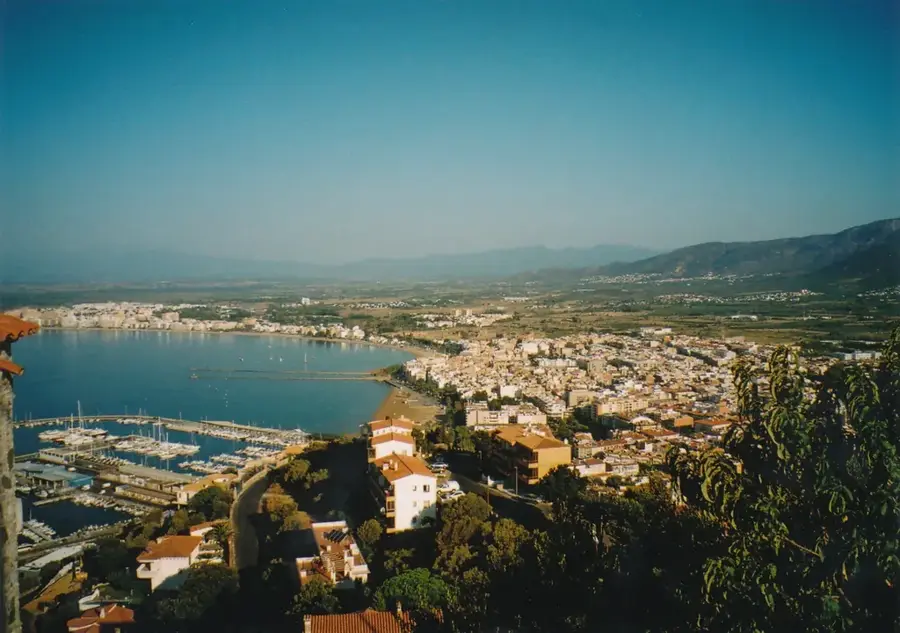
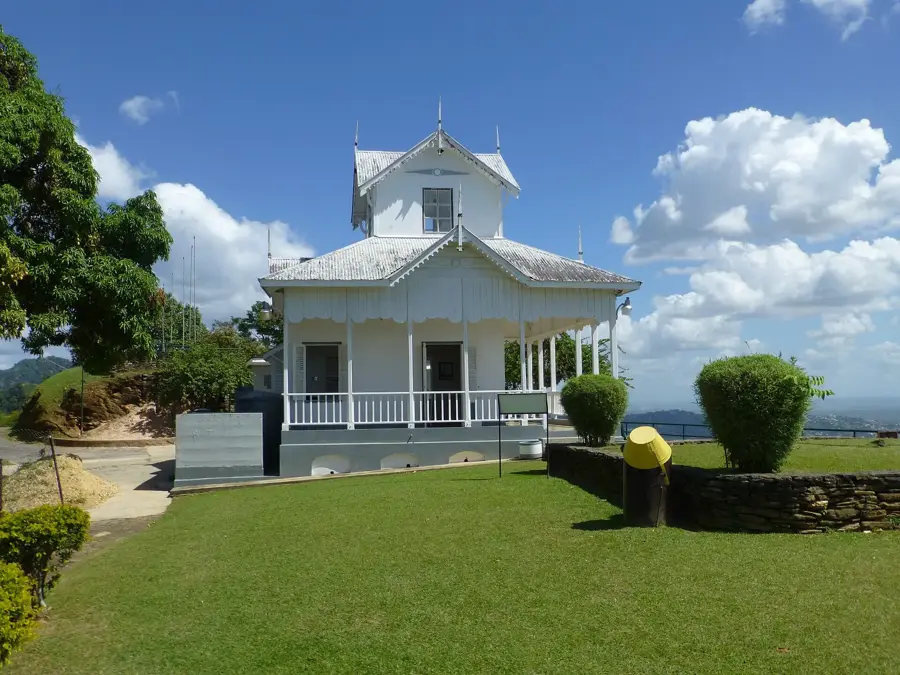
Fort San Andres, often referred to as the Citadel of Port of Spain, is one of the last remaining Spanish fortifications in the capital of Trinidad. It was built in 1785 to protect the city from naval attacks and to control the vital harbor. Originally, the fort was located directly on the waterline before land reclamation projects shifted the coastline outward. The strategic importance of the citadel lay in its ability to target enemy vessels with cannon fire before they could reach the inner harbor. Following the British conquest in 1797, the facility continued to be used and modernized but eventually lost its military relevance. Today, the historic building serves as a museum and the headquarters of the transport division, with its architecture largely preserved in its original state. It is a significant testament to Spanish military engineering and an integral part of the urban heritage of Port of Spain.
Explore on the map
How well do you know Trinidad and Tobago?
Find cities, landscapes and regions in 10 varied challenges on the interactive map.
Your journey, your memory
A postcard from Port of Spain Citadel
Turn your own photo into a personal postcard with a local stamp. Free and no sign-up required.
Create a postcard- Location: Trinidad and Tobago
- Highlights: St Clair, Port of Spain · Magnificent Seven (Port of Spain) · Queen's Royal College
- Nearby: Westmoorings (5 km)
Best time to visit & climate
The most pleasant time to visit is Feb–Apr.
| Jan | Feb | Mar | Apr | May | Jun | Jul | Aug | Sep | Oct | Nov | Dec | |
|---|---|---|---|---|---|---|---|---|---|---|---|---|
| Avg °C | 26 | 26 | 27 | 28 | 28 | 27 | 27 | 27 | 27 | 27 | 27 | 26 |
| Rain mm | 100 | 61 | 52 | 56 | 117 | 222 | 202 | 202 | 141 | 176 | 213 | 178 |
📋 Practical info
Geography
Facts
- The fort was built under the orders of Spanish Governor José María Chacón.
- After 1797, the British briefly renamed the fortress 'Fort St. Andrew'.
- Its current location in the city center was originally the front line of sea defense.
- Several of the original Spanish cannons can still be seen on the grounds today.
- In the 1840s, the fort also functioned as a signal station for maritime traffic.
- The building now houses exhibitions on urban history and seafaring.
Explore nearby
Notable places around
Route planner — Car & Motorhome
Where do you start? We build the route here, with stops and country notes along the way.
© OpenStreetMap contributors · OpenRouteService
Sights in the town Port of Spain Citadel (3)
Sights nearby
Frequently asked questions
What is the citadel in Port of Spain?
Can you visit the citadel?
What is worth seeing?
When is the best time?
Are there guided tours?
Port of Spain Citadel: where is it located?
Port of Spain Citadel: what is there to see?
Port of Spain Citadel: when is the best time to visit?
Port of Spain Citadel: why is it worth visiting?
Nearby cities

History & landmarks
Nature
More places