Plizio Visual Lab
Gulf of Fonseca (Nicaragua)
Weather…
Water temperature…
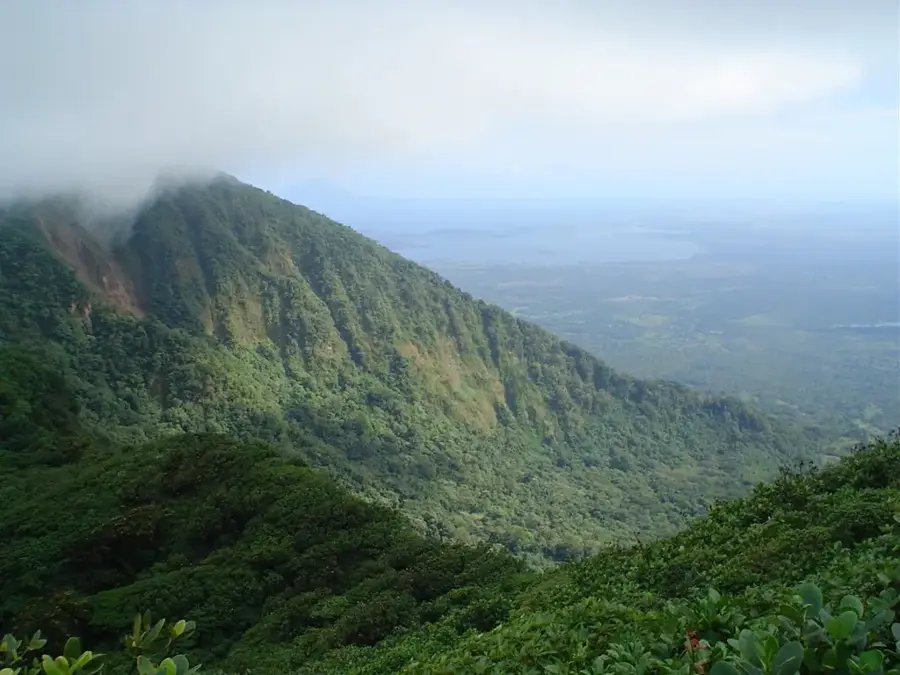
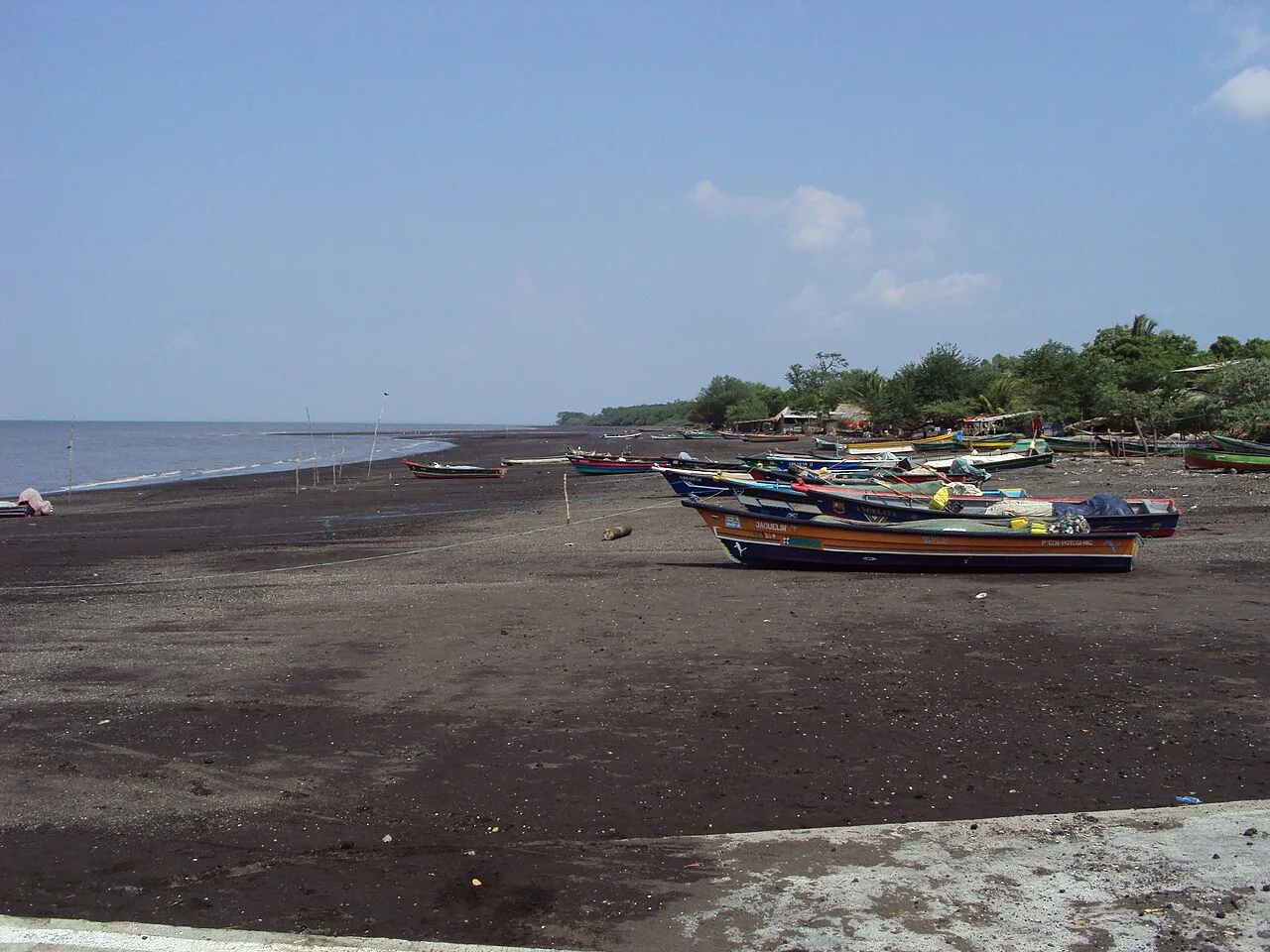
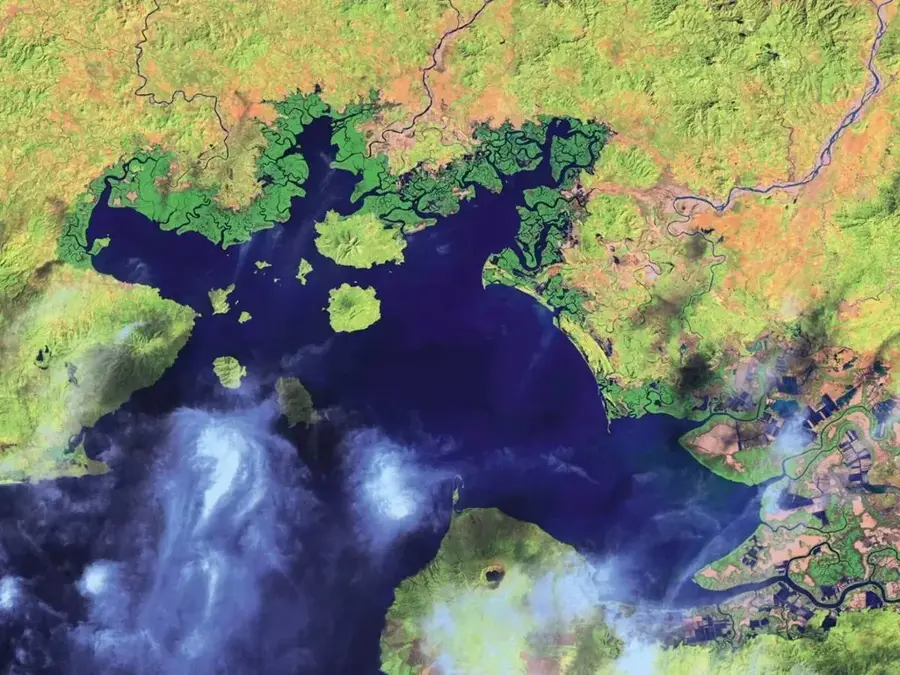
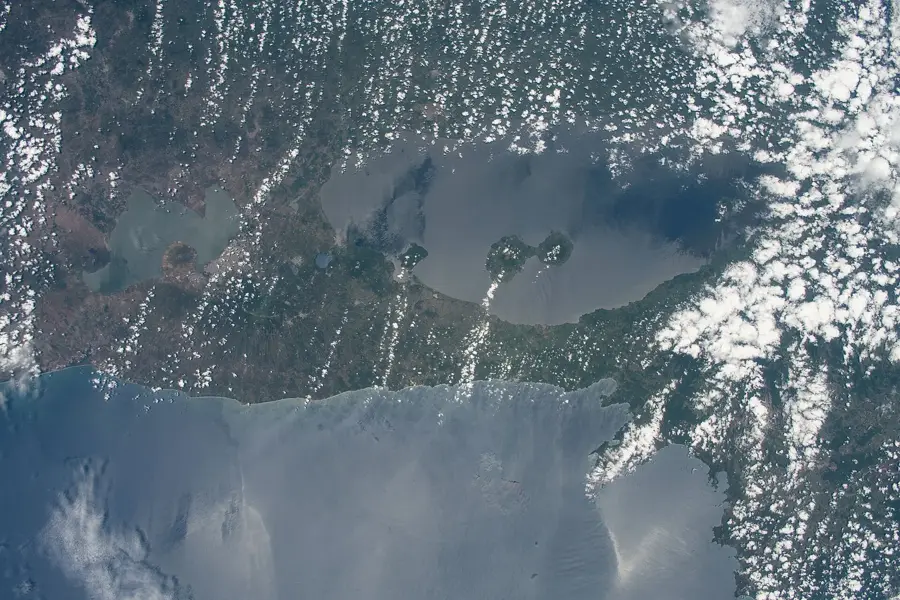
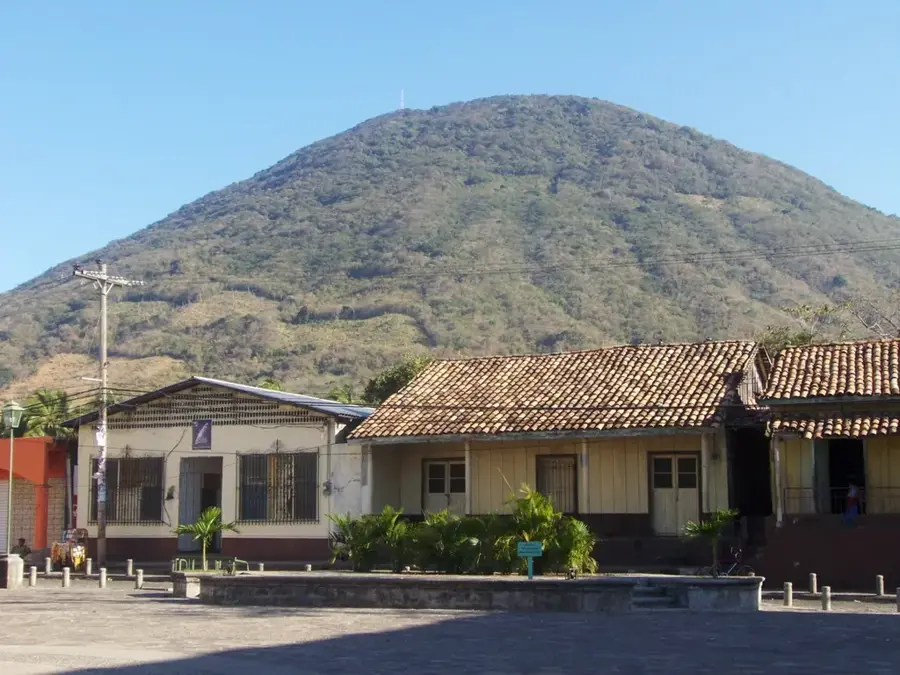
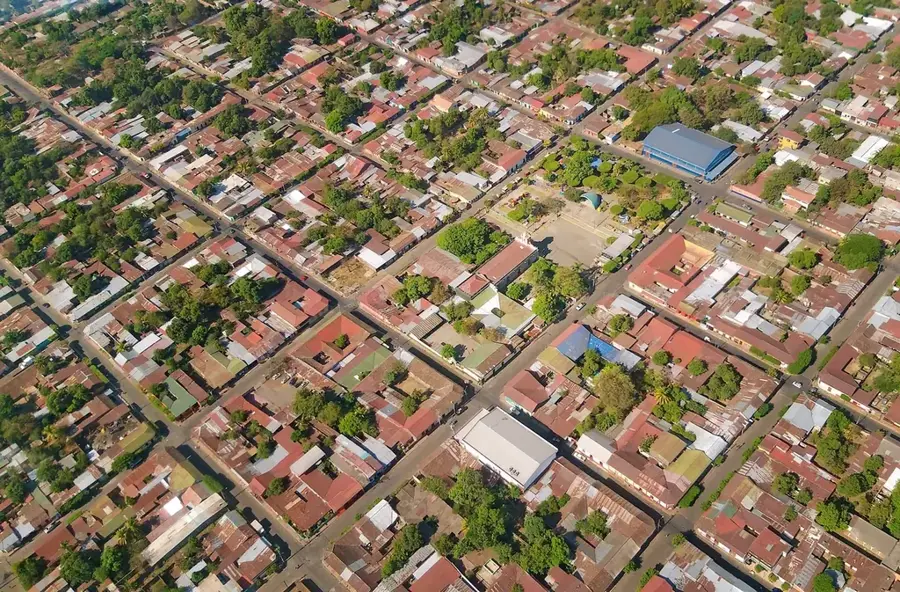
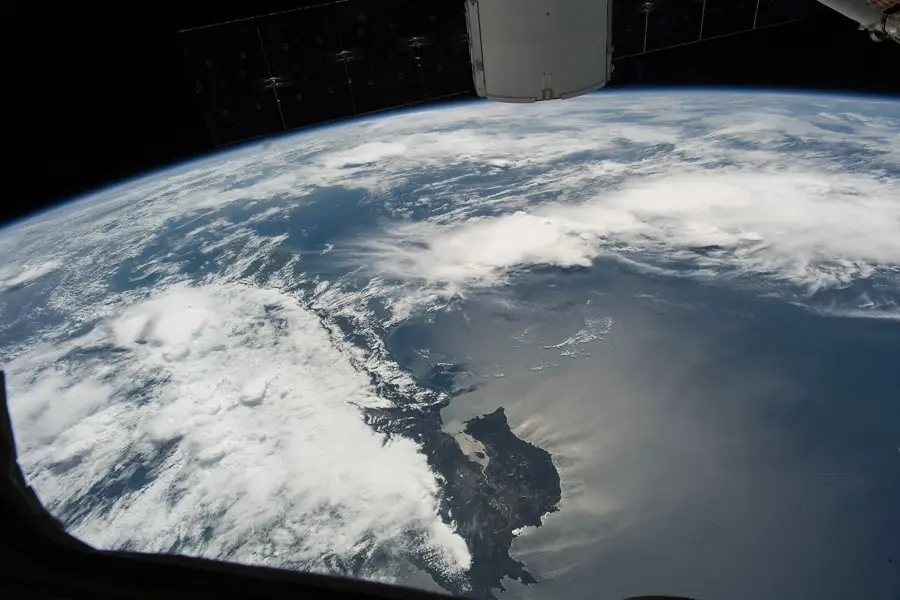
The Gulf of Fonseca is a strategically important marine area on the Pacific coast, shared by Nicaragua, Honduras, and El Salvador. The Nicaraguan portion is situated in the southern part of the gulf and is dominated by the Cosigüina Peninsula, home to the namesake volcano whose 1835 eruption was one of the most violent ash-producing events in American history. The gulf's coastline is characterized by extensive mangrove forests and wetlands protected under the Ramsar Convention, serving as critical habitats for migratory birds and breeding grounds for marine life. Geopolitically, the gulf was for decades a subject of disputes among the three bordering nations over fishing rights and territorial waters, though steps toward peaceful cooperation and joint development have been taken recently. Several volcanic islands lie within Nicaraguan waters, such as the Los Farallones rocks, which are important nesting sites for seabirds. Today, the area is a promising site for sustainable fishing and ecotourism, where visitors can discover volcanic crater lakes and rich marine biodiversity beneath tropical sunsets.
Explore on the map
How well do you know Nicaragua?
Find cities, landscapes and regions in 10 varied challenges on the interactive map.
Your journey, your memory
A postcard from Gulf of Fonseca (Nicaragua)
Turn your own photo into a personal postcard with a local stamp. Free and no sign-up required.
Create a postcard- Location: Nicaragua
- Nearby: Jiquilillo (38 km)
Best time to visit & climate
The most pleasant time to visit is Jan, Feb, Dec.
| Jan | Feb | Mar | Apr | May | Jun | Jul | Aug | Sep | Oct | Nov | Dec | |
|---|---|---|---|---|---|---|---|---|---|---|---|---|
| Avg °C | 28 | 29 | 30 | 30 | 29 | 29 | 29 | 29 | 28 | 28 | 28 | 28 |
| Rain mm | 1 | 2 | 8 | 36 | 220 | 230 | 120 | 182 | 287 | 271 | 48 | 10 |
📋 Practical info
Geography
Facts
- Three countries share sovereignty over the Gulf of Fonseca.
- The Cosigüina volcano reaches an elevation of approximately 872 meters.
- The 1835 eruption was one of the most powerful in Nicaraguan history.
- The Estero Real mangroves are an internationally protected Ramsar site.
- The Los Farallones volcanic rocks are prominent features in the water.
- The mean depth of the gulf is less than 15 meters.
Explore nearby
Notable places around
Route planner — Car & Motorhome
Where do you start? We build the route here, with stops and country notes along the way.
© OpenStreetMap contributors · OpenRouteService
Sights nearby
Frequently asked questions
Is the Gulf of Fonseca a good place for ecotourism?
Can you visit the islands in the gulf?
Is the water suitable for swimming?
What is the best time for an excursion?
Are there fish restaurants there?
Gulf of Fonseca (Nicaragua): where is it located?
Gulf of Fonseca (Nicaragua): when is the best time to visit?
Gulf of Fonseca (Nicaragua): why is it worth visiting?
Nearby cities
Nature
More places