Plizio Visual Lab
Posoltega
ℹ️Practical info — Posoltega
▾
🌤 Weather — 5 days
📍 Nearby
Sights nearby
💡 Tips
- Visit the Casita Volcano Memorial with appropriate respect.
- Hire a local guide to explore the volcano trails safely and learn the history.
- Try the shade-grown coffee sourced directly from the volcano's slopes.
- Relax at the nearby Posolteguilla natural hot springs.
- Speak with locals about the town's resilience and recovery since 1998.
🍽 Food
Freshly roasted beans from local coffee farms like Finca Argelia.
A thick, traditional stew made from corn, beef, and herbs.
Try different types of tortillas and tamales at local street stalls.
🛍 Shopping · 🧘 Quiet spots
Buy coffee beans directly from the local producers.
Simple souvenirs and handmade items created by the community.
A solemn place for reflection located on the mountainside.
Natural hot springs at the base of the volcano, well-suited for relaxation.
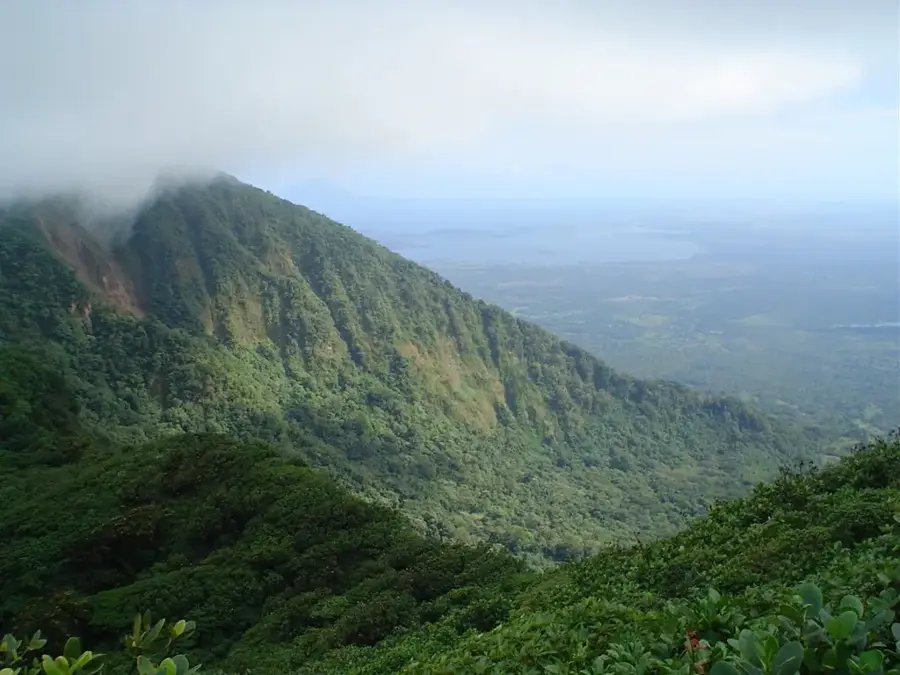
High-altitude hiking paths offering peaceful views of the Pacific plains.
Water temperature…
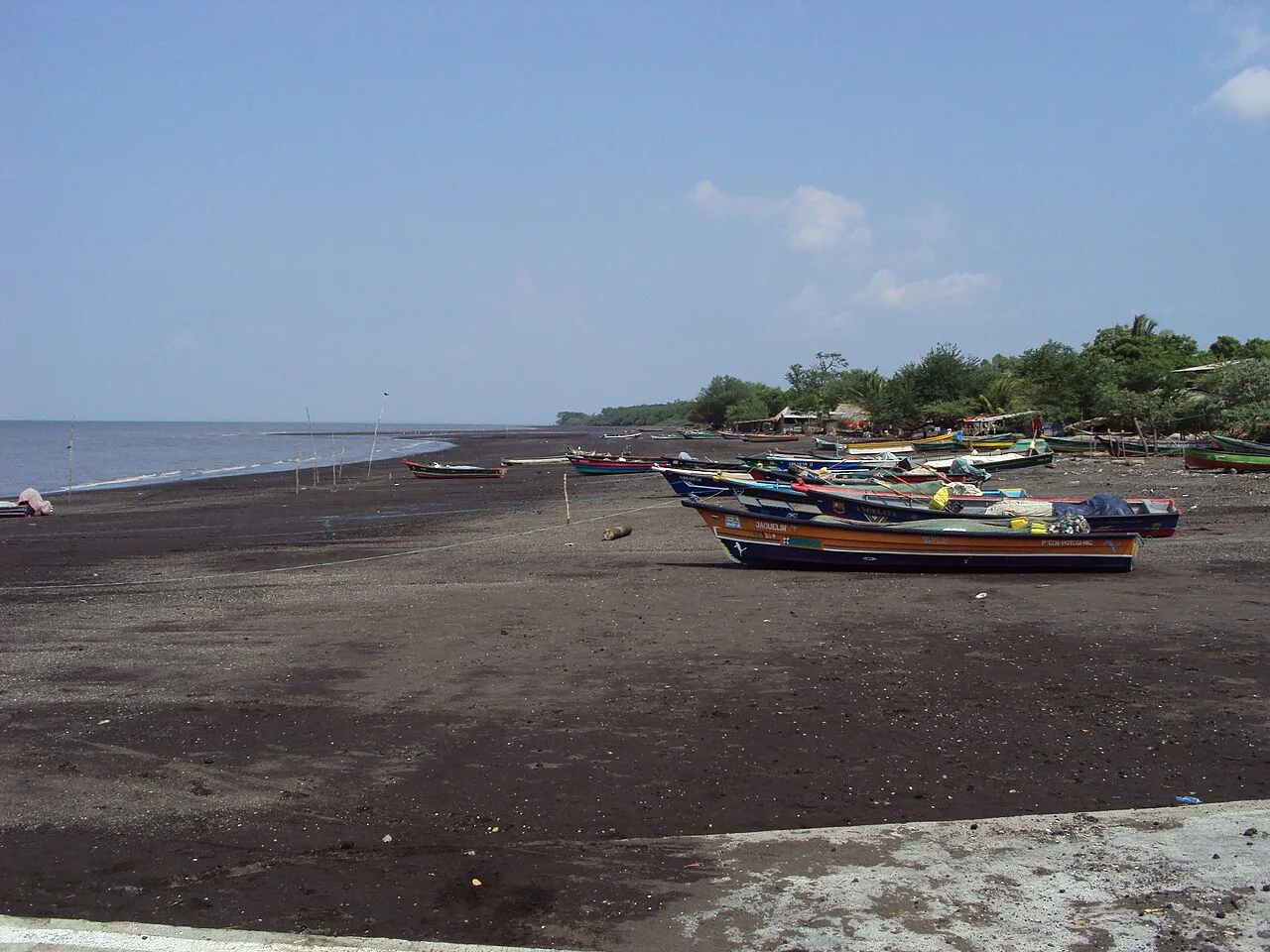
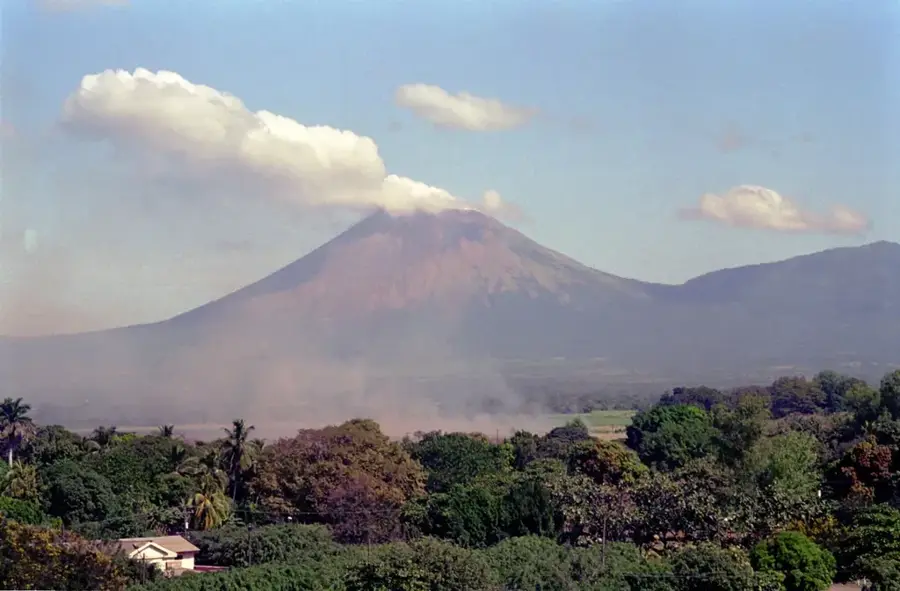
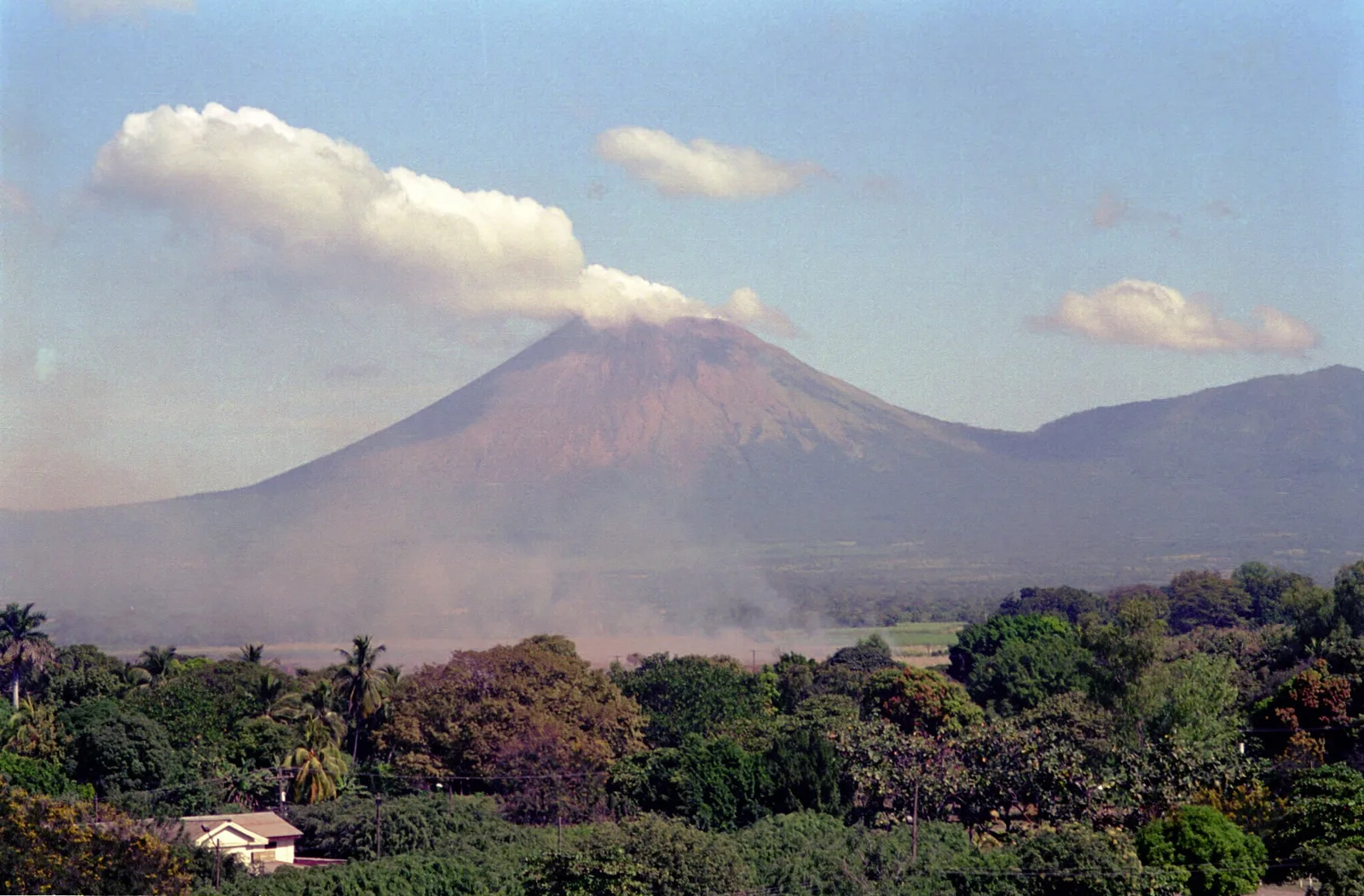
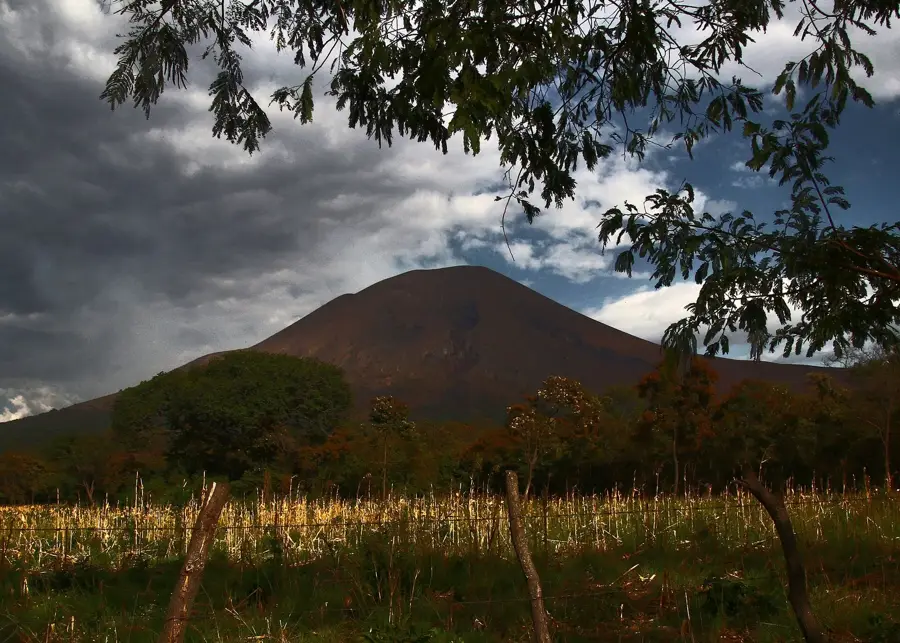
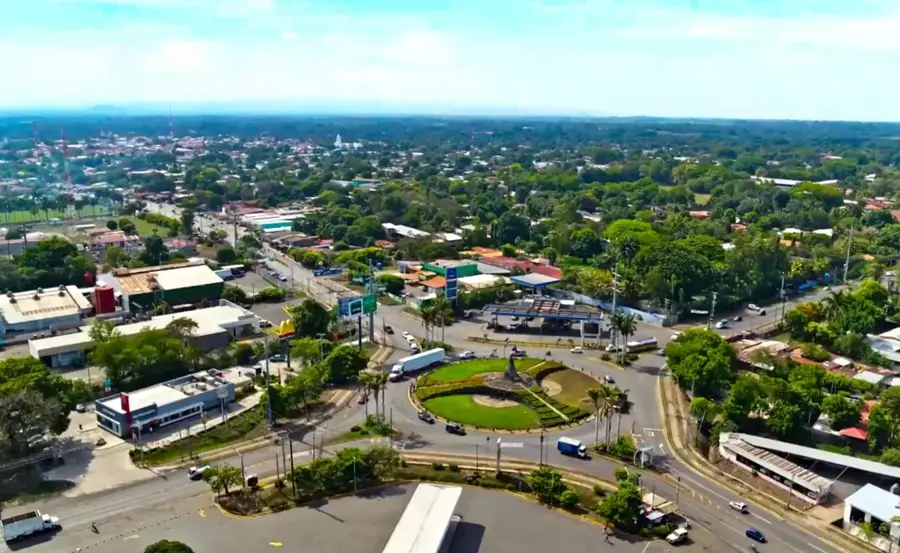
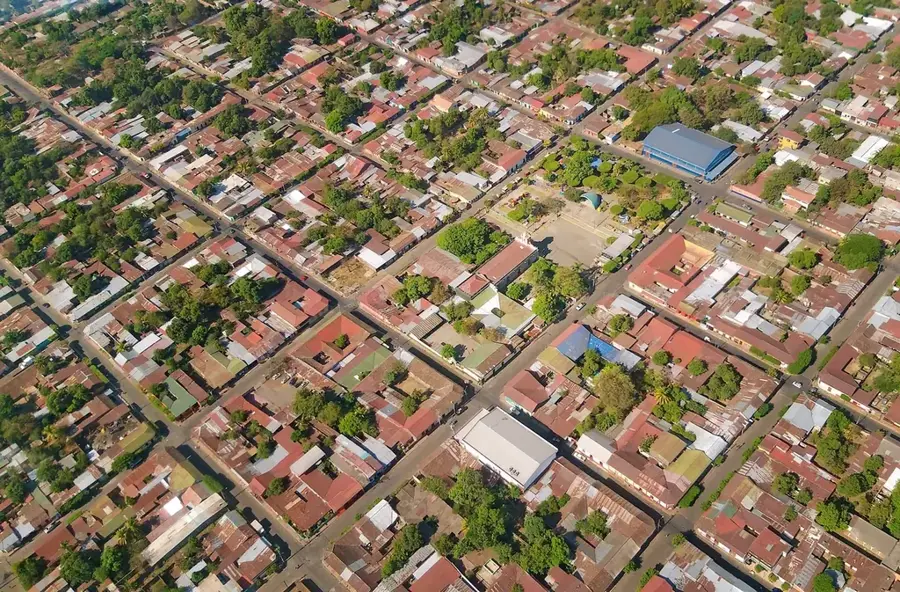
Posoltega is a municipality steeped in history in the Chinandega Department, whose name in the indigenous Nahuatl language means "settlement at the yellow wells." The city is located on one of the country's most fertile plains, at the foot of the Maribios volcanic chain. Posoltega gained tragic worldwide notoriety in 1998 when, as a result of Hurricane Mitch, a massive mudslide descended from the Casita volcano and almost completely buried two villages. Today, the city stands as a symbol of reconstruction and resilience, with numerous monuments commemorating the victims of that disaster. The economy is primarily driven by agriculture, dominated by the cultivation of sugarcane, peanuts, and bananas. The volcanic soil is extremely productive, making Posoltega an important agro-industrial site. Despite its tragic past, the municipality preserves a rich cultural heritage and a strong community structure. The infrastructure has been modernized since the disaster to increase residents' safety and improve connectivity to the nearby cities of Chinandega and León.
Explore on the map
How well do you know Nicaragua?
Find cities, landscapes and regions in 10 varied challenges on the interactive map.
Your journey, your memory
A postcard from Posoltega
Turn your own photo into a personal postcard with a local stamp. Free and no sign-up required.
Create a postcard- Location: Nicaragua
- Nearby: Chichigalpa (7 km)
- Population: ~6.403 (2026)
Best time to visit & climate
The most pleasant time to visit is Jan, Feb, Dec.
| Jan | Feb | Mar | Apr | May | Jun | Jul | Aug | Sep | Oct | Nov | Dec | |
|---|---|---|---|---|---|---|---|---|---|---|---|---|
| Avg °C | 28 | 29 | 30 | 31 | 29 | 28 | 28 | 29 | 28 | 27 | 27 | 27 |
| Rain mm | 2 | 2 | 8 | 35 | 216 | 229 | 114 | 173 | 299 | 294 | 68 | 10 |
Geography
Facts
- The mudslide from the Casita volcano claimed over 2,000 lives on October 30, 1998.
- Posoltega is located approximately 115 kilometers northwest of Managua.
- The municipality covers an area of about 149 square kilometers.
- Peanuts are one of the most significant export products of the local agriculture.
- The city features a memorial park dedicated to the victims of Hurricane Mitch.
- Posoltega is known for its fertile volcanic soils, considered among the best in Nicaragua.
Explore nearby
Notable places around
Route planner — Car & Motorhome
Where do you start? We build the route here, with stops and country notes along the way.
© OpenStreetMap contributors · OpenRouteService
Frequently asked questions
What defines the cityscape of Posoltega?
How do I get to Posoltega?
Are there tourist highlights?
When is a visit worthwhile?
How is the weather there?
Posoltega: where is it located?
Posoltega: when is the best time to visit?
Posoltega: why is it worth visiting?

Nearby cities
Nature
More places