Plizio Visual Lab
Cosigüina Volcano Fauna
Weather…
Water temperature…
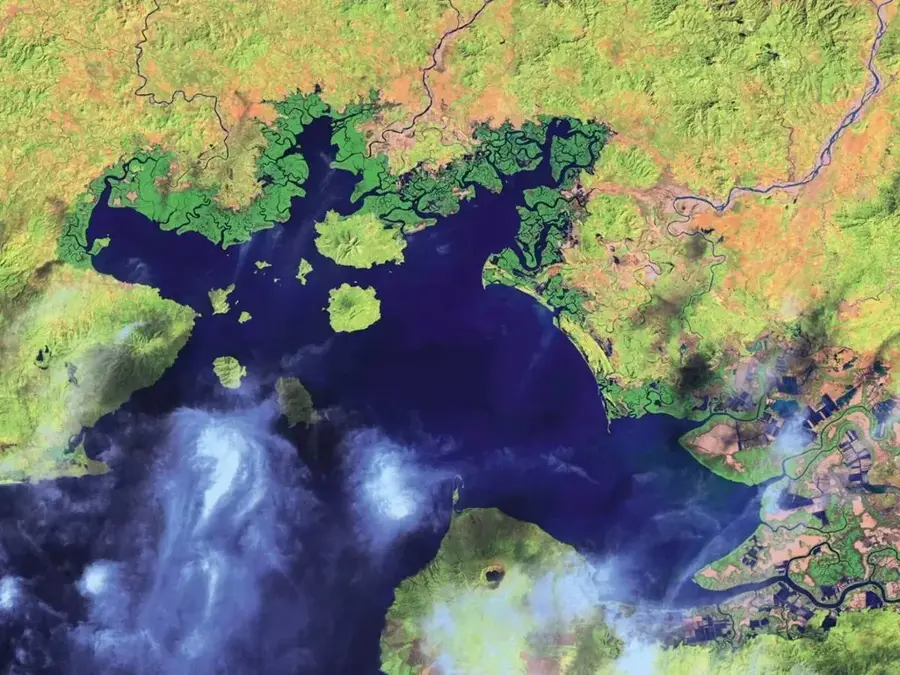
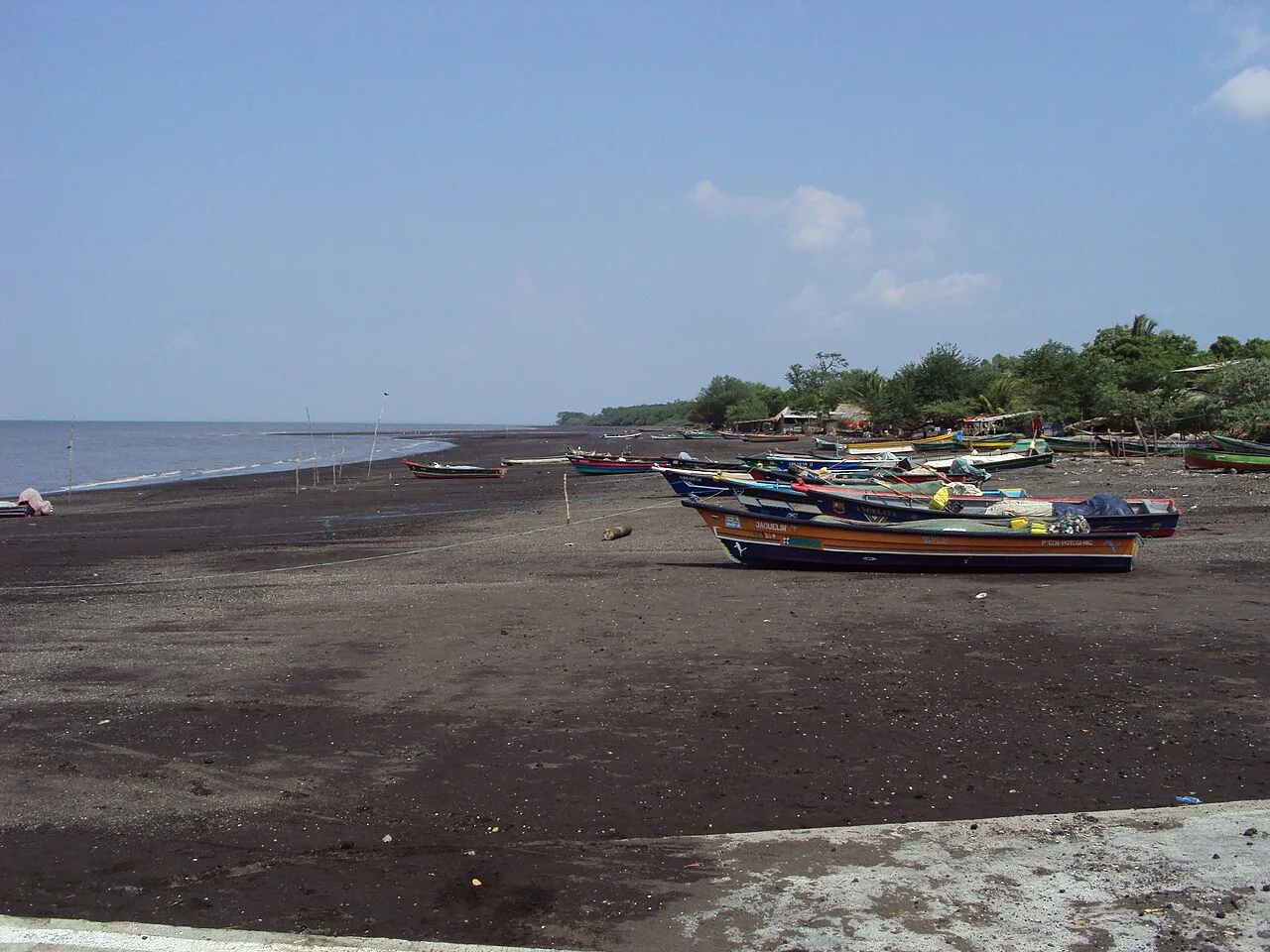
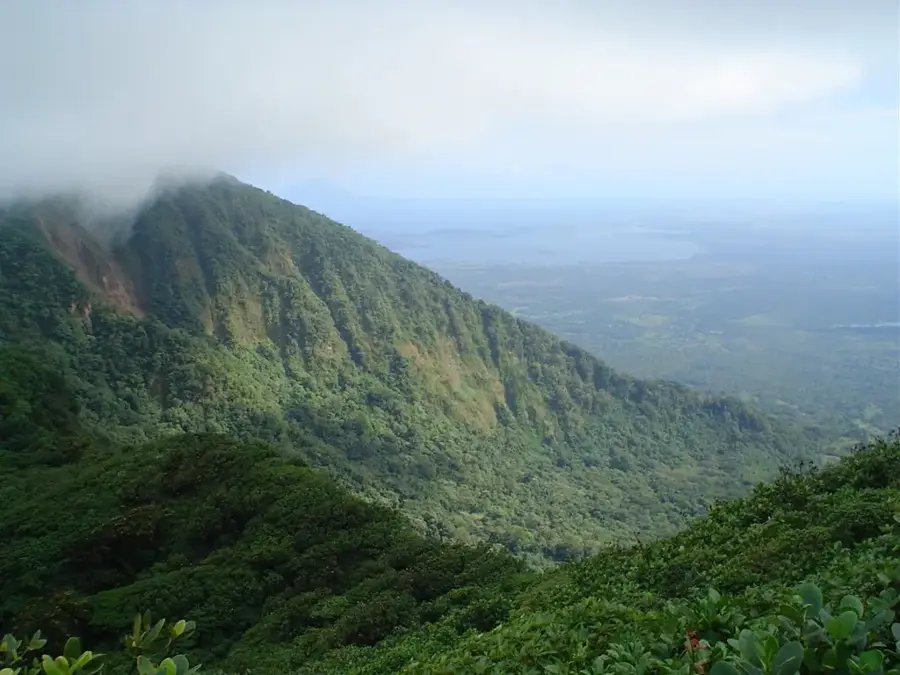
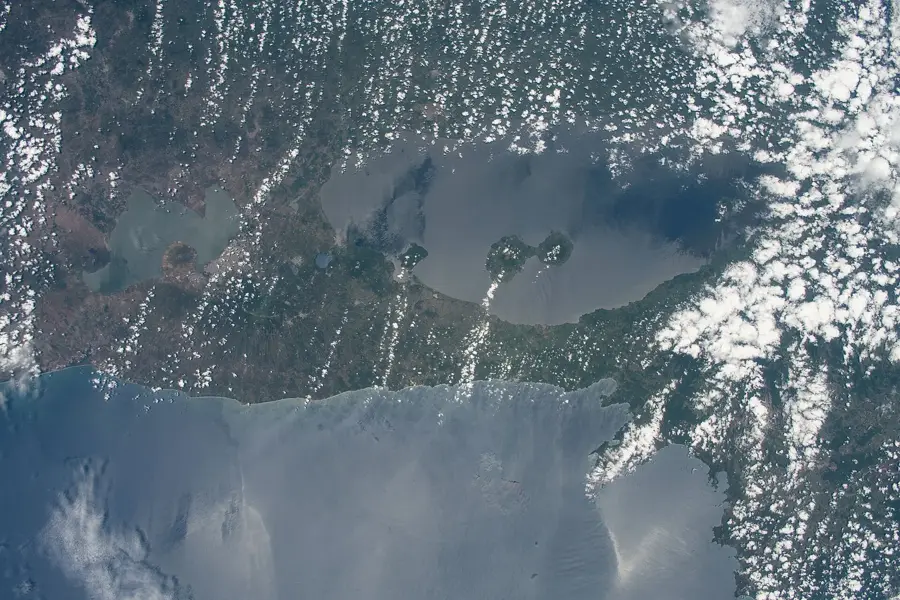
Reserva Natural Volcán Cosigüina is a significant protected area in the Chinandega Department, famous for the historic 1835 eruption of its volcano. The crater now houses a striking turquoise lake, but the reserve is equally renowned for its rich biodiversity and fauna. It serves as one of the last remaining habitats for the Scarlet Macaw (Ara macao) in the Pacific region of Nicaragua. The dense tropical dry forest provides refuge to spider monkeys, pumas, and numerous reptile species. Its strategic location on the Gulf of Fonseca makes it a critical stopover for migratory birds traveling through Central America. The reserve's ecosystems are vital for regional conservation efforts, maintaining a balance between the volcanic soil and the diverse wildlife that thrives on its slopes.
Explore on the map
How well do you know Nicaragua?
Find cities, landscapes and regions in 10 varied challenges on the interactive map.
Your journey, your memory
A postcard from Cosigüina Volcano Fauna
Turn your own photo into a personal postcard with a local stamp. Free and no sign-up required.
Create a postcard- Location: Nicaragua
- Nearby: Jiquilillo (31 km)
Best time to visit & climate
The most pleasant time to visit is Jan, Feb, Dec.
| Jan | Feb | Mar | Apr | May | Jun | Jul | Aug | Sep | Oct | Nov | Dec | |
|---|---|---|---|---|---|---|---|---|---|---|---|---|
| Avg °C | 28 | 29 | 30 | 30 | 29 | 29 | 29 | 29 | 28 | 28 | 28 | 28 |
| Rain mm | 1 | 2 | 8 | 36 | 220 | 230 | 120 | 182 | 287 | 271 | 48 | 10 |
📋 Practical info
Geography
Facts
- The 1835 eruption was the most powerful in Nicaraguan recorded history.
- The crater lake is approximately 2 kilometers in diameter.
- One of the few places in Nicaragua where wild Scarlet Macaws nest.
- Home to the endangered spider monkey (Ateles geoffroyi).
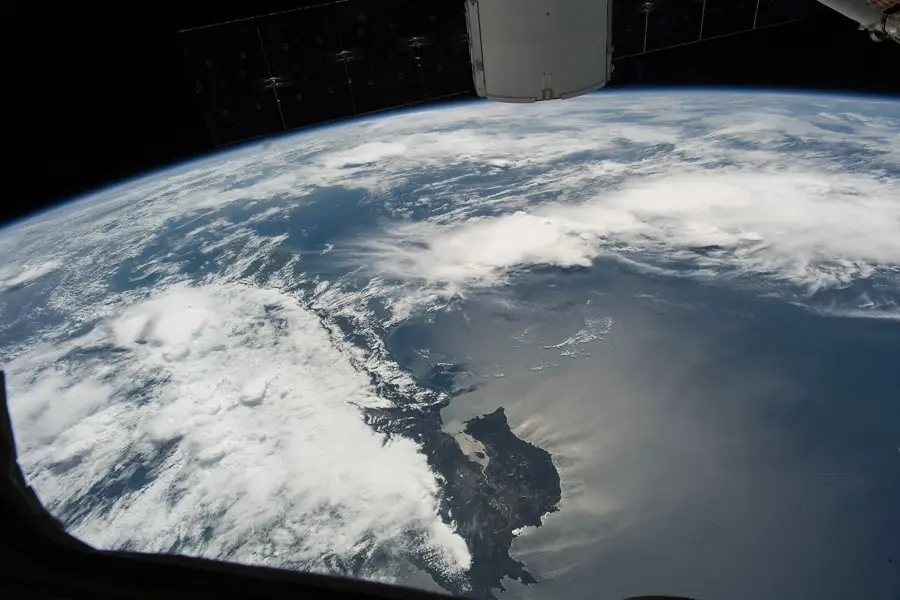
- Overlooks the Gulf of Fonseca, shared by Nicaragua, Honduras, and El Salvador.
- The crater rim reaches an altitude of 872 meters above sea level.
Explore nearby
Notable places around
Route planner — Car & Motorhome
Where do you start? We build the route here, with stops and country notes along the way.
© OpenStreetMap contributors · OpenRouteService
Sights in the town Cosigüina Volcano Fauna (1)
Sights nearby
Frequently asked questions
What makes Cosigüina so special?
How strenuous is the hike?
Is there a lot of fauna to see?
Do you need a guide?
Is it hot there?
Cosigüina Volcano Fauna: where is it located?
Cosigüina Volcano Fauna: when is the best time to visit?
Cosigüina Volcano Fauna: why is it worth visiting?

Nearby cities
Nature
More places