Plizio Visual Lab
Cosigüina Lagoon

Weather…
Water temperature…
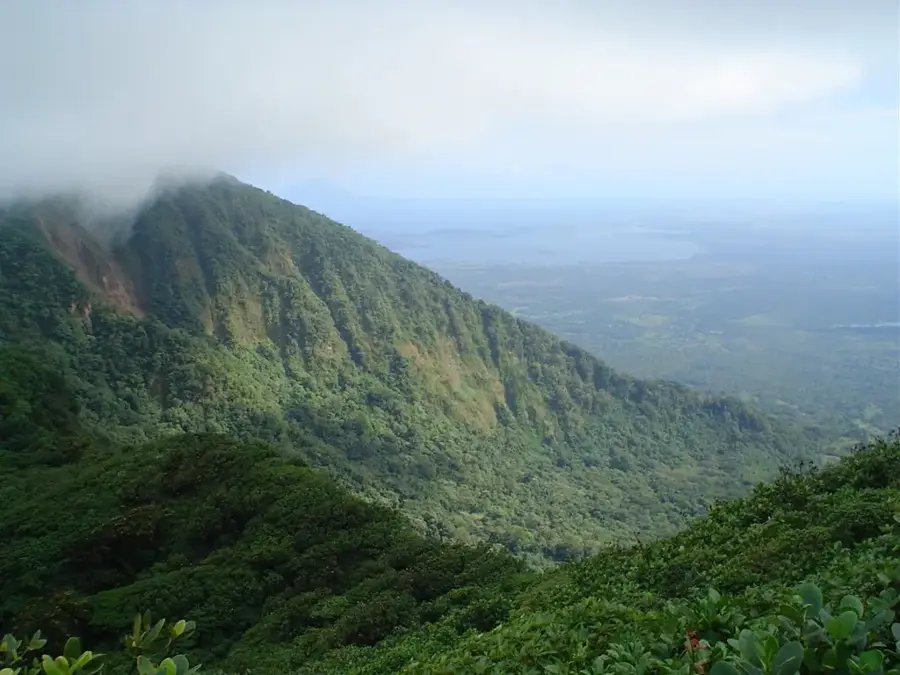
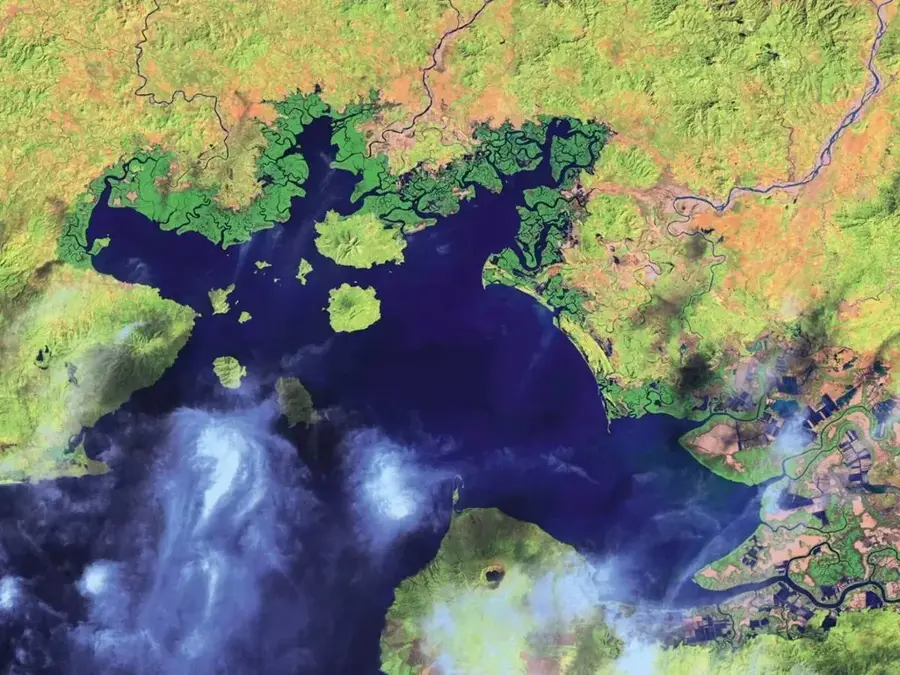
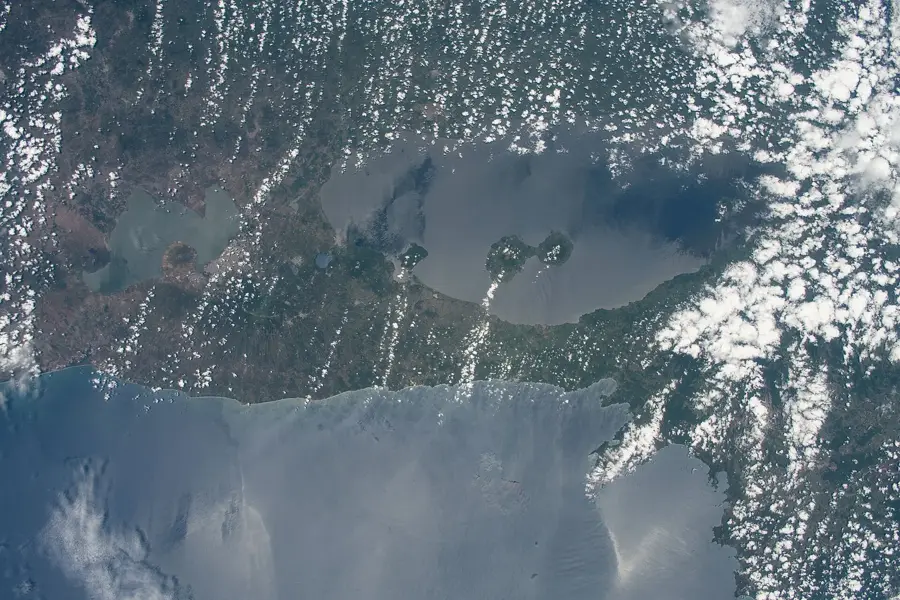
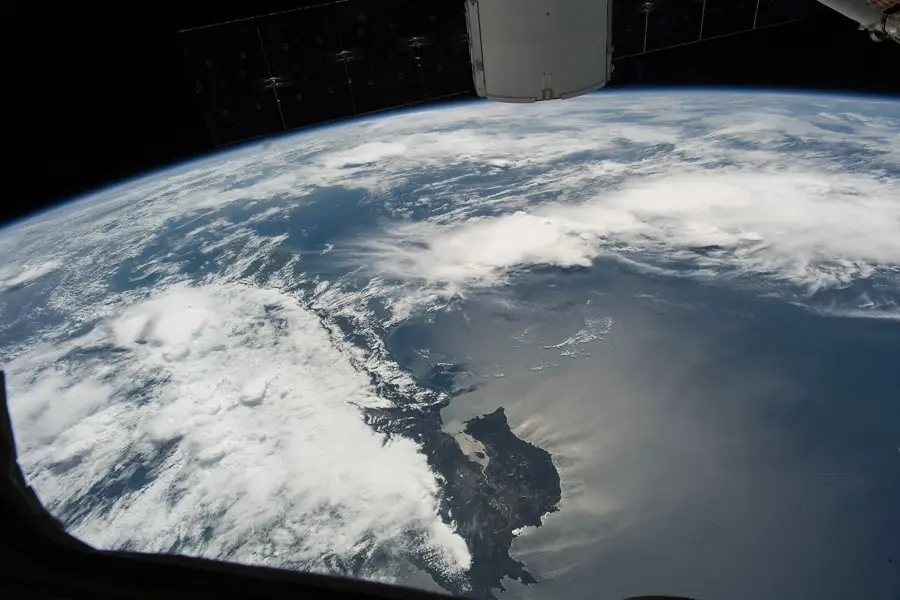
Cosigüina Lagoon is located in the crater of the volcano of the same name at the northwestern tip of Nicaragua, on the Cosigüina Peninsula. The volcano is historically famous for its massive eruption in 1835, considered one of the loudest and most powerful in the history of the Americas, which blew off the once-massive peak. In the resulting crater, a deep, turquoise lagoon has formed over time, measuring about 2 kilometers in diameter. The crater walls rise steeply up to 300 meters above the water level and are covered with dense tropical vegetation. The area was declared a nature reserve in 1958 to preserve its unique flora and fauna, including parrots and howler monkeys. From the crater rim, there is a spectacular view over the Gulf of Fonseca to the coasts of Honduras and El Salvador. The lagoon is a significant testament to nature's regenerative power following catastrophic volcanic events.
Explore on the map
How well do you know Nicaragua?
Find cities, landscapes and regions in 10 varied challenges on the interactive map.
Your journey, your memory
A postcard from Cosigüina Lagoon
Turn your own photo into a personal postcard with a local stamp. Free and no sign-up required.
Create a postcard- Location: Nicaragua
- Nearby: Jiquilillo (31 km)
Best time to visit & climate
The most pleasant time to visit is Jan, Feb, Dec.
| Jan | Feb | Mar | Apr | May | Jun | Jul | Aug | Sep | Oct | Nov | Dec | |
|---|---|---|---|---|---|---|---|---|---|---|---|---|
| Avg °C | 28 | 29 | 30 | 30 | 29 | 29 | 29 | 29 | 28 | 28 | 28 | 28 |
| Rain mm | 1 | 2 | 8 | 36 | 220 | 230 | 120 | 182 | 287 | 271 | 48 | 10 |
📋 Practical info
Geography
Facts
- The 1835 eruption was so loud it was reportedly heard as far away as Jamaica.
- The lagoon is situated within a crater approximately 2 km in diameter.
- Cosigüina volcano currently stands at an elevation of 872 meters.
- The Cosigüina Nature Reserve was established as early as 1958.
- Ash from the 1835 eruption darkened the region for several days.
- From the rim, one can view three countries: Nicaragua, Honduras, and El Salvador.
Explore nearby
Notable places around
Route planner — Car & Motorhome
Where do you start? We build the route here, with stops and country notes along the way.
© OpenStreetMap contributors · OpenRouteService
Sights in the town Cosigüina Lagoon (1)
Sights nearby
Frequently asked questions
How difficult is the hike to the crater?
When is the best time to visit?
Is there parking nearby?
Do I have to pay an entrance fee?
Are there restrooms at the crater?
Cosigüina Lagoon: where is it located?
Cosigüina Lagoon: when is the best time to visit?
Cosigüina Lagoon: why is it worth visiting?

Nearby cities


More places