Plizio Visual Lab

Gulf of Fonseca
Plizio editorial teamData Sources
Sea
—°
Gulf of Fonseca (Honduras)

Weather…

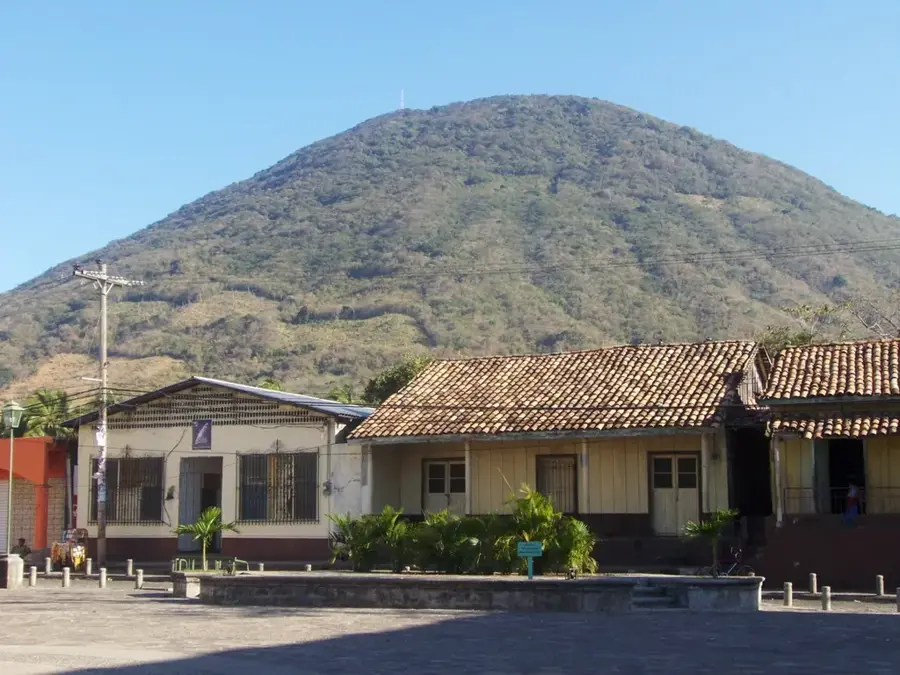
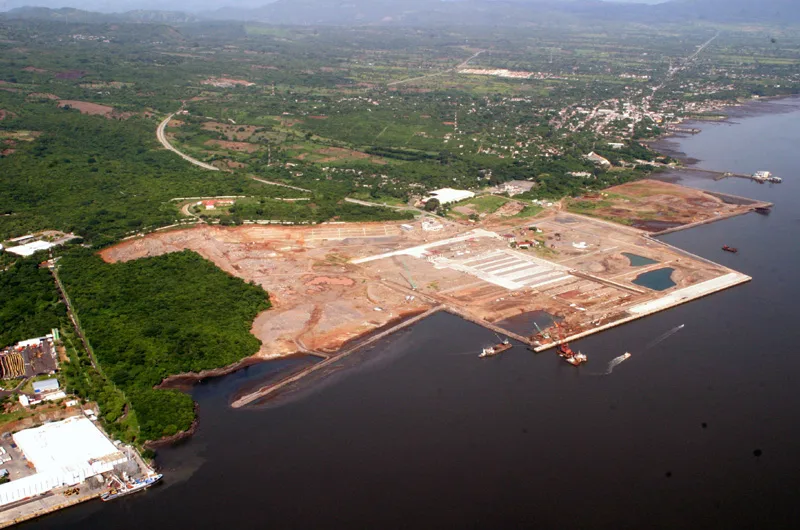
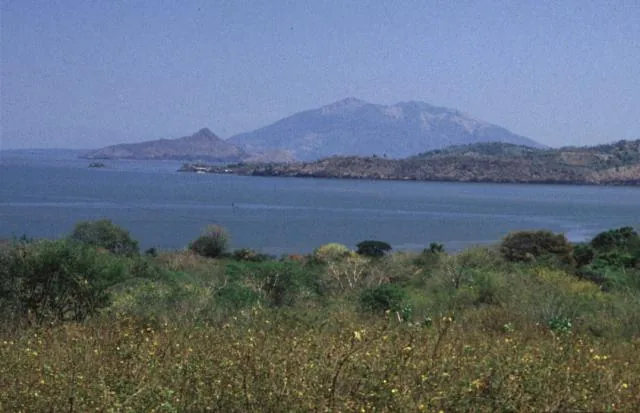
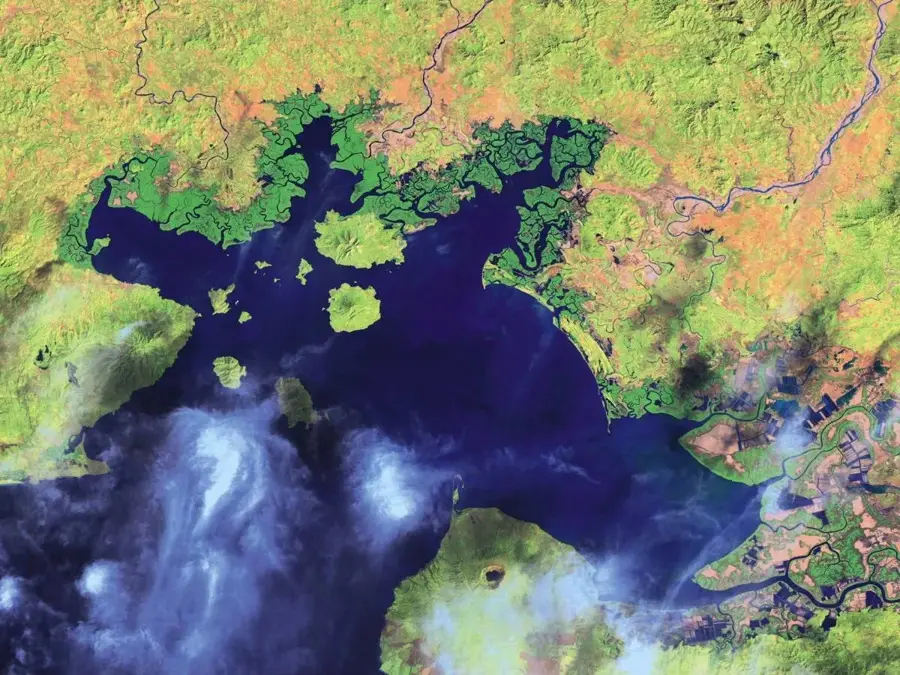
The Gulf of Fonseca is a strategically vital body of water on the Pacific coast of Central America, shared by Honduras, El Salvador, and Nicaragua. The gulf is defined by its volcanic islands, expansive mangrove forests, and vast tidal flats. In Honduras, the gulf hosts significant ports such as Amapala on El Tigre Island and San Lorenzo on the mainland. Its ecosystem is rich in marine life, particularly shrimp, which is a major export for the region. Historically, the gulf has been a focal point for geopolitical interests and maritime exploration. The mangroves within the gulf act as a critical shield against coastal erosion and serve as essential nurseries for a wide variety of fish species.

Best time to visit & climate

The most pleasant time to visit is Jan, Nov, Dec.

JanFebMarAprMayJunJulAugSepOctNovDec
Avg °C272829302827282827262626
Rain mm337371982141111602502313917

📋 Practical info

🧭
Getting there
The majestic gulf is usually accessed from the southern Honduran coastal towns like San Lorenzo or Amapala, which offer frequent local boat tours. Standard paved roads directly lead to these major port towns, but actually exploring the open waters requires hiring a local motorized panga (boat).
📅
Best season
The regional dry season from November to April reliably has the calmest ocean waters and clearest skies for comfortable boating and extensive island hopping. The tropical rainy season can frequently bring highly unpredictable squalls, strong winds, and noticeably reduced visibility directly on the water.
⛰️
Terrain & paths
The vast environment consists predominantly of open marine waters, extensive intricate mangrove estuaries, and dramatic volcanic island shorelines adorned with dark volcanic sand beaches. Land exploration on the scattered islands very often involves walking on uneven, incredibly rocky, and unpaved rustic paths.
🎒
What to bring
Relentless sun protection, strictly including a wide-brimmed hat and very high SPF sunscreen, is absolutely crucial given the intense glare and reflection off the water. Always bring a reliable dry bag for electronics, motion sickness medication if prone, and plenty of fresh drinking water.
🅿️
Parking
Visitor vehicles can typically be parked safely at the local marinas, commercial port areas, or partnered hotels in main towns like San Lorenzo right before boarding a private boat. Always strictly ensure you use actively guarded or official parking areas for extended full-day trips.
⚠️
Safety
Always correctly wear an appropriately sized life jacket when out on the water and verify the boat operator is highly experienced and locally reputable. Be constantly mindful of sudden strong currents if swimming, and aggressively protect yourself from the remarkably intense equatorial tropical sun.
⏱️
Time needed
Thoroughly exploring the beautiful gulf usually takes a very full day, effortlessly incorporating boat rides, extensive mangrove tours, and a fresh seafood lunch directly on a remote island. Considerably shorter half-day boat tours are also widely available for quick trips from the main commercial ports.

Geography

Coordinates
13.25000, -87.66000

Facts

  • The gulf covers a total surface area of about 3,200 km².
  • It was discovered in 1522 by explorer Andrés Niño.
  • Honduras possesses approximately 160 km of coastline on the gulf.
  • Amapala was once the nation's premier Pacific port.
  • Volcanic islands like El Tigre are prominent landscape features.
  • It is among the most productive fishing zones in the Pacific.

Explore nearby

Notable places around

Route planner — Car & Motorhome

Where do you start? We build the route here, with stops and country notes along the way.

Vehicle
Only stops with (optional):

© OpenStreetMap contributors · OpenRouteService

Sights nearby

Frequently asked questions

Which countries border the Gulf of Fonseca?
Honduras, El Salvador, and Nicaragua share the shores of the gulf.
Which island in the gulf is the most famous?
Isla El Tigre, with the welcoming town of Amapala, is the main destination for visitors.
Are there volcanoes there?
Yes, many islands in the gulf are of volcanic origin, such as the cone on Isla El Tigre.
What is the climate like at the gulf?
It is one of the hottest regions in the country with very dry winters.
Can you go on boat tours?
Yes, boats regularly depart from Coyolito for island tours and dolphin watching.
Gulf of Fonseca: where is it located?
Gulf of Fonseca is located in Honduras.
Gulf of Fonseca: when is the best time to visit?
The most pleasant time to visit is Jan, Nov, Dec.
Gulf of Fonseca: why is it worth visiting?
The Gulf of Fonseca is a strategically vital body of water on the Pacific coast of Central America, shared by Honduras, El Salvador, and Nicaragua.
View on map → The Top 50 Attractions → OpenStreetMap →
North America
Explore with Plizio Discover more places in North America
More places in Honduras →

Nearby cities

History & landmarks

Nature

More places