Plizio Visual Lab

Gulf of Fonseca
Plizio editorial teamData Sources
Sea
—°1
Gulf of Fonseca (El Salvador)

Weather…

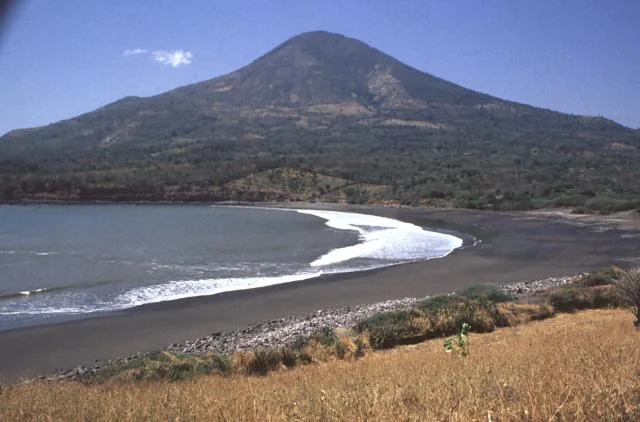
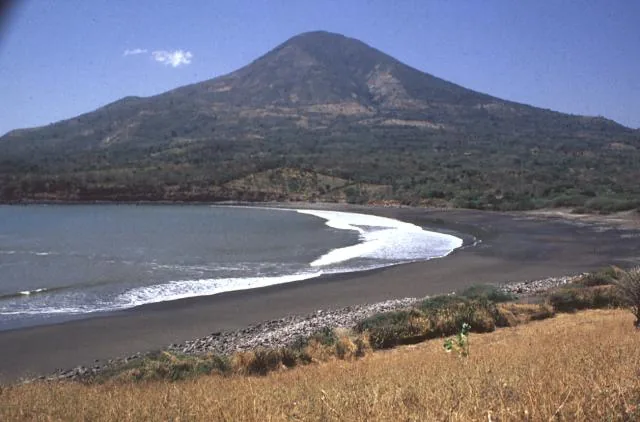
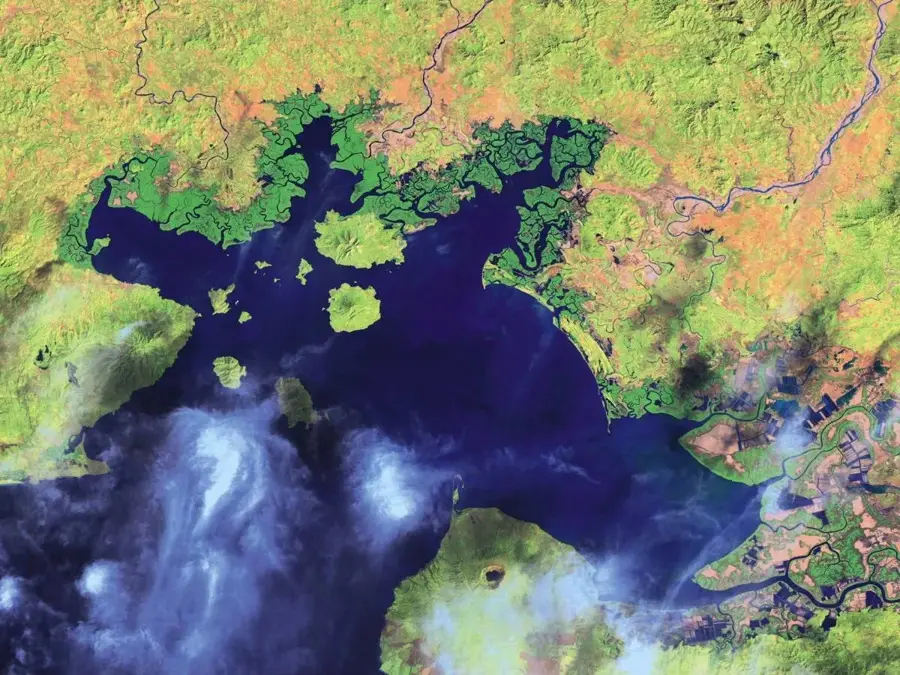
The Gulf of Fonseca is a strategically important body of water on the Pacific coast of Central America, shared by El Salvador, Honduras, and Nicaragua. It was discovered in 1522 by Spanish explorer Andrés Niño and named after his patron, Bishop Juan Rodríguez de Fonseca. The geography of the gulf is characterized by numerous volcanic islands, including Meanguera and Conchagüita on the Salvadoran side. Ecologically, the gulf is rich in mangrove forests and serves as a significant habitat for migratory birds and marine species. It plays a central role in local fishing and regional trade, though it has also been the subject of long-standing territorial debates among the neighboring nations. Recently, the gulf has seen increased tourism development, with its pristine islands and dramatic volcanic landscape serving as primary attractions.

Best time to visit & climate

The most pleasant time to visit is Jan, Nov, Dec.

JanFebMarAprMayJunJulAugSepOctNovDec
Avg °C272829302827282827262626
Rain mm337371982141111602502313917

📋 Practical info

🧭
Getting there
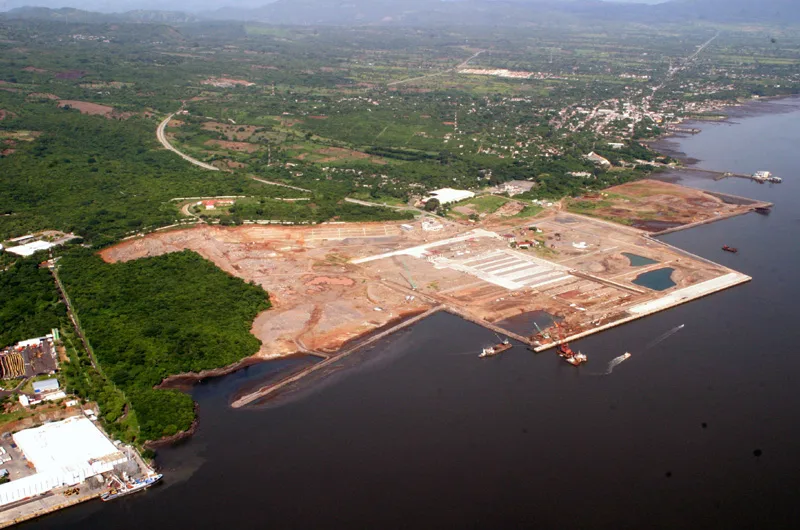
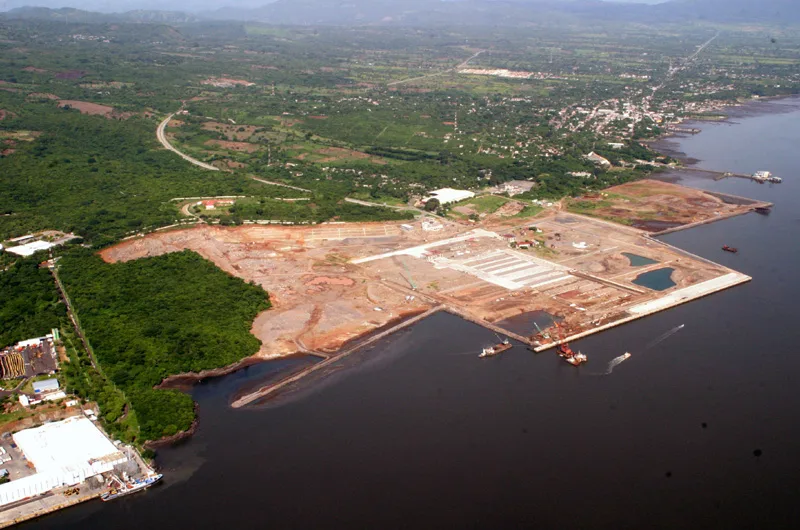
Access to the gulf from the El Salvador side is primarily coordinated through the bustling port town of La Unión, where diverse boat tours can be easily arranged. The port town itself is excellently connected by wide paved highways flowing directly from San Salvador and other major internal cities.
📅
Best season
The period roughly spanning November through April provides by far the most stable, gloriously sunny weather for safely navigating the gulf and intimately visiting the islands. The intense rainy months can unfortunately result in severely choppier seas and violent afternoon storms, though mornings very often remain clear.
⛰️
Terrain & paths
The entire immersive experience is heavily centered on the water, featuring imposing volcanic islands, stunningly calm sweeping bays, and truly intricate localized mangrove ecosystems. Disembarking on remote islands like Meanguera essentially involves carefully navigating small, sometimes charmingly rustic docks and exceptionally steep village streets.
🎒
What to bring
Absolutely essential items strictly include incredibly strong sun protection, high-quality sunglasses, and a fully waterproof bag to perfectly protect valuables from constant sea spray. Exceptionally comfortable walking shoes are highly useful if you ever plan to properly explore the scattered island communities on foot.
🅿️
Parking
General parking is readily available near the main bustling docks and the primary tourist areas directly in La Unión, very often formally overseen by helpful local attendants. It is strongly recommended to exclusively use these official lots, especially if you actually plan to be out on the beautiful water all day.
⚠️
Safety
Thoroughly ensure your hired private boat objectively has totally adequate safety equipment onboard, explicitly including proper life vests for all embarking passengers. The sun is remarkably and notoriously strong directly on the open water, making severe sunburn and rapid dehydration the absolute primary risks.
⏱️
Time needed
A highly typical, well-organized guided boat tour intimately exploring the diverse islands and the unique tri-border waters consistently lasts between four to six deeply engaging hours. For a much more profoundly deeper experience, some adventurous visitors purposely choose to spend an unforgettable night on one of the larger inhabited islands.

Geography

Coordinates
13.25000, -87.75000

Facts

  • The gulf covers a total surface area of approximately 3,200 square kilometers.
  • Spanish explorer Andrés Niño officially discovered the gulf in 1522.
  • Meanguera Island is the largest inhabited Salvadoran island in the gulf.
  • Three volcanoes border the entrance to the gulf: Cosigüina, Conchagua, and Amapala.
  • The region is recognized as a Ramsar site for the protection of wetlands.
  • The maximum water depth within the gulf is approximately 27 meters.

Explore nearby

Notable places around
Route planner — Car & Motorhome

Where do you start? We build the route here, with stops and country notes along the way.

Vehicle
Only stops with (optional):

© OpenStreetMap contributors · OpenRouteService

Sights in the town Gulf of Fonseca (1)

Conchagüita📍 landmark

Conchagüita is a small island in the Gulf of Fonseca, El Salvador. It is volcanic in origin and uninhabited.

Sights nearby

Frequently asked questions

What is the best way to get to the Gulf of Fonseca?
Access is mainly through the ports in La Unión or via boat connections.
Are the islands in the Gulf inhabited?
Yes, some islands like Meanguera are inhabited and offer simple accommodations.
Are there organized boat tours there?
Yes, in La Unión you will find many providers for island-hopping tours.
Is the gulf safe for tourists?
In tourist areas yes, but follow local safety instructions.
What is the best time for boat trips?
The morning is well-suited, as the sea is usually calmer then.
Gulf of Fonseca: where is it located?
Gulf of Fonseca is located in El Salvador.
Gulf of Fonseca: when is the best time to visit?
The most pleasant time to visit is Jan, Nov, Dec.
Gulf of Fonseca: why is it worth visiting?
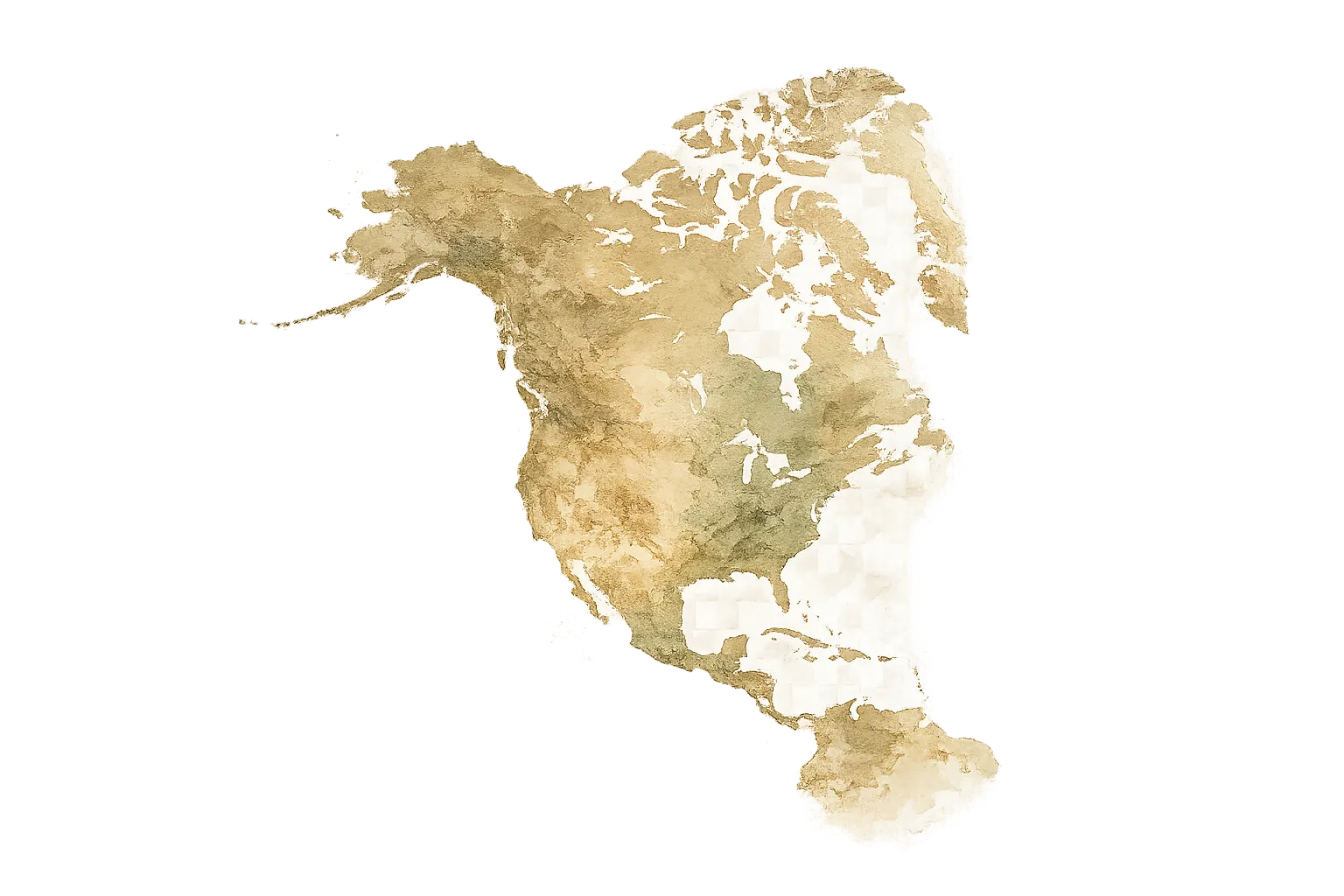
The Gulf of Fonseca is a strategically important body of water on the Pacific coast of Central America, shared by El Salvador, Honduras, and Nicaragua.
View on map → The Top 50 Attractions → OpenStreetMap →
North America
Explore with Plizio Discover more places in North America
More places in El Salvador →

Nearby cities

More places