Plizio Visual Lab
Conchagua
ℹ️Practical info — Conchagua
▾
🌤 Weather — 5 days
📍 Nearby
Sights nearby
💡 Tips
- Hire a 4x4 or take a specialized local truck to reach the Mirador Espíritu de la Montaña.
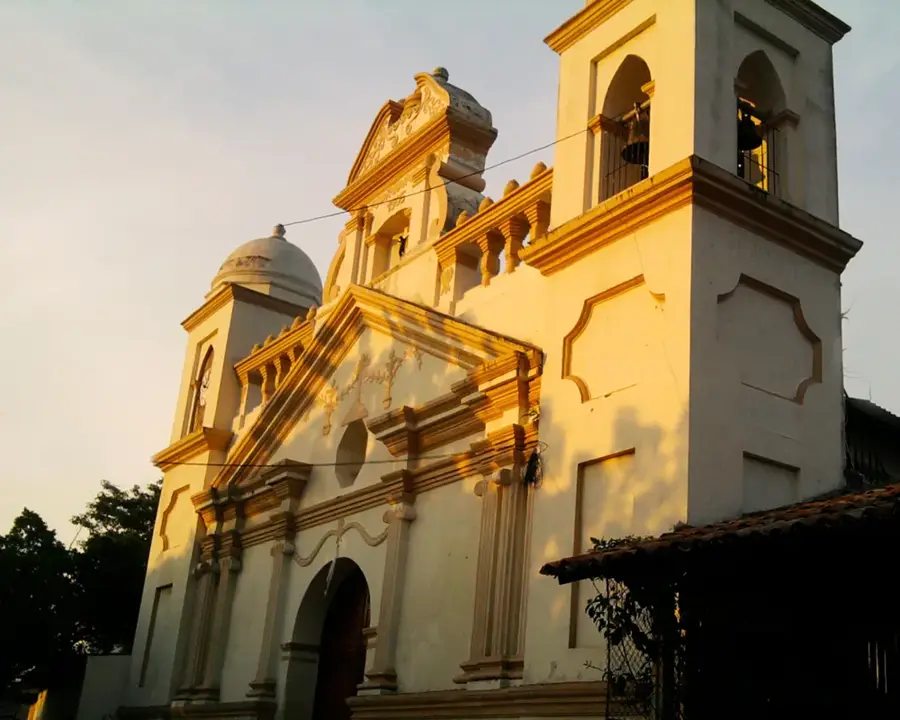
- Visit the Iglesia de Santiago Apóstol on the main square, one of El Salvador's oldest surviving colonial churches.
- Start your hike early in the morning to avoid the midday heat on the volcano.
- Cash is essential here; bring enough small bills for local transport and food stalls.
🍽 Food
Try the national dish filled with cheese and beans at the eateries around the main square.
Fried cassava root, often served with chicharrón, available from local street vendors.
Fresh seafood soup, best enjoyed at the family-run restaurants on the nearby coast.
🛍 Shopping · 🧘 Quiet spots
Buy freshly roasted coffee beans grown on the slopes of the Conchagua volcano.
Around the central park, you can find small stalls selling local handicrafts.
A peaceful spot to sit under the shade of old trees and observe the quiet village life.
The lower forested paths of the volcano offer a quiet retreat into nature.
Water temperature…
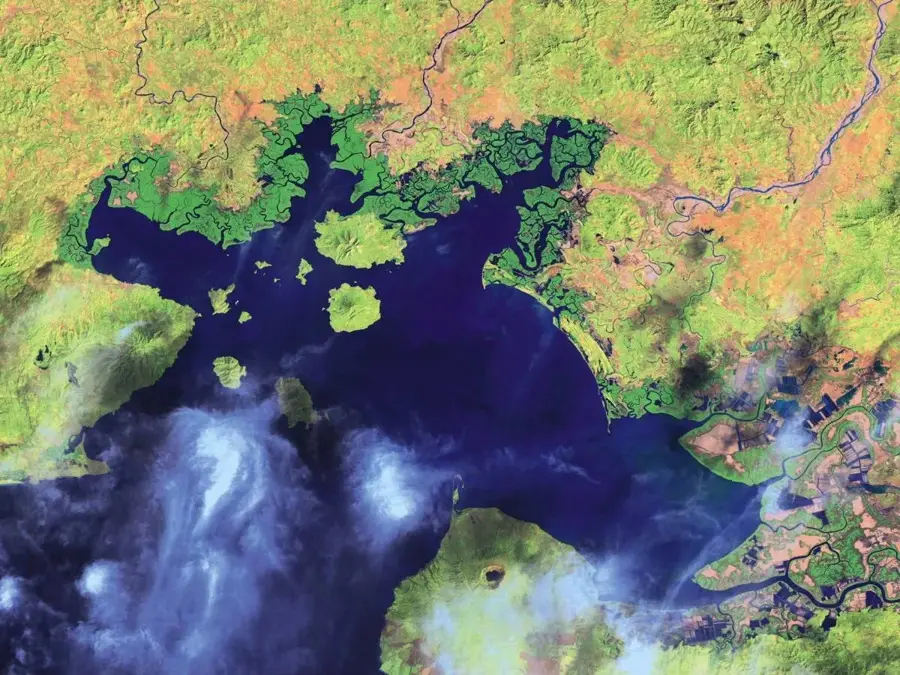
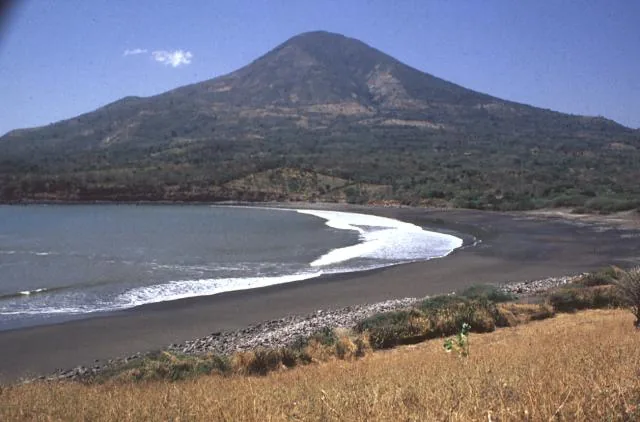
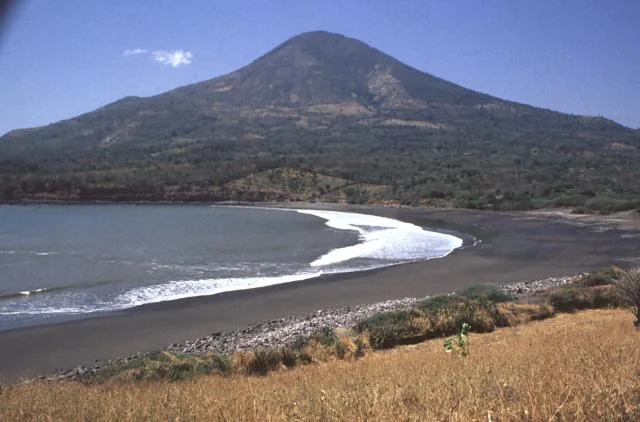
Conchagua is located in the La Unión department in the far southeast of El Salvador, set at the base of the volcano that shares its name. The town was officially founded in 1543 and is primarily known for its well-preserved colonial architecture. A central landmark is the Santiago Apóstol Church, completed in 1693, which is recognized as one of the oldest churches still in active use in the country. Geographically, the region gives sweeping views of the Gulf of Fonseca and the borders of Honduras and Nicaragua from the slopes of the volcano. The local economy relies on grain cultivation and livestock farming, while tourism is steadily growing in importance through nature parks and scenic viewpoints. Historically, the area was a significant settlement center for the Lenca indigenous people, whose cultural legacy lives on in local traditions.
Explore on the map
How well do you know El Salvador?
Find cities, landscapes and regions in 10 varied challenges on the interactive map.
Your journey, your memory
A postcard from Conchagua
Turn your own photo into a personal postcard with a local stamp. Free and no sign-up required.
Create a postcard- Location: El Salvador
- Highlights: Área Natural Protegida Complejo Conchagua · El Espíritu de la Montaña
- Nearby: Playa El Tamarindo (11 km)
- Population: ~3.034 (2012)
Best time to visit & climate
The most pleasant time to visit is Jan, Nov, Dec.
| Jan | Feb | Mar | Apr | May | Jun | Jul | Aug | Sep | Oct | Nov | Dec | |
|---|---|---|---|---|---|---|---|---|---|---|---|---|
| Avg °C | 27 | 28 | 29 | 29 | 28 | 27 | 27 | 27 | 26 | 26 | 26 | 26 |
| Rain mm | 3 | 3 | 6 | 35 | 190 | 199 | 136 | 186 | 246 | 216 | 41 | 10 |
Geography
Facts
- Founded in 1543 by Spanish colonizers
- The Santiago Apóstol Church dates back to 1693
- Conchagua Volcano reaches an elevation of 1,225 meters
- The town celebrates its patronal festival every July
- Located in the La Unión department near the Pacific coast
- Houses significant archaeological traces of the Lenca culture
Explore nearby
Notable places around
Route planner — Car & Motorhome
Where do you start? We build the route here, with stops and country notes along the way.
© OpenStreetMap contributors · OpenRouteService
Sights in the town Conchagua (2)
Frequently asked questions
What is the highlight in Conchagua?
Do I need a guide for the hike?
How much time to plan?
Is it family-friendly?
What is the best travel time?
Conchagua: where is it located?
Conchagua: what is there to see?
Conchagua: when is the best time to visit?
Conchagua: why is it worth visiting?

Nearby cities
More places