Plizio Visual Lab
Samana
ℹ️Practical info — Samana
▾
🌤 Weather — 5 days
📍 Nearby
Sights nearby
💡 Tips
- The best time for whale watching is between mid-January and late March; book tours in advance.
- Bring cash (Dominican pesos) for small purchases along the Malecón, as cards aren't always accepted.
- Public gua-guas (minibuses) to Las Galeras or Las Terrenas depart from the main market area and are cheap but crowded.
- A short boat ride or walking via the pedestrian bridge takes you to the bridges to nowhere (Puentes de Samaná).
🍽 Food
Local fish in coconut sauce, found in small restaurants along the Malecón.
Freshly fried plantains and fish at the beachside shacks near the harbor.
Crispy fried dough sold by street vendors near the main square.
🛍 Shopping · 🧘 Quiet spots
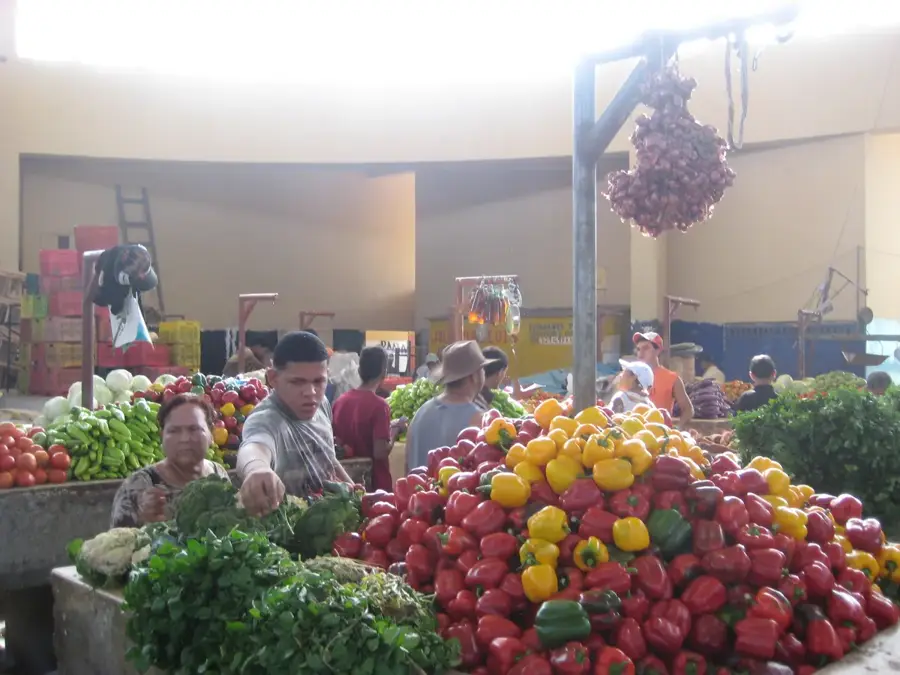
Locally made coconut oil available at the municipal market.
Small souvenir shops along the Avenida Marina.
The bridges connecting small islands in the bay offer a scenic, breezy walk.
The seaside promenade is relatively peaceful for an early morning stroll.
Water temperature…
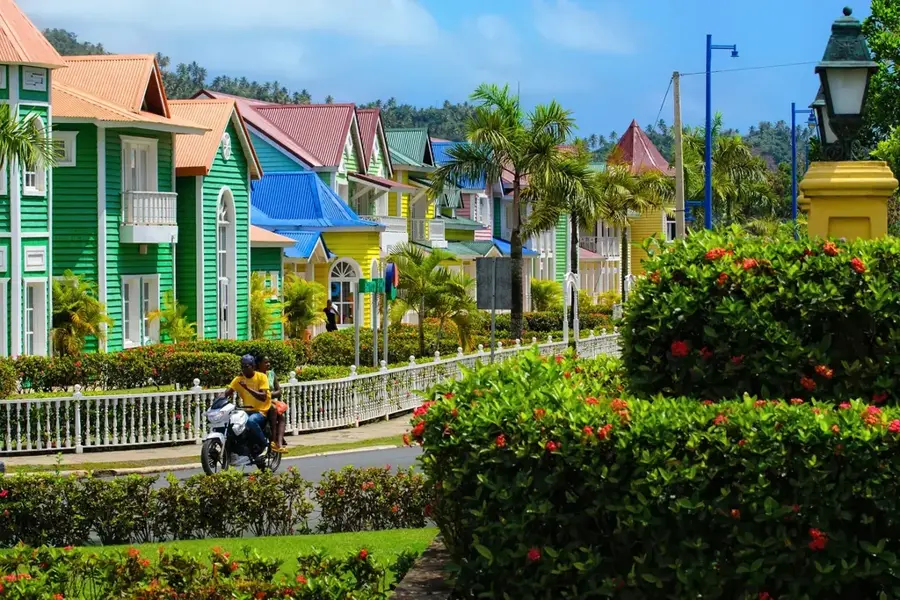
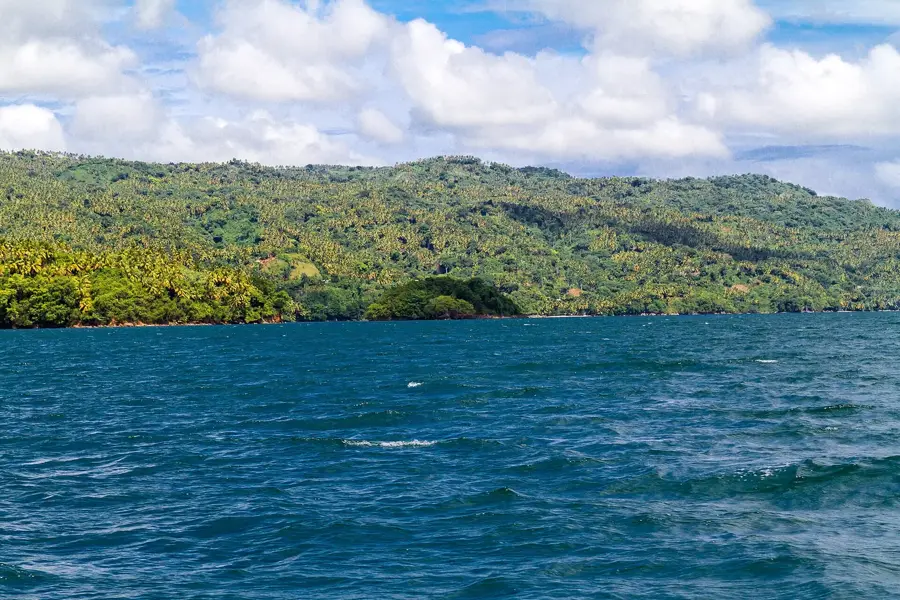
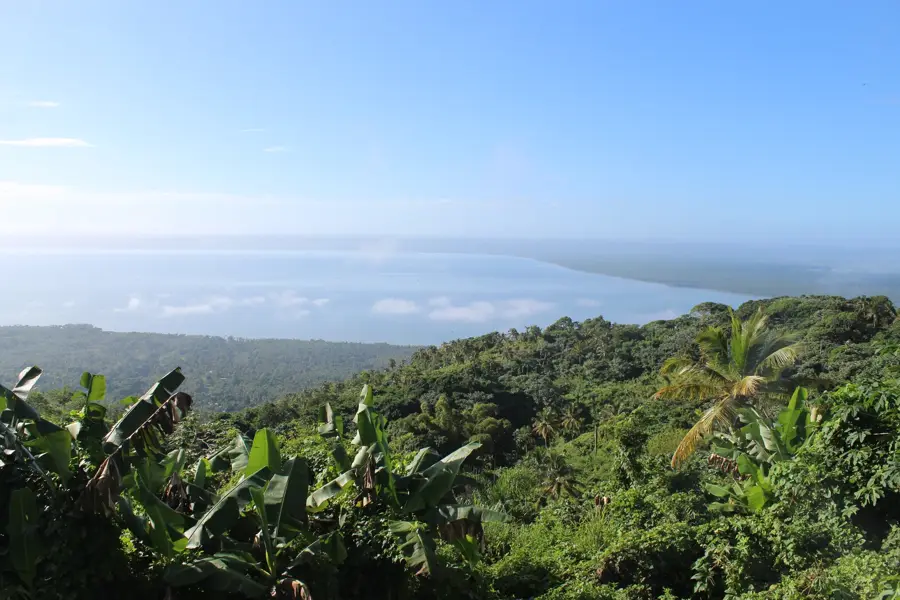
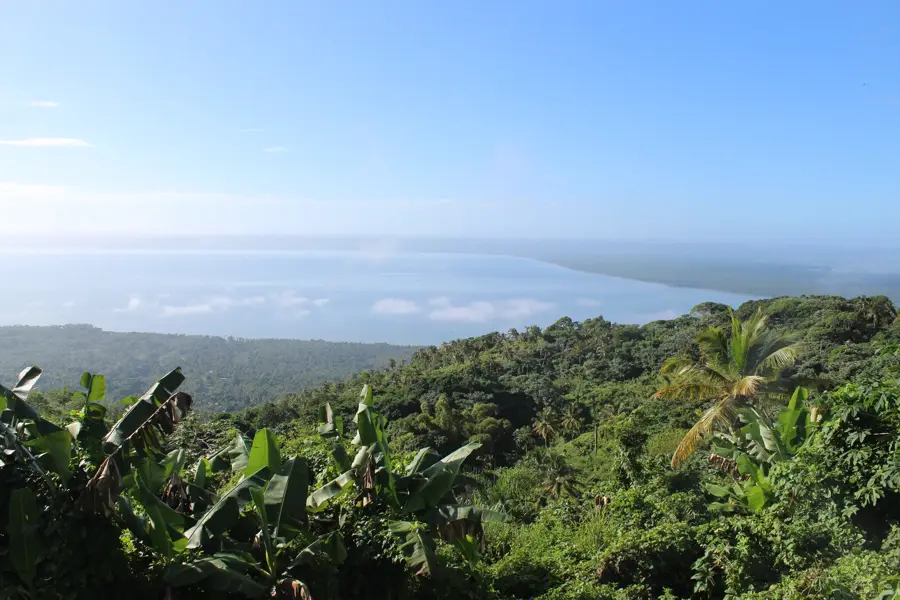
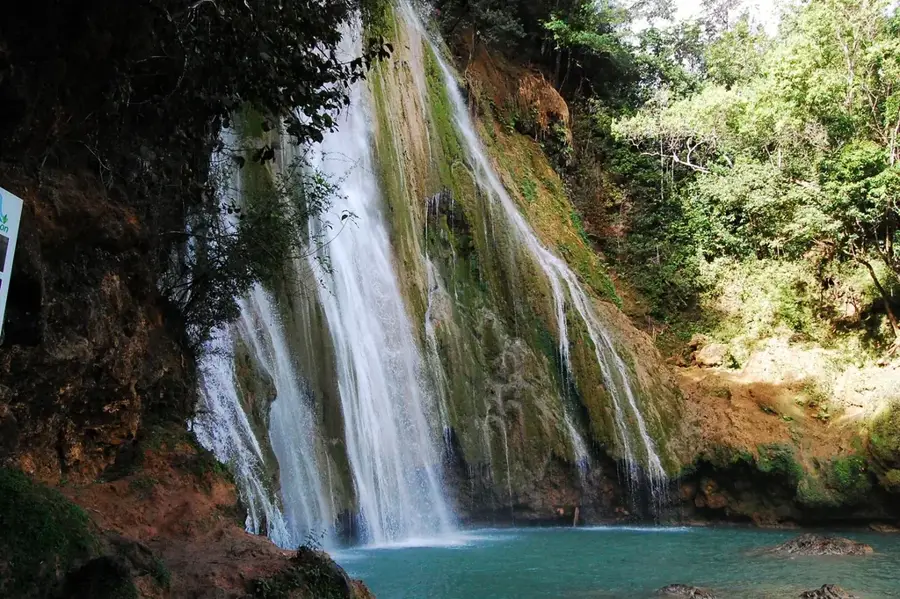
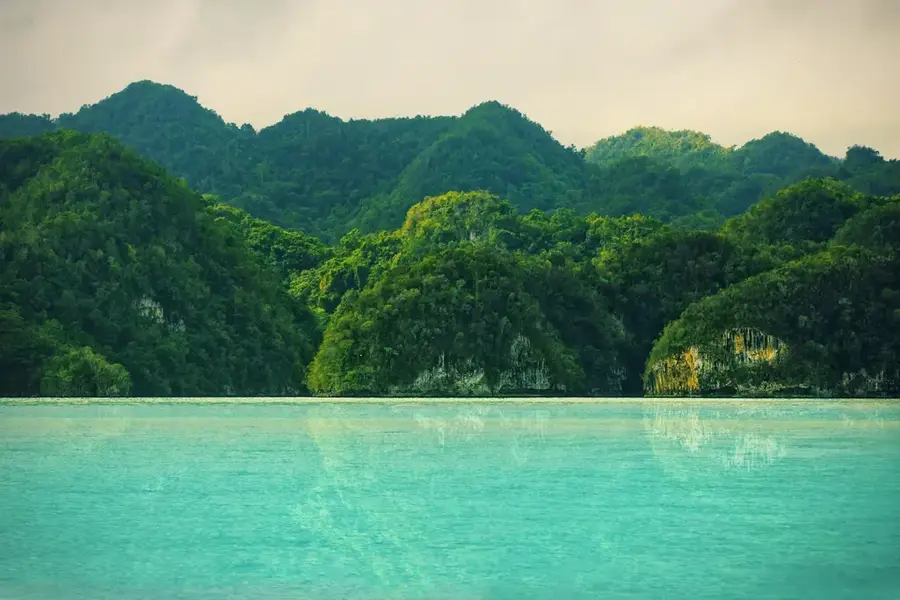
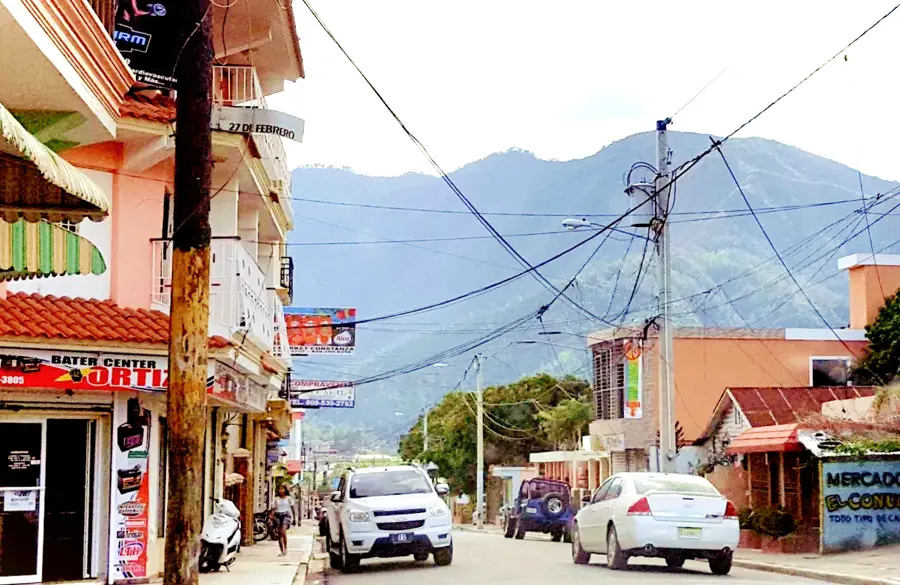
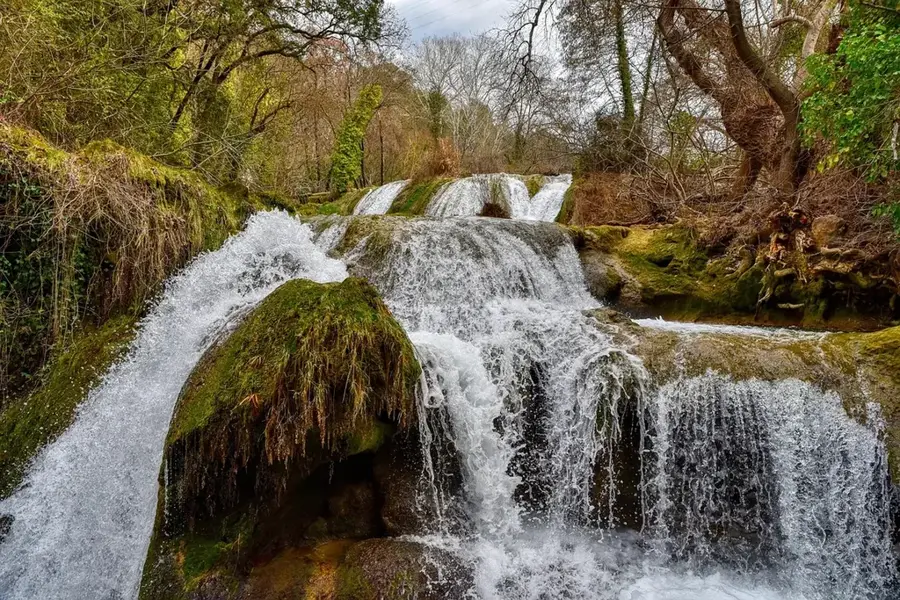
Samaná, officially Santa Bárbara de Samaná, serves as the gateway to one of the Caribbean's most ecologically diverse peninsulas. Founded in 1756, the town sits on a protected bay that has gained international fame as a primary mating and birthing ground for Atlantic humpback whales. Every year between January and March, thousands of these majestic marine mammals migrate from the North Atlantic, making Samaná a premier destination for sustainable whale-watching tourism. The town's aesthetic is defined by its 'Casitas de Colores,' animated Victorian-style wooden buildings that maintain a colonial Caribbean charm despite modern renovations. Geographically, Samaná is the handy base for exploring Los Haitises National Park and the spectacular El Limón waterfall. The region is also blanketed in dense coconut groves, making Samaná the country's top coconut producer. A unique historical aspect is the influence of freed African Americans who immigrated in 1824, bringing distinct spirituals, culinary traditions, and English-speaking heritage. The pedestrian bridge (Puente de los Cayos) connecting the mainland to nearby cays is a landmark symbol of the city's coastal identity.
Explore on the map
How well do you know Dominican Republic?
Find cities, landscapes and regions in 10 varied challenges on the interactive map.
Your journey, your memory
A postcard from Samana
Turn your own photo into a personal postcard with a local stamp. Free and no sign-up required.
Create a postcard- Location: Dominican Republic
- Highlights: Whale Museum of Samana · Playa Nandy · Santana
- Nearby: Sabana de la Mar (17 km)
- Population: ~11.432 (2026)
Best time to visit & climate
The most pleasant time to visit is Jan–Mar.
| Jan | Feb | Mar | Apr | May | Jun | Jul | Aug | Sep | Oct | Nov | Dec | |
|---|---|---|---|---|---|---|---|---|---|---|---|---|
| Avg °C | 25 | 25 | 25 | 26 | 27 | 28 | 28 | 28 | 28 | 27 | 26 | 25 |
| Rain mm | 45 | 32 | 32 | 50 | 81 | 46 | 63 | 68 | 70 | 67 | 83 | 57 |
History & landmarks
1756
Geography
Facts
- The town was established in 1756 by Governor Francisco de Rubio y Peñaranda.
- The bay is recognized as one of the world's most important humpback whale sanctuaries.
- A massive fire in 1946 led to the reconstruction of many of the town's iconic colorful houses.
- The local population includes descendants of freed African Americans who arrived in 1824.
- The Samaná Peninsula produces over 60 million coconuts annually, leading the national market.
- The Puente de los Cayos spans nearly 500 meters, connecting the mainland to Cayo Linares and Cayo Vigía.
Explore nearby
Notable places around
Route planner — Car & Motorhome
Where do you start? We build the route here, with stops and country notes along the way.
© OpenStreetMap contributors · OpenRouteService
Sights in the town Samana (5)
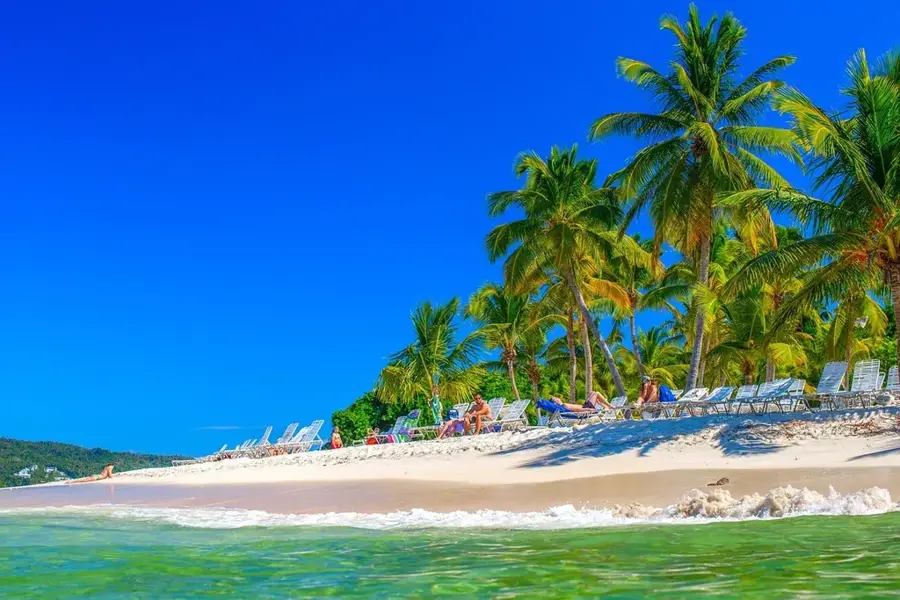
Playa Nandy🎡 recreation
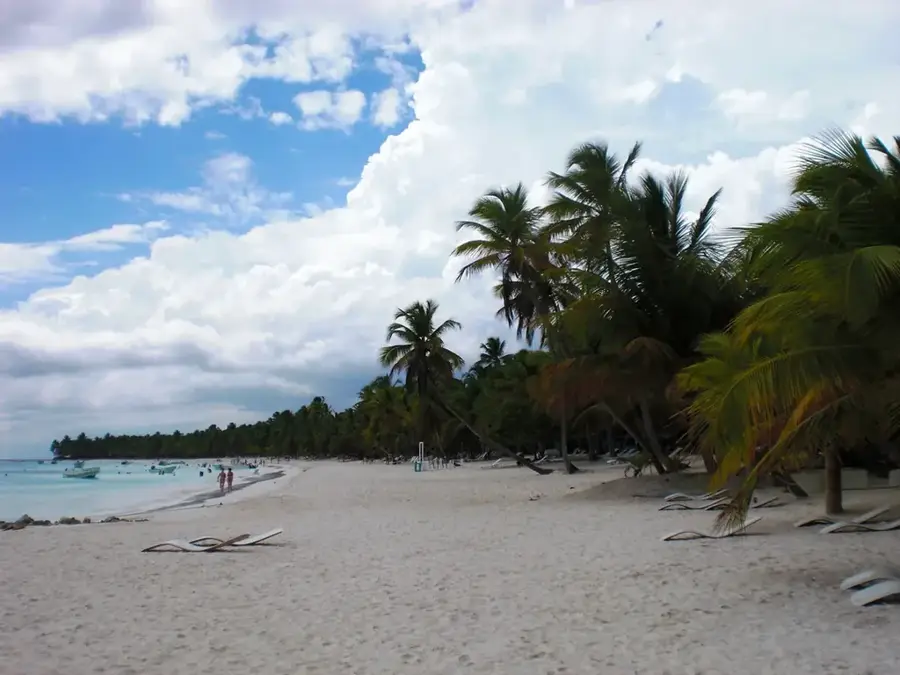
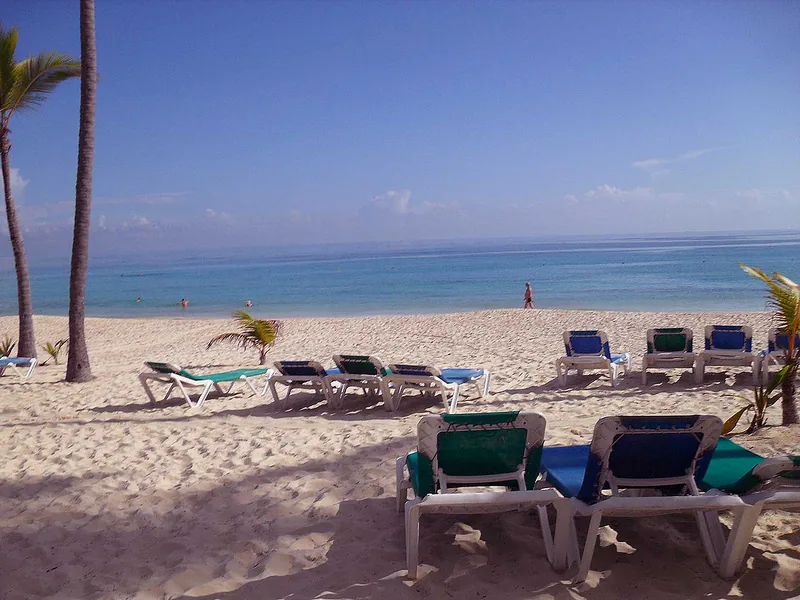
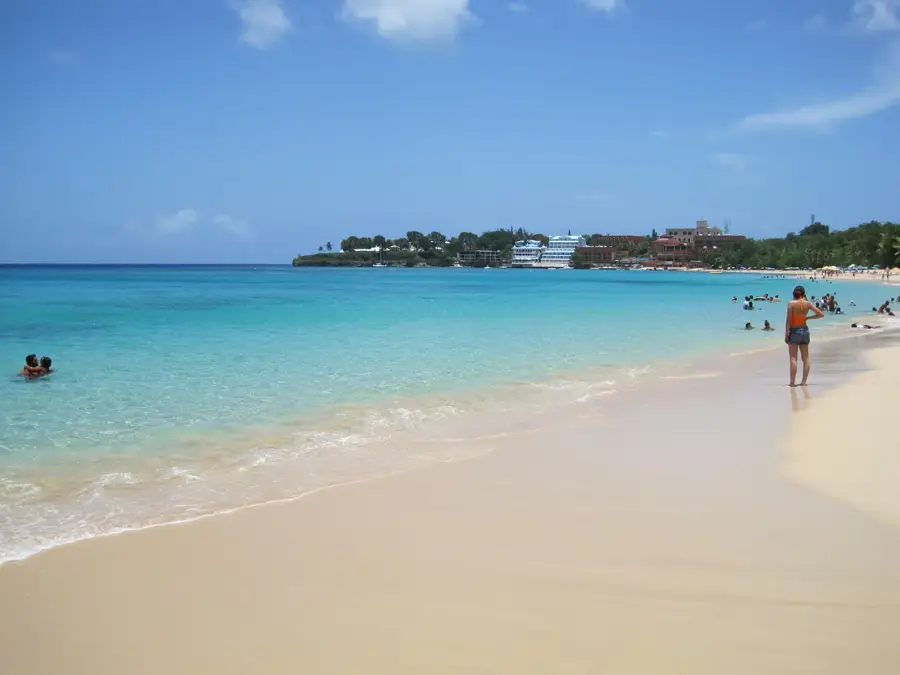
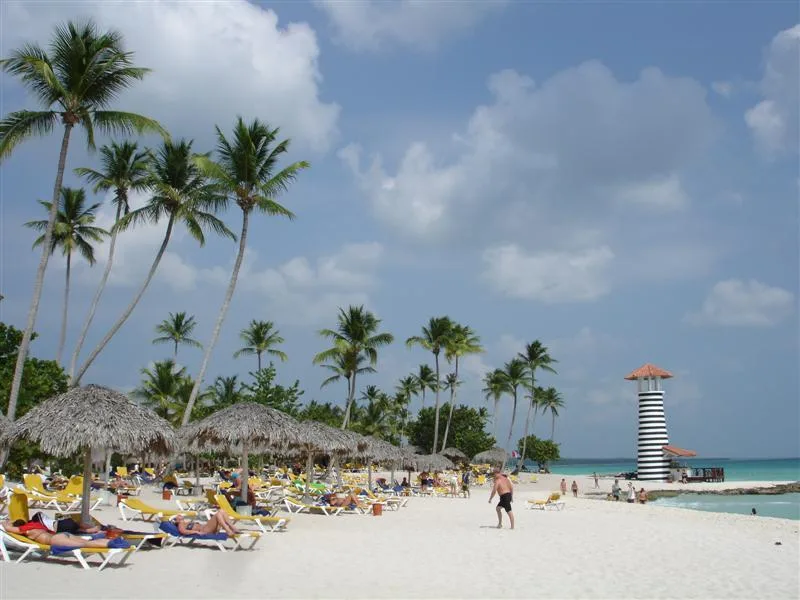
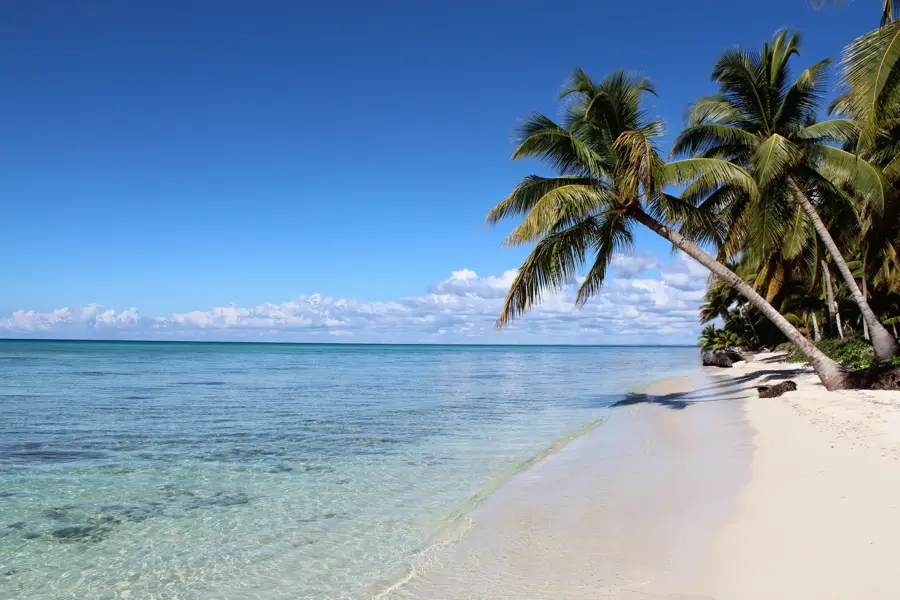
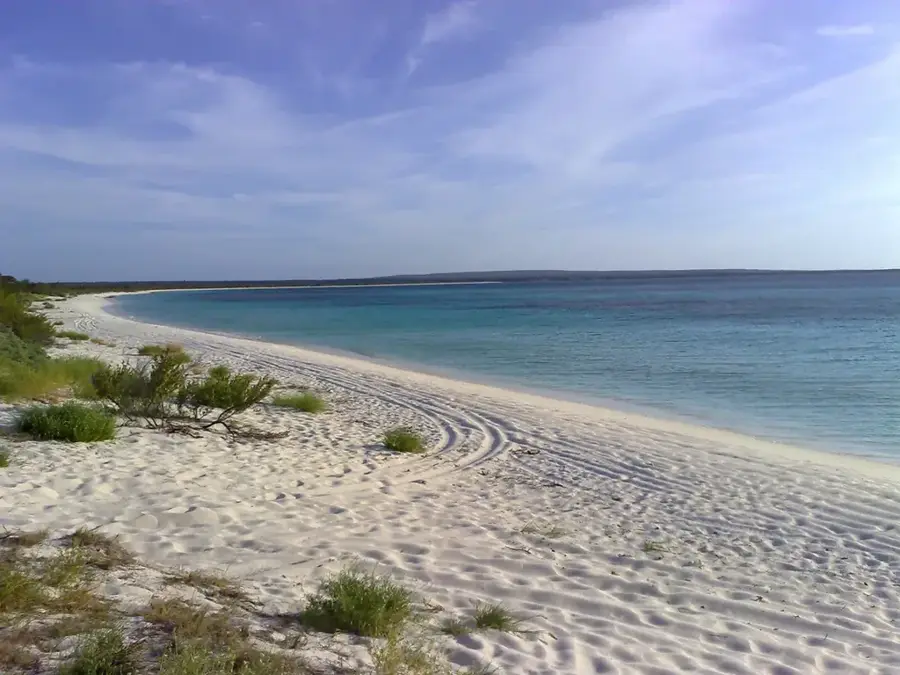
Anyone searching for quiet coastal moments in Samaná will find them at Playa Nandy. This inviting beach section provides an excellent backdrop to simply disconnect from everyday life and gaze out at the sea. During a relaxing walk across the sand, visitors can fully immerse themselves in the Caribbean nature.
Playa Cayacoa📍 landmark
Playa Cayacoa combines a beautiful stretch of beach with a characterful excursion destination in the Samaná region. Visitors appreciate the special interplay between the coast and the natural surroundings, which invites both exploration and lingering. This spot is great for travelers wanting to combine Caribbean waters with laid-back beach life.
Frequently asked questions
When can you see whales?
How to get to El Limón waterfall?
Which beach is the best?
Are there bridges in the town?
Is Samaná overcrowded?
Samana: where is it located?
Samana: what is there to see?
Samana: when is the best time to visit?
Samana: why is it worth visiting?
Nearby cities
History & landmarks

Nature
More places