Plizio Visual Lab
Yateras
ℹ️Practical info — Yateras
▾
🌤 Weather — 5 days
📍 Nearby
Sights nearby
💡 Tips
- Visit Palenque, the municipal capital, to experience authentic Changüí music.
- The mountainous terrain means cooler temperatures; bring a light jacket for the evenings.
- Explore the local coffee plantations (cafetales) for a tour of the production process.
- Transport is mostly via 'camiones' (trucks); be prepared for a bumpy but authentic ride.
🍽 Food
Try a strong, sweet espresso at a local farm or café.
A hearty stew, often served in local homes or small paladares.
Enjoy locally grown root vegetables like malanga and yucca as side dishes.
🛍 Shopping · 🧘 Quiet spots
Purchase freshly roasted coffee directly from local producers.
Look for handmade items crafted from local woods in Palenque.
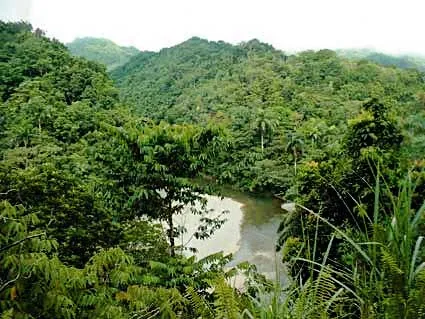
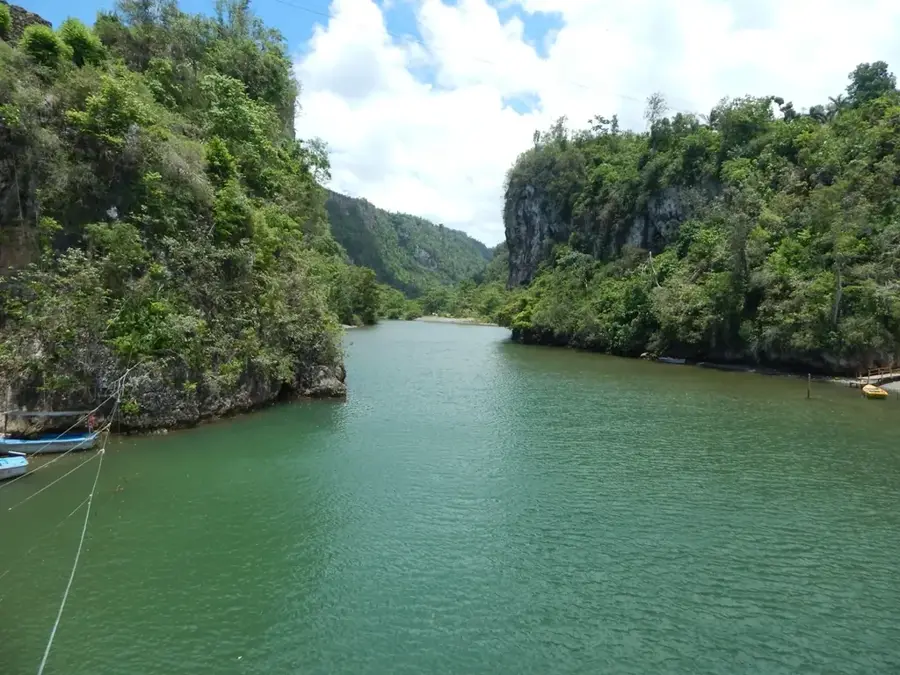
The upper reaches of the river offer pristine, tranquil spots.
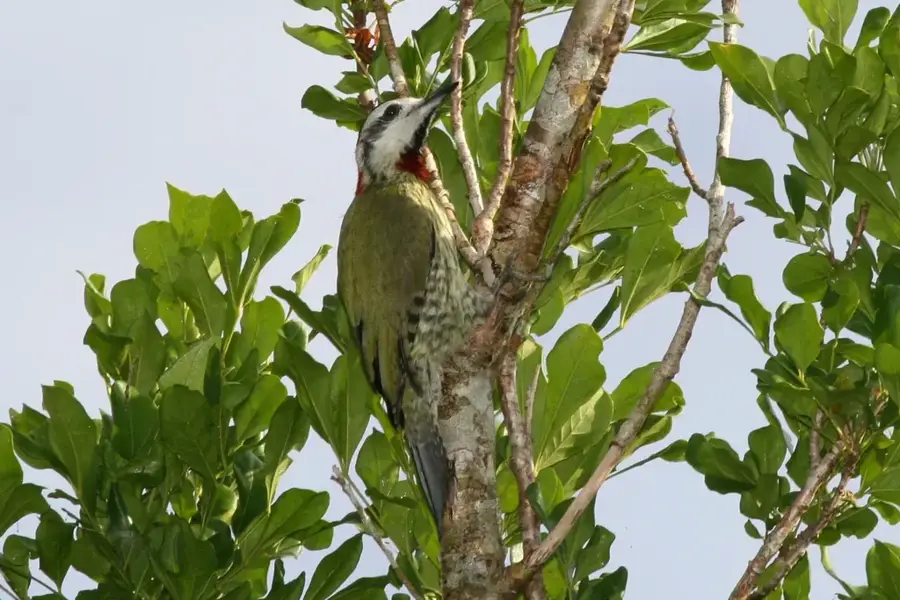
Hike the lush hills around Palenque for bird watching and solitude.
Water temperature…
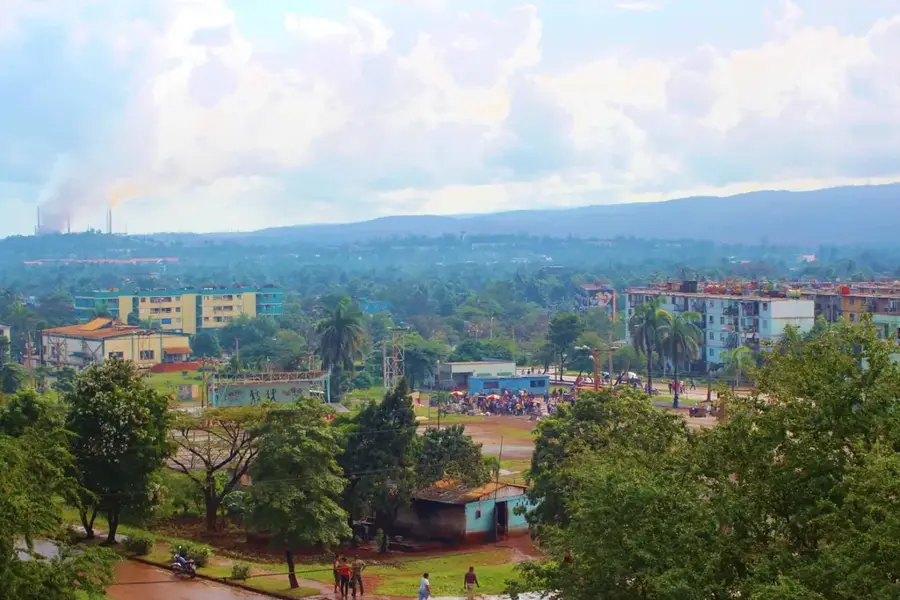
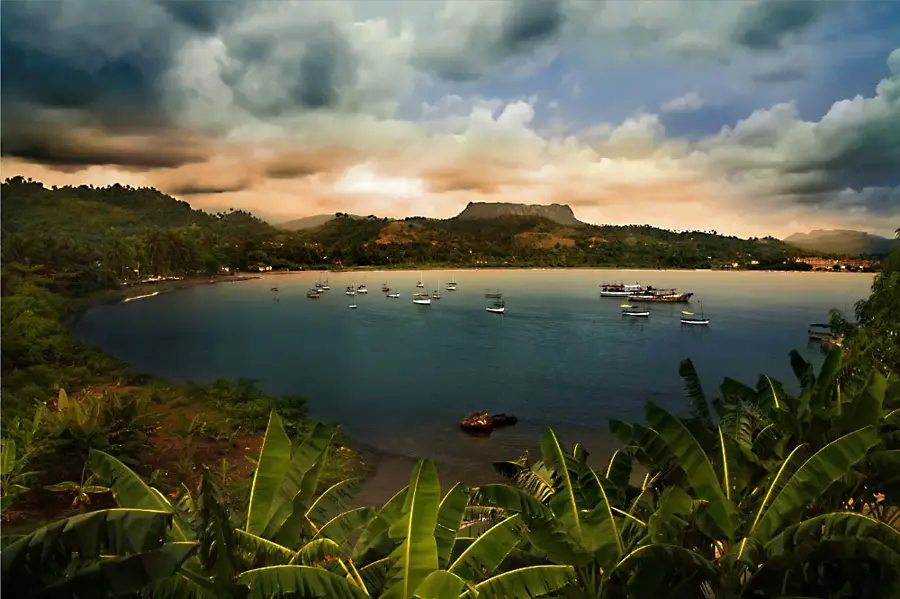
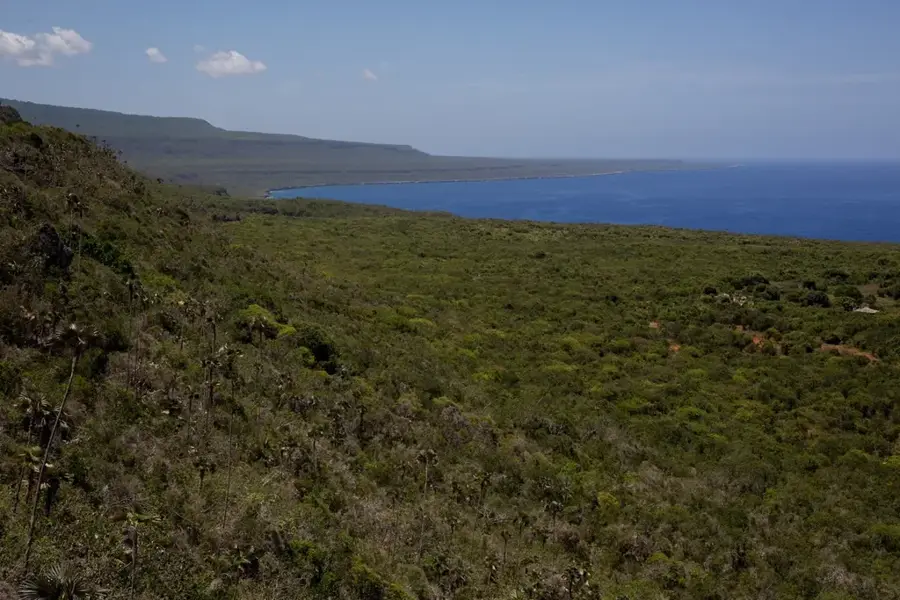
The municipality of Yateras is located in the mountainous highlands of Guantánamo province in eastern Cuba, set within the Sierra de Nipe-Sagua-Baracoa range. The area is defined by its dense forests and a humid mountain climate, which provides optimal conditions for cultivating some of Cuba's finest coffee. Yateras is one of the most hydrographically rich regions on the island, with numerous rivers originating here that are vital for regional water supplies and ecological health. Culturally, the municipality is famous as the cradle of 'Changüí' music, a traditional and rural precursor to the Cuban son that remains a bustling part of local identity. The topography is exceptionally rugged, featuring steep slopes and deep valleys that have hindered large-scale urban development but helped preserve a high degree of biodiversity. A notable cultural site is the Stone Zoo (Zoológico de Piedra), a unique outdoor gallery featuring hundreds of animals carved into the natural rock faces by a local self-taught artist. The economy is primarily supported by coffee farming, forestry, and cocoa production.
Explore on the map
How well do you know Cuba?
Find cities, landscapes and regions in 10 varied challenges on the interactive map.
Your journey, your memory
A postcard from Yateras
Turn your own photo into a personal postcard with a local stamp. Free and no sign-up required.
Create a postcard- Location: Cuba
- Nearby: Manuel Tames (23 km)
Best time to visit & climate
The most pleasant time to visit is Jan–Mar.
| Jan | Feb | Mar | Apr | May | Jun | Jul | Aug | Sep | Oct | Nov | Dec | |
|---|---|---|---|---|---|---|---|---|---|---|---|---|
| Avg °C | 23 | 23 | 24 | 25 | 26 | 27 | 27 | 27 | 27 | 26 | 24 | 24 |
| Rain mm | 23 | 18 | 21 | 32 | 63 | 57 | 33 | 42 | 60 | 117 | 66 | 32 |
Geography
Facts
- Yateras is widely recognized as the birthplace of the Changüí musical genre.
- The Stone Zoo (Zoológico de Piedra) features more than 400 rock carvings.
- Coffee is the primary agricultural product and economic driver of the area.
- The municipality is located in one of the highest rainfall zones in Cuba.
- Much of the territory sits at elevations exceeding 1,000 meters above sea level.
- The municipality was officially created during the 1976 territorial reform.
Explore nearby
Notable places around
Route planner — Car & Motorhome
Where do you start? We build the route here, with stops and country notes along the way.
© OpenStreetMap contributors · OpenRouteService
Frequently asked questions
What is special about Yateras?
Who created the stone sculptures?
Where is Yateras located?
Is the path strenuous?
What is Changüí?
Yateras: where is it located?
Yateras: when is the best time to visit?
Yateras: why is it worth visiting?

Nearby cities
Nature
More places