Plizio Visual Lab
El Yunque
Weather…
Water temperature…
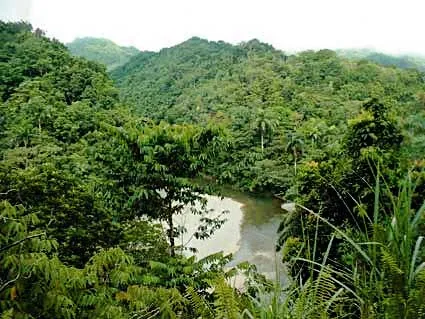
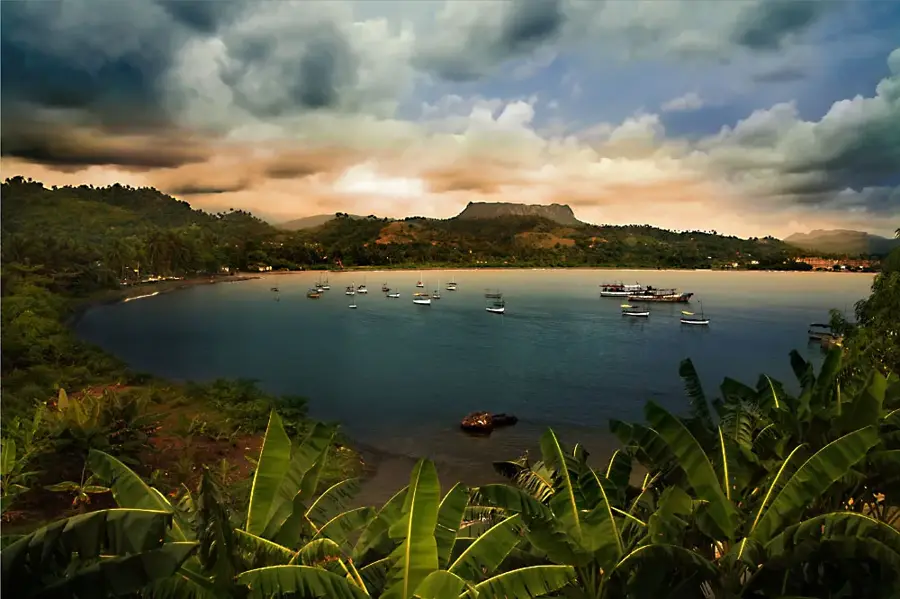
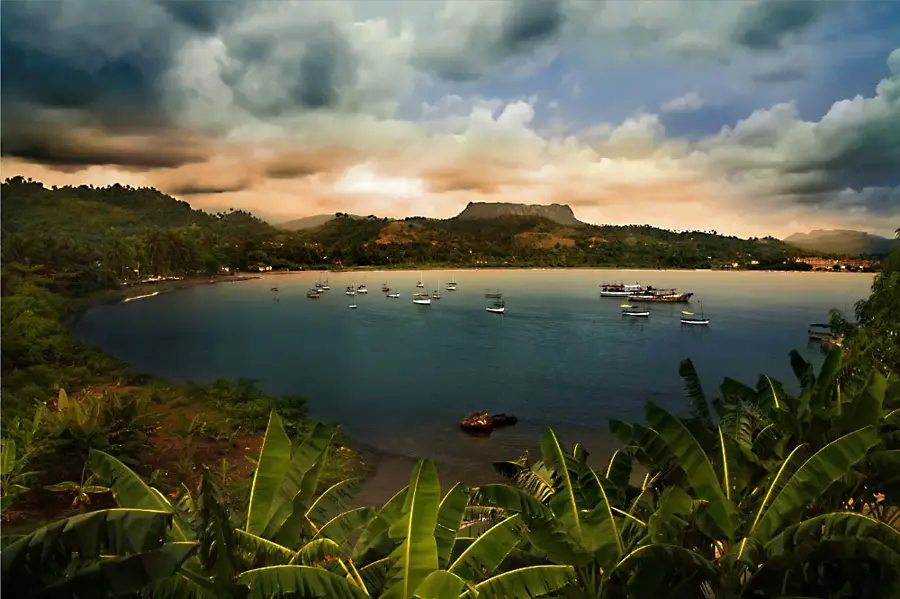
El Yunque is a prominent table mountain located approximately 10 kilometers west of the city of Baracoa in eastern Cuba. Rising to an elevation of 575 meters above sea level, it is an unmistakable landmark of the region and was designated a National Monument in 1979. The name "El Yunque" is Spanish for "The Anvil," referring to the mountain's characteristic flat-topped shape. The plateau is surrounded by dense tropical rainforest that hosts a vast array of endemic flora and fauna. Christopher Columbus mentioned the mountain in his logbook during his first voyage in 1492, describing it as a key navigational landmark. Due to the high humidity and frequent rainfall, the vegetation on the mountain is exceptionally lush, featuring rare species of orchids and ferns. Climbing to the summit provides panoramic views of the Bay of Baracoa and the surrounding mountain ranges.
Explore on the map
How well do you know Cuba?
Find cities, landscapes and regions in 10 varied challenges on the interactive map.
Your journey, your memory
A postcard from El Yunque
Turn your own photo into a personal postcard with a local stamp. Free and no sign-up required.
Create a postcard- Location: Cuba
- Nearby: Baracoa (9 km)
Best time to visit & climate
The most pleasant time to visit is Jan–Mar.
| Jan | Feb | Mar | Apr | May | Jun | Jul | Aug | Sep | Oct | Nov | Dec | |
|---|---|---|---|---|---|---|---|---|---|---|---|---|
| Avg °C | 25 | 25 | 25 | 26 | 27 | 28 | 28 | 28 | 28 | 28 | 27 | 26 |
| Rain mm | 35 | 23 | 32 | 41 | 97 | 77 | 51 | 69 | 93 | 142 | 81 | 41 |
📋 Practical info
Geography
Facts
- El Yunque de Baracoa stands at an altitude of 575 meters above sea level.
- It was declared a Cuban National Monument in 1979 for its natural value.
- Christopher Columbus recorded the mountain in his diary on November 27, 1492.
- Its name means 'The Anvil' in Spanish due to its distinctive flat summit.
- The mountain is located within the Cuchillas del Toa Biosphere Reserve.
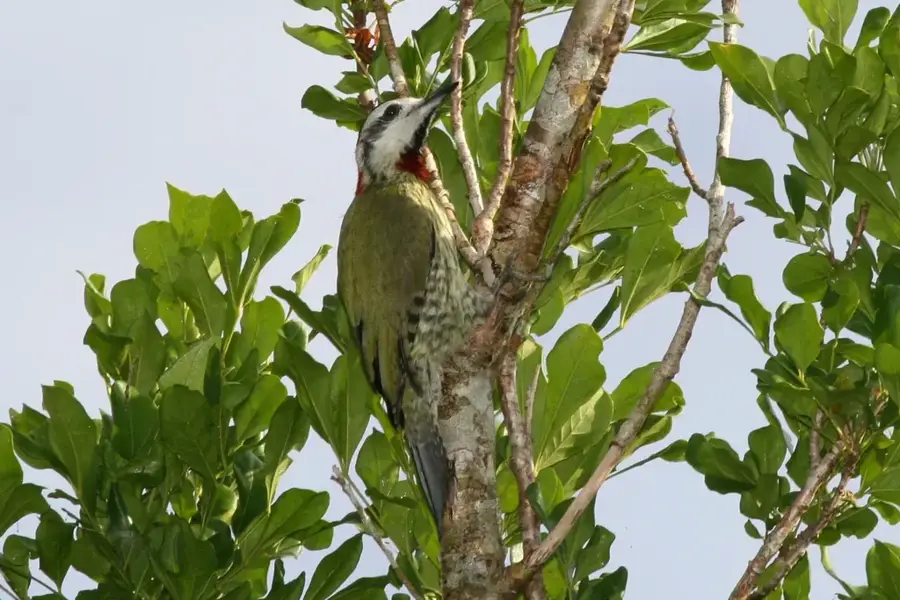
- The area is home to the rare and endemic Cuban dwarf hawk.
Explore nearby
Notable places around

Route planner — Car & Motorhome
Where do you start? We build the route here, with stops and country notes along the way.
© OpenStreetMap contributors · OpenRouteService
Sights in the town El Yunque (1)
Sights nearby
Frequently asked questions
How high is El Yunque mountain?
Is it allowed to climb the mountain alone?
What happens if it rains?
Are there refreshments at the foot of the mountain?
How long does the climb take?
El Yunque: where is it located?
El Yunque: when is the best time to visit?
El Yunque: why is it worth visiting?
Nearby cities
Nature
More places