Plizio Visual Lab
Moa
ℹ️Practical info — Moa
▾
🌤 Weather — 5 days
📍 Nearby
Sights nearby
💡 Tips
- Expect red dust everywhere due to the nickel mining; avoid wearing your best white clothes.
- Tourism infrastructure is limited as it's an industrial hub, so book accommodations in advance.
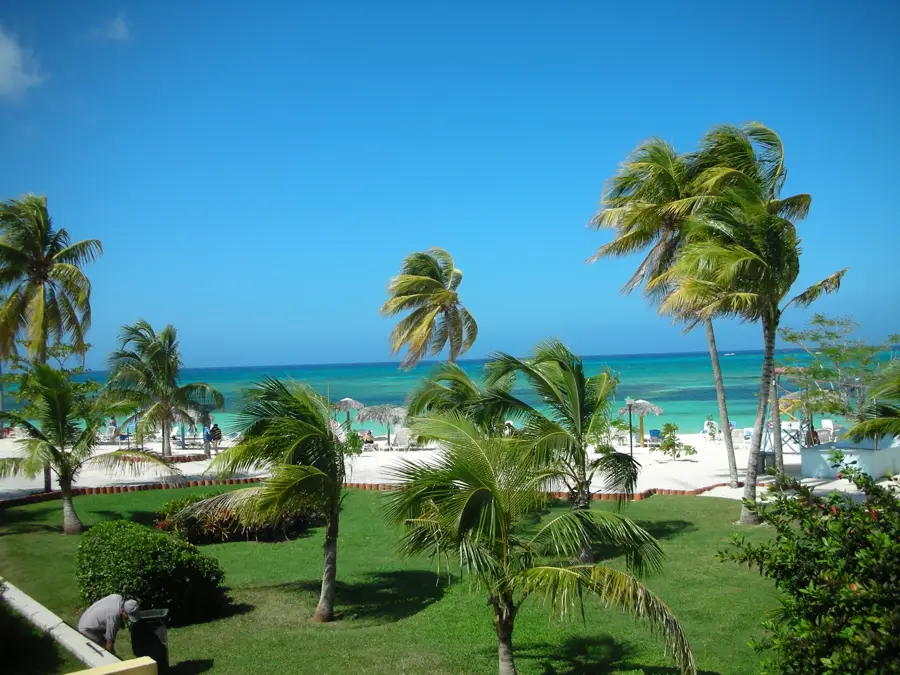
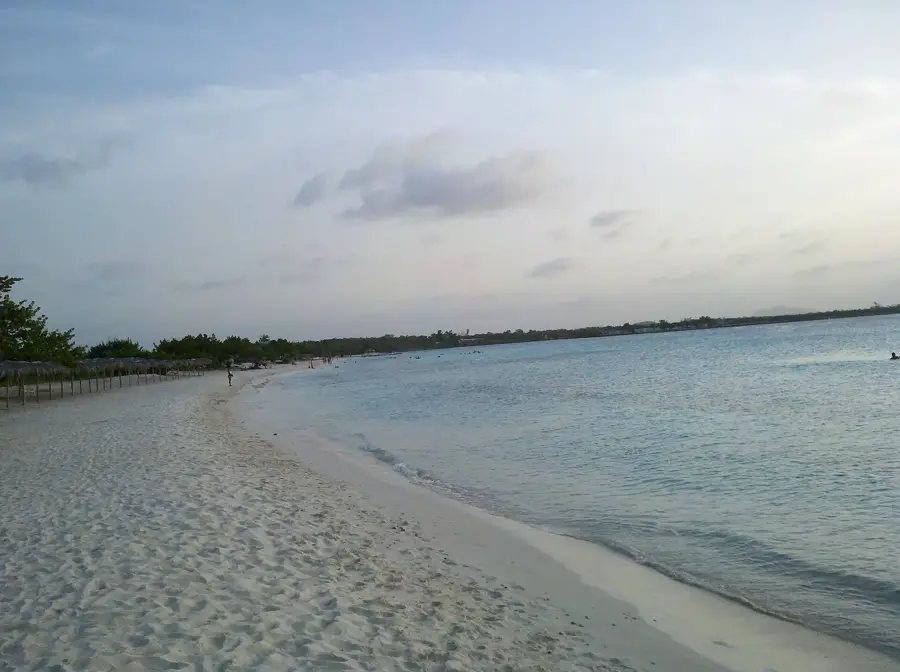
- For better beaches, head out of the city towards Baracoa.
- Public transport is scarce; rely on local taxis or shared rides.
🍽 Food
Try the fresh catch of the day at local paladares near the coast.
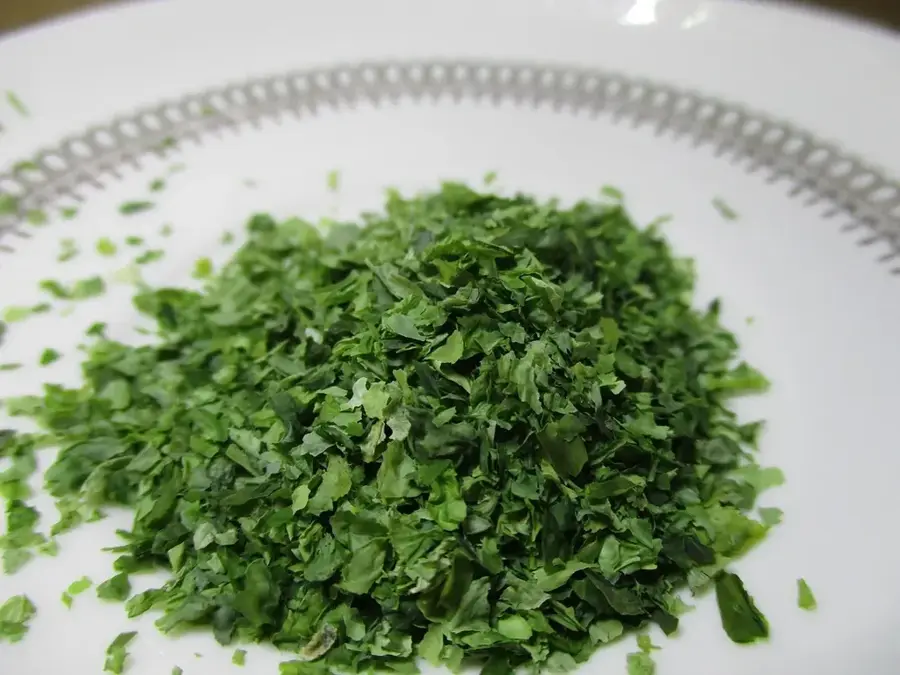
Grab this classic roasted pork sandwich from street vendors.
Enjoy a strong, sweet espresso at a local cafeteria.
🛍 Shopping · 🧘 Quiet spots
Visit the local 'agro' for fresh tropical fruits.
Shops carry essentials, but don't expect tourist-oriented souvenirs.
Walk along the coastline away from the industrial port for some fresh air.
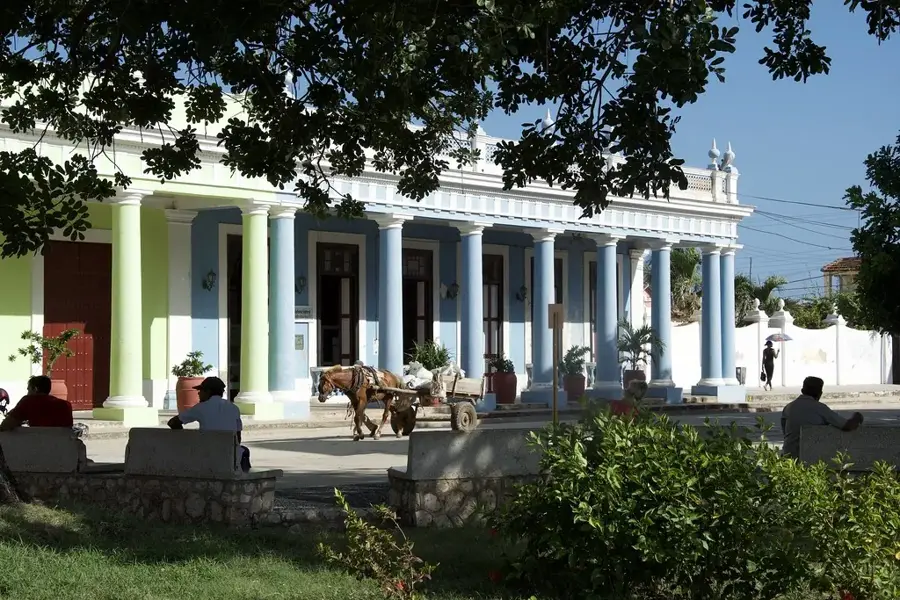
Sit on a shaded bench in one of the central plazas to watch local life.
Water temperature…
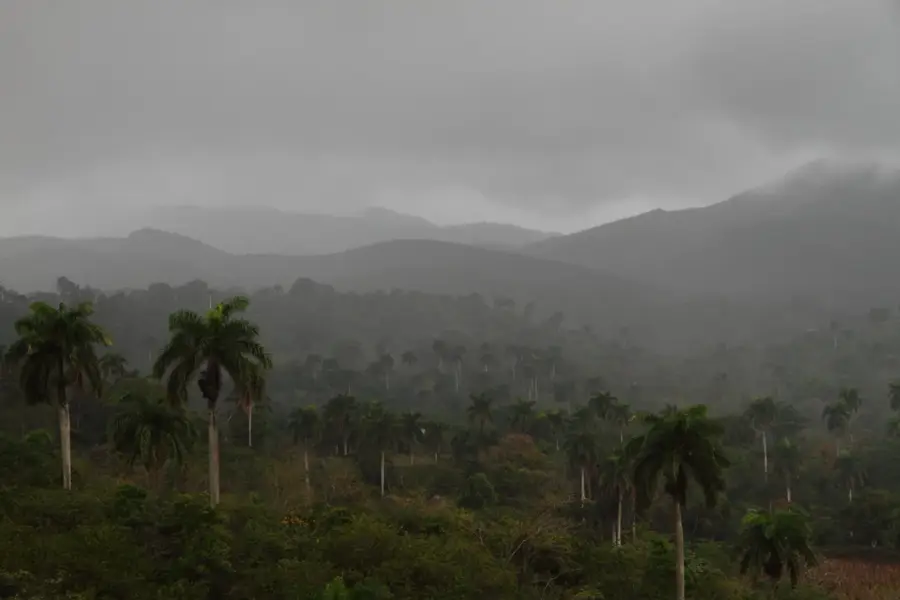
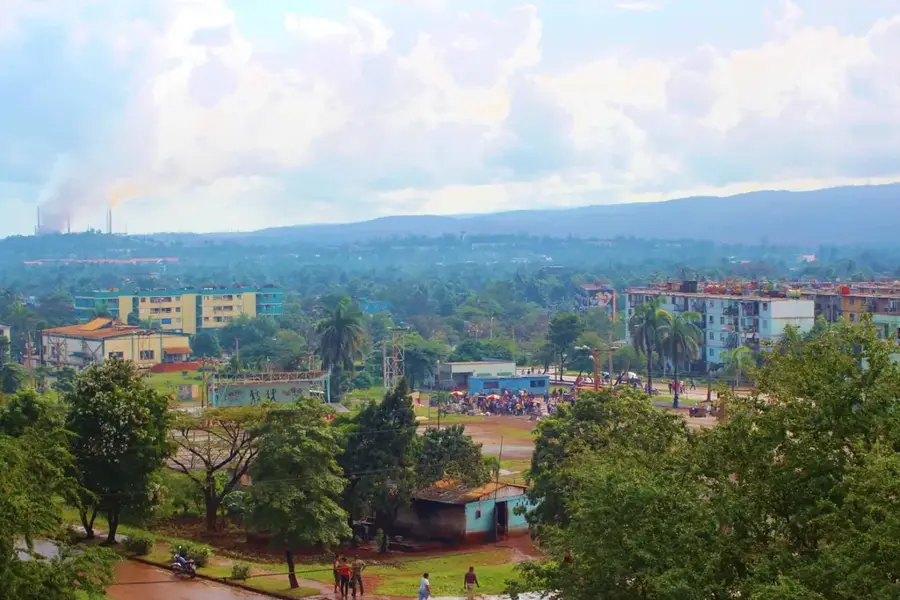
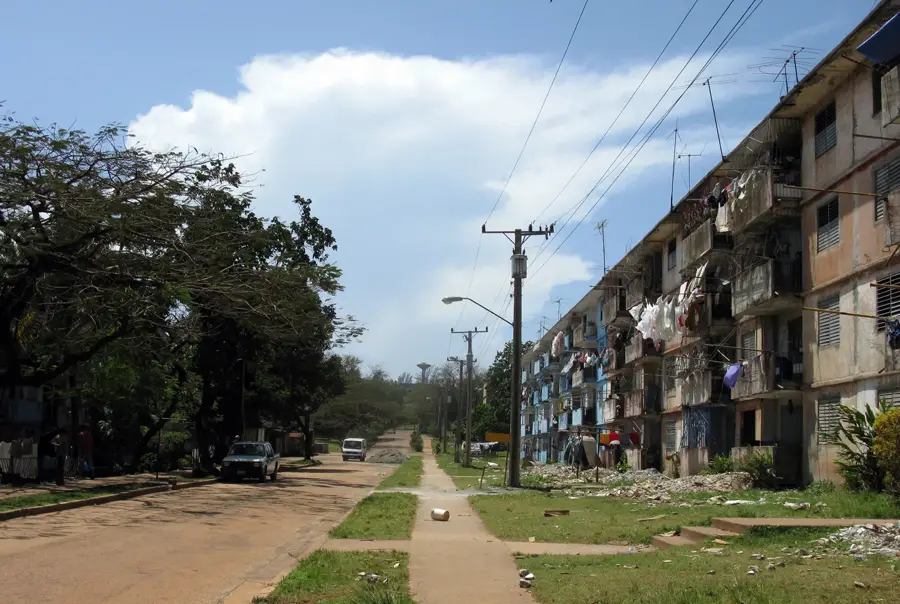
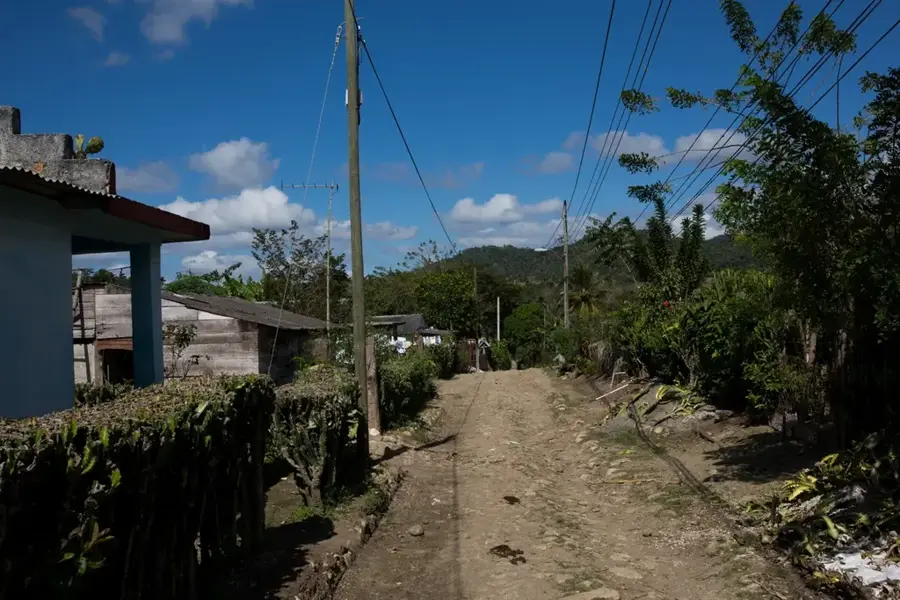
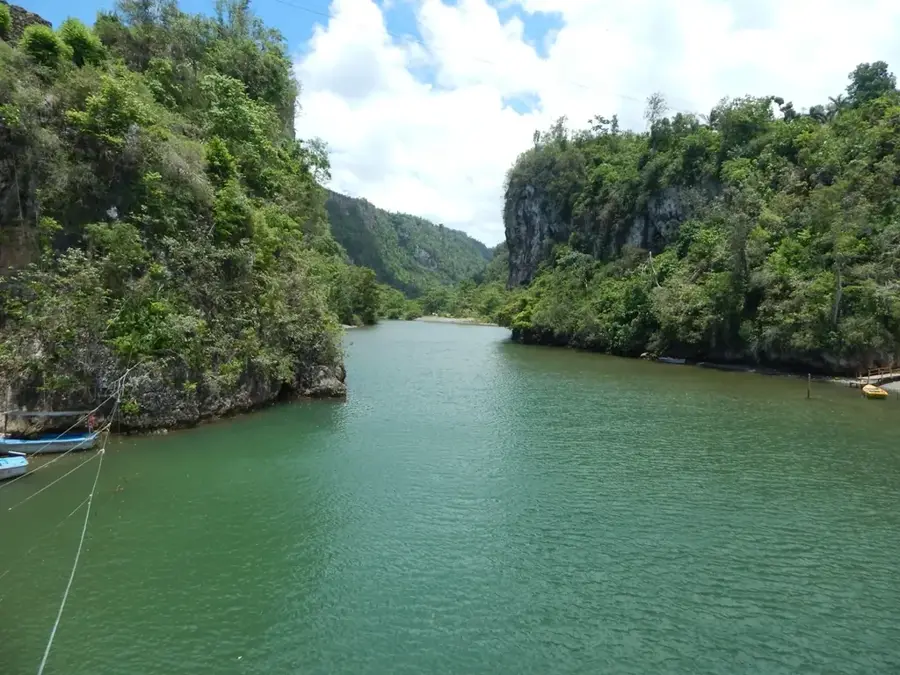
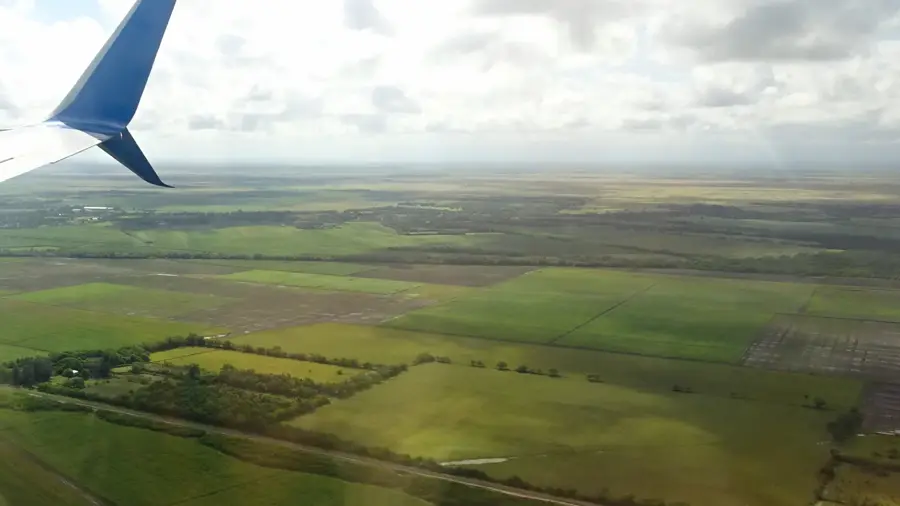
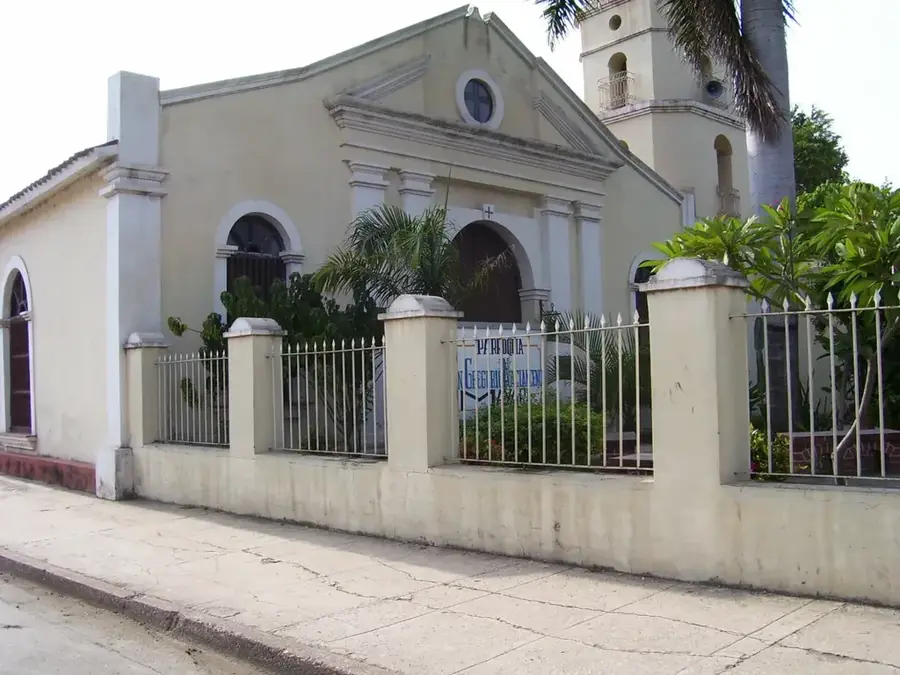
Moa is a major industrial hub located on the northeastern coast of Holguín Province, recognized as the nickel capital of Cuba. The city is defined by massive industrial complexes, particularly the Ernesto Che Guevara and Pedro Sotto Alba plants, which are among the world's largest producers of nickel and cobalt. Industrial exploitation began in the 1950s, transforming what was once a remote fishing village into a modern industrial city with a skyline characterized by chimneys and vast pipeline networks. The surrounding landscape is marked by the reddish hue of lateritic soils, which are exceptionally rich in mineral ores. Geographically, Moa is situated in a high-rainfall region near the Alejandro de Humboldt National Park, creating a sharp contrast between the industrial zone and pristine natural environments. The Port of Moa is vital for the export of processed metals to international markets. Despite its industrial focus, the city is a critical driver for the economic development of eastern Cuba.
Explore on the map
How well do you know Cuba?
Find cities, landscapes and regions in 10 varied challenges on the interactive map.
Your journey, your memory
A postcard from Moa
Turn your own photo into a personal postcard with a local stamp. Free and no sign-up required.
Create a postcard- Location: Cuba
- Nearby: Sagua de Tánamo (31 km)
- Population: ~92.852 (2023)
Best time to visit & climate
The most pleasant time to visit is Jan–Mar.
| Jan | Feb | Mar | Apr | May | Jun | Jul | Aug | Sep | Oct | Nov | Dec | |
|---|---|---|---|---|---|---|---|---|---|---|---|---|
| Avg °C | 23 | 23 | 24 | 25 | 26 | 27 | 27 | 27 | 27 | 26 | 24 | 24 |
| Rain mm | 23 | 18 | 21 | 32 | 63 | 57 | 33 | 42 | 60 | 117 | 66 | 32 |
Geography
Facts
- Moa accounts for approximately 10% of the world's cobalt production.
- The Pedro Sotto Alba nickel plant began operations in 1959.
- The soils around Moa contain high concentrations of nickel, cobalt, and iron.
- The city was developed in the 1950s as a planned town for industrial workers.
- Moa is located at the eastern edge of Holguín Province on the Atlantic coast.
- The Ernesto Che Guevara plant was built using Soviet technological assistance.
Explore nearby
Notable places around
Route planner — Car & Motorhome
Where do you start? We build the route here, with stops and country notes along the way.
© OpenStreetMap contributors · OpenRouteService
Frequently asked questions
What is Moa known for?
What does the landscape look like?
Is it touristic?
Is there nature nearby?
How are the roads?
Moa: where is it located?
Moa: when is the best time to visit?
Moa: why is it worth visiting?

Nearby cities

More places