Plizio Visual Lab
Guantánamo (city)
ℹ️Practical info — Guantánamo (city)
▾
🌤 Weather — 5 days
📍 Nearby
Sights nearby
💡 Tips
- The US Naval Base is not accessible to tourists; don't expect to visit it. Instead, seek out viewpoints (miradores) outside town.
- Tumba Francesa is a unique Afro-Cuban cultural experience here; try to find a local performance.
- Cash is king; carry CUP for small local purchases and EUR/USD for larger ones if accepted.
- Viazul buses connect to Santiago de Cuba, but always book your tickets well in advance.
🍽 Food
A coconut sweet wrapped in a palm leaf, find it at street stalls or en route to Baracoa.
A typical and hearty dish widely available at local paladares (private restaurants).
Enjoy traditional rum and local food while listening to this regional music genre.
🛍 Shopping · 🧘 Quiet spots
The best place to find fresh tropical fruits and basic supplies.
Check the area around Parque José Martí for locally made souvenirs and crafts.
The main square, well-shaded and a great spot for people-watching.
A large, spacious square that is typically less crowded.
Water temperature…
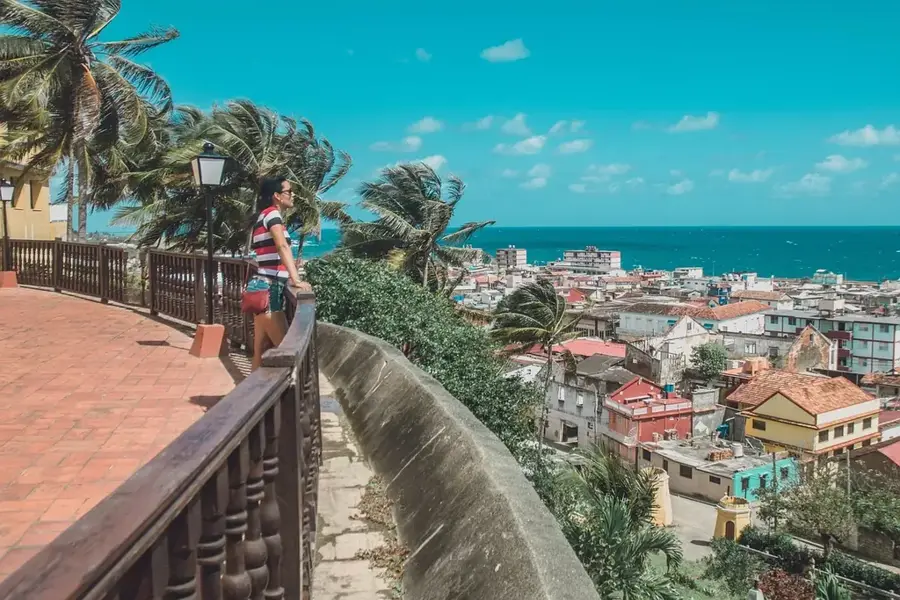
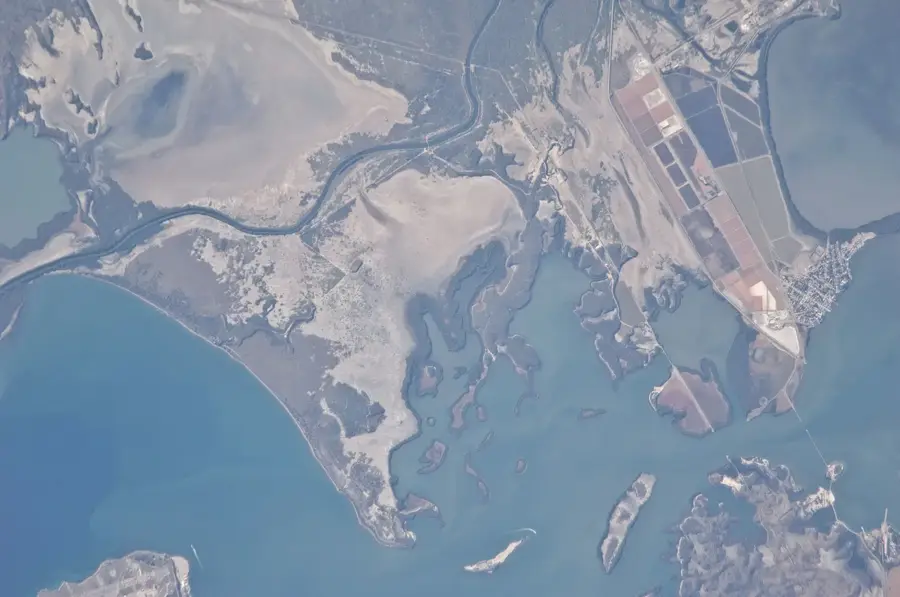
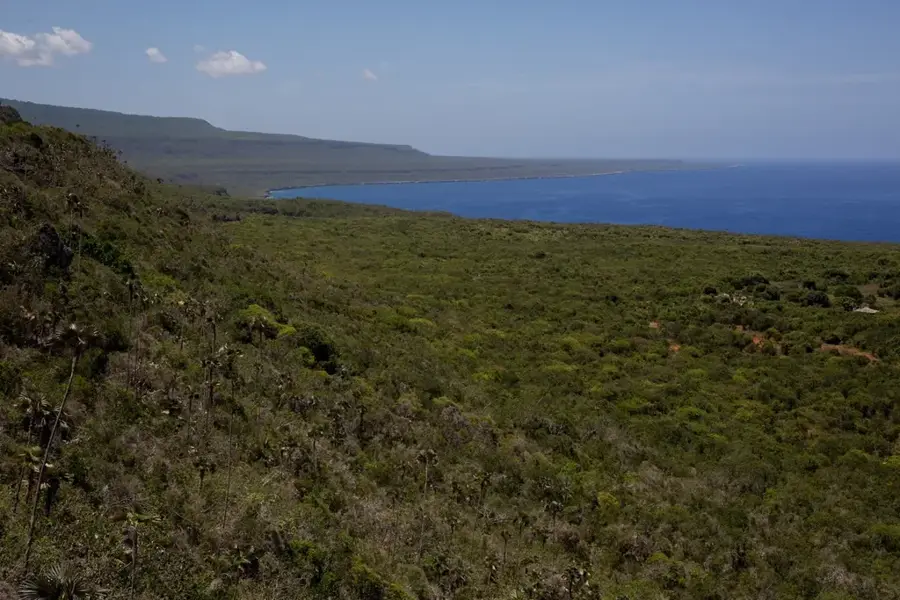
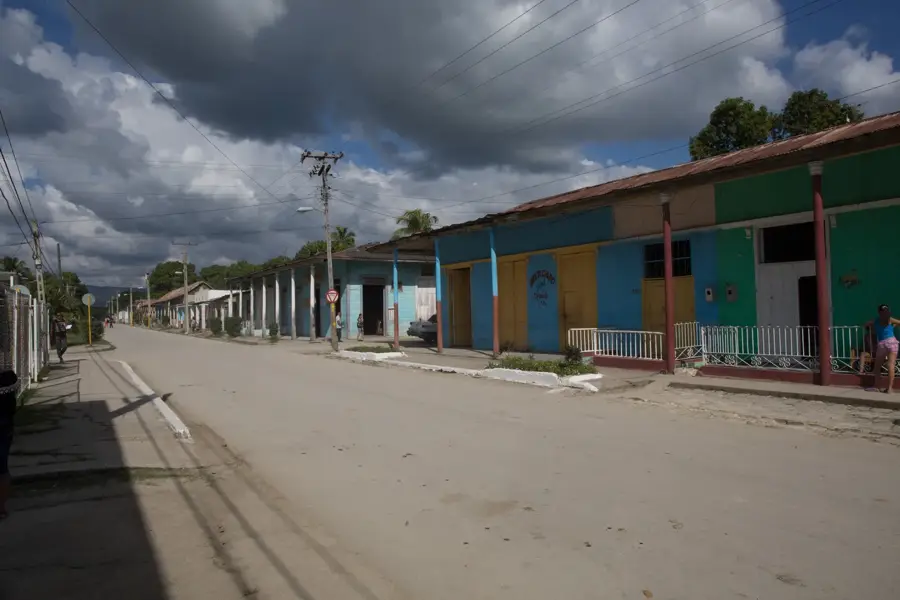
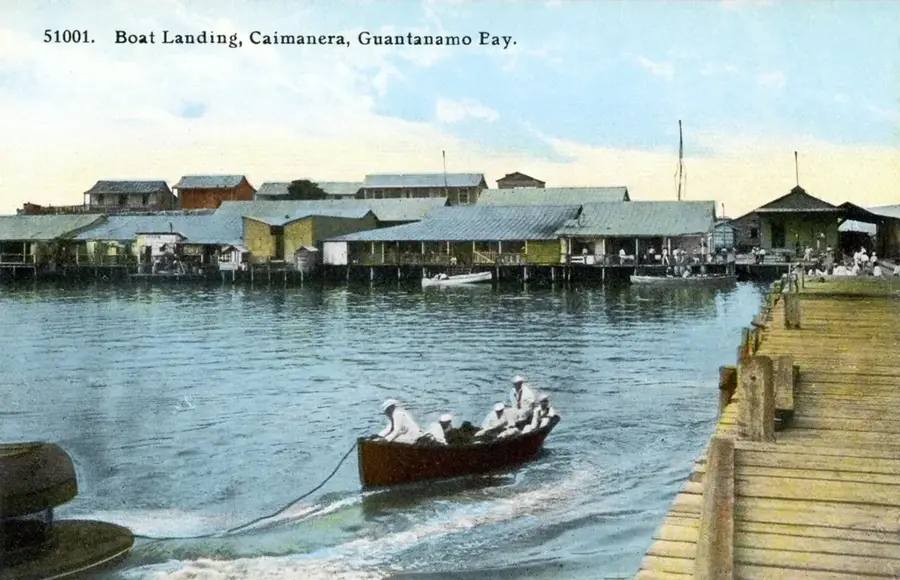
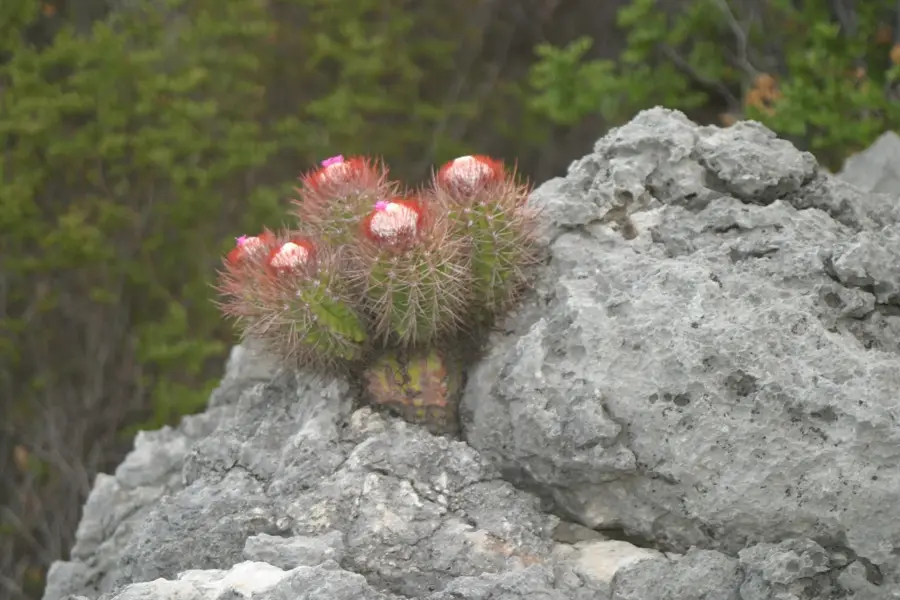
Guantánamo, the capital of Cuba's easternmost province, is a city characterized by its diverse Caribbean influences and its distinct geographical setting. Unlike many other Cuban cities founded by the Spanish, Guantánamo's growth was significantly fueled in the early 19th century by French and Haitian refugees fleeing the Haitian Revolution, who introduced large-scale coffee and sugar cultivation to the surrounding valleys. Geographically, the city sits on a vast alluvial plain north of the Bay of Guantánamo, sheltered by the Sagua-Baracoa mountain range. The climate is noticeably drier and hotter than in western Cuba, influencing both the local flora and the lifestyle of its residents. Architecturally, the city center features a mix of eclectic and neoclassical styles, with the Palacio Salcines and its iconic 'La Fama' statue serving as the city's primary landmark. Culturally, Guantánamo is the heart of 'Changüí' music, a traditional and rhythmic genre that predates the modern Cuban son. The city is also home to the Tumba Francesa, a UNESCO-recognized cultural heritage that preserves the dance and drumming traditions of Haitian immigrants. While international attention often focuses on the nearby U.S. Naval Base located at the bay's entrance, the city itself is a bustling administrative and industrial center with a population of over 200,000. Key economic activities include food processing, salt production, and supporting the regional agricultural sector. The city's atmosphere is energetic and multicultural, reflecting a history of integration among Spanish, African, and Caribbean peoples. It serves as a vital gateway for those traveling to the historic city of Baracoa via the legendary La Farola mountain road.
Explore on the map
How well do you know Cuba?
Find cities, landscapes and regions in 10 varied challenges on the interactive map.
Your journey, your memory
A postcard from Guantánamo (city)
Turn your own photo into a personal postcard with a local stamp. Free and no sign-up required.
Create a postcard- Location: Cuba
- Highlights: Diocese of Guantánamo-Baracoa · Guantánamo · Nguyen Van Troi Stadium
- Nearby: El Salvador (7 km)
- Population: ~272.801 (2026)
Best time to visit & climate
The most pleasant time to visit is Jan–Mar.
| Jan | Feb | Mar | Apr | May | Jun | Jul | Aug | Sep | Oct | Nov | Dec | |
|---|---|---|---|---|---|---|---|---|---|---|---|---|
| Avg °C | 25 | 25 | 26 | 27 | 27 | 28 | 29 | 29 | 29 | 28 | 26 | 26 |
| Rain mm | 21 | 16 | 19 | 29 | 62 | 62 | 37 | 44 | 65 | 126 | 63 | 28 |
Geography
Facts
- Founded in 1797; established as a municipality in 1870.
- Symbol: 'La Fama' statue atop the Palacio Salcines.
- Origin place of the rhythmic Changüí music genre.
- The U.S. Naval Base is a separate entity on the nearby bay.
- The city is a major producer of coffee, sugar, and cacao.
- Features a significant Afro-Haitian cultural heritage.
- Located in one of Cuba's most seismically active regions.
- Municipal population is roughly 228,000 people.
Explore nearby
Notable places around
Route planner — Car & Motorhome
Where do you start? We build the route here, with stops and country notes along the way.
© OpenStreetMap contributors · OpenRouteService
Sights in the town Guantánamo (city) (3)
Frequently asked questions
What is Tumba Francesa?
Can you visit the US base?
What is Changüí?
What is Palacio Salcines?
What is the local cuisine like?
Guantánamo (city): where is it located?
Guantánamo (city): what is there to see?
Guantánamo (city): when is the best time to visit?
Guantánamo (city): why is it worth visiting?
Nearby cities
Nature
More places