Plizio Visual Lab
Baracoa
ℹ️Practical info — Baracoa
▾
🌤 Weather — 5 days
📍 Nearby
Sights nearby
💡 Tips
- Allow plenty of time to drive the winding 'La Farola' mountain pass, and make sure to travel during daylight hours.
- Pack a good mosquito repellent, as the humid, tropical environment here makes bugs plentiful.
- Hike the flat-topped El Yunque mountain early in the morning with a local guide to beat the midday heat.
- Make sure to try the local cacao and chocolate products, as Baracoa is considered the chocolate capital of Cuba.
🍽 Food
A sweet treat made of coconut, honey, and fruit, traditionally wrapped in a palm leaf and sold by street vendors.
Ask for these tiny local fish at the seafood restaurants along the malecon, especially in season during autumn.
Try this thick, traditional hot chocolate drink at cafes around the main square.
🛍 Shopping · 🧘 Quiet spots
The prime spot in the town center to purchase high-quality local chocolate bars and pure cacao powder.
Look for local artisans selling hand-carved figures made from tropical wood in the streets around the center.
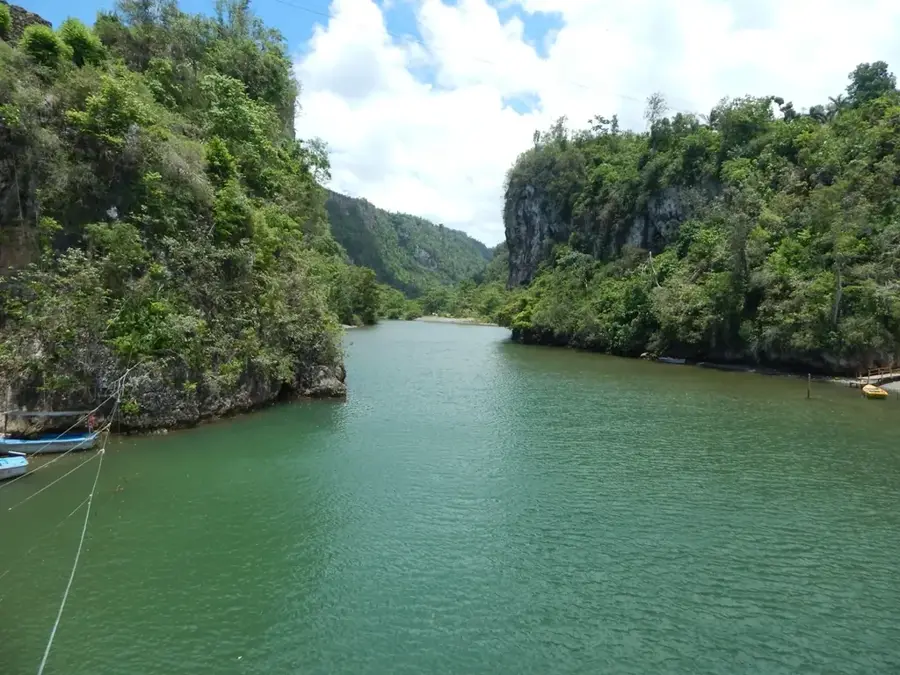
Take a peaceful boat ride on Cuba's widest river, surrounded by lush, dense jungle scenery.
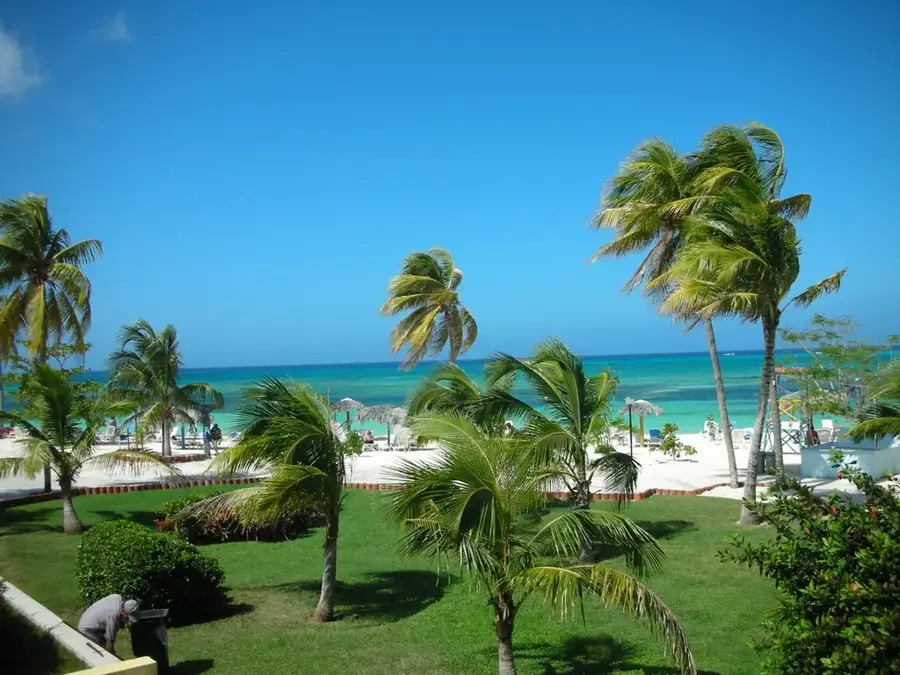
A beautiful, relatively quiet white-sand beach a short drive from town, excellent for relaxing under the palms.
Water temperature…
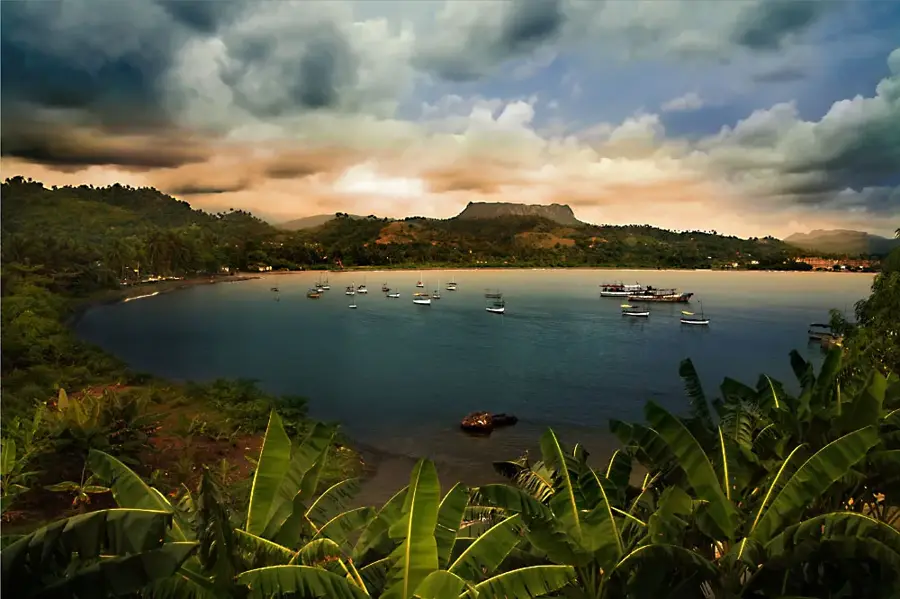
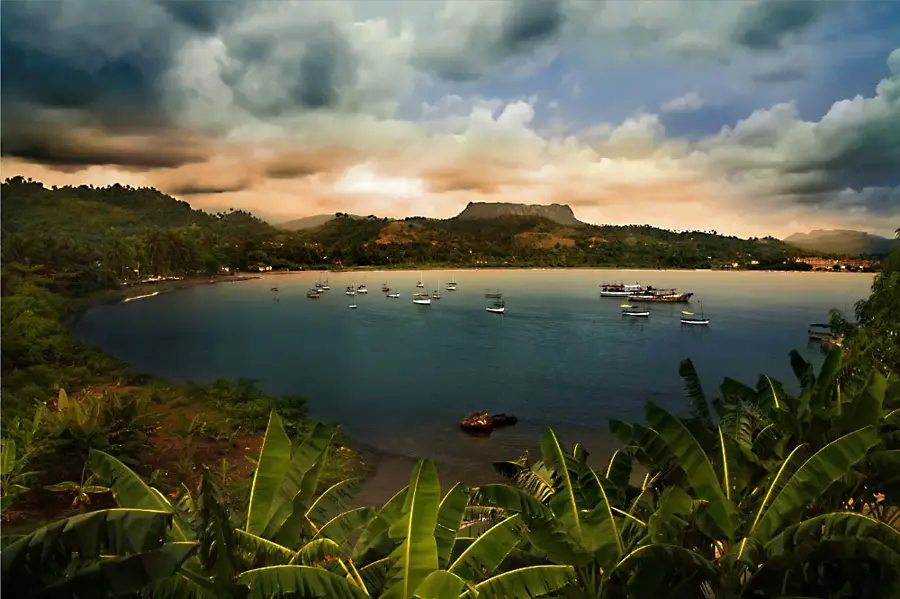
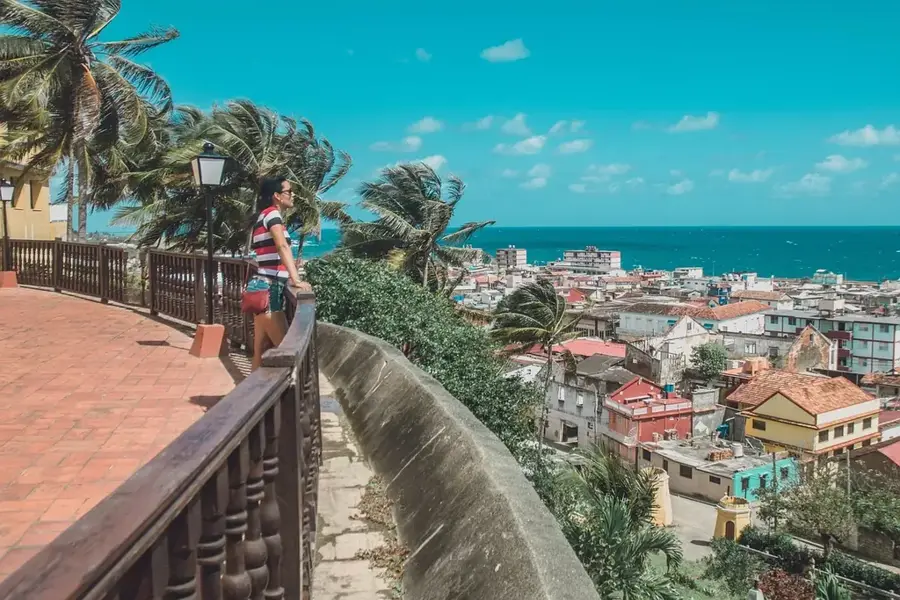
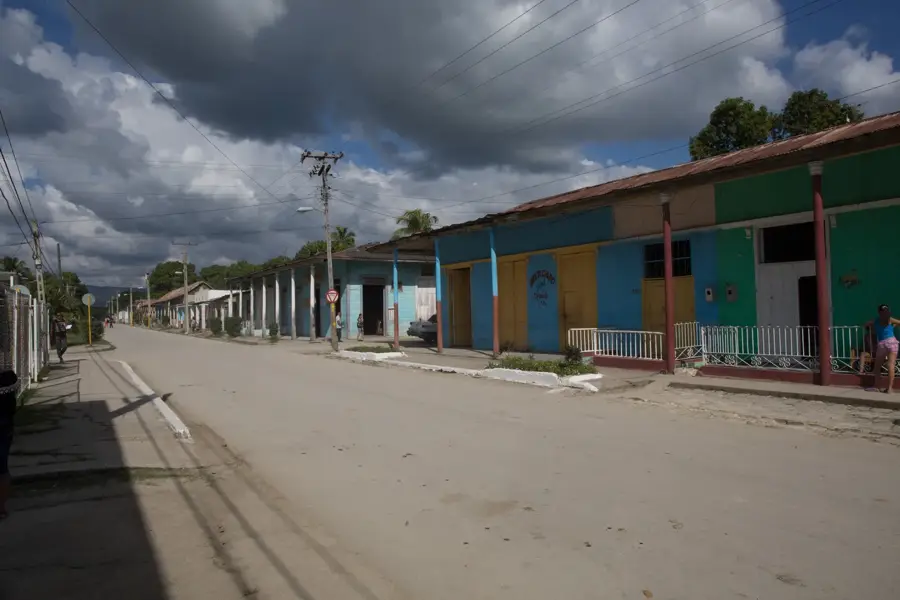
Baracoa, also known as the Ciudad Primada, is the oldest Spanish settlement in Cuba, located on the northeastern coast of Guantánamo Province. It was founded on August 15, 1511, by Diego Velázquez de Cuéllar and served as the island's first capital. Due to its isolated geographic position, hemmed in by rugged mountains and the sea, Baracoa was accessible only by water for centuries until the construction of the spectacular La Farola mountain road in the 1960s. This long isolation helped preserve its unique cultural identity and pristine natural environment. Famous landmarks include the table mountain El Yunque and the Cruz de la Parra, the only surviving wooden cross reportedly planted by Christopher Columbus during his landing in 1492. The local cuisine is distinct from the rest of Cuba, featuring heavy use of coconut and cocoa. Today, Baracoa is a major hub for eco-tourism and the production of premium cocoa and coffee.
Explore on the map
How well do you know Cuba?
Find cities, landscapes and regions in 10 varied challenges on the interactive map.
Your journey, your memory
A postcard from Baracoa
Turn your own photo into a personal postcard with a local stamp. Free and no sign-up required.
Create a postcard- Location: Cuba
- Highlights: Cruz de la Parra · Co-Cathedral of Baracoa
- Nearby: Boca de Yumurí (22 km)
- Population: ~48.362 (2023)
Best time to visit & climate
The most pleasant time to visit is Jan–Mar.
| Jan | Feb | Mar | Apr | May | Jun | Jul | Aug | Sep | Oct | Nov | Dec | |
|---|---|---|---|---|---|---|---|---|---|---|---|---|
| Avg °C | 25 | 25 | 25 | 26 | 27 | 28 | 28 | 28 | 28 | 28 | 27 | 26 |
| Rain mm | 35 | 23 | 32 | 41 | 97 | 77 | 51 | 69 | 93 | 142 | 81 | 41 |
Geography
Facts
- Founded on August 15, 1511, as Cuba's first capital.
- Home to the iconic table mountain El Yunque.
- Houses the Cruz de la Parra cross dating back to 1492.
- Only became fully accessible by road in the 1960s.
- Cuba's most significant producer of cocoa and coconuts.
- Located on the scenic Honey Bay (Bahía de Miel).
Explore nearby
Notable places around
Route planner — Car & Motorhome
Where do you start? We build the route here, with stops and country notes along the way.
© OpenStreetMap contributors · OpenRouteService
Sights in the town Baracoa (2)
Frequently asked questions
Why is it called the first city?
What is El Yunque?
Is there chocolate?
What is a Cucurucho?
How to get there?
Baracoa: where is it located?
Baracoa: what is there to see?
Baracoa: when is the best time to visit?
Baracoa: why is it worth visiting?
Nearby cities
Nature
More places