Plizio Visual Lab
Alexander von Humboldt National Park
Weather…
Water temperature…
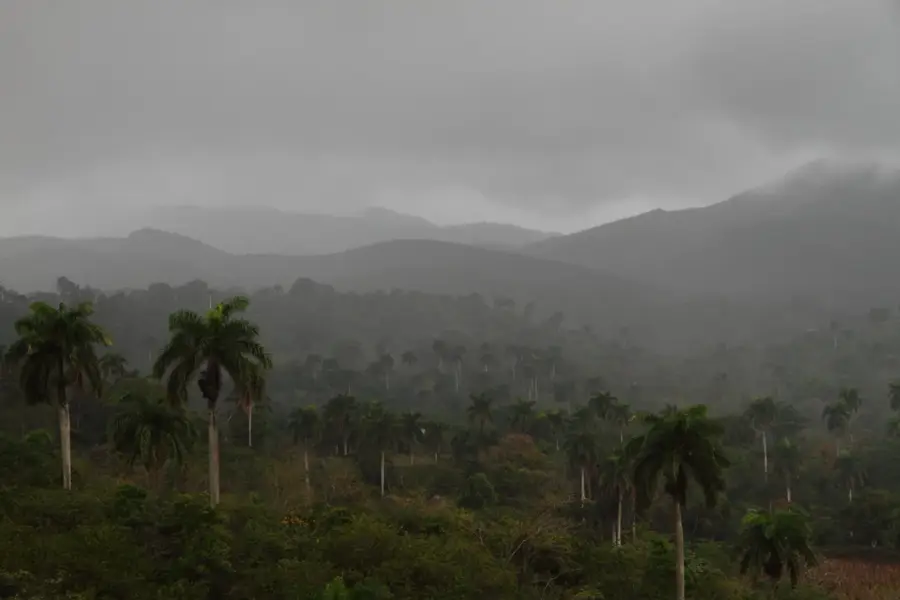
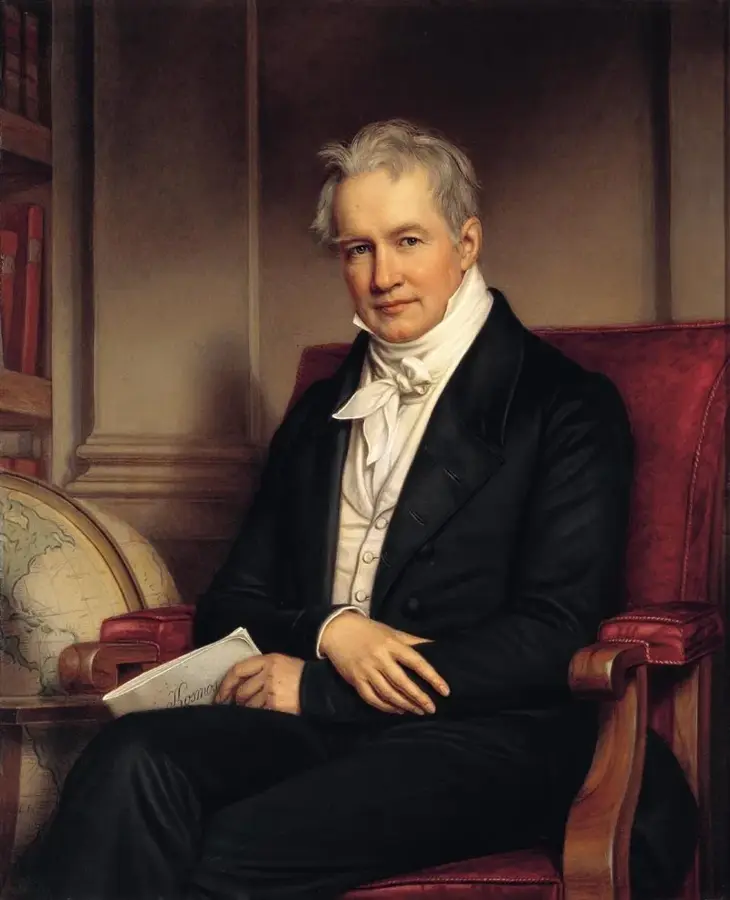
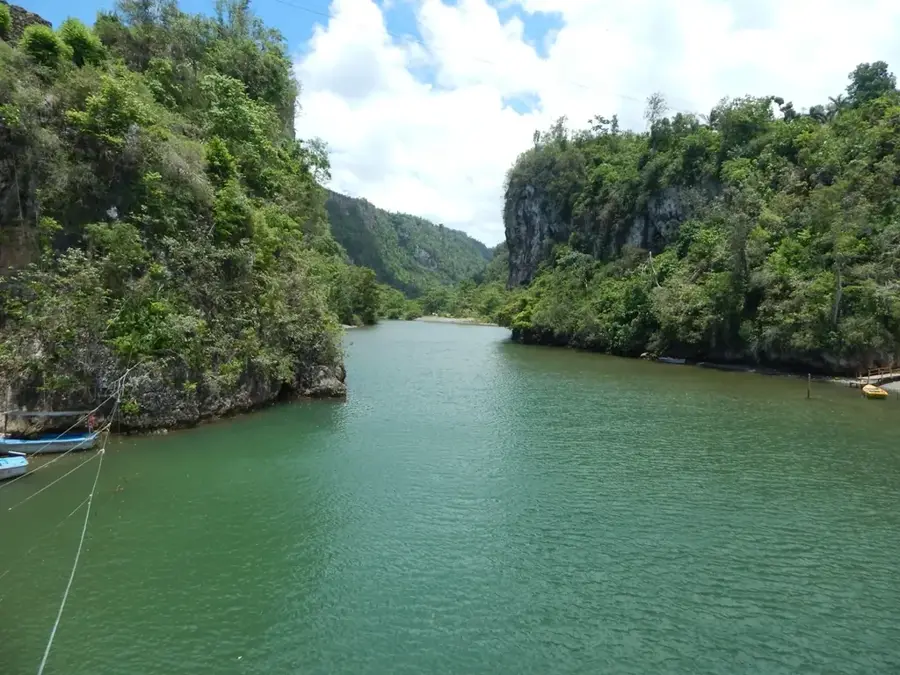
Alexander von Humboldt National Park is located in the Holguín and Guantánamo provinces of eastern Cuba and is regarded as the most important protected area for biodiversity in the Antilles. Established in 1996, the park was designated a UNESCO World Heritage site in 2001 due to its extraordinary concentration of endemic plant and animal species. Spanning approximately 711 square kilometers, the park encompasses diverse ecosystems, ranging from coastal mangroves to tropical rainforests in the Sagua-Baracoa mountain ranges. Named after the German naturalist Alexander von Humboldt, who visited the region in the early 19th century, the park serves as a living laboratory for evolutionary processes. Its complex geological conditions, particularly the toxic soils derived from serpentine rocks, have driven the evolution of unique species found nowhere else on Earth. Famous inhabitants include the Monte Iberia eleuth, one of the world's smallest amphibians, and the critically endangered ivory-billed woodpecker. The park is also a vital watershed for the region, with numerous rivers originating within its dense forests. Its preservation is critical for maintaining ecological balance throughout the Caribbean.
Explore on the map
How well do you know Cuba?
Find cities, landscapes and regions in 10 varied challenges on the interactive map.
Your journey, your memory
A postcard from Alexander von Humboldt National Park
Turn your own photo into a personal postcard with a local stamp. Free and no sign-up required.
Create a postcard- Location: Cuba
- Nearby: Yateras (14 km)
Best time to visit & climate
The most pleasant time to visit is Jan–Mar.
| Jan | Feb | Mar | Apr | May | Jun | Jul | Aug | Sep | Oct | Nov | Dec | |
|---|---|---|---|---|---|---|---|---|---|---|---|---|
| Avg °C | 23 | 23 | 24 | 25 | 26 | 27 | 27 | 27 | 27 | 26 | 24 | 24 |
| Rain mm | 23 | 18 | 21 | 32 | 63 | 57 | 33 | 42 | 60 | 117 | 66 | 32 |
📋 Practical info
Geography
Facts
- The park was inscribed as a UNESCO World Heritage site in 2001.
- The total area of the national park is approximately 711 square kilometers.
- About 70% of the plant species found here are endemic to Cuba.
- It is home to the Monte Iberia frog, one of the smallest in the world.
- The park is named after the polymath naturalist Alexander von Humboldt.
- The highest elevation within the park reaches roughly 1,175 meters.
Explore nearby
Notable places around
Route planner — Car & Motorhome
Where do you start? We build the route here, with stops and country notes along the way.
© OpenStreetMap contributors · OpenRouteService
Sights in the town Alexander von Humboldt National Park (1)
Sights nearby
Frequently asked questions
Why is this park so significant?
What is the smallest animal you can find there?
Is it allowed to enter the park without a guide?
Which hike is recommended?
How is the weather in the park?
Alexander von Humboldt National Park: where is it located?
Alexander von Humboldt National Park: when is the best time to visit?
Alexander von Humboldt National Park: why is it worth visiting?

Nearby cities

More places