Plizio Visual Lab
Aguacaliente Wildlife Sanctuary

Weather…
Water temperature…
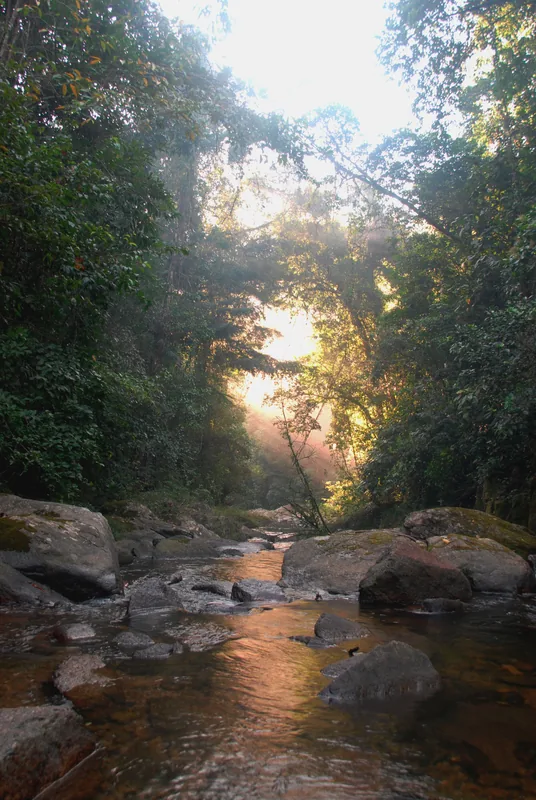
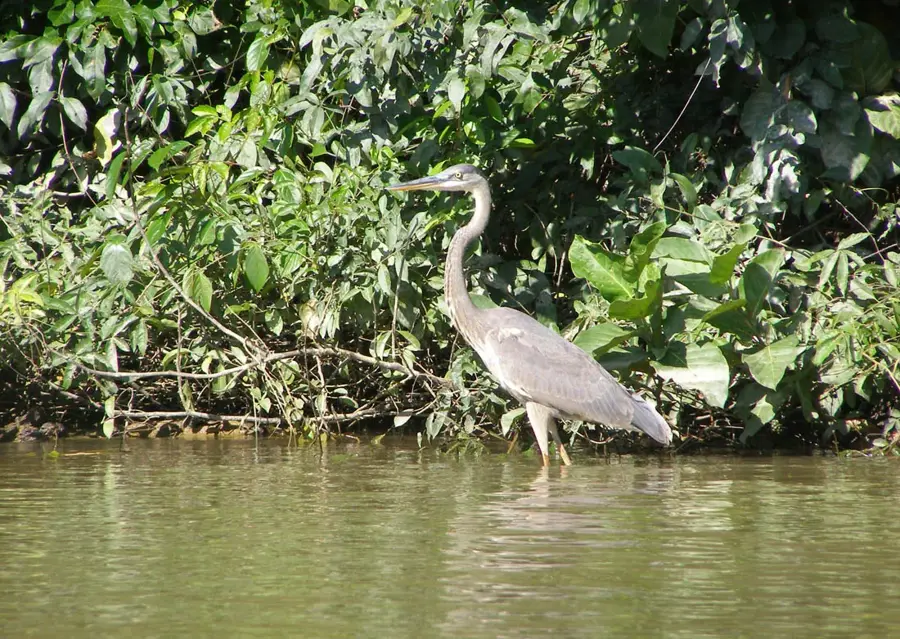
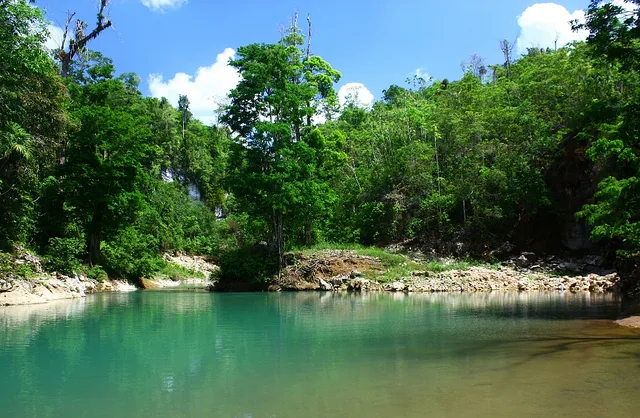
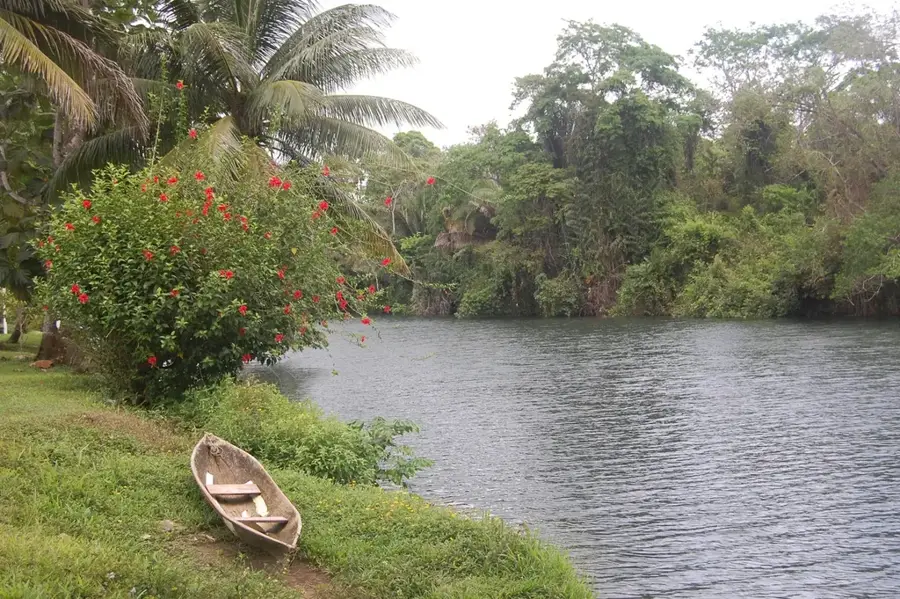
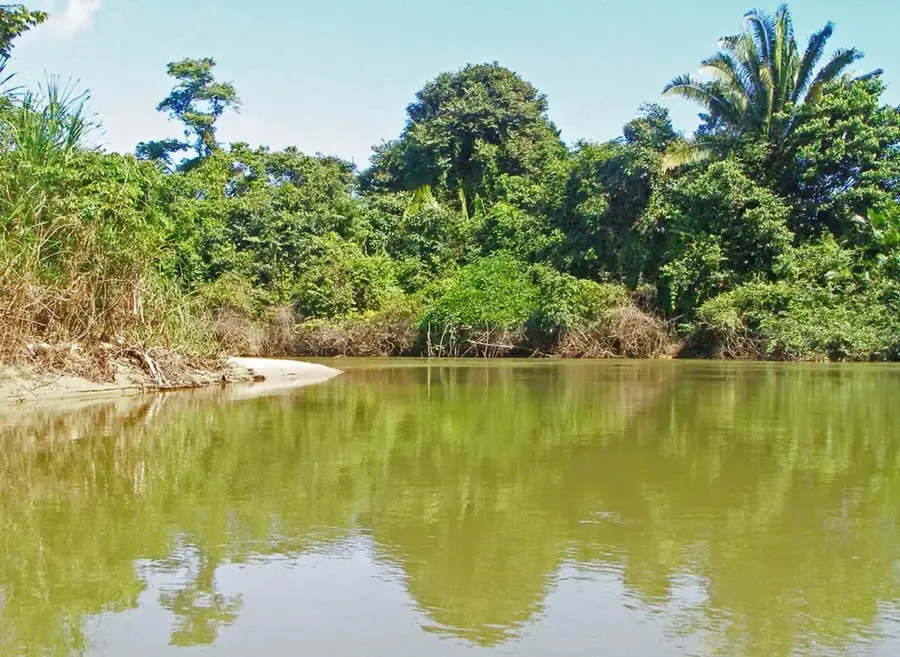
The Aguacaliente Wildlife Sanctuary in the Toledo District is a unique wetland protected area known for its geothermal springs and rich birdlife. The name 'Aguacaliente' means 'hot water' in Spanish. The sanctuary encompasses a large lagoon surrounded by savannas, marshes, and forests. It is an important habitat for a variety of resident and migratory water birds, including egrets, ibises, and the rare Jabiru stork. The warm springs create a unique aquatic environment. The sanctuary is co-managed by the surrounding Maya communities and the Toledo Institute for Development and Environment (TIDE). This community-based approach promotes sustainable tourism and conservation, ensuring that local communities benefit from the protection of their natural resources. The sanctuary is an excellent example of wetland conservation and community empowerment in Belize.
Explore on the map
How well do you know Belize?
Find cities, landscapes and regions in 10 varied challenges on the interactive map.
Your journey, your memory
A postcard from Aguacaliente Wildlife Sanctuary
Turn your own photo into a personal postcard with a local stamp. Free and no sign-up required.
Create a postcard- Location: Belize
- Nearby: San Pedro Columbia (11 km)
Best time to visit & climate
The most pleasant time to visit is Feb–Apr.
| Jan | Feb | Mar | Apr | May | Jun | Jul | Aug | Sep | Oct | Nov | Dec | |
|---|---|---|---|---|---|---|---|---|---|---|---|---|
| Avg °C | 24 | 25 | 26 | 27 | 28 | 27 | 27 | 27 | 27 | 26 | 25 | 24 |
| Rain mm | 134 | 95 | 74 | 55 | 138 | 244 | 209 | 215 | 249 | 250 | 229 | 146 |
📋 Practical info
Geography
Facts
- Covers approximately 5,500 acres of critical wetland habitat.
- Home to the highest concentration of Wood Storks and Jabiru Storks in southern Belize.
- Contains three major lagoons and several hot springs (Aguacaliente).
- Co-managed by the Aguacaliente Management Team (AMT) from local villages.
- Important nesting ground for many species of migratory and resident waterbirds.
- The sanctuary's wetlands are a vital part of the Moho River watershed.
- Accessible primarily through the villages of Laguna and Blue Creek.
Explore nearby
Notable places around

Route planner — Car & Motorhome
Where do you start? We build the route here, with stops and country notes along the way.
© OpenStreetMap contributors · OpenRouteService
Sights nearby
Frequently asked questions
What is the main feature of Aguacaliente?
Can you bathe in the springs?
Which birds can be observed here?
Is the park accessible year-round?
How do I reach the sanctuary?
Aguacaliente Wildlife Sanctuary: where is it located?
Aguacaliente Wildlife Sanctuary: when is the best time to visit?
Aguacaliente Wildlife Sanctuary: why is it worth visiting?

Nearby cities


History & landmarks
Nature
More places